

In Brief
- Supply chain management has undergone a digital transformation, which has enhanced transparency and efficiency, as well as decision-making capabilities based on real-time data.
- The use of some modern technologies like AI, IoT, blockchain, and cloud computing has revolutionised supply chain processes.
- Businesses that employ digital supply chains manage to avoid setbacks in their operations, reduce the costs of inventory management, and improve their customer service.
- Such visibility enables organisations to respond to market changes and client needs in the most efficient way possible.
- A methodical application of digital transformation can lead to the creation of a resilient and scalable supply chain system.
The landscape of the supply chain is changing rapidly as companies look to achieve further agility, transparency, and efficiency in their operations. Traditional supply chains are often challenged by issues like complex data, lack of visibility, on-paper operations, and delays in decision-making. With increasing connectedness in global markets, projecting future demands is not easy. Therefore, many companies are adopting digital technologies to enhance their operations and gain a competitive advantage.
Digital transformation in supply chain involves the use of new advancements in technology, including Artificial Intelligence, Internet of Things, blockchain, cloud computing, and data analytics. Using all these technologies within a supply chain makes it possible to create integrated smart supply chains. By digitising and connecting processes, organizations can improve their forecasting, inventory management, operational effectiveness, and build resilient operations which will enable businesses to adjust to changes in the environment.
Digital Transformation in Supply Chain Management: Key Market Insights and Trends
The growing complexity of global supply chains and rising customer expectations are driving businesses to embrace digital transformation. Technologies such as AI, IoT, cloud computing, blockchain, and data analytics are helping organisations improve visibility, automate operations, optimise inventory, and respond quickly to market changes. As a result, digital supply chains are becoming a strategic investment for businesses aiming to improve efficiency, resilience, and customer satisfaction.
Traditional Vs Digital Supply Chains
| Traditional Supply Chain | Digital Supply Chain |
| Relies on manual processes and disconnected systems. | Uses automation and integrated digital platforms. |
| Limited visibility across operations. | Provides real-time supply chain visibility. |
| Decisions are based on historical data. | Uses real-time and predictive analytics for decision-making. |
| Reactive to disruptions and delays. | Proactively identifies and manages risks. |
| Manual inventory tracking. | Smart inventory management with AI and IoT. |
| Slower communication among stakeholders. | Seamless collaboration across the supply chain. |
| Higher operational costs and inefficiencies. | Lower costs through automation and optimisation. |
| Difficult to scale with business growth. | Flexible and scalable to changing business needs. |
The shift from traditional to digital supply chains enables organisations to build more agile, efficient, and resilient operations while delivering better customer experiences.
Why Does Digital Transformation Matter in Supply Chain Management?

Digital transformation enables enterprises to move from using traditional and outdated supply chain methods to smart technology-driven supply chain systems. This ensures that companies operate more effectively, act quickly in the case of disturbance, reduce operational costs, and create seamless processes for suppliers and customers. Below are the key benefits of digital supply chains.
Agility
Digital technologies make it possible to move to agile supply chain processes, allowing businesses to respond to customers’ demands and changes in the environment and supply chain processes faster. Real-time data makes it possible for companies to manage the processes of production, logistics, and warehousing in due time.
Better Decision Making
With real-time data, predictive analytics, and AI-based understanding, businesses are able to make well-timed decisions. As a result, the accuracy of demand forecasting, stock management, supplier management and overall effectiveness increased.
Innovative Approach
Digital supply chains open up doors for innovations thanks to the introduction of modern technologies, including AI integration, IoT applications, blockchain, and cloud computing. Companies can automate routine operations, manage their partnerships, and achieve continuous improvement.
End-to-end Customer Engagement
Digital supply chains enhance transparency during the supply chain journey. Features such as instant tracking of orders, delivery updates, and improved resolution of difficulties benefit users and improve brand loyalty.
Better Business Outcomes
With the help of automation and better use of resources, companies may reduce the cost of operation, avoid mistakes, and improve their performance.
Real-Time Tracking and Visibility
The process of instant visibility monitoring at the warehouses, transport facilities, and suppliers’ networks gives the understanding to the companies about their supply chain operations.
Real Life Examples of Digital Transformation in Supply Chain
Various companies have successfully implemented digital transformation in their supply chain processes.
Farm Connect applies blockchain technology to enhance tracing products and provide transparency.
Walmart makes use of Artificial intelligence, data analysis, and blockchain technology to optimize processes.
These examples demonstrate how digitization allows companies to raise visibility, improve cooperation, and create more resilient supply chain systems.
Enterprise Digital Transformation Strategy for Business Growth
Explore practical strategies, emerging technologies, implementation frameworks, and real-world use cases to help your business stay competitive in the digital era.

Top Tech Trends in Supply Chain Digital Transformation
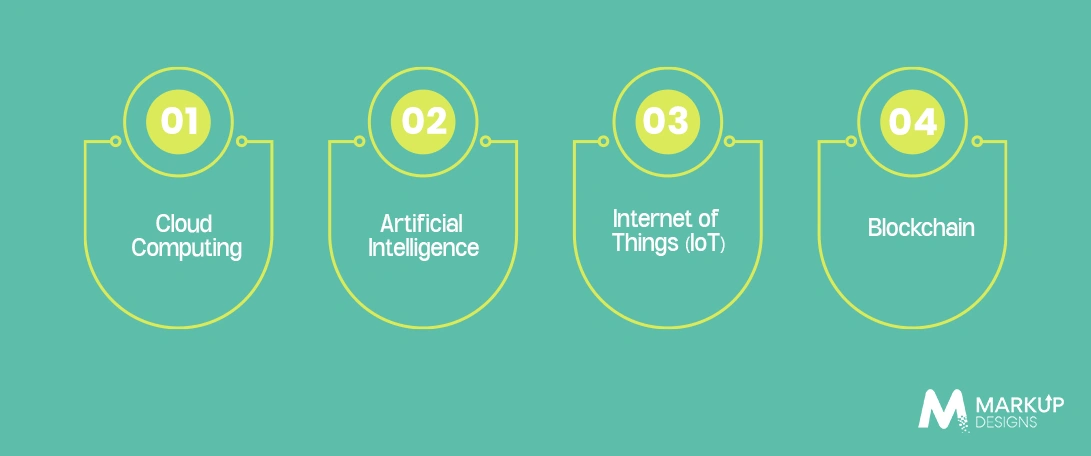
The rise of new technologies in recent years has aided companies in developing smarter, better connected, and stronger supply chains. By applying various advanced digital technologies, businesses can achieve improved visibility, efficient automation of processes, greater accuracy in forecasting, as well as an overall increase in the effectiveness of supply chain operations.
Cloud Computing
Thanks to cloud computing, all data related to the supply chain is uploaded to the cloud, and this provides opportunities for cooperation between suppliers, manufacturers, warehouses, and distributors. Also, cloud computing offers the possibility of scalability, real-time data access, low operating costs, and fast introduction of applications related to supply chain management.
Artificial Intelligence
Artificial Intelligence (AI) has enabled business automation of repetitive tasks, improvement in the accuracy of demand forecasting, a boost in inventory management effectiveness, and identification of potential dangers, thus speeding the decision-making process based on data analysis.
Internet of Things (IoT)
IoT applications and devices, sensors, and smart trackers provide real-time visibility into inventory, equipment, and shipments. Businesses can monitor product conditions, track assets throughout the supply chain, and respond quickly to operational disruptions.
Blockchain
Blockchain technology creates a secure and transparent record of every transaction across the supply chain. It improves product traceability, strengthens supplier trust, reduces fraud, and enhances compliance through tamper-resistant digital records.
Five Steps to Digitizing Supply Chain
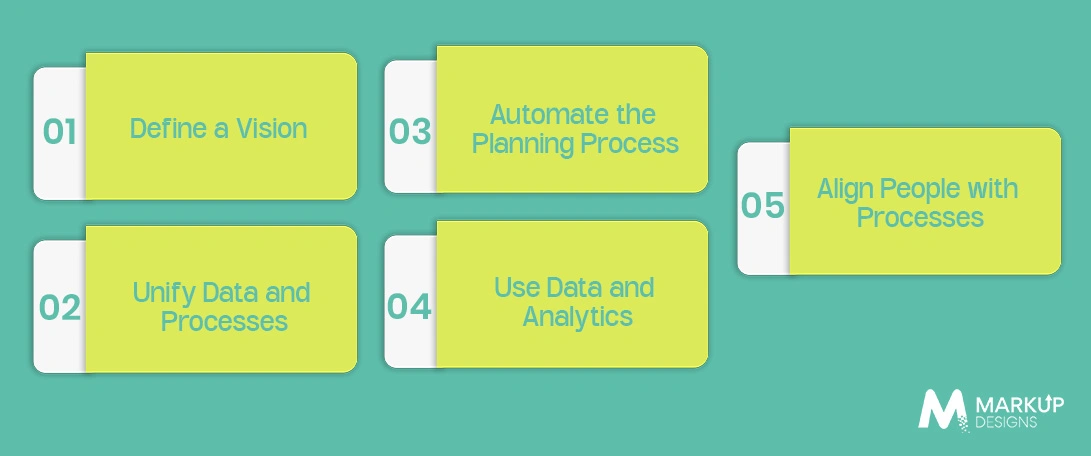
To implement a successful digital transformation strategy, you need proper planning, modern technologies, and cross-company collaboration. The steps below can help organisations to develop a future-ready supply chain with impeccable connectivity.
Step 1- Define a Vision
Begin by listing the business objectives and explaining how the digital transformation strategy is improving supply chain operations. A well-developed plan guarantees that all technology implementations suit the corporation’s goals.
- Assess Resources and Existing Systems
Inspect the existing supply chain network, technology capabilities, and the ways operational processes work to determine all strengths, problems, and potential opportunities for improvements.
- Legacy Systems
Find obsolete systems that prevent integration, automation, and data exchange. Replacement or modernisation of the legacy infrastructure allows the formation of a more connected supply chain.
- Data Collection and Analysis
Establish how the data of the supply chain is collected, saved, and processed. High-quality centralised data is critical for correct prediction and effective decision-making.
- Workforce Skills
Evaluate whether your personnel have sufficient technical skills for the adoption of new technologies. Providing training and change management services significantly improves the chances of success.
Step 2- Unify Data and Processes
Data must be integrated into a single platform from procurement, production, inventory, transport, and sales. This enhances collaboration, removes data silos, and gives full visibility of supply chain operations.
Step 3- Automate the Planning Process
By automating planning processes such as demand forecasting, stock replenishment, production planning, and order fulfilment, the manual workload is eliminated while the accuracy and speed of processes are improved.
Step 4- Use Data and Analytics
Make use of online analytics tools to track the efficiency of the supply chain, discover possible risks, improve resource allocation, and make timely business decisions.
Step 5- Align People with Processes
Employees, processes, and technology should work together to achieve successful digital transformation. It is important to make interdepartmental cooperation easier and create a deep understanding of responsibilities to obtain maximum benefits from digital solutions.
Overcoming Challenges in Supply Chain Digital Transformation
In spite of multiple advantages that digital transformation can provide, companies still have to encounter difficulties during the implementation. The most common problems are insufficient data, outdated systems, lack of integration, problems with cybersecurity, and resistance of employees to changes. To deal with those issues successfully, companies have to create a reasonable strategy for implementation.
Data Management
Managing large volumes of data from multiple sources is one of the biggest challenges in digital supply chain transformation. Inconsistent, inaccurate, or siloed data can lead to poor forecasting, delayed decision-making, and operational inefficiencies. Businesses should establish strong data governance practices, integrate systems through a unified platform, and leverage cloud-based solutions to ensure data accuracy, accessibility, and security across the supply chain.
Read Also: Cloud Computing in Logistics: Building Smarter, Faster, and More Resilient Supply Chains
How Green Practices Will Transform Digital Supply Chains by 2025
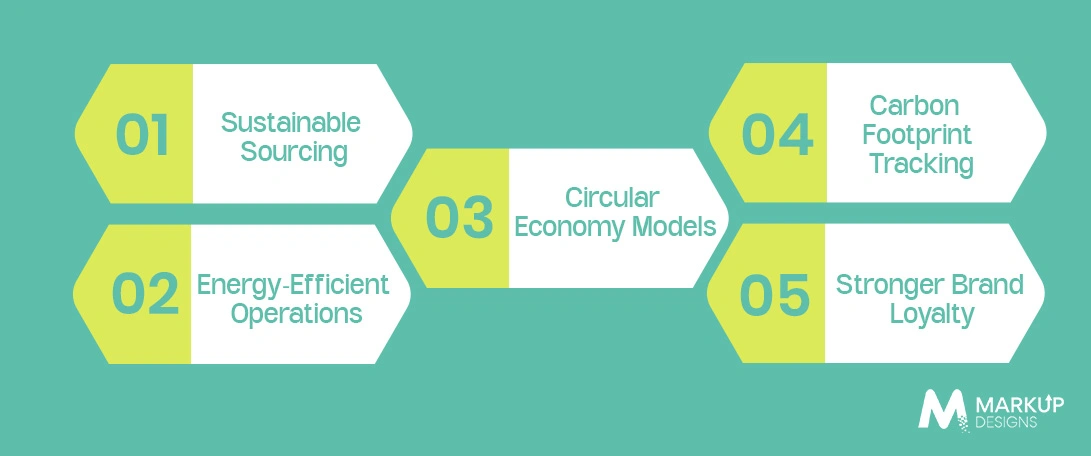
The concept of sustainability is taking center stage in the operations of many businesses today, with firms looking to create responsible business practices while also delivering environmental value. Digital technology plays a vital role in assisting businesses to optimize processes to achieve sustainability goals.
Sustainable Sourcing
Digital channels make it possible for businesses to learn about ethical vendors and oversee responsible sourcing. This guarantees observance of various standards while ensuring that partnerships are maintained.
Energy Efficient Operations
By utilizing technologies such as automation, AI, and IoT, firms are able to make their operations more efficient and lower their resource consumption.
Circular Economy Models
Digital supply chains support product reuse, recycling, refurbishment, and waste reduction by improving product lifecycle tracking. This helps businesses maximise resource utilisation while minimising environmental impact.
Carbon Footprint Tracking
Advanced analytics and IoT sensors allow organisations to monitor emissions across logistics, manufacturing, and transportation activities. Real-time carbon tracking helps businesses identify improvement opportunities and meet sustainability goals.
Stronger Brand Loyalty
Consumers increasingly prefer brands that demonstrate environmental responsibility. By adopting sustainable supply chain practices and maintaining transparency, businesses can enhance customer trust, strengthen brand reputation, and gain a competitive advantage.
How Can Markup Designs Help You Bring Supply Chain Digital Transformation into the New Reality?
Supply chains today require more than just technology upgrades. They need integrated, intelligent, and scalable digital ecosystems aimed at improving efficiency, resiliency, and customer satisfaction. At Markup Designs, our mission is to help companies convert traditional supply chains into data-centric networks by leveraging our expertise with innovative digital technologies.
Our experts create customized supply chain solutions using AI, IoT, cloud computing, blockchain technology, and advanced analytics. From warehouse and inventory control systems to logistics optimization, supplier collaboration systems, and real-time system monitoring, our solutions enhance business operations, increase transparency, and allow you to make faster decisions.
Whether you are modernizing legacy systems, automating supply chain processes, or establishing your future greater digital infrastructure, Markup Designs provides you with safe, scalable, and innovative solutions customized to suit the needs of your organization.
Ready to Digitally Transform Your Supply Chain?
Empower your business with intelligent, scalable, and future-ready supply chain solutions that improve visibility, automate operations, and drive sustainable growth.

Conclusion
Digital transformation is making changes in supply chain management that allow companies to be more agile, efficient, and resilient, helping them compete effectively in the market. With digital technologies such as AI, IoT, blockchain, cloud computing and advanced analytics, companies can optimize their operations, improve their decisions, gain visibility and improve customer service.
However, digital transformation is more than just using new technologies; successful digital transformation requires companies to use the right strategies, have relevant people and partners, and integrate systems to achieve success in the process of transformation. By transforming their digital supply chain system, companies can reduce operational risks, increase collaboration, and lay the basis for future sustainable growth of the company.
FAQs
1. What is digital transformation in supply chain?
Digital transformation in supply chain means the introduction of advanced technologies such as AI, IoT, cloud computing, blockchain, and data analytics into supply chain operations. It helps businesses automate processes, obtain better visibility, cooperation, and data-based decision-making.
2. How does digital technology impact the supply chain?
Digital technology leads to better supply chain efficiency through real-time tracking, predictive analytics, automated work processes, accurate demand forecasting, and effective communication between suppliers, producers, and logistics companies.
3. Why is digital transformation crucial for the supply chain?
The digital transformation process has certain advantages such as improved efficiency of the operations, reduced cost, improved inventory management, increased resilience of the supply chain, and improved transparency from start to finish. Furthermore, it helps companies offer reliable services to their customers.
4. How to prepare for digital transformation in the supply chain?
Companies should start from an appraisal of the state of the current supply chain, develop clear objectives, identify the gaps in the technological process, align the data across all systems, automate the essential processes, and perform constant assessment of the work done. One should also note that cooperation with experienced specialists in this field can contribute to the successful implementation of digital transformation.
5. How to evaluate the efficiency of the strategy of digital transformation in the supply chain?
Depending on certain KPIs, such as order fulfillment, time of delivery, operational costs, costs of supply chain transformation in terms of visibility, and customer satisfaction, one can measure the efficiency of the organization and implement certain changes in the future.
Author's Perspective
The field of supply chain management is going in the direction of intelligent, connected and sustainable ecosystems instead of isolated operations and processes. In this digital era of technological evolution, businesses that take steps toward digital transformation now will be in a better position to adapt to market changes, ensure sustainable use of resources, and gain an advantage over competitors. At Markup Designs, we believe that advanced technologies coupled with strategic implementation will allow companies to develop their supply chains to enable them to achieve operational excellence.
Discuss Your Project NowGaurav Goyal
Global Sales- VP
Related Posts

IoT in Banking: Transforming Financial Services Through Connected...
Digital Transformation for Australian Enterprises: Strategy, Technology &...

How to Hire AI Consultants for Enterprise Digital...
Insights Are Valuable & Execution is Priceless
You’ve read about the digital future. Now, let’s build the infrastructure to take you there. Move your strategy from the page to the product.
Design Your Solution Now
Contact Us
Schedule The Appointment At Your Convenience Date And Time.
30 Min
Web Conference
Time Zone
Indian standard time (08:30pm)

Thanks For Getting In Touch!
You’ve Taken The First Step Toward Transforming Your Digital Presence. Our Experts Will Reach Out Shortly To Take It Forward.
Launch Your Dream Project
Provide a brief overview of your project, and our specialists will evaluate your requirements. We will connect with you to explore how the right digital solutions can help you launch faster.