
In Brief
- Ecommerce growth in the Middle East is accelerating due to rising mobile shopping and digital payment adoption.
- Industries like fashion, grocery, beauty, and B2B commerce are investing heavily in ecommerce apps.
- Modern apps require features like AI recommendations, multilingual support, secure payments, and real-time tracking.
- Development costs in UAE vary based on app complexity and scalability needs.
- Long-term success depends on user experience, mobile-first strategies, and adapting to evolving ecommerce trends.
A few years ago, many retailers and startups across the Middle East were struggling with slow websites, limited customer engagement, complicated checkout experiences, and rising competition from global ecommerce platforms.
Customers were becoming more comfortable with online shopping, but many local platforms still lacked personalized experiences, mobile optimization, fast delivery coordination, and secure digital payment systems.
At the same time, consumer behavior was changing rapidly.
People no longer wanted to shop only through desktop websites or wait through lengthy purchasing processes. They expected faster browsing, one-tap payments, real-time order tracking, personalized recommendations, and seamless mobile experiences.
For many companies, traditional e-commerce systems were becoming difficult to scale as customer expectations continued to rise.
This shift is one of the biggest reasons why ecommerce app development in the Middle East has grown significantly in recent years. Companies are now investing in scalable mobile platforms through custom e-commerce mobile app development services to improve customer experience, retention, and digital growth.
In this blog, you will explore the growth of e-commerce apps in the Middle East, important app features, development costs, market trends, challenges, future opportunities, and how to choose the right development approach for long-term success.
Understanding the E-commerce Boom in the Middle East
The e-commerce industry in the Middle East has grown rapidly over the last few years, driven by changing shopping habits, increasing smartphone usage, and stronger digital infrastructure. Consumers across UAE now prefer mobile-first shopping experiences that are faster, more personalized, and available anytime.
This shift has encouraged companies to invest in ecommerce application development services that improve customer engagement and simplify online purchasing. From fashion and grocery platforms to electronics and luxury retail, mobile commerce is becoming a major part of everyday consumer behavior.
Another key factor behind this growth is the rise of digital payments and social commerce. Many users now discover products through Instagram, TikTok, and influencer-driven content before purchasing directly through apps. This has increased demand for online shopping app development in UAE that focuses on seamless mobile experiences.
As competition continues to rise, brands are increasingly adopting retail ecommerce app solutions UAE to improve customer retention, operational efficiency, and long-term digital growth.
Real Market Statistics Shaping E-commerce Growth
The ecommerce industry in UAE and the broader Middle East is expanding rapidly, and the numbers clearly show how strongly consumers are shifting toward digital shopping experiences. Here are some important statistics shaping the future of ecommerce app development
- UAE ecommerce market reached approximately $12.42 billion in 2026 and is projected to grow to $20.54 billion by 2030, showing strong long-term digital commerce growth.
- UAE currently has more than 11 million online shoppers and over 45,000 active ecommerce stores, highlighting the growing demand for ecommerce mobile app development services.
- Around 72% of ecommerce transactions in UAE are now mobile-based, which explains why brands are prioritizing online shopping app development UAE strategies over traditional web-only platforms.
- Reports also show that nearly 78% of ecommerce transactions are initiated through smartphones, proving that mobile-first experiences are becoming essential for modern ecommerce platforms.
Industries Driving Ecommerce App Demand
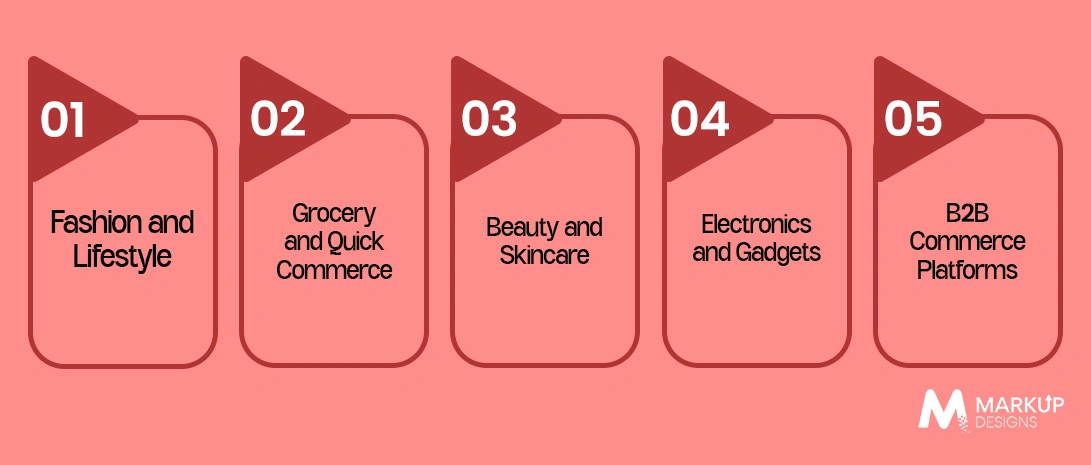
The demand for custom software development is increasing across multiple industries in the Middle East as more consumers shift toward mobile-first shopping experiences.
Today, e-commerce is no longer limited to fashion or electronics. Almost every industry is exploring digital commerce platforms to improve customer convenience, streamline operations, and increase online sales.
Some of the fastest-growing sectors include
- Fashion and Lifestyle
Fashion brands are heavily investing in e-commerce mobile apps to offer personalized shopping experiences, loyalty programs, AI-based recommendations, and faster mobile checkouts.
- Grocery and Quick Commerce
Consumers now expect same-day or even instant delivery services. Grocery platforms are focusing on scalable retail app solutions in UAE that support live tracking, inventory updates, and smooth order management.
- Beauty and Skincare
Beauty brands are using e-commerce apps to improve customer engagement through product recommendations, tutorials, and subscription-based purchasing experiences.
- Electronics and Gadgets
Tech retailers are building feature-rich apps with advanced filters, comparison tools, and secure payment systems to simplify high-value purchases.
- B2B Commerce Platforms
Wholesalers and suppliers are increasingly adopting B2B ecommerce app development solutions for bulk ordering, supplier management, and digital procurement systems.
Why Brands in UAE Are Prioritizing E-commerce Apps Over Websites
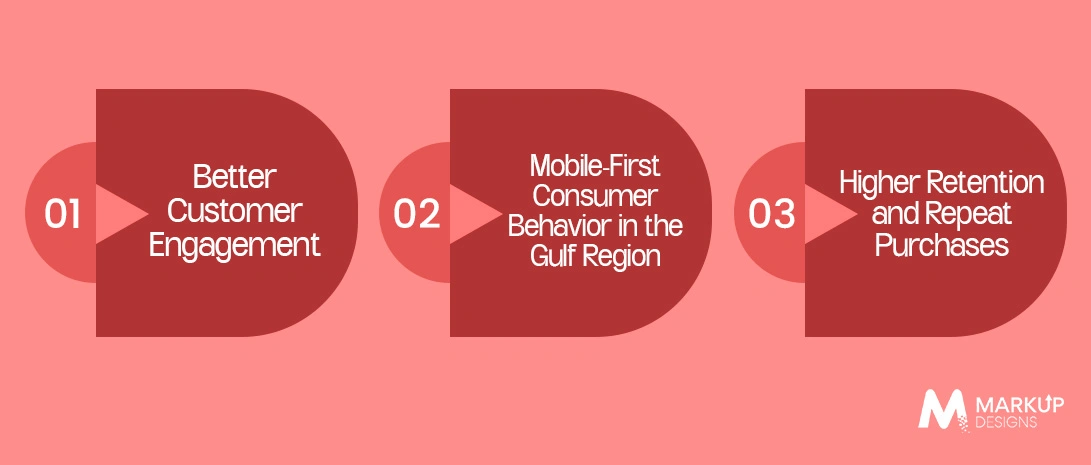
E-commerce apps are helping brands across the UAE improve customer engagement, increase retention, deliver faster shopping experiences, and create stronger mobile-first digital commerce ecosystems.
Better Customer Engagement
- Mobile apps create more direct and personalized customer interactions compared to traditional websites.
- Features like push notifications, personalized offers, loyalty rewards, and AI-based recommendations help improve retention rates.
- Apps also allow companies to deliver smoother shopping experiences through faster loading speeds and simplified navigation.
- This is one reason why many brands are investing in ecommerce application development services instead of relying only on web platforms.
Mobile-First Consumer Behavior in the Gulf Region
- Consumers across the UAE spend a significant amount of time shopping through smartphones.
- Social media platforms like Instagram and TikTok heavily influence purchase decisions and app-driven shopping behavior.
- Mobile commerce offers greater convenience through one-click ordering, saved payment methods, and instant browsing experiences.
- Growing smartphone usage is also increasing demand for online shopping app development UAE solutions focused on mobile-first experiences.
Higher Retention and Repeat Purchases
- E-commerce apps make it easier to build long-term customer relationships through personalized engagement.
- Features such as wishlist management, membership rewards, subscription models, and real-time order tracking encourage repeat purchases.
- Apps also provide better customer data insights that help improve product recommendations and shopping experiences over time.
- This growing focus on customer retention is pushing brands toward scalable custom e-commerce app development strategies across the Middle East.
Read More: The Ultimate Guide to Building a Mobile App Pricing & ROI
Essential Features of a Successful E-Commerce App
A successful e-commerce app is not just about attractive design or product listings. Modern consumers expect fast navigation, secure transactions, personalized experiences, and smooth mobile interactions throughout the shopping journey. If an app feels slow, confusing, or outdated, users often leave within seconds.
This is why companies investing in ecommerce mobile app development services are focusing heavily on user experience, scalability, and customer convenience. The right features can improve engagement, simplify purchasing decisions, increase repeat orders, and strengthen long-term customer retention.
Below are some of the most important features every modern e-commerce app should include.
Customer Panel Features
- Simple user registration and login options
- Smart product search with filters and categories
- Wishlist and save-for-later functionality
- Secure checkout and multiple payment methods
- Real-time order tracking and delivery updates
- Personalized product recommendations
- Ratings, reviews, and a customer feedback system
- Multi-language support, including Arabic and English
- Push notifications for offers, discounts, and order updates
These features help create smoother shopping experiences while improving customer satisfaction and engagement.
Admin Panel Features
- Product and inventory management
- Order and return management system
- Customer analytics and reporting dashboard
- Discount, coupon, and promotional campaign management
- Vendor and supplier management tools
- User behavior tracking and sales insights
Strong admin features are essential for managing operations efficiently and scaling ecommerce platforms over time.
Advanced Features Becoming Popular in UAE
- AI-powered product recommendations
- Voice search capabilities
- AR-based product visualization
- Chatbots for instant customer support
- Buy Now Pay Later (BNPL) integrations
- Social commerce integrations with Instagram and TikTok
Read: Also: How AI Innovations Are Transforming Dubai Businesses
Types of Ecommerce Apps You Can Build
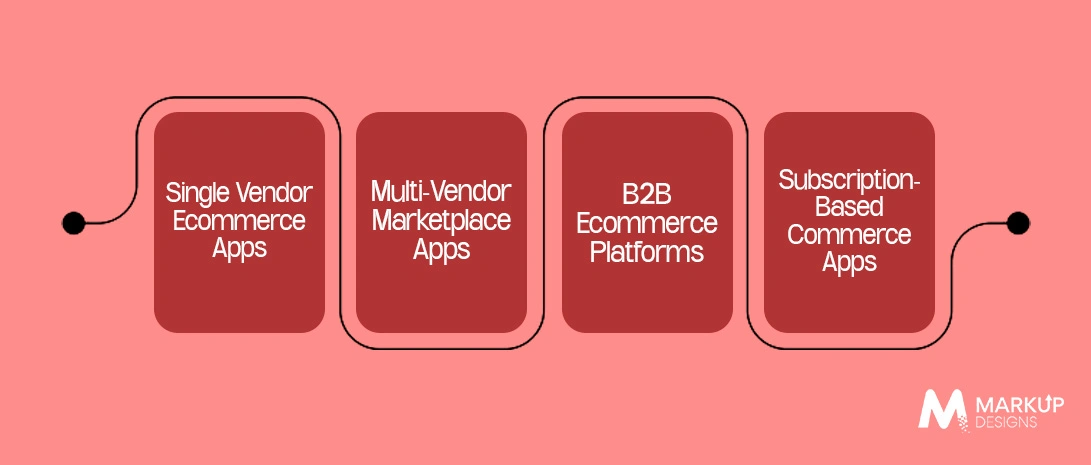
E-commerce apps are no longer limited to traditional online stores. Different industries and customer expectations have created multiple e-commerce models, each designed for specific operational needs and shopping experiences.
Choosing the right app type is important because it directly impacts scalability, customer engagement, revenue generation, and long-term growth.
Here are some of the most common ecommerce app types growing across the Middle East.
Single Vendor Ecommerce Apps
- Designed for brands selling their own products directly to customers
- Best suited for fashion brands, electronics stores, beauty companies, and niche retailers
- Offers better control over branding, inventory, and customer experience
- Commonly used in online shopping app development UAE projects for direct-to-consumer platforms
Multi-Vendor Marketplace Apps
- Allows multiple sellers to list and sell products through one platform
- Includes vendor dashboards, commission systems, and centralized order management
- Suitable for large-scale marketplaces similar to Amazon or Noon
- Requires advanced e-commerce application development services for scalability and performance
B2B E-commerce Platforms
- Built for wholesalers, suppliers, and enterprise procurement systems
- Supports bulk ordering, quotation systems, and supplier management
- Increasingly popular among manufacturers and distributors in the Middle East
- Growing demand for B2B ecommerce app development is helping industries digitize procurement processes
Subscription-Based Commerce Apps
- Focuses on recurring product deliveries or membership-based purchases
- Common in grocery, wellness, skincare, and lifestyle industries
- Helps improve customer retention and predictable revenue generation
- Often integrated through custom app development solutions for personalized user experiences
Ecommerce App Development Process
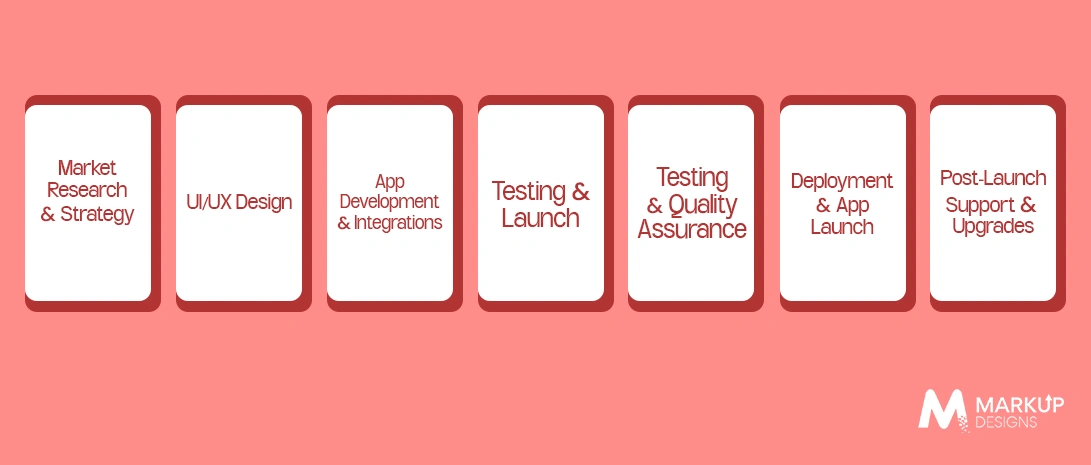
Building a successful ecommerce app requires a structured development process that focuses on user experience, scalability, security, and long-term performance. Below is a step-by-step overview of how modern Ai-powred ecommerce mobile app development typically approach ecommerce app creation.
Step 1- Market Research & Strategy
The process begins with audience research, competitor analysis, and market validation. This stage helps identify customer expectations, shopping behavior, revenue opportunities, and essential app features. A strong strategy creates the foundation for scalable ecommerce app aligned with long-term growth goals.
Step 2- UI/UX Design
Once the strategy is finalized, designers create user-friendly app interfaces focused on smooth navigation and mobile-first experiences. In the Middle East, many ecommerce apps also prioritize Arabic-friendly layouts, simplified checkout flows, and personalized shopping experiences to improve engagement and retention.
Step 3- App Development & Integrations
During this stage, developers build the frontend and backend architecture while integrating essential technologies like payment gateways, APIs, inventory systems, analytics tools, and order management systems. Reliable ecommerce application development services ensure the app remains scalable, secure, and performance-driven across devices.
Step 4- Testing & Launch
Before launch, the app undergoes security testing, performance optimization, bug fixing, and compatibility checks. After deployment, continuous maintenance, feature updates, and monitoring help improve user experience while supporting long-term ecommerce platform growth.
Step 5- Testing & Quality Assurance
Before launching the app, developers perform detailed testing to identify bugs, security issues, loading problems, and payment-related errors. This stage ensures the e-commerce platform works smoothly across different devices, operating systems, and screen sizes while maintaining a secure and reliable shopping experience for users.
Step 6- Deployment & App Launch
Once testing is completed, the app is deployed on platforms like the Google Play Store and Apple App Store. The launch phase also includes app store optimization, performance monitoring, and user onboarding strategies to improve visibility and attract early users in competitive ecommerce markets.
Step 7- Post-Launch Support & Upgrades
Ecommerce apps require continuous updates to stay competitive and meet changing customer expectations. Post-launch support includes performance optimization, security updates, feature enhancements, analytics monitoring, and scalability improvements. Many companies rely on long-term mobile app development services to maintain app performance and support future growth.
Ecommerce App Development Cost
The cost of developing an e-commerce app in UAE depends on multiple factors, including app complexity, AI-powered features, platform selection, UI/UX requirements, integrations, and scalability goals. A simple e-commerce platform with basic shopping functionality costs significantly less than an enterprise-grade marketplace with AI features, analytics, and multi-vendor capabilities.
Companies investing in e-commerce app development usually choose development plans based on their long-term growth strategy and customer expectations.
| App Type | Estimated Cost Range |
| Basic Ecommerce App | $15,000 – $30,000 |
| Mid-Level Ecommerce App | $30,000 – $70,000 |
| Multi-Vendor Marketplace App | $80,000 – $200,000+ |
| Enterprise Ecommerce Platform | $150,000+ |
The final cost of ecommerce app development also depends on advanced features like AI recommendations, AR integrations, payment gateways, cloud infrastructure, and post-launch maintenance. Choosing an experienced app development company can help improve scalability, security, and long-term platform performance.
Challenges in Ecommerce App Development
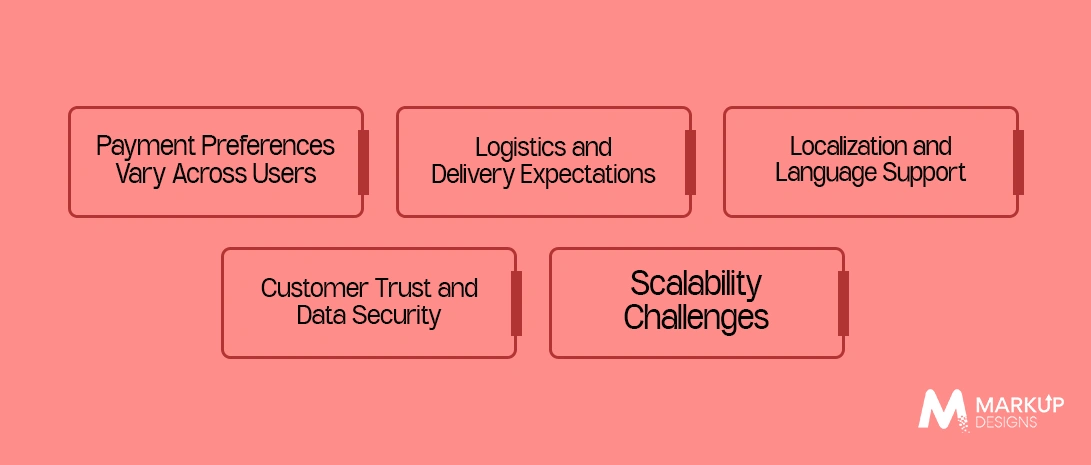
Building ecommerce apps in the Middle East comes with strong growth opportunities, but companies also face several technical, operational, and customer-related challenges during development and scaling.
- Payment Preferences Vary Across Users
Many customers still prefer cash-on-delivery, while others use digital wallets and online banking. Managing multiple payment methods securely is important for successful ecommerce application development services.
- Logistics and Delivery Expectations
Consumers expect faster deliveries and real-time order tracking. Managing logistics efficiently across different regions can become challenging for growing ecommerce platforms.
- Localization and Language Support
Apps targeting UAE audiences often require Arabic and English support. Proper localization improves customer experience and makes online shopping app development UAE solutions more user-friendly.
- Customer Trust and Data Security
Users expect secure transactions and strong privacy protection. Reliable app development focuses heavily on payment security, encryption, and transparent policies.
- Scalability Challenges
As traffic and orders increase, ecommerce platforms must handle higher user activity without affecting app performance or shopping experience.
Why Markup Designs is your Trusted Ecommerce App Development Partner
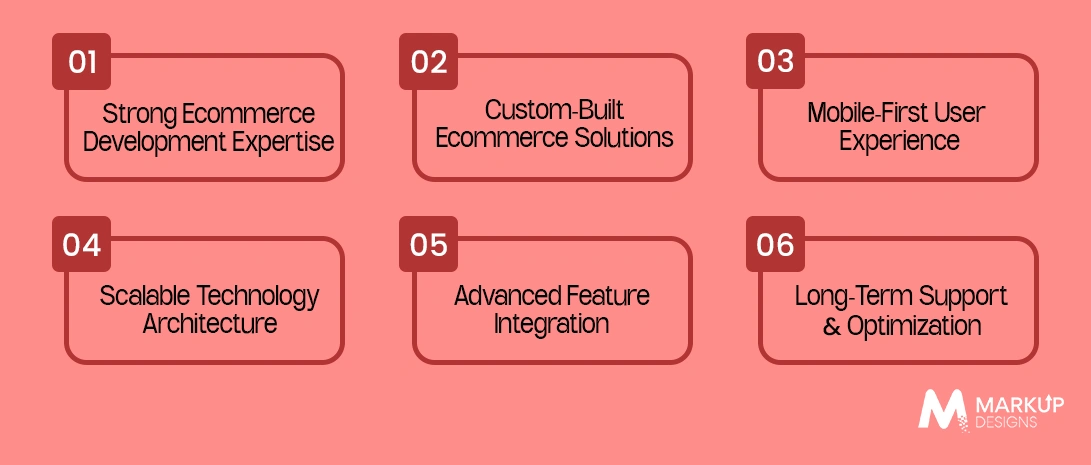
Choosing the right development partner plays a major role in the success of an ecommerce platform. At Markup Designs, the focus goes beyond app development by creating scalable, user-focused, and future-ready ecommerce solutions for growing digital brands.
- Strong Ecommerce Development Expertise
Markup Designs delivers advanced ecommerce mobile app development services focused on performance, scalability, and seamless customer experiences.
- Custom-Built Ecommerce Solutions
Every ecommerce platform is designed according to specific industry requirements, customer behavior, and operational goals through reliable custom ecommerce app development strategies.
- Mobile-First User Experience
The team prioritizes fast navigation, intuitive UI/UX, and smooth mobile shopping experiences optimized for modern users.
- Scalable Technology Architecture
From startup platforms to enterprise marketplaces, Markup Designs develops scalable systems capable of handling long-term growth and high user traffic.
- Advanced Feature Integration
The company integrates AI recommendations, secure payment gateways, analytics tools, real-time tracking, and multilingual support into modern ecommerce applications.
- Long-Term Support & Optimization
Beyond development, Markup Designs provides continuous maintenance, performance optimization, and feature upgrades to support long-term ecommerce growth.
Conclusion
Ecommerce in the Middle East is growing faster than ever, with UAE emerging as one of the region’s strongest digital commerce markets. Consumers are increasingly shifting toward mobile-first shopping experiences that offer speed, convenience, personalization, and secure transactions.
This growing demand is encouraging brands to invest in developing a scalable e-commerce mobile app to improve customer engagement, streamline operations, and stay competitive in a rapidly evolving digital environment.
From choosing the right app model and features to understanding development costs and future trends, building a successful e-commerce platform requires a long-term and user-focused approach.
As technologies like AI, social commerce, and personalized shopping continue evolving, businesses that prioritize innovation and seamless mobile experiences will be better positioned for sustainable growth in UAE and broader Middle Eastern market.
FAQs
1. How much does ecommerce app development cost in UAE?
The cost depends on app complexity, features, platforms, and integrations. Basic ecommerce apps may start around $15,000, while enterprise marketplace platforms can exceed $100,000.
2. How long does it take to develop an ecommerce app?
A basic ecommerce app may take around 3–5 months, while advanced marketplace or enterprise solutions can require 6–12 months depending on functionality.
3. Which features are essential for an ecommerce app?
Important features include secure payments, product search, real-time tracking, multilingual support, push notifications, analytics, and personalized recommendations.
4. Why is mobile commerce growing rapidly in UAE?
High smartphone usage, digital payment adoption, fast internet infrastructure, and social commerce trends are driving mobile ecommerce growth across UAE.
5. Why should companies invest in custom ecommerce app development?
Custom ecommerce app development helps create scalable, personalized, and feature-rich shopping experiences that align with customer expectations and long-term digital growth goals.

Author's Perspective
The ecommerce industry in the Middle East is still evolving rapidly, especially in mobile commerce. Many companies focus only on launching apps quickly, but long-term success depends on scalability, customer experience, personalization, and operational efficiency. As digital shopping behavior continues to grow across UAE, ecommerce platforms that prioritize seamless mobile experiences and smarter technologies will be better positioned to adapt, compete, and grow in an increasingly digital-first market.
Discuss Your Project NowGaurav Goyal
Global Sales- VP
Related Posts

How to Build a Car Wash App: Development...

Benefits of Mobile App Development for Businesses in...

Complete Guide to Hiring Mobile App Developers in...
Insights Are Valuable & Execution is Priceless
You’ve read about the digital future. Now, let’s build the infrastructure to take you there. Move your strategy from the page to the product.
Design Your Solution Now
Contact Us
Schedule The Appointment At Your Convenience Date And Time.
30 Min
Web Conference
Time Zone
Indian standard time (08:30pm)

Thanks For Getting In Touch!
You’ve Taken The First Step Toward Transforming Your Digital Presence. Our Experts Will Reach Out Shortly To Take It Forward.
Launch Your Dream Project
Provide a brief overview of your project, and our specialists will evaluate your requirements. We will connect with you to explore how the right digital solutions can help you launch faster.