

In Brief
- Link digital transformation efforts to strategic corporate objectives and enterprise growth goals.
- Evaluate current systems, operational deficiencies, and the digital maturity of your organisation before adopting new technologies.
- Leverage AI, cloud technologies, data analysis and enterprise software to enhance business performance.
- Develop an implementation roadmap that outlines priorities, stakeholders and expected outcomes.
- Consider cybersecurity issues, regulation compliance and staff adoption for sustainable transformation.
As part of their efforts to stay competitive in the modern business environment, many UK companies are implementing digital transformation strategies. The range of such transformations includes the replacement of outdated software, the introduction of artificial intelligence and the use of cloud technologies, among other things. However, using innovative technology for the sake of innovation and without clearly defined business goals may result in inefficiency.
An effective digital transformation strategy links the strategic vision of the company with technological innovations and their implementation in the enterprise. This strategy is critical in determining the appropriate direction of the digital transformation, allocation of necessary resources, and setting performance goals. In addition, a strategy for the UK company must address the relevant issues of data protection, cybersecurity, staff preparedness and scalability.
What Is a Digital Transformation Strategy?
A digital transformation strategy is the process of planning and implementing the use of digital technology in order to optimize operations and experience for customers, as well as for future development. A digital transformation strategy is linked to business goals through technological investment.
Digital Transformation Strategy and Digital Adoption
Adoption means using existing technologies, while digital transformation involves changes in how a company runs its processes. For example, the use of collaboration technology leads to adoption, while workflow integration across different departments leads to transformation.
Why Digital Transformation Requires More Than Technology Investment
In order to make an impact, a company should not only invest money in technology, but also have goals, prepare its employees for change, and introduce appropriate systems that would solve some of the operational problems.
Why Do UK Businesses Need a Digital Transformation Strategy?
An Enterprise digital transformation strategy is helpful for UK businesses because it will allow responding to changes in the market, improving internal processes and finding opportunities for development.
Responding to Changing Customer Expectations
Customers increasingly expect faster service, personalised interactions, and convenient digital experiences. Businesses can use digital platforms, automation, and data analytics to meet these expectations and improve customer satisfaction.
Improving Operational Efficiency and Business Agility
By automating repetitive processes and consolidating the organisation’s business systems, companies can reduce manual effort and boost decision-making efficiency. This will enable them to react to operational changes much faster.
Staying Competitive in the UK Market
Digital skills will allow companies to adapt to the market dynamics, enhance service delivery, and take advantage of any emerging opportunities. A well-thought-out strategy will help companies make better investments in technologies, rather than make decisions based on what competitors do.
Supporting Business Growth and Scalability
The modern digital environment allows companies to scale operations, handle increased workload, and launch new services with minimal increase in operational challenges.
What Are the Key Components of a Digital Transformation Strategy?
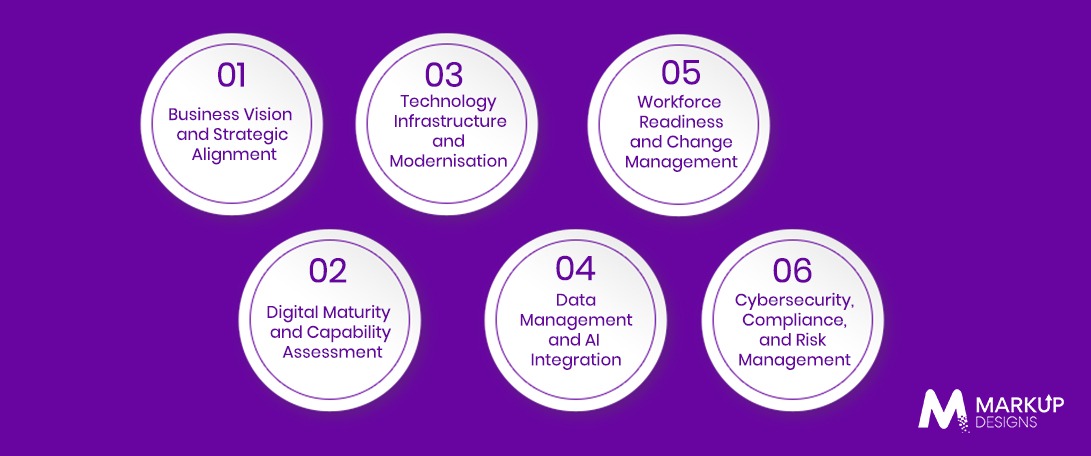
A good strategy should encompass all of the following elements: business needs, technology capabilities, people readiness, and risk assessment.
These components ensure transformation initiatives remain aligned with organisational goals and deliver measurable value.
Business Vision and Strategic Alignment
Each transformation initiative has to support certain business objectives, for instance, cost reduction, higher customer retention rates, and entry into new markets. Technology alignment with those priorities allows for better resource allocation by businesses.
Digital Maturity and Capability Assessment
An assessment of the current systems, processes, skills, and infrastructure of a company will allow identification of capability gaps and the elements that need to be improved. This way, businesses will get a realistic picture for their transformation plans.
Technology Infrastructure and Modernisation
Businesses need reliable technology infrastructure, which will support integration, performance, and scalability. Businesses should modernise their outdated systems and implement suitable cloud platforms to improve flexibility without increasing technical limitations.
Data Management and AI Integration
Centralised data management will ensure accessibility and reliability of information. Artificial intelligence and analytics will support forecast creation, automation of decision-making processes, and insights creation, provided the data is reliable.
Workforce Readiness and Change Management
Workforce needs proper training and guidelines to adopt the new technology. It is important to involve teams early and explain the purpose of changes to reduce any resistance.
Cybersecurity, Compliance, and Risk Management
Security and compliance must be considered throughout the transformation process. UK businesses should assess applicable data protection requirements, access controls, system vulnerabilities, and operational risks before deploying new solutions.
How to Build a Digital Transformation Strategy for UK Enterprises?
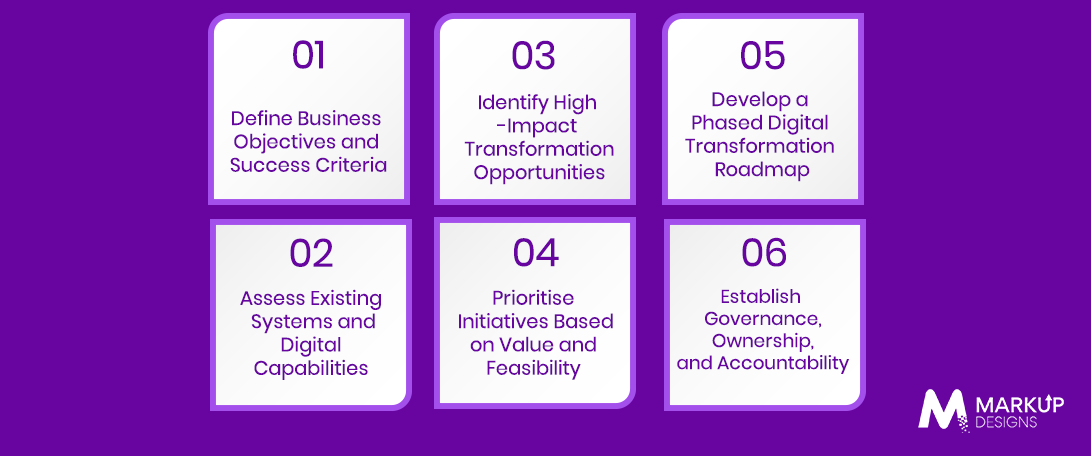
Building a practical strategy requires a clear understanding of business priorities, existing capabilities, and expected outcomes. A phased approach helps enterprises manage investment, reduce implementation risks, and track progress.
Define Business Objectives and Success Criteria
Establish specific objectives, such as improving process efficiency, reducing service delivery time, or increasing digital sales. Define measurable KPIs to evaluate whether each initiative achieves its intended outcome.
Assess Existing Systems and Digital Capabilities
Review current software, infrastructure, workflows, and data management practices to identify inefficiencies and technical limitations. This assessment helps determine which capabilities need immediate attention.
Identify High-Impact Transformation Opportunities
Identify processes where technology can deliver meaningful improvements, including customer service, supply chain management, financial operations, and internal reporting. Prioritise opportunities that address clear business problems.
Prioritise Initiatives Based on Value and Feasibility
Evaluate each initiative against its expected benefits, implementation costs, technical complexity, and business risks. This helps organisations focus on achievable projects with strong potential returns.
Develop a Phased Digital Transformation Roadmap
Break the strategy into manageable phases, starting with high-priority initiatives and expanding as results become clear. Establish timelines, budgets, dependencies, and milestones for each phase.
Establish Governance, Ownership, and Accountability
Assign responsibilities to business leaders, technology teams, and project owners. Regular progress reviews and defined reporting structures help maintain accountability and keep initiatives aligned with strategic objectives.
Which Technologies Drive Digital Transformation in the UK?
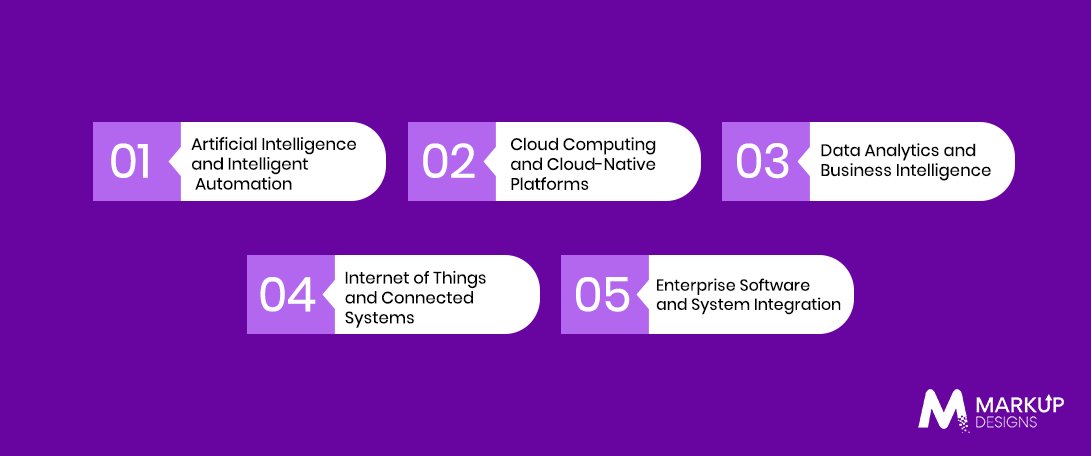
The proper technology stack will depend on the goals of the organisation, its existing infrastructure, and operational needs. Most organisations within the UK use multiple technologies in order to increase productivity, decision-making ability, and modernisation of service delivery.
Artificial Intelligence and Intelligent Automation
Intelligent technologies allow companies to analyse information and extract insights for decision-making purposes, while automation deals with repetitive processes. Thus, AI and automation may increase productivity in customer service, finance, operations, and other parts of a business.
Cloud Computing and Cloud-Native Technologies
Cloud platforms offer flexible computing power and infrastructure that is scalable and remotely accessible. The development of cloud-native software solutions allows organisations to update their systems faster and adjust them to new requirements.
Data Analytics and Business Intelligence
Analytics platforms enable businesses to turn data into insights using tools such as reporting, dashboarding, and predictive analysis in order to track performance and inform the decision-making process.
Internet of Things and Connected Systems
Internet of Things refers to connecting physical objects like equipment, devices, and sensors in order to collect operational data in real time. These insights can be used by businesses for monitoring and managing assets.
Enterprise Software and System Integration
ERP, CRM, and other enterprise platforms help manage core business functions. Integrating these systems reduces data duplication, improves information sharing, and creates more consistent workflows across departments.
How Can UK Businesses Move From Strategy to Enterprise Execution?
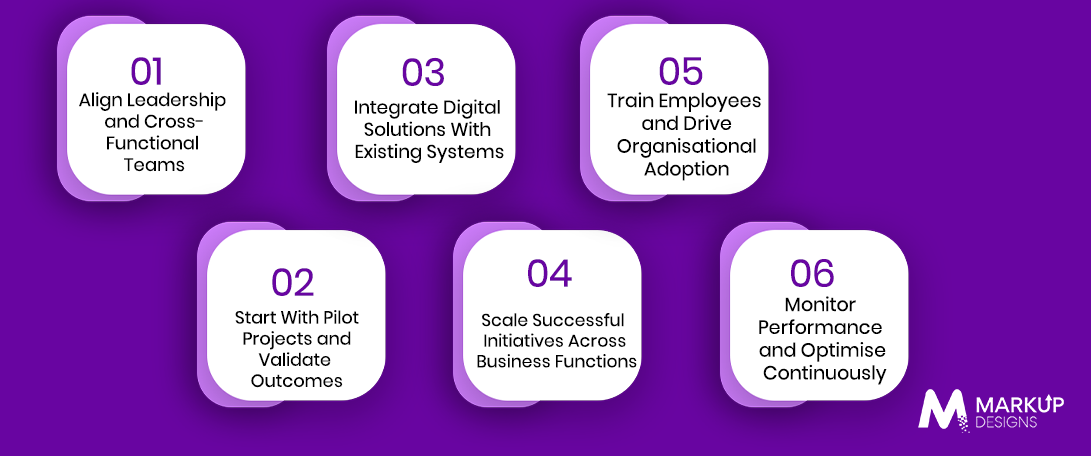
Execution involves the translation of the business’s strategies into projects and initiatives that deliver outcomes and tangible value.
Align Leadership and Cross-Functional Teams
Business leadership must reach consensus on prioritisation, budgets, and expectations before implementation. IT, operations, and finance should collaborate in the implementation process to make sure that the solutions meet organisation-wide needs.
Start With Pilot Projects and Validate Outcomes
Implementation should start with pilot projects, allowing for small-scale tests of solutions prior to implementation on a wider scale. Evaluations of performance, user feedback, and implementation challenges provide valuable insights.
Integrate Digital Solutions With Existing Systems
Where feasible, the implementation process should involve integration of digital solutions with business-critical applications and data sources. This helps avoid disruptions to ongoing business activities and minimises the creation of data silos.
Scale Successful Initiatives Across Business Functions
After the success of the pilot project, companies can scale the solution to other parts of the business. Well-documented and established processes can help simplify this task.
Train Employees and Drive Organisational Adoption
Businesses should deliver training to employees based on their specific roles and needs to increase adoption and successful usage. Adoption should be measured through actual usage, workflow improvements, and user feedback rather than training completion alone.
Monitor Performance and Optimise Continuously
Track KPIs against established baselines to evaluate progress and identify gaps. Regular reviews help businesses adjust workflows, improve system performance, and keep transformation initiatives aligned with changing needs.
What Are the Common Challenges in Digital Transformation?
Digital Transformation might encounter various obstacles that may influence the process of implementation and its potential outcome. Recognising them ahead of time enables firms to create realistic timeframes for the process and necessary mitigation strategies.
Legacy System Integration and Technical Debt
Outdated systems might not provide up-to-date interfaces or be compatible with new systems, which makes their integration difficult and expensive. Companies should carefully evaluate their modernisation options and make decisions on what to change according to the risks and future gains from it.
Budget Constraints and Unclear ROI
Costs related to unplanned integration tasks, licensing, and training expenses can exceed initial expectations. Defining expected benefits and keeping track of expenditure against the outcomes allows maintaining financial discipline.
Resistance to Organisational Change
Resistance to unfamiliar tools or to changes in current work processes might occur. Open communication and employee participation during the process could minimise negative impact.
Data Silos and Poor Data Quality
Poorly integrated systems and unreliable data make insights gained from them less valuable. Designating ownership and implementing standardised integration process will result in better quality of data.
Cybersecurity Risks and Regulatory Requirements
Implementing new technologies and integrating systems creates additional risk and regulatory requirements. Businesses should incorporate security assessments, access controls, monitoring, and applicable regulatory requirements into implementation plans.
How Much Does a Digital Transformation Strategy Cost in the UK?
Digital transformation costs vary depending on business size, existing infrastructure, project scope, and the technologies involved. A strategy focused on process automation will generally require a different investment from an enterprise-wide programme involving legacy modernisation, cloud migration, and AI integration. Businesses should evaluate the total cost of ownership rather than focusing solely on initial implementation expenses.
Factors Affecting Digital Transformation Costs
Key cost drivers include system complexity, data migration, integration requirements, software licensing, security measures, and the number of business functions involved. Custom development, regulatory requirements, and employee training can also influence the overall budget.
Consulting, Development, Integration, and Implementation Expenses
Initial expenses may include strategy consulting, technical assessments, solution design, software development, infrastructure setup, and system integration. Costs increase when projects involve multiple legacy platforms, complex workflows, or extensive data migration.
Ongoing Maintenance and Optimisation Costs
Post-launch expenses include cloud usage, software subscriptions, technical support, security updates, employee training, and performance monitoring. Businesses should allocate an ongoing budget for maintenance and improvements to ensure their digital capabilities remain secure, reliable, and scalable.
How Can Businesses Measure Digital Transformation Success?
It is important for businesses to evaluate digital transformation in terms of certain KPIs based on their initial objectives. Measurement of changes in operational efficiency, customer experience, technology adoption, and return on investment helps to understand whether investments provide measurable business value.
Operational Efficiency and Productivity Gains
Measurement of process duration, employee productivity, number of mistakes, and amount of manual labour automated shows whether digital transformation positively affects everyday business processes.
Customer Experience and Retention Metrics
Evaluation of customer satisfaction, customer retention rate, response time, and digital conversion rate can show whether digital investments make customer communication more efficient.
Revenue Growth and Costs Savings
Measurement of revenues from digital marketing, reduction of costs of operation and improvement of resource allocation provides the way to see the financial result of implementation of new technologies.
Technology Adoption and System Performance
Measurement of user activity, number of adopted features, system availability, response time, and integration performance helps to find gaps in adoption and potential technical limitations.
Return on Investment and Time to Value
Comparison of the financial benefit of the transformation project with its cost. Time to value measures how quickly the investment begins delivering practical benefits, helping businesses assess progress and prioritise future initiatives.
Which UK Compliance Requirements Should Shape Your Digital Transformation Strategy?
The UK enterprises need to incorporate considerations related to data protection, cybersecurity, and other industry-specific requirements while making plans regarding digital transformation. Compliance with regulatory standards is better achieved when built into the IT system design and implementation process.
UK GDPR and the Data Protection Act 2018
The enterprises that process personal data are required to ensure compliance with the UK GDPR and the Data Protection Act 2018. The requirements include the establishment of the lawful grounds for processing data, implementation of security measures, compliance with the data subject rights, and proper retention.
Cybersecurity and Information Security Standards
The enterprises should put in place risk-based security controls, access management, vulnerability assessments, and incident response capabilities. Applicable information security standards such as ISO 27001 could be used to build information security management systems. Applicable contract and industry-specific requirements might add other obligations.
Industry-Specific Regulatory Requirements
Industry determines the regulatory obligations of enterprises. In the case of financial services businesses, enterprises might have to take into account the requirements of the FCA and PRA, while considering the requirements of the NHS, confidentiality, and data protection obligations in the case of healthcare enterprises. Businesses should identify the rules applicable to their operations before selecting and deploying digital solutions.
How Can Markup Designs Help UK Businesses Execute Digital Transformation?
Markup Designs helps UK businesses translate digital priorities into practical technology solutions through custom software development, AI integration, cloud solutions, and enterprise system modernisation. By aligning solution architecture with business objectives, our team helps organisations improve workflows, connect existing systems, and build scalable digital capabilities. From initial planning and development to integration and ongoing optimisation, we focus on solutions that support measurable business outcomes.
Turn Your Digital Vision Into Business Results
Partner with Markup Designs to modernise systems, streamline operations, and prepare your enterprise for sustainable growth.

Conclusion
In order to have a successful digital transformation strategy, businesses should make sure that they tie their business goals with the appropriate technology choices and implementation priorities. UK enterprises must assess their digital maturity level, make system modernization steps strategically, prepare staff for changes, and comply with regulatory requirements during the process. By treating transformation as an ongoing business process rather than a one-time technology project, organisations can improve efficiency, strengthen customer relationships, and build capabilities that support long-term growth.
FAQ
What Should Be the Initial Move for Implementing Digital Transformation Strategy?
In order to implement a successful digital transformation strategy, businesses should firstly define their goals and assess their current digital capability.
How Long Does an Enterprise Digital Transformation Program Take?
The time frame for enterprise digital transformation programs depends on numerous factors including project size, complexity of system used, degree of organisational readiness and more. Short-term projects may be completed within a few months, while large-scale programs may take several years and go through different stages.
What Is the Difference Between Digital Transformation and Business Automation?
While in business automation technology is used to automate routine operations, digital transformation is a wider process that includes modification of business processes, systems, customer experience and operation models, in which automation is just a part.
Should Businesses Modernize Their Systems Prior to Using AI?
There is no need for businesses to modernize their systems in order to adopt artificial intelligence technology. It would be better for businesses to first check whether existing systems can accommodate AI capabilities in a safe and reliable way.
How do firms choose the right digital transformation partner?
Businesses should consider such criteria as industry experience, technical capabilities, integration capabilities, security approach, delivery methodology, and post-deployment services. An appropriate partner understands the business goals and provides a roadmap with measurable results.
Author's Perspective
For digital transformation to have a sustainable impact, the technology choices should be dictated by business needs rather than market trends. UK companies should focus on initiatives that solve quantifiable issues, govern well, and leverage existing capabilities wherever possible. A step-by-step approach enables companies to validate results, mitigate risks, and scale working solutions without wasting resources prematurely. It is about using technology not just for the sake of having more of it, but creating a flexible company that is efficient and capable of growing as its business evolves.
Discuss Your Project NowGaurav Goyal
Global Sales- VP
Related Posts

How Digital Transformation Is Driving Business Growth in...

Digital Transformation for Government Services in Kuwait: Key...

Why Businesses in Oman Need Digital Transformation Services
Insights Are Valuable & Execution is Priceless
You’ve read about the digital future. Now, let’s build the infrastructure to take you there. Move your strategy from the page to the product.
Design Your Solution Now
Contact Us
Schedule The Appointment At Your Convenience Date And Time.
30 Min
Web Conference
Time Zone
Indian standard time (08:30pm)

Thanks For Getting In Touch!
You’ve Taken The First Step Toward Transforming Your Digital Presence. Our Experts Will Reach Out Shortly To Take It Forward.
Launch Your Dream Project
Provide a brief overview of your project, and our specialists will evaluate your requirements. We will connect with you to explore how the right digital solutions can help you launch faster.