

In Brief
- Advanced AI systems can process large volumes of patient records, claims data, demographic information, and clinical histories, enabling healthcare providers to make faster, more informed decisions while improving administrative efficiency.
- AI-powered diagnostic tools can analyze medical images, laboratory reports, and patient data with remarkable speed and precision, supporting earlier disease detection and more effective treatment planning.
- Artificial intelligence is strengthening telehealth services by enabling virtual consultations, automated patient support, symptom assessment, and remote care delivery, making healthcare more accessible and convenient for patients across the UAE.
- By identifying patterns and potential health risks before symptoms become severe, AI helps healthcare providers intervene earlier, reduce complications, minimize hospital readmissions, and lower overall treatment costs.
- From intelligent scheduling and resource management to automated workflows and personalized patient engagement, AI-powered solutions are helping healthcare organizations improve efficiency while delivering a more seamless and patient-centric healthcare experience.
The digital transformation of the healthcare industry is happening now in the UAE, with Artificial Intelligence at the forefront of this shift, transforming how patients receive care. The UAE’s goal of becoming a worldwide leader in innovation and excellence in healthcare has meant that hospitals, clinics, and other healthcare providers have started incorporating AI-focused solutions into their everyday functions.
AI allows healthcare organisations to provide faster, safer, and more efficient care than ever before; AI helps the healthcare system detect diseases earlier, remotely monitor patients, create personalised treatment plans, manage hospitals intelligently, and more. As patient expectations change, healthcare organisations will increasingly invest in technology to improve their overall results and make more efficient use of their resources.
In this article, we will discuss how AI-driven healthcare is changing patient care throughout the UAE, what providers should focus on when looking to add AI into their business practices, and why organisations must embrace the use of AI to remain competitive in the coming years.
The Emergence of AI Within UAE Healthcare
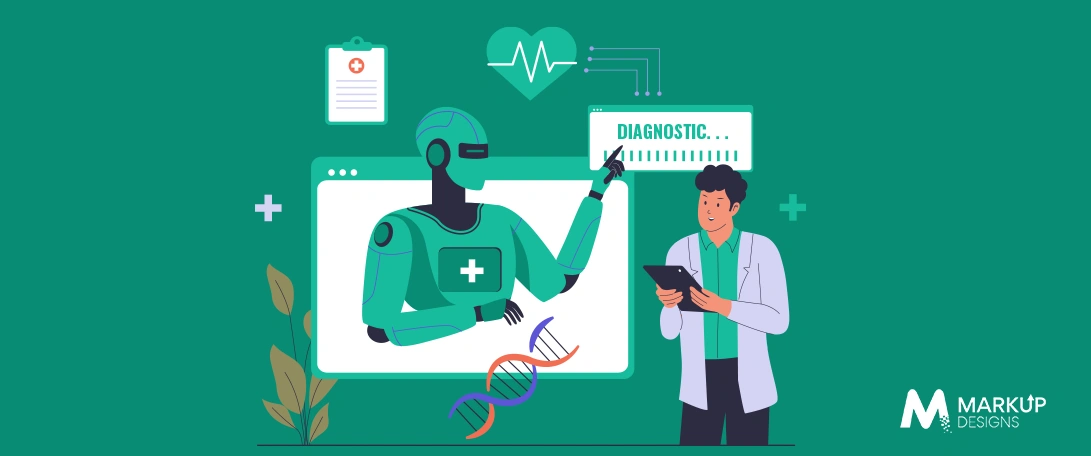
In the UAE, there are many cutting-edge technologies & processes being used within the medical field: the UAE has also created itself as one of the leading regions in technological advancement & implementation. The UAE’s commitment to initiatives like the UAE National Strategy for Artificial Intelligence 2031 and various smart healthcare programs encourages all healthcare providers in the UAE to adopt new methods of doing business through technology.
AI is not seen as an experiment any longer, but instead, a viable option for a cost-effective way to enhance services provided in the healthcare field. AI has numerous uses in today’s healthcare sectors; technologies are being used in these areas to significantly improve the services provided to both patients and providers.
AI’s most precise method of diagnosing illness
One of the most effective places that AI has been utilized in healthcare is in diagnostic assistance. In just seconds, advanced algorithms developed through artificial intelligence can review medical images, labs, and patients’ records, identifying diseases with precision and in advance of what has previously occurred. The use of AI to review vast quantities of clinical data has cut down on the amount of time between diagnosis and treatment and has also substantially aided in healthcare professionals’ patient-based decision-making.
In particular, AI has improved the ability to diagnose diseases such as cancer, heart disease, diabetes, and respiratory disorders and when the diagnosis is earlier, there are more chances of successful treatment. With the use of AI technology, healthcare providers are improving treatment plans, reducing the chance of human error, improving outcomes for patients, and enhancing the overall efficiency of the clinical environment in which they work.
Enhancing Telemedicine and Virtual Healthcare
Telemedicine’s use in the United Arab Emirates is on the rise and is being improved with the increased cooperation and capabilities of artificial intelligence applications. AI-enabled virtual assistants and healthcare chatbots are used by healthcare providers to schedule appointments, evaluate patients’ symptoms, remind patients about medication, and help patients with follow-up care activities.
Intelligent systems are becoming the norm in healthcare to provide organizations with 24/7 support while decreasing the burden on administrative and clinical staff. For patients living in rural areas or those needing constant monitoring, telemedicine using AI technology provides greater convenience, easier access to service, and a more integrated experience.
AI Drives Personalized Medicine
Each patient has different health issues, and AI is assisting providers with taking care of patients as opposed to providing standardized treatment options. Analyzing an individual’s medical history, genetic data, health habits, and medication reactions, AI can provide a unique treatment recommendation that fits each individual’s situation.
Data-driven approaches help health professionals come up with the best way to treat their patients while minimizing unwanted side effects and fostering a satisfied patient experience. As Precision Medicine continues to develop rapidly, AI will serve as a new mechanism to deliver personalized healthcare to maximize the quality of care and improve overall long-term health.
Preventative Healthcare with AI
Traditional healthcare systems focus on treating illness after it ocurred but AI is changing this method by allowing for preventative medicine through the use of predictive analytics. Since the advent of predictive analytics, AI will be able to identify indicators of future medical problems by reviewing a patient’s documented health records, historical health trends, and prior history of healthy living. Artificial intelligence has the ability to process data in real-time. By analyzing this data for abnormal trends or potential health issues, AI can help identify these issues before they become serious medical conditions, which allows healthcare providers to react before any major issue takes place.
Particularly for patients with chronic conditions like diabetes, high blood pressure, or cardiovascular diseases, remote patient monitoring will help manage their health long-term while minimizing trips to the hospital. As a result, remote patient monitoring provides improved patient outcomes, convenience, and enhances a more connected experience with the healthcare system.
Real Also: Healthcare App Development Cost in 2026: Features, Pricing & Hidden Factors
AI-Powered Remote Patient Monitoring
The adoption of wearable devices and connected healthcare technologies is transforming the way patients are monitored across UAE. AI-powered remote patient monitoring solutions enable healthcare providers to continuously track vital health indicators such as heart rate, blood pressure, blood glucose levels, oxygen saturation, and physical activity in real time.
By analyzing this data continuously, artificial intelligence can identify unusual patterns or early warning signs that may indicate a developing health issue. This allows healthcare professionals to intervene sooner, adjust treatment plans proactively, and reduce the likelihood of serious medical complications.
Remote patient monitoring is particularly valuable for individuals living with chronic conditions such as diabetes, hypertension, cardiovascular diseases, and respiratory disorders. Rather than relying solely on periodic hospital visits, healthcare providers can maintain ongoing visibility into a patient’s health status, improving both patient outcomes and overall quality of care.
As UAE continues to embrace digital healthcare innovation, AI-powered monitoring technologies are expected to play an increasingly important role in supporting preventive care, reducing hospital admissions, and enhancing patient convenience.
Rise of AI and Smart Hospitals
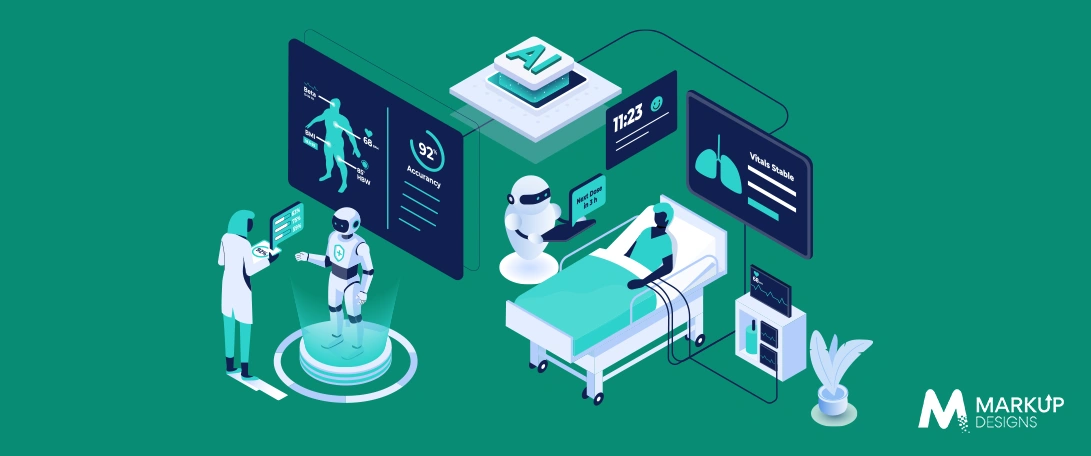
Artificial intelligence is not only transforming patient care but also revolutionizing hospital operations. Across the UAE, healthcare providers are investing in smart hospital technologies that improve efficiency, optimize resource utilization, and enhance the overall patient experience.
AI-powered systems can automate numerous administrative and operational tasks, including appointment scheduling, patient admissions, bed allocation, workforce management, billing processes, and medical record administration. These technologies help reduce manual workloads, minimize errors, and improve workflow efficiency throughout healthcare facilities.
In addition, AI enables healthcare organizations to better manage resources by analyzing patient demand, predicting peak service periods, and optimizing staffing levels. This allows hospitals to deliver more efficient services while maintaining high standards of patient care.
As smart hospital initiatives continue to expand, healthcare providers can improve operational performance, reduce costs, and create more seamless healthcare experiences for patients and medical professionals alike.
Real-World AI Healthcare Success Stories in the UAE
The UAE has become a regional leader in healthcare innovation, with several organizations already demonstrating the practical value of artificial intelligence in patient care.
One notable example is NABIDH (Network and Analysis Backbone for Integrated Dubai Health), a city-wide health information exchange initiative that enables secure sharing of patient information among healthcare providers. By improving access to patient data and supporting data-driven decision-making, NABIDH helps enhance care coordination and treatment outcomes.
Healthcare organizations such as Fakeeh University Hospital have also adopted advanced digital health technologies, including remote patient monitoring solutions that enable continuous care beyond traditional clinical settings. These innovations help physicians monitor patients more effectively while providing greater convenience and accessibility.
In addition, leading healthcare technology companies in the UAE are leveraging artificial intelligence for medical imaging analysis, predictive analytics, and clinical decision support. These advancements are helping healthcare professionals diagnose conditions earlier, improve treatment planning, and deliver more personalized care to patients.
These examples demonstrate how AI is moving beyond theory and becoming an essential component of modern healthcare delivery throughout the UAE.
Challenges Healthcare Providers Must Consider When Implementing AI
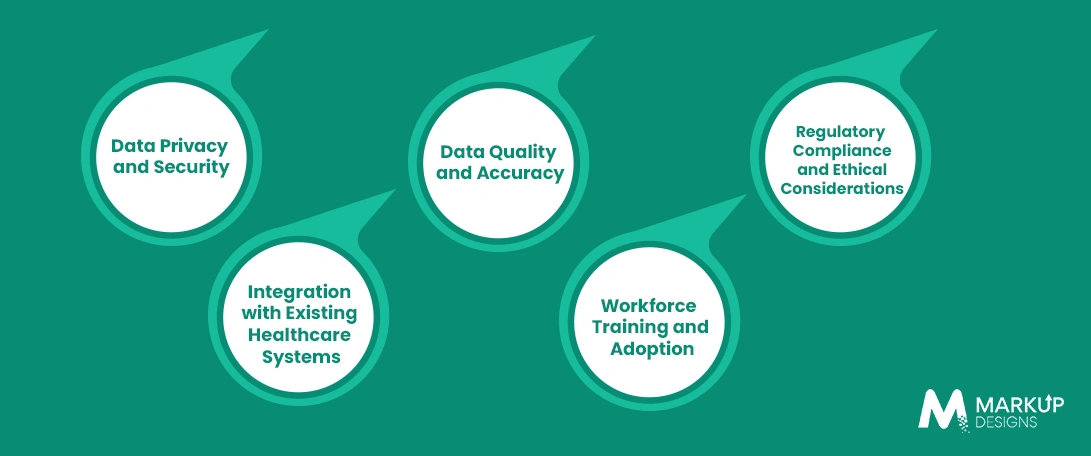
While the benefits of artificial intelligence in healthcare are significant, successful implementation requires careful planning and consideration of several important challenges.
Data Privacy and Security
Healthcare organizations manage vast amounts of sensitive patient information, making data protection a critical priority. When implementing AI solutions, providers must ensure compliance with healthcare regulations and adopt robust cybersecurity measures to safeguard patient records. Maintaining the confidentiality, integrity, and security of healthcare data is essential for building trust and ensuring regulatory compliance.
Integration with Existing Healthcare Systems
Many healthcare providers continue to rely on legacy infrastructure and outdated systems that may not be designed to support advanced AI technologies. Integrating AI solutions with existing Electronic Health Records (EHRs), hospital management systems, and clinical workflows can be complex and resource-intensive. A well-planned integration strategy is necessary to ensure seamless adoption and minimize operational disruptions.
Data Quality and Accuracy
The effectiveness of AI depends on the quality of the data it analyzes. Inaccurate, incomplete, or inconsistent healthcare data can lead to unreliable insights and poor decision-making. Healthcare organizations must establish strong data governance practices, standardize data collection processes, and maintain high-quality datasets to maximize the value of AI-powered solutions.
Workforce Training and Adoption
The successful implementation of AI requires healthcare professionals to understand and effectively use AI-powered tools. Without proper training, staff may be hesitant to adopt new technologies or may not utilize them to their full potential. Providing education, training, and ongoing support helps ensure that AI enhances clinical decision-making rather than creating operational challenges.
Regulatory Compliance and Ethical Considerations
Healthcare providers must ensure that AI solutions comply with local healthcare regulations, data protection laws, and ethical standards. As AI increasingly influences clinical decisions and patient care, organizations must prioritize transparency, accountability, and fairness to ensure responsible and trustworthy implementation.
Additionally, healthcare professionals require adequate training to effectively utilize AI-powered tools. AI should be viewed as a support mechanism that enhances clinical decision-making rather than a replacement for human expertise.
Organizations that address these challenges strategically will be better positioned to maximize the benefits of AI while ensuring safe, compliant, and sustainable implementation.
The Future of AI in UAE Healthcare

The future of healthcare apps is expected to be increasingly intelligent, connected, and patient-centric. As artificial intelligence technologies continue to evolve, healthcare providers will gain access to even more sophisticated tools that enhance patient care and operational efficiency.
Emerging innovations such as generative AI, advanced clinical decision support systems, predictive health platforms, and personalized medicine solutions are expected to transform the healthcare landscape further. These technologies will help healthcare professionals analyze complex medical information more effectively, improve diagnostic accuracy, and develop highly individualized treatment strategies.
Artificial intelligence will also play a key role in expanding preventive healthcare by identifying health risks earlier and enabling proactive interventions before serious conditions develop. Combined with advances in remote monitoring and digital health ecosystems, AI will contribute to a more accessible and responsive healthcare system.
As the UAE continues its investment in healthcare innovation and digital transformation, artificial intelligence will remain a driving force behind the development of smarter healthcare services and improved patient outcomes across the country.
Providing Patients with Excellent Experiential Healthcare
Patient experiences and expectations have significantly changed over recent years towards wanting their healthcare experience to be quicker, more personalized and more convenient. They expect responses from their physician’s office to their inquiries to be timely; they expect their time spent interacting with a provider to be meaningful and tailored to their individual needs; they expect easy access to the healthcare system; and they expect seamless communication during their entire healthcare experience.
Healthcare providers can assist patients in achieving their expectations through the use of artificial intelligence, which facilitates better patient engagement, provides streamlined communication methods, and helps deliver more timely healthcare experiences. Using AI, healthcare providers can assist patients throughout all phases of their healthcare experience, including scheduling appointments, seeing their provider virtually, receiving follow-up services, and providing ongoing health assessments.
Creating personalized and efficient interactions will allow healthcare companies to build better relationships with patients, improve satisfaction, develop lasting trust, and ultimately produce improved clinical outcomes.
Markup Designs Can Change How Healthcare is Provided
Implementing AI successfully goes beyond technology alone; you also need a solid strategy, the right experts to help, and effective execution. Markup Designs can help healthcare companies harness the power of artificial intelligence (AI) to develop better patient care, streamline processes, and achieve long-term digital change.
Markup Designs specializes in developing intelligent healthcare solutions to meet the healthcare industry’s unique needs, whether building custom AI-based healthcare solutions, creating telehealth platforms, implementing predictive analytics, modernizing legacy systems, integrating electronic health records (EHR), or building cloud ecosystems for your healthcare organization. Markup Designs creates secure, scalable, and ready-for-the-future solutions for the healthcare industry.
As we combine our experience in the healthcare industry with our knowledge of advanced technology, we help companies enhance their ability to make decisions, increase patient engagement, optimize workflow, and generate valuable insights from healthcare data.
We work closely with clients throughout the entire process of developing their systems to ensure that our solutions will meet their operational goals, comply with regulations, and achieve long-term growth.
Transform Healthcare using Artificial Intelligence
Empower your healthcare organisation through innovative, intelligent solutions focused on patients and built to meet future needs. Leverage Markup Designs technical expertise in the design, development, and deployment of creative and innovative, artificial intelligence (AI)-driven healthcare applications that will improve patient outcomes, streamline workflow, and improve your patient experience.
Conclusion
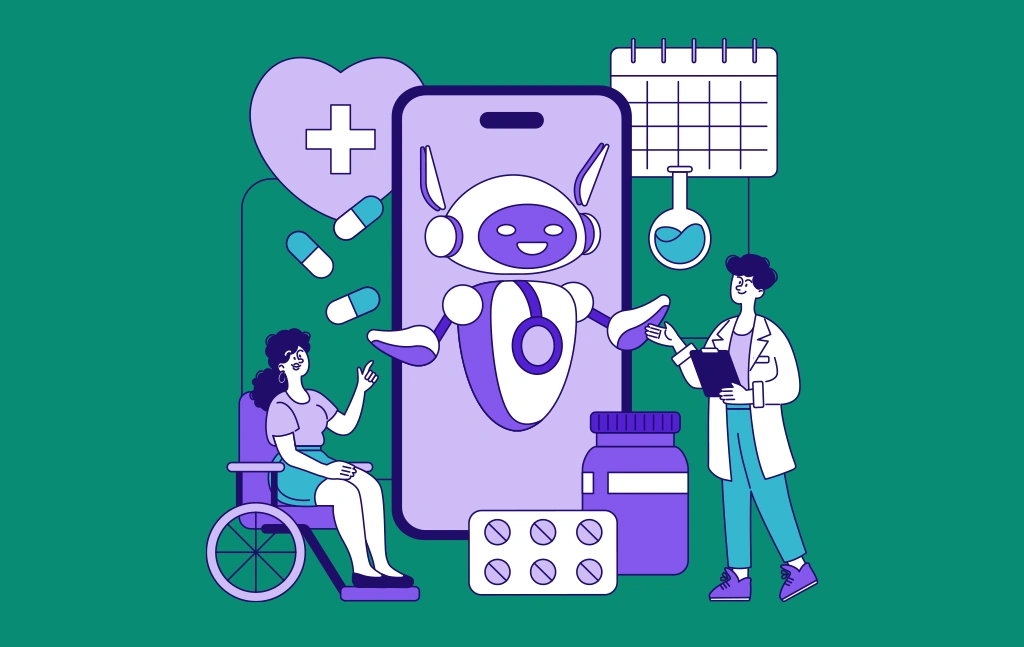
Artificial intelligence (AI) is transforming the way healthcare organisations provide medical care through more accurate diagnostics, predictive analytics, telemedicine, and tailored healthcare treatment plans. AI technology can help healthcare providers deliver more effectively and efficiently, improve patient experience, and achieve improved health outcomes for their patients.
As the digital transformation in healthcare organisations continues to evolve, the investment in AI-based solutions and technology will be critical for healthcare organisations to maintain a competitive advantage and to provide exceptional patient care.
The future of healthcare in the UAE is connected, intelligent, and patient-centric, and the future of healthcare is making these things happen with AI technology.
FAQs
1. How is AI Used in UAE Healthcare?
Artificial intelligence (AI) is being implemented in UAE healthcare through improved diagnostics, telemedicine, predictive analytics, individualised treatment plans, remote patient monitoring and the automation of hospitals to improve patient care and increase outcomes for patients.
2. What are the Benefits of AI to Healthcare Providers?
Artificial intelligence improves the accuracy of diagnostics, reduces the costs associated with operations, enhances the quality of patient experience, assists in providing preventive care, and facilitates providing more individualised treatment plans.
3. Will AI take over the jobs of Healthcare Professionals?
No, the purpose of AI is to assist the Healthcare Professionals in their jobs by helping to automate repetitive routines and assist in decision making by providing clinical information.
4. How does AI positively impact Patient Care?
AI positively impacts patient care by providing faster and more accurate diagnosis of conditions, customized treatment recommendations, continuous monitoring of patients, predictive insight into patients’ health, and making it more efficient for patients to receive healthcare.
5. Can Healthcare Organizations customize AI solutions?
Yes, Healthcare Organizations can customize their AI solutions based on the organization’s goals, the needs of their patients, the workflow required by their clinicians, and the compliance requirements, as well as existing healthcare systems used.
6. How can Healthcare Organizations benefit from partnering with Markup Designs?
Markup Designs provides a wealth of knowledge and experience regarding healthcare technology, AI, and healthcare organizations. It would also provide assistance around telemedicine, software development, and other forms of digital transformation that will help those organizations to achieve measurable business and patient care success.
Author's Perspective
Artificial Intelligence (AI) is already a delivery mechanism for patient-related treatment in the present-day healthcare system, rather than only for the future. In the UAE, physicians have begun to think of AI as more than just automating existing workflows; rather, it can also provide quicker diagnostic results, allow for preventive care to be delivered earlier in a patient’s lifespan, and provide patients with personalized care before they develop major problems.
In my opinion, the most profound impact of AI in the delivery of healthcare services will be shifting from a reactive-oriented treatment model toward a preventive-oriented treatment model. With the analysis of large amounts of clinical data on all of their patients, healthcare organizations can identify those at risk for developing a particular ailment prior to that person becoming severely ill, thereby providing healthcare professionals with the opportunity to intervene earlier, resulting in positive health outcomes.
Discuss Your Project NowJupinder Singh Arora
Founder and CEO
Related Posts
Hiring an AI Development Partner in the UK:...
10 AI Innovations Transforming the UK Healthcare Industry...
AI Chatbots in Banking: Enhancing Customer Experience Through...
Insights Are Valuable & Execution is Priceless
You’ve read about the digital future. Now, let’s build the infrastructure to take you there. Move your strategy from the page to the product.
Design Your Solution Now
Contact Us
Schedule The Appointment At Your Convenience Date And Time.
30 Min
Web Conference
Time Zone
Indian standard time (08:30pm)

Thanks For Getting In Touch!
You’ve Taken The First Step Toward Transforming Your Digital Presence. Our Experts Will Reach Out Shortly To Take It Forward.
Launch Your Dream Project
Provide a brief overview of your project, and our specialists will evaluate your requirements. We will connect with you to explore how the right digital solutions can help you launch faster.