
In today’s digital-first world, establishing a strong online presence is no longer optional-it’s essential for businesses of every size. Whether you’re launching a startup, expanding an existing business, or introducing a new digital product, one of the first strategic decisions you’ll face is choosing between mobile app development and web development. While both solutions help businesses connect with customers online, they serve different purposes and deliver distinct business outcomes.
Many business owners assume that a mobile app and a website offer similar value because they both provide digital access to products and services. However, selecting the wrong platform can lead to unnecessary development costs, delayed market entry, lower customer engagement, and missed growth opportunities. The right choice depends on several factors, including your target audience, business objectives, budget, required features, and long-term digital strategy.
For example, businesses that rely on frequent customer interactions, personalized experiences, or offline functionality often benefit more from a mobile application. On the other hand, companies focused on reaching a broader audience, improving online visibility, and generating organic traffic may achieve better results with a responsive website.
In this post, we’ll compare mobile app development and web development across key factors such as cost, performance, user experience, scalability, ROI, and ideal business use cases, helping you make an informed decision for your business.
Why Does It Matter for Your Business?
Choosing between mobile app development and web development is more than a technical decision-it directly impacts how customers interact with your business and how effectively you achieve your growth goals. Each option offers unique advantages depending on your target audience, budget, and business objectives.
A website helps your business build a strong online presence, reach a wider audience, and attract potential customers through search engines. It is ideal for increasing brand visibility, generating leads, and providing easy access to information across multiple devices.
In contrast, a mobile application focuses on delivering a personalized user experience through features such as push notifications, offline access, and seamless interaction, helping businesses improve customer engagement and long-term retention.
Before making a decision, evaluate your business goals, customer behavior, required features, and future growth plans. Choosing the right platform can maximize your return on investment (ROI) while creating a better experience for your customers.
What is Mobile Application Development?
Mobile app development can be defined as the creation of applications for use on mobile devices such as smartphones and tablets. Apps can be developed for operating systems such as Android and iOS.
Unlike web pages, which can be accessed from a browser, mobile applications can be directly downloaded onto a user’s smartphone or tablet device. This enables businesses to communicate with their customers more effectively using features such as push notifications, offline functionality, and easy access to smartphone hardware features, including camera and GPS.
To business owners, mobile applications are not just software; they are marketing platforms. They provide great exposure for your brand and enable you to develop strong connections with your customers
Types of Mobile Apps
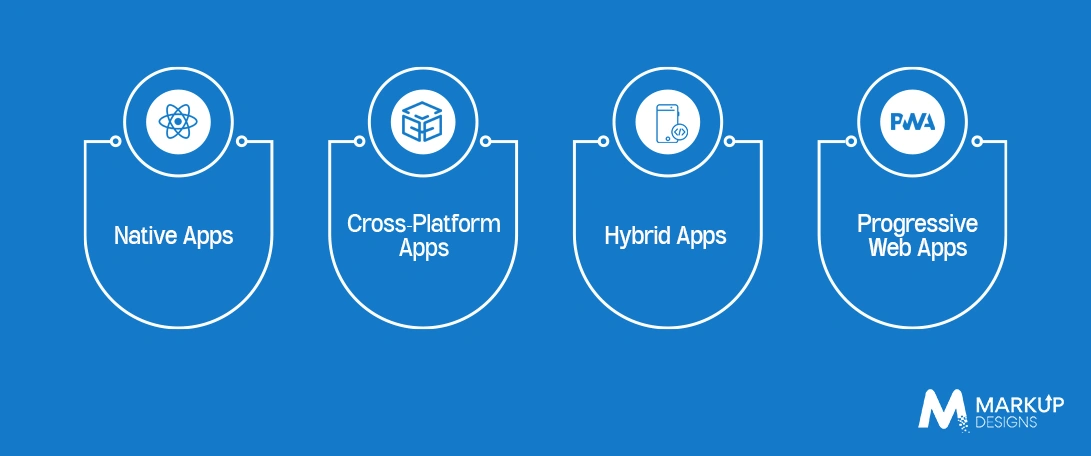
Mobile apps can be divided into several categories depending on specific business needs:
Native Apps
- Designed for a particular platform (Android, iOS)
- Offer high performance and usability
- Best suited for advanced applications
Cross-Platform Apps
- Developed once but deployable on various platforms
- Rapid development and reduced expenses
- Recommended for startups and minimum viable products (MVPs)
Hybrid Apps
- Combination of web and native app characteristics
- Developed using web programming languages but packaged as apps
- Economical but could suffer from poor performance
Progressive Web Apps (PWAs)
- Web applications that emulate mobile apps
- Do not require installation
- Increasingly popular among budget-conscious companies
Key Features of Mobile Apps
Mobile applications have special advantages that make them very useful in business growth:
Push Notifications
- One-way communication to the end-user
- Increases engagement and retention
Ability to work offline
- User access is not dependent on internet connectivity
- Very useful for mobility
Integration with Device Features
- Access to camera, GPS, contacts, and sensors
- Gives the ability to use sophisticated features such as location-based services
Performance
- Improved loading times and user interaction
- User satisfaction improves
Personalization
- Content customized for each user
- Increases customer satisfaction and loyalty
What is Web Development?
Web development involves the creation of web-based sites or applications that can be accessed via browsers such as Chrome, Safari, or Edge. As opposed to mobile applications, web applications do not have to be installed by users. They can be accessed immediately via an internet browser on any device connected to the Internet.
In business organizations, web development becomes the backbone of digital marketing activities. It can be seen as the starting point of marketing for a company since the web application is usually the place at which prospective clients get their first impression of the product or brand.
The great advantage of web applications is their flexibility. Updates to the site can be done instantaneously without the need for the user to download any additional content.
Types of Web Apps
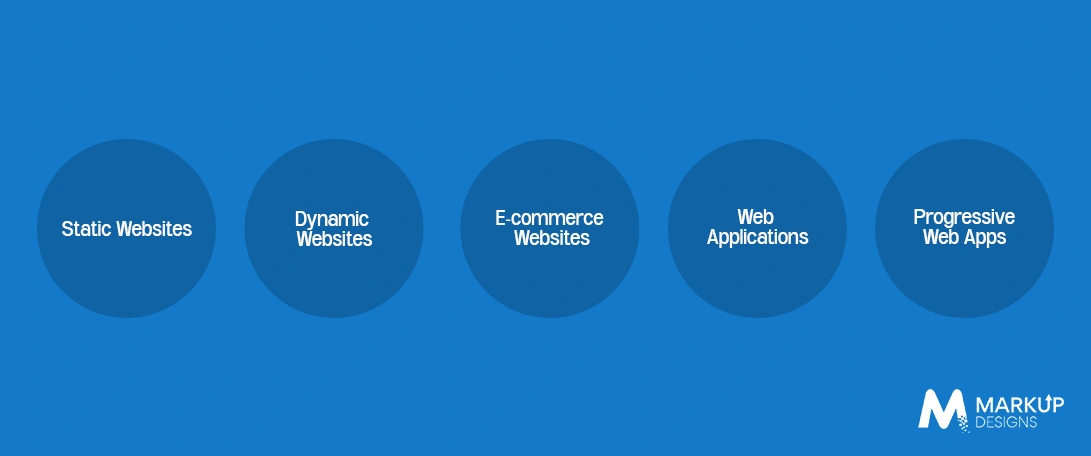
There are various types of applications in web development according to the requirements of the business:
Static Websites
- Sites with static information with little interaction
- Useful for portfolios and other informational sites
Dynamic Websites
- Information depends on the user interaction on the site
- Suitable for blogging websites and other dashboard sites
E-commerce Websites
- Websites designed for online sales
- Consists of payment gateways, product catalogues, etc.
Web Applications
- Application sites like software-as-a-service and booking portals
- Provide advanced features just like mobile applications
Progressive Web Apps (PWAs)
- Work like mobile applications, but are web applications
- Faster and more responsive
Key Features of Web Applications
The following benefits of web applications justify their importance to business operations:
Compatibility with Multiple Platforms
- Accessible from any device equipped with an internet browser
- Does not require particular operating systems
No Requirement for Installation
- Accessible right away from a link
- Increases the ease of onboarding the user
Immediate Changes and Maintenance
- Updates immediately affect all users
- Not required to manually update
Search Engine Optimization
- Capable of ranking in search engines
- Facilitates the attraction of organic traffic
Affordable Development Costs
- Inexpensive in comparison to the development of applications
- Quick deployment and implementation
Mobile App vs Web Development: Key Differences
Choosing between mobile app development and web development becomes easier when you understand how they differ. While both help businesses establish a digital presence, they serve different purposes and offer unique advantages. Here’s a comparison of the key differences.
Development Process
Mobile App Development:
Mobile apps are built specifically for platforms like Android and iOS. The development process includes designing, coding, testing, and publishing the app on app stores. Developers must also follow platform-specific guidelines before the app is approved for release.
Web Development:
Websites and web applications are developed using a single codebase that works across modern web browsers. Since there is no app store approval process, updates can be deployed instantly.
Cost
Mobile App Development:
Building a mobile app generally requires a higher investment, especially when separate versions are developed for Android and iOS. Additional costs may also include app store compliance, testing, and ongoing maintenance.
Web Development:
Web development is usually more cost-effective because a single website can be accessed across multiple devices without building separate versions for different platforms.
Time to Market
Mobile App Development:
Launching a mobile app usually takes more time due to platform-specific development, testing, and the app store review process. Future updates may also require approval before they become available to users.
Web Development:
Websites can be developed and launched much faster since they do not require app store approval. Businesses can also make updates instantly whenever needed.
Performance and Speed
Mobile App Development:
Mobile apps deliver excellent performance because they are designed specifically for smartphones and tablets. They can efficiently use device hardware, providing faster loading times and smoother user experiences.
Web Development:
Web applications depend on browser performance and internet connectivity. Although modern websites are fast and responsive, they may not perform as efficiently as native mobile apps.
User Experience (UX)
Mobile App Development:
Mobile apps offer a more personalized and engaging experience through features such as push notifications, offline access, and seamless navigation. These capabilities help improve customer satisfaction and retention.
Web Development:
Websites provide a consistent experience across different devices and browsers. They are ideal for users who want quick access to information without downloading an application.
Reach and Accessibility
Mobile App Development:
Users must first download and install a mobile app before using it. However, once installed, apps provide convenient access and encourage long-term customer engagement.
Web Development:
Websites are instantly accessible through any web browser on desktops, tablets, or smartphones. This makes them an excellent choice for businesses looking to reach a wider audience quickly.
Still Unsure Whether You Need a Mobile App or a Website?
Choosing the right platform doesn’t have to be complicated. Our development experts analyze your business goals, customer behavior, budget, and long-term growth plans to recommend the most suitable digital solution.
Mobile App vs Web Development: Stats & Real-World Examples
The distinction between mobile apps and web apps is best understood through statistics and actual practice in business organizations.
Key Industry Statistics
- More than 88% of the time spent using mobile devices is done using mobile apps, whereas less than 12% using web browsers.
- 3x as much time is spent using mobile apps than on mobile websites.
- Conversion rates on mobile apps are 2-3 times more than those of websites, particularly in eCommerce.
- 70% of traffic on the internet originates from mobile devices.
- Conversion rates can be boosted by up to 36% by using progressive web apps over standard websites.
Real-World Examples
- E-commerce (Amazon): Both the web interface and the mobile application play key roles in Amazon’s strategy. Search drives the acquisition of new customers through the web interface, whereas one-click ordering and personalized recommendations drive repeat purchases through the mobile app.
- Food Delivery (Zomato/Swiggy): Mobile applications are crucial for these services because they provide features such as live tracking, push notifications, and fast re-ordering that increase user engagement.
- SaaS Platforms (Dropbox): Dropbox was originally a web-based service designed to reach a broad customer base and later expanded to mobile apps for better usability.
- Content Platforms (YouTube): Even though YouTube content can be accessed through its web portal, users prefer accessing their content using the mobile application.
It is important for successful businesses to develop both web interfaces and mobile apps depending on their business models and audience habits.
Pros and Cons of Mobile App Development
Mobile app development offers several advantages for businesses looking to improve customer engagement, deliver personalized experiences, and build long-term relationships with users. However, like any technology investment, it also comes with certain challenges. Understanding both the benefits and limitations can help you make an informed decision.
Pros of Mobile App Development
- High Performance and Speed:
Mobile apps are designed specifically for Android and iOS devices, allowing them to deliver faster performance, smoother navigation, and a better overall user experience.
- Better Customer Engagement:
Features like push notifications, in-app messaging, and personalized content help businesses stay connected with users and encourage repeat interactions.
- Offline Functionality:
Many mobile apps can continue to provide essential features even without an internet connection, improving convenience for users.
- Access to Device Features:
Mobile apps can use built-in device capabilities such as the camera, GPS, microphone, fingerprint scanner, and other sensors to deliver advanced functionality.
- Stronger Brand Visibility:
Once installed on a user’s device, the app remains visible on the home screen, increasing brand recognition and encouraging regular usage.
Cons of Mobile App Development
- Higher Development Cost:
Building separate applications for Android and iOS or developing advanced features generally requires a larger investment.
- Longer Development Timeline:
Mobile app development involves planning, coding, testing, and app store approval, making the overall process more time-consuming.
- App Store Approval Requirements:
Apps must meet the guidelines of Google Play Store and Apple App Store before they can be published or updated.
- Ongoing Maintenance:
Regular updates are required to maintain security, fix bugs, improve performance, and ensure compatibility with new operating system versions.
- User Download Requirement:
Unlike websites, users must download and install the application before they can start using its features.
Pros and Cons of Web Development
Web development is a popular choice for businesses looking to establish an online presence quickly and reach a broader audience. While websites are generally easier and more affordable to build, they also have certain limitations compared to mobile applications.
Pros of Web Development
- Easy Accessibility:
Websites can be accessed instantly through any web browser without requiring users to download or install anything.
- Lower Development Cost:
A single website works across multiple devices and browsers, reducing development and maintenance expenses.
- Quick Deployment:
Businesses can launch websites faster than mobile apps and publish updates instantly whenever required.
- Simple Maintenance:
Website updates are applied immediately on the server, allowing every visitor to access the latest version without manual updates.
- Better Search Engine Visibility:
Websites can be optimized for search engines, helping businesses attract organic traffic, generate leads, and improve online visibility.
Cons of Web Development
- Limited Access to Device Features:
Although modern web technologies support some device features, websites still have limited access compared to native mobile applications.
- Internet Dependency:
Most web applications require a stable internet connection to function properly.
- Performance Limitations:
Website performance depends on browser capabilities, internet speed, and server response time, which may affect the overall user experience.
- Lower Customer Engagement:
Websites generally offer fewer engagement features than mobile apps, making it more challenging to build long-term customer loyalty.
- Security Risks:
Without proper security measures, web applications may be vulnerable to cyber threats, making regular updates and security monitoring essential.
When Should You Choose Mobile App Development?
The development of mobile applications is the right path to take when your organization emphasizes creating a user experience that is high on engagement, personalization, and performance. Mobile applications are well-suited to organizations that seek to develop relationships with their users and provide sophisticated features.
Best Use Cases
- High Frequency of User Engagement: When your organization needs frequent user interaction, such as on social networking platforms, fitness trackers, or gaming applications, you should go for an app.
- Personalized Experience Required: With applications, you can provide personalized user experiences according to their behavior, preferences, and geographical location; hence, they are suitable for eCommerce and service providers.
- Requirement of Offline Capability: If your organization’s target audience requires offline access (e.g., travel guides and note-taking tools), a mobile app would be very beneficial.
- Device Features Utilization: Businesses that leverage device features such as GPS, cameras, and notifications will get significant advantages from mobile applications.
- Customer Loyalty Strategy: When your objective is to engage with users more often and retain customers, applications are ideal because of their push notification capability and engagement features.
When Should You Choose Web Development?
The ideal situation for developing your application on the Web is when the ability to reach a greater audience fast is more important than any other parameter.
Best Use Cases
- Reach a Greater Audience: A website provides full accessibility without downloading the content to a specific device.
- Small Budget: Developing a web application may be a better solution for companies who cannot afford to spend money on mobile app development.
- Launch Your App Quickly: If you have to deploy a product fast, web applications are faster to develop.
- Platform with a Lot of Content: Blogs, informative websites, service websites are better suited for developing as Web applications.
- No Complex Features Needed: For simple applications with no special functions, a Web app will suffice.
Cost Breakdown: Mobile App vs Web Development
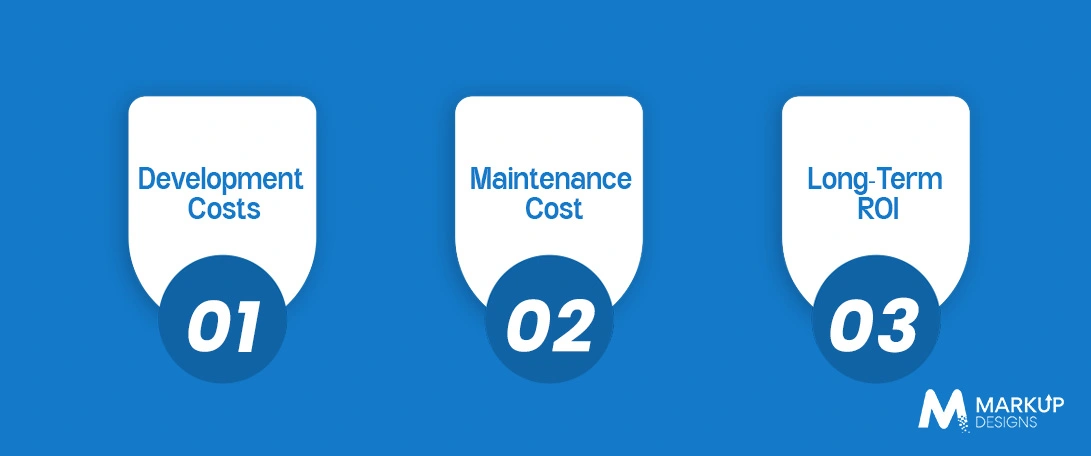
It becomes necessary to know about the cost difference between mobile app and web development. It will make you understand how much money you need to spend in either of the two options.
Development Costs
Mobile App Development: Development of simple mobile apps requires an investment of $10,000-$50,000, while the cost of complex mobile apps can be. Mobile apps are costly as they require separate development for Android and iOS.
Web Development: In the case of web development, the cost of developing a simple website varies from $3,000 to $15,000, whereas advanced web applications may cost $20,000-$50,000.
Maintenance Cost
Mobile App Development: For a mobile application, it generally costs around 15-25 percent of the cost of development each year. It includes costs related to app updates, bug fix, servers, and compatibility with changes in the operating system.
Web Development: For web development, it costs around 10-15 percent of the initial cost of development each year, since it is easy to update and requires less maintenance as compared to mobile applications.
Long-Term ROI
Mobile App Development: For mobile application development, although there is a high cost associated with it, it provides 2-3 times more user engagement and retention, which leads to high ROI due to subscriptions, in-app purchases, and re-visits.
Web Development: For web development, return on investment can be generated in the form of traffic and leads through SEO, which helps businesses to grow at a moderate rate.
Hybrid Approach: Should You Build Both?
For businesses planning long-term growth, combining a website and a mobile app is often the most effective strategy. Instead of choosing one over the other, many successful companies use both platforms to maximize their reach, improve customer engagement, and support future expansion. A website helps attract new visitors, while a mobile app strengthens customer relationships through a more personalized experience.
Website + Mobile App Strategy
Many businesses start with a website to establish their online presence, attract potential customers, and validate their business idea. As the business grows and user engagement increases, they invest in a mobile app to offer advanced features, improve customer retention, and create a seamless user experience.
Progressive Web Apps (PWAs)
Progressive Web Apps (PWAs) combine the accessibility of a website with the functionality of a mobile app. They provide fast loading, responsive design, and app-like experiences directly through a web browser without requiring users to install an application, making them a cost-effective option for many businesses.
Scalability and Long-Term Growth
Using both a website and a mobile app allows businesses to reach a wider audience while meeting different customer needs. This hybrid approach supports business growth, improves user experience, increases customer loyalty, and creates multiple opportunities to generate leads, conversions, and long-term revenue.
Need Help Choosing Between a Website and an App?
Our development specialists evaluate your business requirements, target audience, and budget to recommend the ideal digital solution that maximizes customer engagement, ROI, and long-term scalability.

How to Decide the Right Option for Your Business
Selecting mobile apps or web development should be based on your business objectives, target audience, and financial capacity. Rather than being swayed by fads, choose the path that yields the highest returns for your clients.
- Financial Implication: Web development is more cost-effective than mobile application development if you have low budget constraints. Mobile applications are expensive but are more effective for engaging customers in the long run.
- Target Audience: Identify the platforms where your audience spends most of their time. For users who are more inclined towards browsing sites through their browser, web development suffices. Conversely, a mobile application suits users who use their smartphones regularly and seek personalized services.
- Business Objectives: Web development is appropriate for creating brand recognition and generating leads. On the other hand, mobile apps suit objectives such as customer retention and fostering loyalty.
- Growth Strategy: Most companies kick off their operations using websites and subsequently move to mobile application development after proving their concept.
Common Mistakes to Avoid
Taking precautions against these mistakes will make sure that your development process goes smoothly without wasting your business’s valuable time, money, and efforts. Here is the list of things that you should be wary of:
- Choosing a Wrong Platform: Starting mobile or website development without considering your target audience or purposes may negatively affect the outcome of your project.
- Overlooking UX/UI design: Considering features only without keeping UX/UI in mind may decrease customer satisfaction and engagement rate.
- Underestimating Costs: Neglecting unforeseen expenses such as upgrades or maintenance will disrupt your budget.
- Forgetting about research: The absence of research may cause the creation of something which your customers won’t really need.
- Rushing Development Process: Hasty development may cause numerous problems, such as performance issues or bugs.
- Having no Growth Strategy: Failure to think through future growth opportunities may harm your product in the long run.
Build the Right Digital Solution for Your Business
Whether you need a high-performing mobile app, a responsive website, or both, our experts help you choose, design, and develop scalable digital solutions that drive measurable business growth.
Conclusion
When deciding whether to develop an app or a website, one should rely on their business objectives, target audience preferences, and budget allocation. In this case, each option will have specific benefits: a website will help you gain more exposure among a larger number of people at low costs, while the app will increase the interaction level and provide high-speed performance and loyalty from clients.
In many cases, the best choice might not be to choose one solution, but to start with developing a website and then consider an app once the company grows. Therefore, one has to choose the most appropriate option according to their vision of the future.
It goes without saying that the proper strategy and development team are crucial for success.
FAQs
1. Which is better for a business: mobile app development or web development?
It depends on your goals. Web development is ideal for reach and visibility, while mobile apps are better for engagement and retention.
2. Is mobile app development more expensive than web development?
Yes, mobile apps generally cost more due to platform-specific development and higher maintenance requirements.
3. Can I start with a website and later build a mobile app?
Absolutely. Many businesses follow this approach to validate their idea before investing in a mobile app.
4. What is the difference between a web app and a mobile app?
A web app runs in a browser and doesn’t require installation, while a mobile app is installed on a device and offers better performance and features.
5. How do I decide between a mobile app and web development for my business?
Consider your budget, target audience, business goals, and long-term growth strategy before making a decision.
Author's Perspective
From a business standpoint, the future of AI in digital transformation is not just about adopting new technologies, it is about redefining how organizations think, operate, and grow. Many enterprises today are still approaching AI as a tool or add-on capability. However, over the next decade, the real winners will be those who embed AI deeply into their business DNA.
One key observation is that AI success is no longer determined by technology alone. It depends heavily on data maturity, leadership vision, and organizational readiness. Businesses that invest in building a strong data culture and align AI initiatives with clear business outcomes are seeing significantly higher returns compared to those experimenting without direction
Discuss Your Project NowGaurav Goyal
Global Sales- VP
Related Posts

Navigation App Development Guide: Building GPS Apps Like...

iOS vs. Android App Development in Abu Dhabi:...

How AI-powered App Development is Transforming Mobile Apps...
Insights Are Valuable & Execution is Priceless
You’ve read about the digital future. Now, let’s build the infrastructure to take you there. Move your strategy from the page to the product.
Design Your Solution Now
Contact Us
Schedule The Appointment At Your Convenience Date And Time.
30 Min
Web Conference
Time Zone
Indian standard time (08:30pm)

Thanks For Getting In Touch!
You’ve Taken The First Step Toward Transforming Your Digital Presence. Our Experts Will Reach Out Shortly To Take It Forward.
Launch Your Dream Project
Provide a brief overview of your project, and our specialists will evaluate your requirements. We will connect with you to explore how the right digital solutions can help you launch faster.