
Healthcare App Development Cost in 2026: Features, Pricing & Hidden Factors
The healthcare industry is facing rapid changes, especially related to the digital transformation, where mobile applications are at the centre of this shift. Healthcare applications are no longer an option for hospitals or clinical centres, it has become a strategic asset for them. However, a question that always strikes one’s mind is, “How much will it cost to develop a healthcare app in 2026?”
The answer to this question is not straightforward. The cost may vary depending on the features, compliance needs, geography, and technology choices. These are the basic factors that determine the overall value of the application development. In this blog, we will break down everything you need to know, from pricing structures and feature costs to hidden expenses and cost optimization strategies.
Key Factors Determining the Healthcare App Development Cost

Several factors influence the total cost of building a healthcare app. Understanding these variables helps businesses plan budgets more effectively.
App Complexity (Basic vs Advanced)
The complexity of your app is the biggest cost driver.
- Basic Healthcare Apps ($15,000 – $40,000): These apps include simple features like user registration, appointment booking, and basic dashboards. Ideal for small clinics or MVP launches.
- Mid-Level Apps ($40,000 – $100,000): This includes features like teleconsultation, notifications, payment integration, and patient records.
- Advanced Healthcare Apps ($100,000 – $300,000+): Enterprise-grade solutions with AI, IoT integration, real-time analytics, EHR systems, and advanced security protocols.
The more sophisticated the functionality, the higher the development time and cost.
Platform Choice (iOS, Android, Cross-platform)
Your choice of platform significantly impacts development costs.
- iOS App Development: Higher initial cost but better monetization potential.
- Android App Development: Wider user base, but requires more testing across devices.
- Cross-Platform Development (Flutter/React Native): Cost-effective, as a single codebase is used for multiple platforms.
Cost Comparison:
| Platform Type | Estimated Cost (USD) |
| iOS Only | $25,000 – $120,000 |
| Android Only | $25,000 – $110,000 |
| Cross-platform | $30,000 – $140,000 |
Cost Breakdown of Healthcare Application by Feature
Features are the building blocks of your healthcare app. Each comes with its own development cost.
Video Consultation: Telemedicine is now a standard feature in healthcare apps.
Key Components:
- Real-time video/audio streaming
- Chat functionality
- Session recording
- Secure data transmission
| Feature Component | Estimated Cost (USD) |
| Video API Integration | $5,000 – $15,000 |
| Security & Encryption | $5,000 – $12,000 |
Total Estimated Cost: $15,000 – $45,000
EHR Integration (Electronic Health Records): EHR integration allows seamless sharing of patient data between systems.
Key Requirements:
- API integration with hospital systems
- Data standardization (FHIR/HL7)
- Secure storage and access control
| Component | Estimated Cost (USD) |
| API Integration | $8,000 – $20,000 |
| Data Mapping & Sync | $5,000 – $15,000 |
| Security Layer | $5,000 – $12,000 |
Total Estimated Cost: $18,000 – $45,000
Appointment Scheduling: A must-have feature for patient engagement and operational efficiency.
Key Features:
- Calendar integration
- Doctor availability management
- Automated reminders
| Component | Estimated Cost (USD) |
| Calendar Integration | $2,000 – $6,000 |
| Booking System | $3,000 – $10,000 |
| Notifications (SMS/Email) | $2,000 – $5,000 |
Total Estimated Cost: $7,000 – $20,000
Compliance Costs (HIPAA, GDPR): Healthcare apps must comply with strict data privacy regulations, which adds to the overall cost.
- HIPAA (USA): Requires secure data storage, encryption, audit trails, and access control.
- GDPR (Europe): Focuses on user consent, data transparency, and the right to be forgotten.
Compliance Cost Breakdown:
| Compliance Element | Estimated Cost (USD) |
| Data Encryption | $5,000 – $15,000 |
| Secure Authentication | $3,000 – $10,000 |
| Audit Logs & Monitoring | $4,000 – $12,000 |
| Legal Consultation | $5,000 – $20,000 |
Total Compliance Cost: $17,000 – $57,000
Hidden Costs That You Must Know For App Development
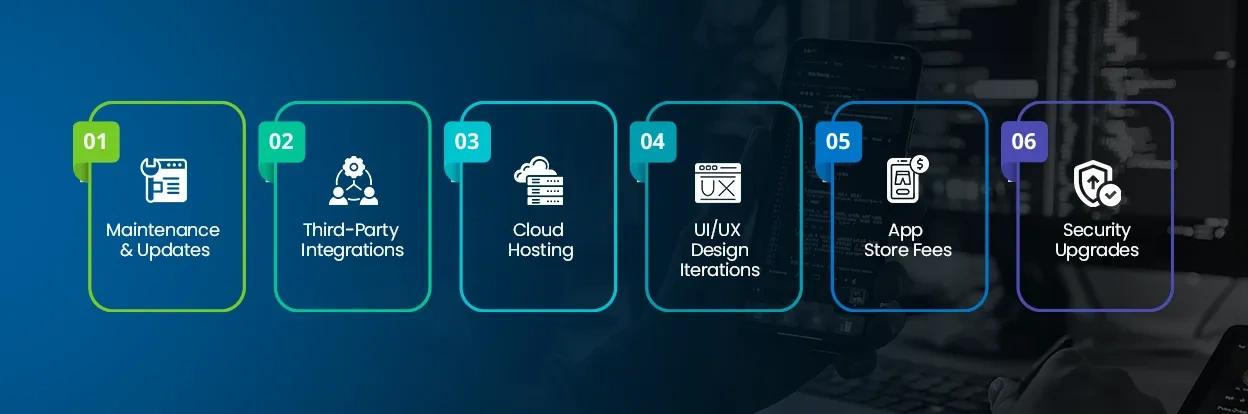
Many businesses underestimate hidden costs, which can significantly impact the final budget.
- Maintenance & Updates
- Annual maintenance costs: 15%–25% of development cost
- Third-Party Integrations
- Payment gateways, video APIs, analytics tools
- Cloud Hosting
- AWS, Azure, and Google Cloud charge based on usage
- UI/UX Design Iterations
- Revisions and usability testing can increase costs
- App Store Fees
- Apple Developer Program: $99/year
- Google Play: $25 one-time fee
6. Security Upgrades
- Continuous updates to prevent data breaches
How to Reduce the Healthcare App Development Cost?
Reducing cost doesn’t mean compromising quality. Smart planning can help optimize your budget.
- Start with an MVP: It is necessary to start the new app development process with a Minimum Viable Product (MVP) that has the core features.
- Choose Cross-Platform Development: Saves time and cost by using a single codebase.
- Use Pre-built APIs: Avoid building everything from scratch.
- Prioritize Features: Focus only on essential features in the initial phase.
Why Should You Collaborate with Markup Designs?
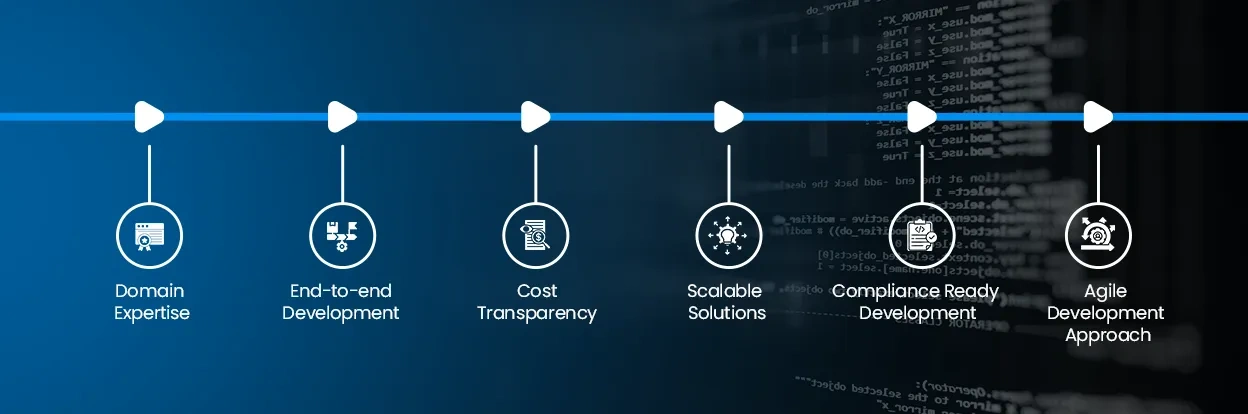
Choosing the right development partner can determine the success of your project. This is where Markup Designs stands out, as we provide you with the following perks while developing a news application:
- Domain Expertise: Markup Designs understands the complexities of systems and compliance requirements.
- End-to-end Development: From ideation to deployment and maintenance, we handle the entire lifecycle.
- Cost Transparency: There will be no hidden charges, and you will get a clear pricing model that makes the app development process easier.
- Scalable Solutions: You can design and develop healthcare applications with a future-ready architecture that scales as your user base, data volume, and feature requirements grow, while ensuring long-term performance without major rework.
- Compliance-Ready Development: Businesses can build applications aligned with global healthcare regulations such as HIPAA and GDPR from day one, minimizing legal risks while ensuring secure handling of sensitive patient data.
- Agile Development Approach: Accelerate time-to-market through an agile methodology that emphasizes iterative development, continuous feedback, and rapid enhancements, keeping your product aligned with evolving business needs and user expectations.
FAQs
- How much does it cost to develop a healthcare app in 2026?
The cost typically ranges from $20,000 to $300,000+, depending on the app’s complexity, features, compliance requirements, and development location. Basic apps are more affordable, while advanced, enterprise-grade solutions require a higher investment. - What are the must-have features in a healthcare app?
Essential features include user registration, appointment scheduling, telemedicine (video consultation), EHR integration, secure messaging, and payment integration. Advanced apps may also include AI-based diagnostics and wearable device integration. - How long does it take to develop a healthcare app?
Development timelines vary based on complexity:
- Basic app: 2–4 months
- Mid-level app: 4–8 months
- Advanced app: 8–12+ months
- Why is compliance important in healthcare app development?
Compliance with regulations like HIPAA and GDPR ensures that patient data is securely handled and protected. Non-compliance can lead to heavy penalties, legal issues, and loss of user trust. - Which platform is better: native or cross-platform?
It depends on your business goals. Native apps offer better performance and user experience, while cross-platform apps are more cost-effective and faster to develop using a single codebase. - What are the ongoing costs after app development?
Post-launch costs include maintenance (15–25% annually), cloud hosting, third-party API subscriptions, security updates, and feature enhancements. - Can I reduce healthcare app development costs without compromising quality?
Yes, by starting with an MVP, prioritizing core features, using pre-built APIs, choosing cross-platform development, and outsourcing to cost-effective regions like India. - How do I choose the right healthcare app development partner?
Look for a company with healthcare domain expertise, a strong portfolio, compliance knowledge, transparent pricing, and an agile development approach. A reliable partner ensures quality, scalability, and long-term success.
The Conclusion
Healthcare app development in 2026 is a strategic investment that requires careful planning and budgeting. Costs can range anywhere from $20,000 to over $300,000, depending on complexity, features, compliance, and development location.
To summarize:
- Basic apps are affordable but limited in functionality
- Advanced apps require significant investment but offer higher ROI
- Compliance and security are non-negotiable cost factors
- Hidden costs can impact your budget if not planned properly
- Choosing the right partner is crucial for success
By understanding these factors and making informed decisions, businesses can build powerful healthcare applications that deliver value to both users and stakeholders.
Author's Perspective
From my experience working with digital product teams, one thing is clear: cost should never be the only deciding factor. Many companies try to cut corners by choosing the cheapest option, only to face scalability issues, compliance risks, and poor user experience later. In healthcare, where data security and reliability are critical, these compromises can be costly, and not just financially but also in terms of reputation.
Instead, businesses should focus on:
- Long-term ROI rather than short-term savings
- Building scalable architecture
- Prioritizing compliance from day one
Investing wisely in the early stages can save high costs in the long run.
Discuss Your Project NowDeepak Tripathi
Product Manager
Related Posts
Healthcare App Development Cost in 2026: Complete Pricing...
How to Build a Compliant HealthTech App in...

Complete Guide to Healthcare App Development in Saudi...
Insights Are Valuable & Execution is Priceless
You’ve read about the digital future. Now, let’s build the infrastructure to take you there. Move your strategy from the page to the product.
Design Your Solution Now
Contact Us
Schedule The Appointment At Your Convenience Date And Time.
30 Min
Web Conference
Time Zone
Indian standard time (08:30pm)

Thanks For Getting In Touch!
You’ve Taken The First Step Toward Transforming Your Digital Presence. Our Experts Will Reach Out Shortly To Take It Forward.
Launch Your Dream Project
Provide a brief overview of your project, and our specialists will evaluate your requirements. We will connect with you to explore how the right digital solutions can help you launch faster.