

In Brief
- Oman’s tourism industry is rapidly adopting digital and mobile-first travel experiences.
- Rising demand for AI-powered, personalized, and multilingual tourism applications is reshaping the market.
- Hotel booking, transportation, eco-tourism, and AR/VR travel apps are gaining strong momentum.
- Smart features like AI recommendations, GPS navigation, secure payments, and itinerary planning are becoming essential.
- Tourism app development in Oman offers strong growth opportunities for startups, enterprises, and travel technology providers.
Travel & Tourism Apps in Oman: Opportunities & Trends
A few years ago, planning a trip to Oman was not always a smooth experience for travelers. Tourists often struggled with scattered booking systems, limited digital guidance, language barriers, unreliable local transportation information, and difficulty discovering authentic local experiences. Many visitors had to depend on multiple platforms just to manage hotel bookings, transportation, sightseeing, and itinerary planning.
But with the growing digital era, traveler’s expectations have also changed significantly.
Today tourists want fast, connected, and personalized experiences directly from their smartphones. They expect instant bookings, real-time navigation, digital payments, multilingual support, and AI-based recommendations that make traveling easier and more enjoyable.
This growing shift is increasing the demand for travel app development in Oman, especially as the country continues expanding its tourism infrastructure and digital capabilities.
At the same time, Oman is emerging as one of the Middle East’s most attractive tourism destinations, known for its natural landscapes, luxury hospitality, cultural tourism, and adventure experiences.
As the tourism sector grows, mobile technology is becoming a major driver of customer experience and operational efficiency.
In this blog, we’ll explore the latest tourism app trends, market opportunities, key features, development costs, emerging technologies, and the future potential of travel and tourism apps in Oman.
Why Oman is Becoming a Key Travel Tech Market in the Middle East
The Middle East tourism industry is rapidly evolving, and Oman is emerging as one of the region’s fastest-growing travel destinations. With strong support under Oman Vision 2040, the country is improving its tourism infrastructure, hospitality sector, and digital services to attract more regional and international travelers.
As tourism across the Middle East becomes more digitally driven, the demand for smart travel and tourism mobile apps is also increasing rapidly. Modern travelers now expect seamless digital experiences for hotel bookings, itinerary management, local transportation, digital payments, and personalized travel recommendations – all within a single platform.
Recent tourism data also highlights this momentum. Oman’s tourism sector contributed approximately OMR 1.135 billion to GDP in 2025, while total tourism output reached OMR 2.284 billion with 7.8% annual growth. Tourism consumption also increased by 11.6%, reflecting stronger traveler engagement and spending patterns.
From eco-tourism and cultural tourism to luxury hospitality and adventure travel, Oman’s evolving tourism landscape offers significant potential for innovative mobile travel solutions.
Types of Travel & Tourism Apps Gaining Momentum in Oman
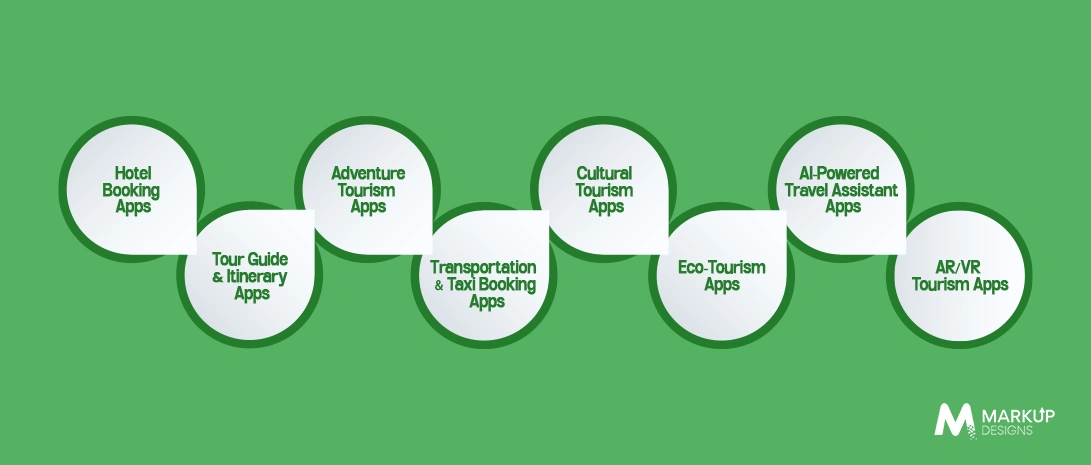
As Oman’s tourism industry continues evolving, companies are exploring different types of digital platforms to improve traveler experiences. Here are some of the most popular app categories gaining traction in the market:
1. Hotel Booking Apps
These apps allow travelers to search, compare, and reserve accommodations directly from their smartphones. Modern hotel booking platforms often include:
- Real-time room availability
- Secure payment gateways
- Customer reviews and ratings
- Loyalty programs
- AI-based stay recommendations
The rising demand for hotel and travel booking app development is helping hotels improve customer convenience and increase direct bookings.
2. Tour Guide & Itinerary Apps
These applications help travelers plan complete journeys with:
- Day-wise itinerary management
- Tourist attraction recommendations
- Local cultural insights
- GPS navigation
- Real-time travel updates
Such apps are becoming increasingly important for tourists looking for self-guided and flexible travel experiences.
3. Adventure Tourism Apps
Oman is known for desert safaris, mountain trekking, diving, and camping experiences. Adventure tourism apps help users:
- Book adventure activities
- Access safety guidelines
- Track routes through GPS
- Find nearby adventure spots
- Connect with local guides
This segment is creating strong opportunities for mobile app development for tourism industry focused on experiential travel.
4. Transportation & Taxi Booking Apps
Transportation apps simplify local travel by offering:
- Ride-booking features
- Fare estimation
- Driver tracking
- Multi-payment support
- Real-time route optimization
These platforms are improving travel convenience for both tourists and local visitors.
5. Cultural Tourism Apps
Cultural tourism applications focus on showcasing Oman’s heritage, traditions, architecture, museums, and historical destinations through:
- Interactive travel guides
- Audio storytelling
- AR-based historical experiences
- Local event discovery
- Multilingual support
These apps help travelers experience local culture in a more immersive way.
6. Eco-Tourism Apps
As sustainable tourism gains popularity, eco-tourism apps are helping travelers:
- Discover eco-friendly destinations
- Book sustainable stays
- Learn environmental guidelines
- Explore nature reserves
- Access responsible travel recommendations
This trend aligns strongly with evolving Oman travel app trends 2026 focused on sustainability and smart tourism.
7. AI-Powered Travel Assistant Apps
Modern tourism platforms are increasingly integrating AI technologies to deliver:
- Personalized travel suggestions
- Smart itinerary generation
- Chatbot assistance
- Predictive travel recommendations
- Voice-based search experiences
The growth of AI-powered travel apps in UAE and neighboring GCC regions is also influencing Oman’s tourism technology landscape.
8. AR/VR Tourism Apps
AR and VR technologies are transforming how tourists explore destinations by offering:
- Virtual destination previews
- Interactive hotel walkthroughs
- Digital museum experiences
- 360-degree tourism content
- Immersive cultural storytelling
These advanced platforms are becoming an emerging area within custom tourism app development projects in Oman.
Read More: The Ultimate Guide to Building a Mobile App Pricing & ROI
Key Features of Modern Tourism Apps
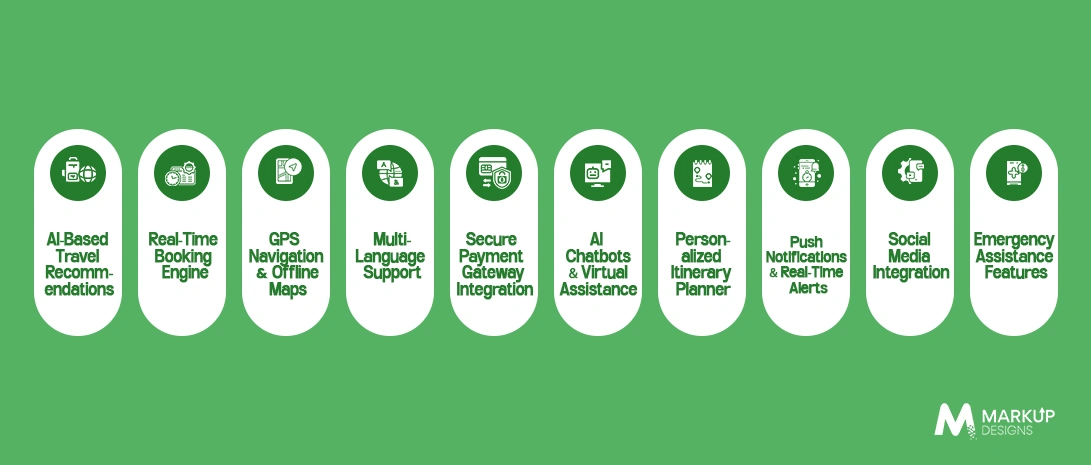
Travel expectations across the Middle East tourism industry are evolving rapidly. Modern travelers no longer want apps that only manage bookings. They now expect complete digital experiences that simplify travel planning, improve convenience, deliver personalized recommendations, and provide real-time assistance throughout their journey.
As tourism across the Middle East becomes more technology-driven, companies are increasingly investing in advanced tourism applications that improve customer engagement, user retention, and overall travel experiences. From AI-powered recommendations and multilingual support to smart itinerary planning and secure digital payments, modern tourism platforms are becoming essential for delivering seamless travel experiences across the region.
- AI-Based Travel Recommendations
Modern travelers expect personalized experiences instead of generic suggestions. AI-powered recommendation engines analyze user preferences, travel history, budgets, and browsing behavior to suggest hotels, attractions, restaurants, and activities. This feature is becoming increasingly important in the travel app development landscape as tourism experiences become more customer-focused.
- Real-Time Booking Engine
A seamless booking system allows users to reserve hotels, transportation, tour packages, and activities instantly. Real-time inventory management, automated confirmations, and dynamic pricing improve customer convenience while reducing operational delays for tourism operators and hospitality providers.
- GPS Navigation & Offline Maps
Travelers often explore remote destinations where internet connectivity may fluctuate. GPS-enabled navigation with offline map access helps users locate tourist attractions, hotels, restaurants, and adventure routes without depending entirely on active internet connections during their journey.
- Multi-Language Support
Tourism apps serving international visitors must provide multilingual experiences to improve accessibility and user comfort. Language support for Arabic, English, and other global languages helps travelers interact with the platform more easily and enhances overall customer engagement.
- Secure Payment Gateway Integration
Modern travel platforms require secure digital payment systems that support multiple payment methods, including cards, wallets, and regional payment gateways. Safe and fast transactions improve customer trust while supporting smoother booking experiences across tourism applications.
- AI Chatbots & Virtual Assistance
AI chatbots provide instant customer support by answering traveler queries, resolving booking issues, sharing destination information, and offering recommendations 24/7. The growing popularity of AI-powered travel apps is also influencing tourism applications across the Middle East and the wider GCC region.
- Personalized Itinerary Planner
Smart itinerary planners help travelers organize their trips efficiently by suggesting routes, attractions, transportation schedules, and nearby experiences based on travel duration, preferences, and budgets. This feature improves convenience while creating more customized travel experiences.
- Push Notifications & Real-Time Alerts
Push notifications keep travelers informed about booking updates, weather conditions, local events, travel reminders, flight changes, and promotional offers. Real-time communication improves user engagement and helps travelers manage their journeys more effectively.
- Social Media Integration
Social sharing features allow travelers to upload experiences, reviews, photos, and travel updates directly through the app. This not only improves user interaction but also increases organic visibility and customer engagement for tourism platforms.
- Emergency Assistance Features
Safety-focused features such as emergency contacts, SOS alerts, medical support information, and live location sharing improve traveler confidence, especially for solo tourists and adventure travelers exploring unfamiliar destinations across the Middle East.
Emerging Trends Shaping Tourism App Development
The tourism industry in Oman is evolving beyond traditional booking platforms. Modern travel applications are now focusing on intelligent, immersive, and highly personalized digital experiences that improve convenience for travelers while helping tourism providers operate more efficiently. As a result, several emerging technologies are beginning to shape the future of tourism app development company solutions across the region.
One of the biggest trends is AI-driven personalization. Travel apps are increasingly using artificial intelligence to recommend destinations, hotels, restaurants, and activities based on user preferences, travel history, and spending behavior. This shift is making tourism experiences more customized and engaging.
Another major trend is contactless travel technology. From digital check-ins and QR-based payments to smart booking systems, travelers now prefer faster and safer digital interactions throughout their journey.
AR and VR technologies are also transforming tourism experiences by offering virtual hotel tours, interactive destination previews, and immersive cultural storytelling experiences before travelers even arrive.
In addition, sustainability-focused tourism apps are gaining popularity as travelers become more environmentally conscious. Many platforms now promote eco-friendly accommodations, responsible tourism activities, and sustainable travel recommendations.
These innovations are expected to strongly influence Oman travel app trends 2026 as tourism becomes more technology-driven and experience-focused.
Opportunities for Startups and Enterprises in Oman’s Tourism App Market
Oman’s tourism technology market still offers significant untapped potential compared to many other GCC countries. As tourism continues expanding across adventure travel, luxury hospitality, eco-tourism, and cultural experiences, the demand for innovative digital platforms is also increasing rapidly. This creates strong opportunities for startups and enterprises investing in custom tourism app development solutions in Oman.
One of the biggest opportunities lies in localized travel platforms. Many tourists visiting Oman look for authentic cultural experiences, local guides, desert adventures, and hidden destinations that are not always available on global travel applications. Apps focused on regional experiences can fill this gap effectively.
Another growing opportunity is eco-tourism technology. Oman’s natural landscapes, mountains, beaches, and wildlife reserves are attracting environmentally conscious travelers. Digital platforms promoting sustainable travel experiences, eco-friendly accommodations, and nature-based tourism activities are expected to gain strong market attention.
Smart transportation and AI-powered itinerary planning also present major growth potential. Travelers increasingly prefer integrated platforms that combine bookings, navigation, travel assistance, and personalized recommendations within a single app.
As tourism modernization accelerates, companies offering scalable tourism mobile app solutions in the Middle East can play an important role in shaping Oman’s future digital tourism ecosystem.
Challenges in Travel App Development
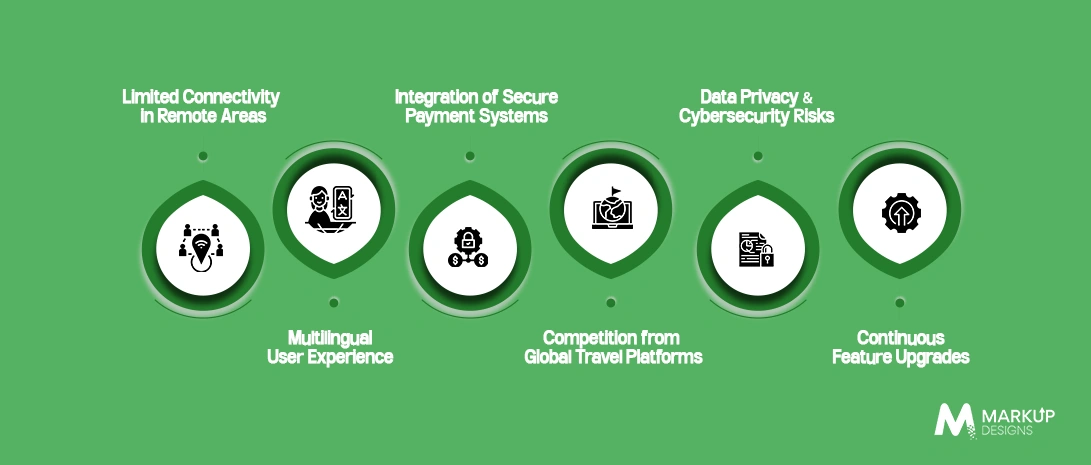
While the tourism app market in Oman offers strong growth opportunities, companies must also address several technical, operational, and user-experience challenges to build scalable and successful platforms.
1. Limited Connectivity in Remote Areas
Many tourist destinations in Oman, including deserts, mountains, and adventure locations, may experience weak internet connectivity. Tourism apps must support offline maps, GPS tracking, and low-data functionality to ensure uninterrupted traveler experiences.
2. Multilingual User Experience
Oman attracts travelers from different countries and cultural backgrounds. Creating apps with seamless multilingual support, especially for Arabic and English users, becomes essential for improving accessibility and customer engagement.
3. Integration of Secure Payment Systems
Modern tourism platforms must support multiple payment options, including international cards, regional wallets, and digital banking systems. Managing secure and smooth payment gateway integration can become technically complex for developers.
4. Competition from Global Travel Platforms
International travel applications already dominate large parts of the tourism market. Local platforms must offer highly personalized, region-specific, and culturally relevant experiences to compete effectively and attract long-term users.
5. Data Privacy & Cybersecurity Risks
Travel applications manage sensitive user information, including payment data, travel history, and live locations. Strong cybersecurity infrastructure and compliance measures are necessary to protect customer data and maintain user trust.
6. Continuous Feature Upgrades
Traveler expectations evolve rapidly. Companies investing in mobile app development for tourism industry solutions must continuously update features, improve performance, and integrate new technologies to remain competitive in the market.
Cost to Build a Travel & Tourism App
The cost of developing a tourism application in Oman depends on several factors, including app complexity, features, technology stack, platform selection, integrations, and overall scalability requirements. A basic tourism app with standard booking functionality will naturally cost less than an advanced AI-enabled platform offering personalized recommendations, AR/VR experiences, and real-time analytics.
As tourism continues expanding across the Gulf region, many companies in Oman are actively investing in scalable digital platforms to improve traveler engagement and operational efficiency while evaluating tourism app development costs.
Estimated Travel App Development Cost Breakdown
| App Type | Estimated Cost | Features Included |
| Basic Tourism App | $15,000 – $30,000 | User login, hotel listings, booking system, maps, push notifications |
| Mid-Level Tourism App | $30,000 – $70,000 | Payment gateway, multilingual support, itinerary planner, chat support |
| Advanced Tourism App | $70,000 – $150,000+ | AI recommendations, AR/VR features, analytics dashboard, cloud scalability |
Factors That Influence Development Cost
- Feature Complexity: Advanced features like AI chatbots, live tracking, and smart itinerary systems increase development effort.
- UI/UX Design: High-quality interfaces require additional design research and user experience optimization.
- Third-Party Integrations: Payment gateways, maps, APIs, and booking engines add to overall costs.
- Security Infrastructure: Strong cybersecurity systems are essential for protecting user and payment data.
- Maintenance & Updates: Ongoing maintenance, feature upgrades, and performance optimization also contribute to long-term project investment.
As the demand for travel and tourism mobile apps Oman continues rising, companies focusing on scalable and user-centric applications are expected to gain long-term growth opportunities in the region’s evolving tourism ecosystem.
Why Choose Markup Designs for Tourism App Development
As Oman’s tourism industry continues moving toward digital-first experiences, choosing the right technology partner becomes essential for building scalable, secure, and future-ready travel platforms. This is where Markup Designs helps tourism brands transform their ideas into high-performing digital solutions.
1. Expertise in Scalable Travel App Solutions
Markup Designs specializes in building intelligent and user-focused tourism platforms designed for modern traveler expectations. From booking systems and itinerary planners to AI-powered recommendation engines, the team develops scalable solutions aligned with the evolving trends of travel app development in Oman.
2. Strong Focus on User Experience
Travel applications succeed when they deliver seamless and intuitive experiences. Markup Designs focuses on clean UI/UX design, simplified navigation, multilingual accessibility, and personalized user journeys that improve traveler engagement and retention.
3. Advanced Technology Integration
Markup Designs help tourism brands integrate modern technologies like AI chatbots, cloud infrastructure, GPS tracking, AR/VR experiences, secure payment systems, and analytics dashboards. These capabilities support the growing demand for smarter tourism mobile app solutions on Middle East platforms.
4. Customized Development Approach
Every tourism platform has different operational needs and target audiences. Markup Designs follows a customized development strategy to build applications that match specific travel goals, tourism categories, and customer expectations instead of relying on generic app structures.
5. Long-Term Support & Digital Growth
Beyond development, Markup Designs also supports continuous optimization, scalability improvements, feature upgrades, and long-term platform maintenance. This helps tourism companies adapt to changing traveler behavior and future Oman travel app trends more efficiently.
Conclusion
Oman’s tourism sector is rapidly evolving with the support of digital innovation, smart infrastructure, and changing traveler expectations. From AI-powered recommendations and smart booking systems to immersive tourism experiences, mobile applications are becoming a key part of modern travel journeys.
As the demand for seamless digital experiences continues growing, investing in scalable and user-focused tourism applications can help companies improve customer engagement, operational efficiency, and long-term market growth. The future of tourism in Oman is becoming increasingly connected, personalized, and technology-driven.
FAQs
1. How much does it cost to build a travel app in Oman?
The development cost usually depends on app complexity, features, integrations, and platform requirements. A basic tourism app may start from $15,000, while advanced AI-enabled platforms can exceed $100,000.
2. What are the most important features in a tourism app?
Key features include booking systems, GPS navigation, AI recommendations, multilingual support, payment gateways, itinerary planning, and real-time customer assistance.
3. Why is Oman becoming a growing market for tourism apps?
Oman is investing in tourism infrastructure, digital transformation, eco-tourism, and smart visitor experiences under Vision 2040, creating strong opportunities for travel technology solutions.
4. How long does it take to develop a travel and tourism app?
Development timelines vary based on complexity. A basic app may take 3–4 months, while advanced platforms with AI, AR/VR, and custom integrations may require 6–12 months.
5. Can AI improve travel and tourism applications?
Yes. AI helps tourism apps deliver personalized recommendations, chatbot support, itinerary planning, predictive pricing, and smarter customer experiences across the travel journey.

Author's Perspective
Oman’s tourism industry is entering a strong digital growth phase where traveler expectations are becoming more experience-driven, personalized, and technology-focused. As mobile adoption and tourism investments continue increasing, travel applications will likely play a major role in shaping visitor experiences across the country. Companies that focus on user-friendly design, smart technologies, and localized travel solutions early may gain long-term advantages in Oman’s evolving tourism ecosystem.
Discuss Your Project NowGaurav Goyal
Global Sales- VP
Related Posts

How Much Does Inventory Management Software Cost in...

Enterprise AI Outsourcing: How to Choose the Right...

How Much Does It Cost to Build a...
Insights Are Valuable & Execution is Priceless
You’ve read about the digital future. Now, let’s build the infrastructure to take you there. Move your strategy from the page to the product.
Design Your Solution Now
Contact Us
Schedule The Appointment At Your Convenience Date And Time.
30 Min
Web Conference
Time Zone
Indian standard time (08:30pm)

Thanks For Getting In Touch!
You’ve Taken The First Step Toward Transforming Your Digital Presence. Our Experts Will Reach Out Shortly To Take It Forward.
Launch Your Dream Project
Provide a brief overview of your project, and our specialists will evaluate your requirements. We will connect with you to explore how the right digital solutions can help you launch faster.