

In Brief
- Developing a telemedicine application in UAE can cost from approximately $40,000 – $300,000+, with many variables affecting both total development costs and the time involved in the development process.
- The development of telemedicine applications will depend on complexity and desired features.
- Core features such as video consultations, scheduling appointments, e-prescribing, and making payments digitally can impact the development and size/scale of telemedicine applications.
- Some telemedicine applications are built with artificial intelligence, have chatbots, monitor patients remotely, utilize wearables, and will have higher development costs than traditional telemedicine applications.
- Further, there will be costs associated with cloud hosting services, compliance with regulations, security (such as encryption), maintenance and support, and integration of third-party services.
To keep development costs down while maintaining a facility’s ability to provide a high-level of patient service and comply with government regulations, an organization should begin with a Minimum Viable Product (MVP) by collaborating with an experienced telemedicine application development company, and then expand and scale as needed.
Reasons for the Rise of Telemedicine Applications in UAE

In UAE, we are seeing a transition to digital health, and the telemedicine application is the most successful component of this digital transformation. Patients are increasingly looking for convenient health services through telemedicine; therefore, health providers are investing in virtual care solutions to enhance the patient experience and enable greater operational efficiency. With advanced digital infrastructures and continuing support for innovative initiatives, UAE telemedicine market is one of the fastest-expanding telemedicine markets in the Middle East.
The Growth of Digital Health in UAE
There has been a significant increase in the adoption of digital health across UAE, as increasing numbers of healthcare companies are looking for ways to implement technology-based solutions that improve patient care and experience.
Digital health solutions, including online appointment bookings, electronic medical records, and virtual appointments, enable medical providers to improve their service speeds and efficiency while also keeping pace with changing patient needs.
Benefits of Telemedicine for Patients and Providers
Telemedicine applications provide many different types of benefits to both the patient and the healthcare provider. Patients benefit from the convenience of not having to travel to see their doctor, having faster access to health care providers, and continuity of care between visits. Healthcare providers benefit from telemedicine through better scheduling of appointments, an increased number of patients they can serve, decreased amount of time spent on administrative tasks, and providing healthcare in a more efficient manner.
How telemedicine Apps in the Middle East have become the Preeminent Telemedicine App
Across the Middle East, telemedicine applications have become increasingly popular due to solving the core issues of healthcare in the region, including availability, convenience, and timely medical assistance. Telemedicine applications create value for patients and healthcare providers by providing access to qualified healthcare providers through secure virtual consultation. With features such as online appointment booking, video consultations, digital prescriptions, and remote patient monitoring, telemedicine applications are now an integral part of an evolving healthcare system in the Middle East.
Read Also: Strategic Guide for Developing Healthcare App in Dubai Vision 2040
Understanding the Cost of Developing a Telemedicine Application in UAE
The cost of developing a telemedicine app in UAE can vary significantly depending on the platform’s features, complexity, technology stack, integrations, and compliance requirements. While a basic telemedicine solution can be developed with a moderate investment, advanced platforms with AI capabilities, electronic health record integrations, and enterprise-grade security require a larger budget. Understanding these cost factors helps businesses plan their development strategy more effectively.
Average Cost Range for Telemedicine Apps
On average, telemedicine app development in UAE can cost anywhere between $40,000 and $300,000+. The final investment depends on the number of features, supported platforms, third-party integrations, security requirements, and the level of customization needed. Businesses often start with a minimum viable product (MVP) before expanding the platform with advanced functionalities.
Cost Based on App Complexity
The complexity of the application is one of the biggest factors affecting development costs. More sophisticated platforms require additional development time, testing, integrations, and maintenance.
Basic MVP Telemedicine App
A basic MVP includes essential features such as user registration, appointment booking, video consultations, doctor profiles, and notifications. It is ideal for businesses looking to validate their concept and launch quickly with a lower initial investment.
Estimated Cost: $40,000 – $80,000
Mid-Level Telemedicine Platform
A mid-level platform incorporates enhanced functionality such as in-app chat, digital prescriptions, payment gateway integration, patient records management, and analytics dashboards. These features improve user experience and operational efficiency.
Estimated Cost: $80,000 – $180,000
Enterprise-Grade Telehealth Solution
Enterprise telemedicine platforms are designed for large healthcare networks and hospitals. They typically include AI-powered features, EHR/EMR integrations, remote patient monitoring, advanced security measures, multilingual support, and robust analytics capabilities.
Estimated Cost: $180,000 – $300,000+
Telemedicine App Development Cost Breakdown by Development Stage
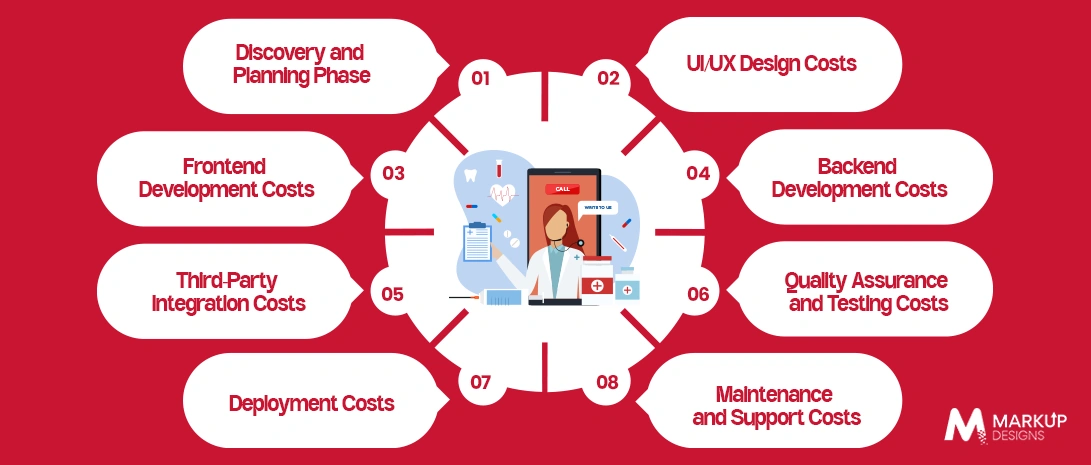
The process of developing a telemedicine application encompasses a number of phases with costs separated into those phases, such as discovery and planning, user experience/user interface design, front-end development, and back-end development. All phases are very important for the telemedicine application’s functionality, performance, security, and end-user experience; thus, it is important to understand where the costs associated with development are being spent.
Phase One: Discovery and Planning
The first phase consists of a variety of activities, including market research, gathering requirements, identifying features, performing competitive analysis, and creating project roadmaps. Performing proper discovery and planning will allow potential challenges to be identified early on as well as allow for the resource allocation to be performed efficiently throughout the entire telemedicine application development process.
Phase Two: UI/UX Design
Designing a user-friendly telemedicine application creates a better experience for the end-user and also makes their interaction(s) with their health care provider(s) more efficient.
Basic Design
Simple layout, standard navigation, and basic user interfaces are appropriate for MVPs.
Custom Design
Custom design includes custom interfaces, custom branding, defined user journeys to increase user engagement, etc.
Advanced Healthcare User Experience
Advanced health care user experience focuses on the following areas: accessibility, patient-centric workflow, multilingual support, and providing a consistent user experience regardless of the device being used.
Phase Three: Development Cost for Front-End Development
The front-end development of a telemedicine application includes all of the elements within the application that the user will be interacting with.
Patient Application
The patient application may allow users to register for the telemedicine service, schedule appointments, communicate with their physician, access their medical records, and process their payment.
Physician Application
The physician application allows the health care provider to schedule appointments, access patient information, write a prescription, and communicate with their patients.
Development of the Admin Panel
This provides centralized user administration, report generation, content updates, and operational management.
Phase Four: Backend Development Costs
The Backend contains the core functionality of the entire App.
Database Development
This stores patient health records, patient visit data, prescription information, and all other vital record information in a safe and secure manner.
API Development
This enables the different components of an App to communicate with each other as well as with 3rd Party Services.
Security & Authorization
This includes encryption, secure Login Systems, and Access Control so we can protect sensitive health information.
Scalability Planning
This is constructing the Platform so it will scale up as the User Base grows. In other words, to make sure that the Platform can continue to grow and provide additional functionality in the future as we onboard more Users.
Phase Five:Third Party Integration Cost
Integrations enhance the function of the App and provide improved health care service delivery.
Video Consultation SDK’s
This offers the opportunity for the Patient to have a current Virtual Visit with their Providers (usually a specialist) using video and Internet access.
Payment Gateway Integration
Integrates with 3rd Party payment processing Systems to ensure that patients pay directly online to the Providers for their services (e.g., Virtual Visits).
EHR/EMR Integration
Integration enables the Providers and Patients to access their Electronic Health Records (EHRs) and Electronic Medical Records (EMRs) with the App;
Pharmacy Integration
Integrates the Electronic Prescriptions that were created by Providers with the Pharmacies for the Patients to fill their prescriptions.
Lab Management System Integration
Integrates Diagnostic Services and Test Results management with the Platform.
SMS and Notification Services
Delivering appointment notifications, alerts to Patients, and sending other important health-related information.
Phase Six: Quality Assurance & Testing Costs
Ensure that the App meets its stated purpose and is secure before launch.
Functional Testing
Testing for confirmation/verification that all features are working as intended.
Security Testing
Identifying the vulnerabilities of the App and increasing security to protect the User’s data in the future.
Compliance Testing
Ensures adherence to healthcare regulations and industry standards.
Performance Testing
Evaluates speed, stability, and responsiveness under different usage conditions.
Phase Seven: Deployment Costs
Deployment involves preparing the application for public release and operational use.
App Store Publishing
Includes submission and launch on mobile app marketplaces.
Server Setup and Configuration
Establishes hosting infrastructure and system environments.
Compliance and Legal Review
Validates regulatory requirements and legal documentation before launch.
Phase Eight: Maintenance and Support Costs
Ongoing maintenance is necessary to keep the platform secure and competitive.
Bug Fixes and Updates
Address technical issues and improve functionality over time.
Cloud Hosting Expenses
Cover server resources, storage, and application availability.
Security Monitoring
Protects against emerging threats and maintains data integrity.
Feature Enhancements
Introduces new capabilities based on user feedback and market demands.
Must-Have Features of a Telemedicine App and Their Cost Impact
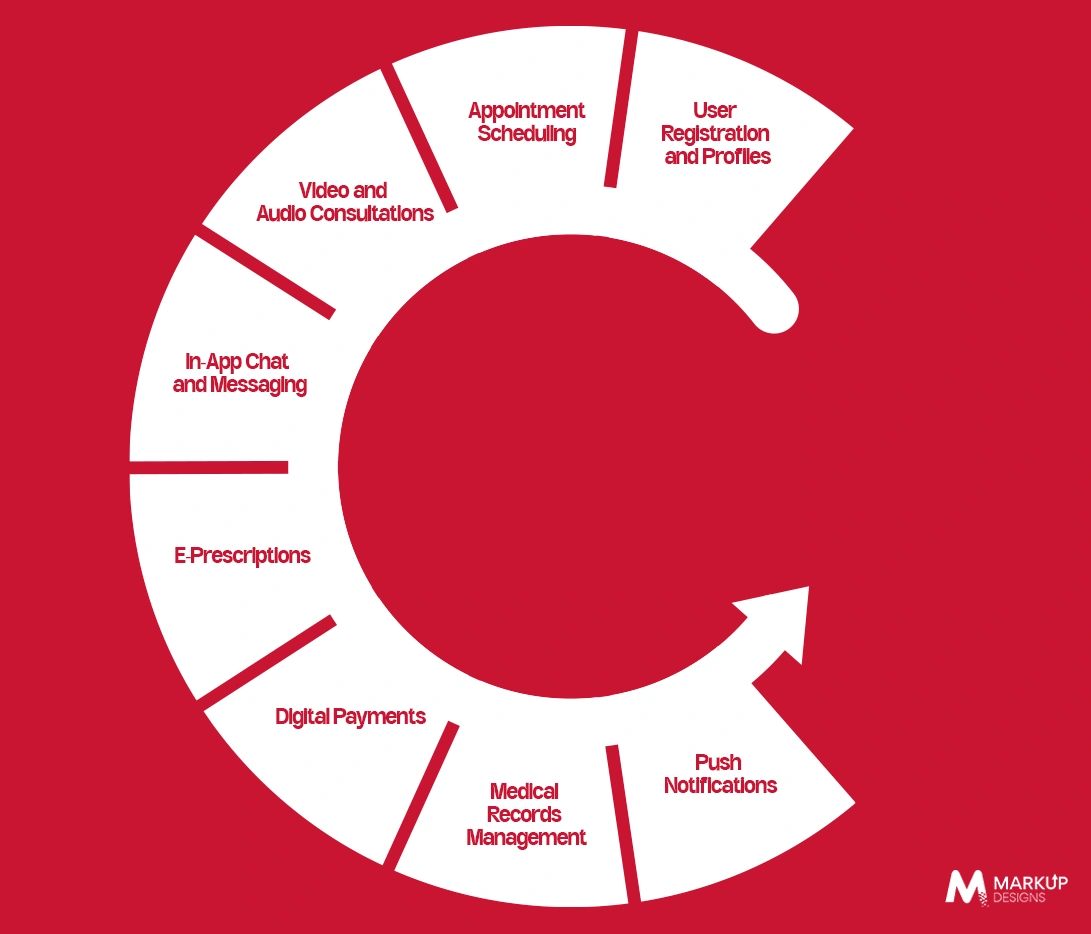
The features included in a telemedicine app directly influence development costs. While basic functionalities help launch a viable platform, advanced capabilities enhance user experience and operational efficiency, increasing the overall investment.
User Registration and Profiles
This feature allows patients and healthcare professionals to create accounts, manage personal information, and securely access the platform. More advanced profile management systems require additional development effort.
Appointment Scheduling
Appointment booking enables users to schedule, reschedule, or cancel consultations. Integrating calendars, reminders, and real-time availability can increase development costs.
Video and Audio Consultations
Virtual consultations are a core component of telemedicine platforms. High-quality video and audio calling features often require third-party integrations, adding to the overall budget.
In-App Chat and Messaging
Secure messaging allows patients and doctors to communicate conveniently before and after consultations. Real-time chat functionality requires backend infrastructure and data security measures.
E-Prescriptions
Electronic prescription management enables healthcare providers to generate and share prescriptions digitally, improving convenience and reducing paperwork.
Digital Payments
Payment gateway integration allows users to pay consultation fees securely through multiple payment methods. The complexity of payment processing affects implementation costs.
Medical Records Management
This feature stores and manages patient health information, consultation histories, and treatment records. Strong security and compliance requirements contribute to development expenses.
Push Notifications
Push notifications keep users informed about appointment reminders, prescription updates, payment confirmations, and other important alerts, improving engagement and user retention.
Advanced Features That Increase Telemedicine App Development Costs
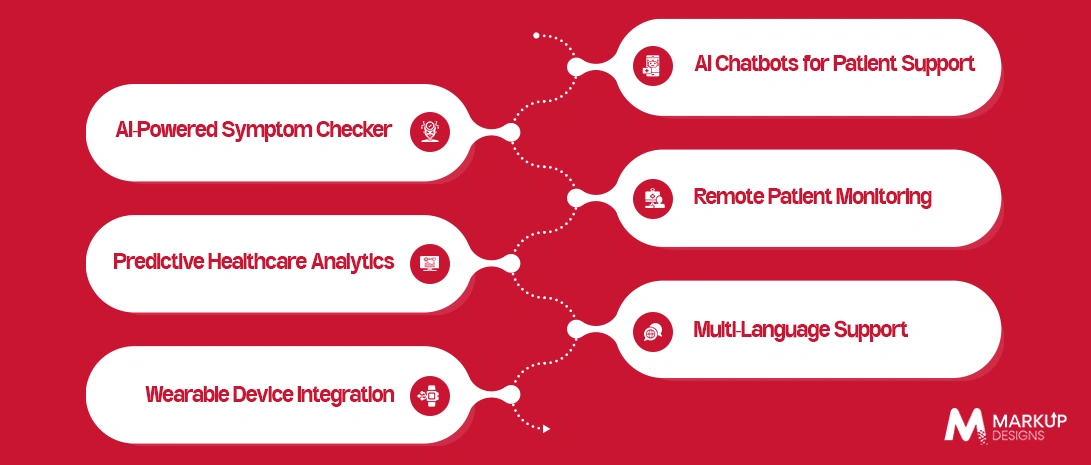
While core features are sufficient for launching a telemedicine platform, advanced capabilities can significantly enhance user experience, healthcare outcomes, and operational efficiency. However, these features require additional development effort, specialized technologies, and more complex integrations, increasing the overall project cost.
AI-Powered Symptom Checker
AI-driven symptom checkers help users assess potential health conditions based on reported symptoms, enabling faster preliminary evaluations before consulting a healthcare professional.
AI Chatbots for Patient Support
AI chatbots provide instant responses to common patient queries, assist with appointment scheduling, and offer basic healthcare guidance, reducing the workload on support teams.
Predictive Healthcare Analytics
Predictive analytics uses patient data to identify health trends, assess risks, and support data-driven decision-making, helping healthcare providers deliver more proactive care.
Remote Patient Monitoring
Remote monitoring solutions allow healthcare professionals to track patient health metrics in real time, improving chronic disease management and post-treatment care.
Wearable Device Integration
Integration with wearable devices enables the collection of health data such as heart rate, activity levels, sleep patterns, and other vital metrics, creating a more comprehensive healthcare experience.
Multi-Language Support
Supporting multiple languages improves accessibility and user engagement, particularly in diverse regions like UAE, where healthcare platforms often serve users from various linguistic backgrounds.
Key Factors Influencing Telemedicine App Development Costs in UAE
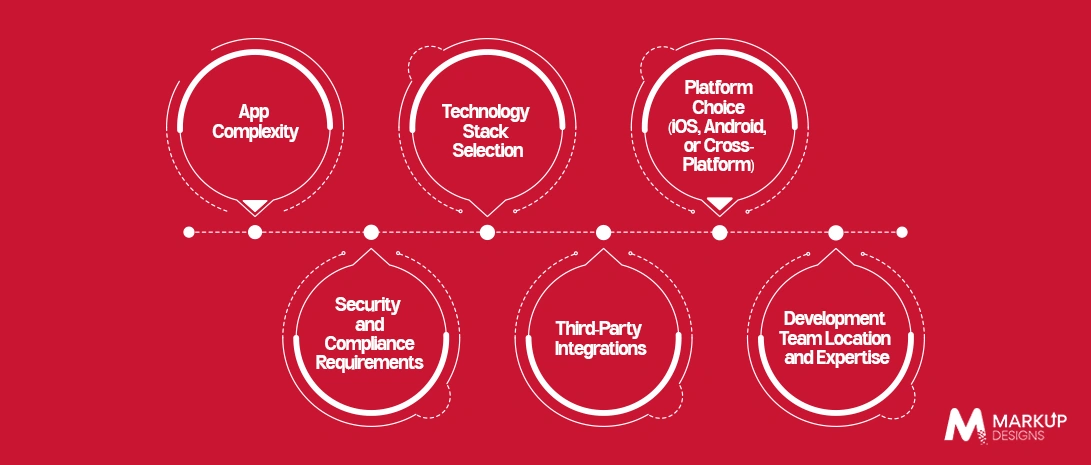
The cost of developing a telemedicine app is influenced by several technical, operational, and regulatory factors. Understanding these variables can help businesses estimate budgets more accurately and make informed development decisions.
App Complexity
The number of features, user roles, workflows, and integrations directly impacts development time and cost. More complex applications require greater technical expertise and resources.
Technology Stack Selection
The choice of programming languages, frameworks, databases, and cloud infrastructure affects both development expenses and long-term scalability. Advanced technologies may require higher initial investments but can offer better performance and flexibility.
Platform Choice (iOS, Android, or Cross-Platform)
Developing separate native applications for iOS and Android generally costs more than using cross-platform frameworks. The selected approach influences development timelines, maintenance requirements, and overall project costs.
Security and Compliance Requirements
Telemedicine platforms handle sensitive patient information, making robust security measures and regulatory compliance essential. Features such as data encryption, secure authentication, and compliance audits can significantly impact development budgets.
Third-Party Integrations
Integrating external services such as video conferencing tools, payment gateways, electronic health records, pharmacies, and laboratory systems adds functionality but also increases development complexity and costs.
Development Team Location and Expertise
Development costs vary depending on the team’s geographical location, experience level, and healthcare domain expertise. Working with experienced healthcare app developers may require a higher investment, but it can help ensure quality, compliance, and faster project execution.
Hidden Costs of Telemedicine App Development
Beyond the initial development budget, telemedicine apps involve several ongoing expenses that businesses often overlook during project planning. Accounting for these hidden costs is essential for maintaining a secure, compliant, and scalable healthcare platform.
Cloud Hosting and Infrastructure
Telemedicine applications require a reliable cloud infrastructure to support data storage, video consultations, and system performance. Hosting costs typically increase as user activity and data volumes grow.
Regulatory Compliance and Legal Fees
Healthcare platforms must comply with industry regulations and data protection requirements. Legal consultations, compliance audits, certifications, and documentation can add to overall project expenses.
Insurance and Liability Coverage
Many healthcare businesses invest in liability and cyber insurance to mitigate risks associated with patient data breaches, service disruptions, and healthcare-related claims.
Payment Processing Fees
Online payment systems often charge transaction fees for processing consultations, subscriptions, and other healthcare services. These recurring costs should be factored into long-term operational budgets.
Customer Support and Operations
Providing ongoing customer support, technical assistance, and platform monitoring requires dedicated resources. As the user base grows, operational and support costs can increase significantly.
Outsourcing vs In-House Development for UAE Telemedicine Apps
Choosing between outsourcing and in-house development depends on budget, project scope, and long-term business goals. Both approaches offer unique advantages and challenges.
Benefits of Outsourcing
Outsourcing provides access to experienced development teams, reduces hiring costs, and accelerates project timelines. It is often a cost-effective option for businesses looking to launch quickly.
Cost Comparison by Region
Development costs vary significantly across regions. While local UAE teams may offer closer collaboration, offshore development teams can often deliver similar solutions at a lower cost.
When In-House Development Makes Sense
In-house development is suitable for organizations that require full control over product development, continuous innovation, and dedicated internal resources for long-term project management.
How Long Does It Take to Develop a Telemedicine App?
The development timeline depends on the app’s complexity, feature set, integrations, and compliance requirements.
MVP Timeline
A basic telemedicine MVP with essential features typically takes 3–4 months to develop.
Mid-Level App Timeline
A feature-rich telemedicine platform generally requires 4–8 months for development and testing.
Enterprise App Timeline
Enterprise-grade solutions with advanced integrations, AI capabilities, and extensive security measures may take 8–12+ months to complete.
Future Trends in UAE Telemedicine App Development
As healthcare technology continues to evolve, telemedicine platforms are expected to become more intelligent, connected, and patient-centric.
AI-Powered Virtual Care
AI will play a larger role in diagnostics, patient support, appointment management, and personalized treatment recommendations.
Remote Monitoring and IoT
Connected medical devices and IoT technologies will enable real-time patient monitoring and more proactive healthcare management.
Personalized Healthcare Experiences
Advanced analytics and AI-driven insights will help deliver tailored healthcare services based on individual patient needs and behaviors.
Integration with National Healthcare Systems
Future telemedicine platforms are expected to integrate more closely with national healthcare infrastructure, improving data sharing, interoperability, and continuity of care.
Why Partner with Markup Designs?
Markup Designs specializes in developing AI-powered healthcare applications tailored to the unique needs of healthcare providers, startups, and enterprises. Our team combines industry expertise with the latest technologies to create telemedicine solutions that are secure, scalable, and designed to deliver seamless experiences for both patients and medical professionals.
From initial planning and UI/UX design to development, deployment, and post-launch support, we provide end-to-end services to help businesses accelerate their digital healthcare journey. With a strong focus on quality, performance, and future scalability, Markup Designs enables organizations to build telemedicine platforms that drive patient engagement and support long-term growth.
Ready to Launch Your Telemedicine App in UAE?
Turn your healthcare vision into a secure, scalable, and user-friendly telemedicine platform. Whether you’re a startup, clinic, or healthcare enterprise, Markup Designs can help you build a solution tailored to your business goals and patient needs.

Conclusion
Telemedicine apps are reshaping healthcare delivery in UAE by making medical services more accessible, convenient, and efficient. However, the cost of developing a telemedicine platform can vary significantly depending on factors such as app complexity, feature requirements, integrations, security standards, and compliance needs.
By understanding the various cost components and planning strategically, businesses can make informed investment decisions and build scalable telemedicine solutions that meet evolving healthcare demands. Whether you’re launching an MVP or an enterprise-grade platform, partnering with an experienced development company can help ensure a successful and future-ready telemedicine app.
FAQs
1. How much does it cost to develop a telemedicine app in UAE?
The cost of telemedicine app development in UAE typically ranges from $40,000 to $300,000+, depending on factors such as app complexity, features, third-party integrations, security requirements, and compliance standards.
2. How long does it take to build a telemedicine app?
Development timelines vary based on the scope of the project. A basic MVP can take around 3–4 months, while a mid-level platform may require 4–8 months. Enterprise-grade telemedicine solutions can take 8–12 months or longer.
3. What are the essential features of a telemedicine app?
Core features typically include user registration, appointment scheduling, video consultations, in-app messaging, e-prescriptions, payment integration, medical records management, and push notifications.
4. What factors influence telemedicine app development costs?
Key cost factors include app complexity, platform selection, technology stack, security and compliance requirements, third-party integrations, and the expertise of the development team.
5. Why is regulatory compliance important in telemedicine app development?
Telemedicine platforms handle sensitive patient information, making compliance with healthcare regulations and data protection standards essential. Proper compliance helps ensure data security, user trust, and legal adherence while minimizing operational risks.
Author's Perspective
As telemedicine continues to gain momentum across UAE, investing in a well-designed and scalable digital healthcare platform is becoming a strategic necessity rather than a competitive advantage. While development costs can vary widely based on features and complexity, businesses that prioritize security, compliance, user experience, and long-term scalability are better positioned to maximize their return on investment. Understanding the complete cost structure from the outset can help organizations make informed decisions and build telemedicine solutions that deliver lasting value to both patients and healthcare providers.
Discuss Your Project NowJupinder Singh Arora
Founder and CEO
Related Posts

How to Build a Compliant HealthTech App in...

Complete Guide to Healthcare App Development in Saudi...

Remote Patient Monitoring App Development in the UAE:...
Insights Are Valuable & Execution is Priceless
You’ve read about the digital future. Now, let’s build the infrastructure to take you there. Move your strategy from the page to the product.
Design Your Solution Now
Contact Us
Schedule The Appointment At Your Convenience Date And Time.
30 Min
Web Conference
Time Zone
Indian standard time (08:30pm)

Thanks For Getting In Touch!
You’ve Taken The First Step Toward Transforming Your Digital Presence. Our Experts Will Reach Out Shortly To Take It Forward.
Launch Your Dream Project
Provide a brief overview of your project, and our specialists will evaluate your requirements. We will connect with you to explore how the right digital solutions can help you launch faster.