
In Brief
- Health apps assist healthcare providers in Dubai in achieving the goals of “Dubai Vision 2040.” These include delivering high-quality healthcare, ensuring easy patient access, and developing integrated health systems.
- Developing health apps requires compliance with UAE and DHA healthcare regulations, health data protection rules, and industry-standard data security practices to ensure the safety of patient data.
- Today’s patients expect digital access to healthcare services. This includes online appointment scheduling, telemedicine options, access to personal medical records, receipt of personalized health information, and easy communication with healthcare providers.
- To ensure coordinated care, health apps must enable connectivity with electronic health records (EHR/EMR), insurers, laboratories, pharmacies, and connected devices.
- The use of artificial intelligence, the Internet of Things (IoT), cloud computing, predictive analytics, and 5G technology is changing how healthcare is delivered: we are enabling more precise diagnoses, remote patient monitoring, and personalized care options, while simultaneously increasing the efficiency of service delivery.
Digital Healthcare in Dubai Is Rapidly Expanding
According to Persistence Market Research, the UAE health checkup market size is predicted to reach
US$113.8 Mn in 2032 from US$77.0 Mn in 2025. It will likely witness a CAGR of around 5.0% in the
forecast period between 2025 and 2032.
The digital transformation of the Dubai Healthcare Sector is happening quickly due to Government initiatives, increasing patient demand, and increasing funding for technologies within the Dubai Healthcare Sector. As part of the Dubai Vision 2040 Initiative, Healthcare Organizations are adopting digital solutions in order to enhance access, improve operational efficiency, enhance patient outcomes, and improve the experience of receiving or delivering healthcare.
Healthcare applications have become an extremely powerful tool in supporting this transformation. These applications, including telemedicine platforms, patient portals, AI-assisted diagnostic systems, and remote patient monitoring devices, have all been instrumental in helping healthcare providers offer smarter, quicker, and more connected care to their patients.
Due to the continuing evolution of how healthcare is offered by providers, investing in the right healthcare application now is a strategic necessity rather than just a competitive advantage.
Healthcare Application Development and the Dubai Vision 2040 Initiative
Enhancing Accessibility to Healthcare Services
One of the primary objectives of Dubai Vision 2040 is to create a citizen-centric healthcare ecosystem that provides convenient access to medical services. Healthcare applications help achieve this goal by enabling patients to schedule appointments, consult doctors remotely, access medical records, receive prescriptions digitally, and communicate with healthcare providers from virtually anywhere.
Elderly members of society, patients experiencing chronic diseases, as well as residents of Dubai who require ongoing medical follow-up appointments, will all benefit from this type of accessibility. Additionally, international patients looking for medical assistance in Dubai will also benefit from the use of healthcare applications, as they allow users to have multiple ways to access quality healthcare.
Focus on Preventive and Personalized Health Care
There has been a shift away from treating medical conditions reactively, and an overall movement towards both preventive and personalized forms of health care. Patients now have the tools to actively take part in the management of their own health with modern health care applications that provide continuous health monitoring, tracking of wellness, reminders for medication, and a series of personalized recommendations for the direction of their wellness.
Additionally, the use and implementation of advanced technology, such as Artificial Intelligence, provides a proactive approach towards preventive healthcare by identifying health risks prior to their occurrence, examining patient behaviour patterns, and making it easier for healthcare providers to provide personalized recommendations for care to patients. Intending to achieve Dubai’s long-term vision of creating healthier communities through early intervention and preventive healthcare, the approach adopted herein fits very well with the current advances towards preventive healthcare methods.
Efficiency of Healthcare Organizational Operations
The majority of healthcare providers have experienced administrative burdens, problems with how to allocate resources effectively, and issues with operational efficiency. By using healthcare applications, healthcare providers can streamline processes that relate to appointment scheduling, patient registration, billing, patient insurance verification, managing prescriptions, and internal staff communication.
By making portions of the care delivery process automated vs. human effort, this will increase overall provider productivity, diminish the number of errors in care rendered, and free up more time for healthcare providers to provide patient-related services.
Enhanced operational efficiency ultimately leads to better service delivery and improved patient experiences.
AI-Powered Smart Hospital Systems: The Future of Healthcare in GCC Countries
The future of healthcare is intelligent. Explore how AI-powered smart hospitals are redefining care delivery across the GCC.
Why Healthcare Organizations in Dubai Should Invest in Healthcare Application Development
Healthcare applications provide measurable benefits throughout the entire healthcare landscape, including hospitals, clinics, diagnostic facilities, insurance and provider organizations, and healthcare startups. By utilizing digital solutions developed for the healthcare market, healthcare organizations can improve their service delivery systems, improve operational efficiencies, and build stronger connections with patients.
Additionally, by increasing patient access to services and information, improving communication between patients and their healthcare providers, reducing administrative burdens on healthcare providers, providing support for remote care initiatives, and improving the effectiveness of managing healthcare operations, healthcare applications enhance patient engagement.
Within Dubai’s highly competitive healthcare marketplace, digital healthcare platforms are also helping to strengthen brand position with patients, increase patient satisfaction, and create sustainable revenue growth through application development.
Key Considerations for Healthcare Applications in Dubai
Regulatory compliance and security form the foundation of any successful healthcare application. Healthcare organizations handle highly sensitive patient data, requiring strict protection from unauthorized access, cyber threats, and data loss or breaches. A secure healthcare application should incorporate a comprehensive security framework, encryption mechanisms, access controls, and continuous monitoring systems to ensure patient data is secure and compliant with regulations.
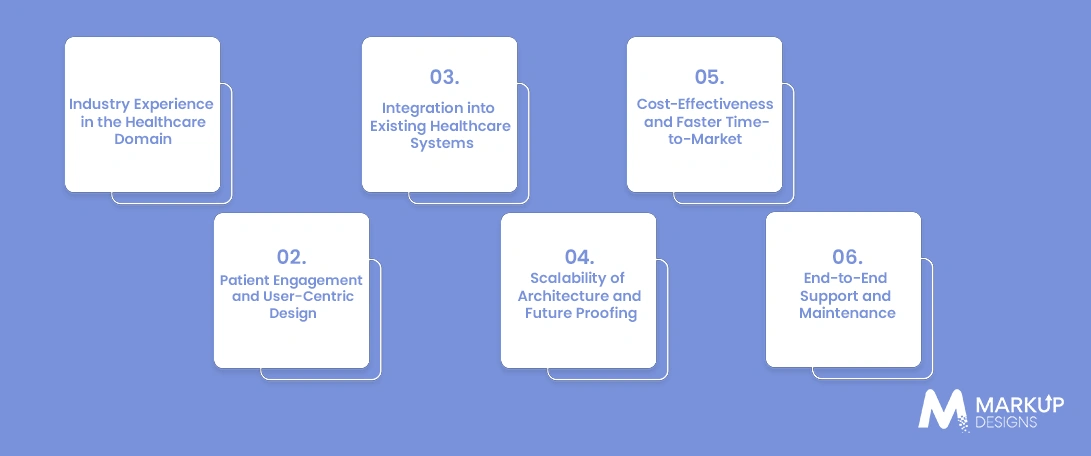
Industry Experience in the Healthcare Domain
Creating medical software is a complex process requiring multiple areas of expertise. Beyond the specific technical abilities of a software development team, understanding clinical workflows, healthcare operations, effectively engaging patients, contract negotiations with payers, and maintaining compliance within the healthcare industry are just as important. When searching for software development partners, organizations should look for companies with a proven record of working in healthcare and an excellent understanding of the healthcare ecosystem.
Patient Engagement and User-Centric Design
In order for a healthcare application to be successful, users—patients, physicians, nurses, administrators, and caregivers- must adopt and use the application. Each user has a different way they interact with healthcare applications. Application development must therefore include elements such as user-friendly navigation, accessibility for all user types, personalized experiences for all user types, multilingual capabilities, and a smooth and seamless experience for all users to promote long-term engagement and satisfaction with the application.
Integration into Existing Healthcare Systems
Multiple systems within the healthcare system must work together effectively so that the delivery of care is carried out with as few problems or redundancies as possible. Consequently, all healthcare applications developed must integrate into a healthcare organization’s electronic health record/security system; insurance claim system; lab systems; pharmacy system; and third-party healthcare technologies. The greater the level of interoperability between systems, the easier time care coordination will have in being carried out, the fewer redundant operational processes there will be, and the more effective and enhanced each user’s ability will be to make informed decisions.
Scalability of Architecture and Future Proofing
Technology in the healthcare arena is rapidly evolving. Therefore, healthcare providers need to develop a scalable technology platform that is scalable enough to support future growth, added integrations, advanced technologies, and increasing populations of patients over time. A healthcare provider that develops future-proofed architecture will create the greatest long-term value and adapt readily to the changing demands of the industry.
Cost-Effectiveness and Faster Time-to-Market
Healthcare organizations should find a balance between quality of care, functionality, and development cost when deciding which digital healthcare solution to invest in. Selecting the appropriate development methodology, technology stack, and implementation strategy can result in significant cost reductions and accelerated time to market. Organizations that focus more on strategic planning and the use of agile development methodologies will generally achieve quicker returns on their investment.
End-to-End Support and Maintenance
The development of healthcare applications does not end once they go live. Ongoing maintenance, infrastructure management, security updates, performance, and enhancement of features are all critical components needed to ensure that an application continues to work reliably over time and is compliant with regulatory guidelines. A well-defined strategy for post-launch support is essential to maximize the overall performance of the application and maintain user satisfaction.
The Importance of Healthcare Interoperability Standards
An increasingly interconnected healthcare ecosystem makes interoperability standards a key enabler to seamless communications between systems. Standards such as HL7 and FHIR provide healthcare applications with the means to securely and efficiently exchange information across hospital systems, clinical systems, laboratory systems, insurance company systems, and government healthcare platforms.
By implementing interoperability standards, healthcare organizations will reduce silos of information, improve care coordination, enhance patient experiences, and allow for more efficient delivery of healthcare services.
Healthcare Apps Supporting Dubai’s Medical Tourism Industry
Dubai is becoming known as a major hub for medical tourism, with people travelling from across the world to get specific care and state-of-the-art health services. Healthcare apps can greatly enhance the overall experience of people coming for medical tourism, specifically by providing virtual consultations, scheduling appointments, sharing medical records across multiple languages, planning for treatment, and providing after-care follow-up care.
New Medical Technologies Impacting Healthcare Apps
The rapid advancement of new technologies is reshaping the future of health delivery in Dubai by improving overall health outcomes, streamlining operations, and creating a more personalized experience for each patient. As healthcare organisations continue their digital transformation journey, new technologies are essential components of modern healthcare applications. By investing in these technologies today, organizations will have a better chance to meet the constant changes in patient expectations while supporting long-term business goals outlined in Dubai’s Vision 2040.
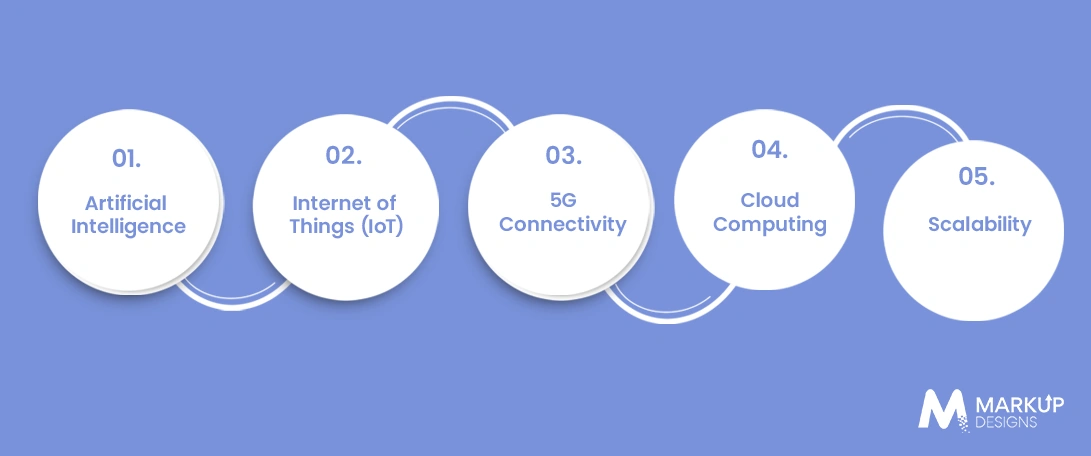
Artificial Intelligence
Artificial Intelligence (AI) is changing how healthcare providers diagnose, treat and manage patient care. Healthcare application developers are increasingly integrating AI capabilities into their products, enabling healthcare providers to make faster, more accurate and more efficient patient care decisions.
Using AI, healthcare professionals will be able to evaluate large amounts of patient information in real time, allowing them to identify trends and identify patterns that may have been difficult to find through manual methods.
Artificial intelligence (AI) is helping keep patients engaged with their care by providing customized health recommendations, sending reminders for medications, and giving updates about their health based on their unique health data. As AI progresses, experts believe that it will have an even larger impact on preventing disease and providing patients with individualized treatment planning.
Internet of Things (IoT)
The Internet of Things (IoT) is changing the way we deliver healthcare by joining medical devices, wearable technologies, and healthcare systems together in one interconnected system. IoT devices allow healthcare providers to collect and remotely monitor a continuous stream of patient data without the patient needing to have multiple visits to the hospital.
Wearable technologies such as smart watches, fitness trackers, glucose monitors, blood pressure monitors, and cardiac monitors provide real-time health information. The health information these devices provide can be sent directly to doctors so that they can keep track of their patients’ health from a distance. As a result, doctors can detect possible complications and assist before major medical problems develop.
IoT technology has great potential for managing chronic diseases, such as diabetes, heart disease, and lung disease. In addition, IoT-enabled remote patient monitoring programs help to improve patient care and prevent hospitalizations while lowering health care costs. As the use of connected health care grows, IoT is becoming a foundation of patient-centered care.
How to Choose the Right IoT Development Company in the Middle East
The future of business in the Middle East is connected. See how custom IoT development is driving innovation across industries.
5G Connectivity
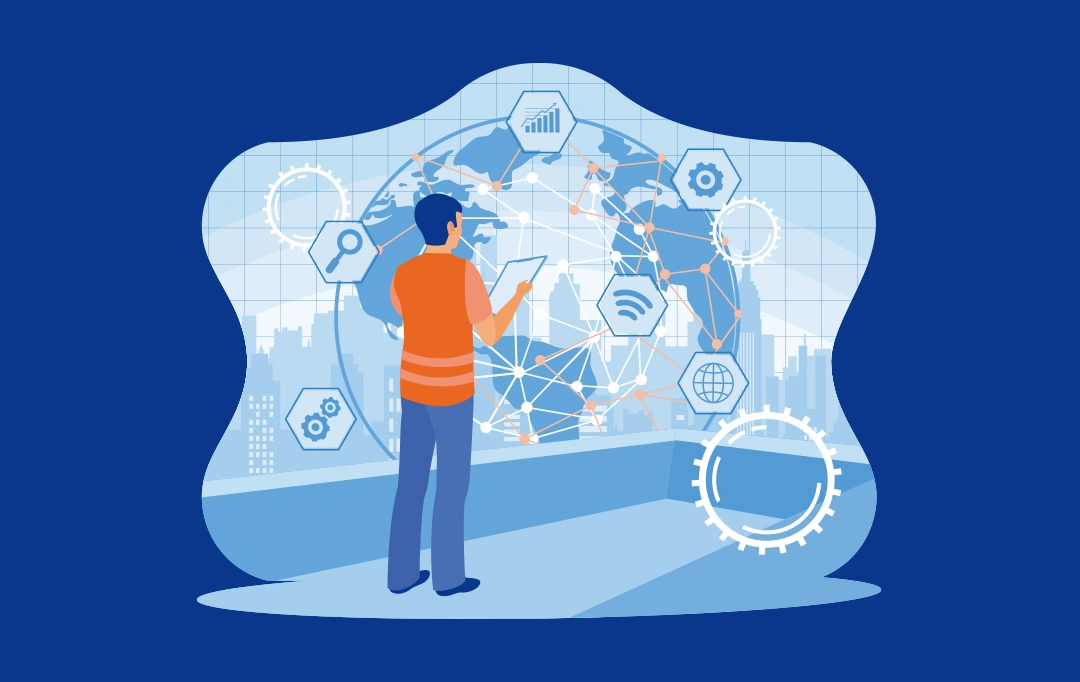
The introduction of 5G provides new opportunities for innovative advances in the healthcare industry. With significantly increased data transfer rates, lower latency, and improved reliability of the network, healthcare applications will now be able to offer services that previously could not be implemented effectively.
Probably the most impactful part of 5G will be its ability to facilitate high-quality telemedicine consultations. Healthcare providers will be able to perform uninterrupted video consultations, provide immediate access to large medical files and be able to collaborate in real time with specialists who are working in remote areas of the country. It will also increase the efficiency of real-time remote patient monitoring because healthcare data will be transferred in an instant, with no time lost.
In addition, 5G will enable new healthcare applications such as remote diagnostics, virtual healthcare experiences, advanced augmented reality-based medical training and real time coordination of emergency response services. The continued expansion of the use of connected devices and data-intensive applications by healthcare organizations will make 5G infrastructure crucial to the development of future innovations in healthcare.
Cloud Computing
Modern healthcare application development relies heavily on cloud computing technology. It provides the flexibility to build applications on a scale that is suitable for the rapidly growing healthcare ecosystem. Instead of using traditional on-premise to host applications, healthcare organizations can utilize cloud-based systems to manage patient data, manage applications and deliver healthcare services more efficiently.
With cloud-based healthcare solutions, authorized individuals can securely connect and remotely share information across three or more locations. As more people join the healthcare team, they can use cloud-based healthcare apps to facilitate cooperation through better access to data. It enables professionals throughout healthcare, including physicians, to communicate better, improving their consistency and therefore their overall success. The cloud also simplifies data storage and the management of backups, disaster recovery, and systems maintenance, allowing users to save money on infrastructure while helping to provide a unified experience for patients.
Scalability
Healthcare organizations can also grow rapidly in response to increased patient volume or adding new services, as well as adjust to rapidly changing technology demands, without having to invest significant amounts of capital in IT infrastructure. Cloud platforms provide a foundation for integrating cutting-edge technologies, including AI, machine learning, big data analytics, and IoT technologies.
As healthcare organizations continue on their digital transformation paths, cloud computing will remain an essential enabler of innovation, operational efficiency, and long-term growth.
Creating Future-Ready Healthcare Systems
Collectively, AI, IoT, 5G connectivity, and cloud-based computing are reshaping the way the delivery and management of healthcare services occur, as well as how patients receive them. These technologies enable healthcare organizations to implement an entirely new standard of care through connected, data-driven, and patient-centered models. Working with emerging technologies helps healthcare organizations in Dubai achieve a strategic advantage while contributing towards Dubai’s Vision 2040 and developing a future-ready healthcare system.
Healthcare app development can be fraught with challenges for organizations starting in their own legacy systems, through to integrations with legacy systems, data security requirements, compliance with regulations, and end-user adoption issues. To be successful with healthcare projects, organizations must plan properly, implement a scalable architecture, and use a robust security framework while being involved with stakeholders and undertaking continuous improvement plans.
Healthcare App Development Partners in Dubai
Choosing the right partner when developing a mobile application is critical to the success of the healthcare application. To make the best decision, organizations should consider the partner’s portfolio of healthcare applications, technical capability, regulatory experience, integration experience, security procedures, and the support offered after the application has been launched. A partner with proven healthcare experience will enable organizations to successfully navigate the challenges within the industry while accelerating their digital transformation initiatives.
How We Can Help at Markup Designs
Healthcare app development requires an understanding of technology beyond simply having a technical skill set. A healthcare organization should seek a technology development partner with a comprehensive understanding of regulations, patient expectations, operations, security, and future scalability. At Markup Designs, we develop with a focus on providing our clients with safe, scalable, and user-friendly healthcare applications leveraging modern technologies combined with proven healthcare development methodologies that support their long-term digital transformation objectives.
Healthcare Strategy and Consulting
A successful healthcare application starts with a definitive strategy. Before development begins, we partner with providers of healthcare services—such as clinics, hospitals, diagnostic facilities, and emerging businesses- to determine their goals, operational obstacles, needs of patients, and desires for growth.
By focusing on the identification of opportunities for digital transformation, optimizing processes, and helping our clients identify the right technology for their business, we help healthcare organizations build solutions that provide measurable value to their facility while supporting growth into the future.
Whether creating a brand new platform or modernizing an existing one, our strategic planning methodology includes ensuring that every decision traversed through all phases of development results in improved patient experience, increased operating efficiency, and better business performance.
Custom Development of Healthcare Applications
Since healthcare organizations have specific needs that off-the-shelf products cannot meet, Markup Designs provides customized healthcare application development that is specific to the needs of each organization.
We create customized applications that cover many types of services provided in the healthcare sector, including but not limited to telemedicine, patient engagement, appointment scheduling, health portals, EMR systems, remote patient monitoring, and management systems. Every application is designed to be scalable, perform well, and be easy to use so that healthcare providers can easily adapt to the ever-changing needs of their patients and of the healthcare system itself. By providing custom solutions, we give organizations the ability to create digital solutions that reflect their business practices and provide a meaningful benefit to both the patients and their healthcare providers.
Security and Compliance Focused Development
Security and compliance are essential components of any healthcare application. Healthcare organizations store highly sensitive personal health data that must be kept secure from unauthorized access, cyber threats, and regulatory violations.
At Markup Designs, we build security into the entire development lifecycle as opposed to adding it on at the end when the application is ready to be launched. Our development strategies emphasize building secure architectures that protect patient data while simultaneously supporting compliance requirements.
We apply industry best practices to build secure transmission between applications, secure access through authentication systems, and layered security into physical architectures in order to help our clients protect their most sensitive data. As such, we ensure that every application is built with a strong emphasis on security, privacy, and reliability in order to help our clients maintain their patients’ trust and comply with necessary regulations.
Integration and Interoperability Knowledge
Integrated healthcare infrastructures require multiple systems working in concert with one another. The success of healthcare apps relies heavily on the ability of those apps to communicate with existing health care technological systems and other third-party platforms.
Markup Designs works with healthcare organizations to develop interoperable healthcare applications that connect their electronic health records, electronic medical records, insurance companies, laboratories, pharmacies, wearables, and other types of healthcare technologies.
Helping organizations exchange data seamlessly across the entire health care ecosystem will enable them to achieve higher operational efficiencies, reduce manual workflows, eliminate data silos, and improve care coordination. By leveraging our experience designing and implementing integrations for health care organizations, healthcare providers can benefit from a connected digital environment that supports providing better care to patients and making better-informed decisions.
Sustained Support and Innovative Solutions
As technology changes in the health care field, successful health care applications will continue to need optimization long after their initial launch. At Markup Designs, we are not only committed to development and delivery, but we also provide long-term support (e.g., to assist healthcare organizations throughout the lifecycle of their application), including post-production support, maintenance, performance monitoring, infrastructure management, security updates, and feature enhancements to ensure that healthcare applications are usable, secure, and compliant.
As healthcare organizations grow (in terms of both their physical size and the sophistication of their technologies) and develop strategies for innovating through the use of technology, we assist these organizations by developing innovative solutions, optimizing existing systems, and supporting new innovation initiatives.
Our long-term partnership with healthcare organizations allows them to continuously improve the functionality of their digital healthcare applications to better meet the new needs of patients, changing industry trends, and regulatory compliance.
Partnering for Healthcare Innovation
With Dubai pursuing its goal of achieving the Dubai Vision 2040 objectives, there are many technology solutions needed by healthcare organizations to support innovation, efficiencies, and deliver patient-centered care. By combining industry wisdom, technical excellence, and strategic thought, Markup Designs empowers healthcare providers to create future-ready healthcare applications that produce meaningful business and patient outcomes.
Whether you are envisioning a telemedicine platform, a patient engagement solution, a healthcare management system, or a complete digital integrated healthcare ecosystem, our team can help transform your vision into a secure, scalable, and high-performance healthcare application that meets the demands of today’s market.
Build Your Future-Ready Healthcare Application for Dubai Vision 2040
Transform patient experiences, increase operational efficiency, and enhance digital innovation through a secure and scalable healthcare application built specifically for your business objectives.Connect with Markup Designs and develop healthcare solutions that fit Dubai’s growing healthcare ecosystem, as well as the overall digital transformation strategy of the city.
Conclusion
The development of healthcare applications is having a significant impact on the future of healthcare delivery in Dubai. As Dubai keeps making progress towards what was established in Dubai Vision 2040, healthcare providers are using an increasing number of digital solutions to improve access, improve operational efficiency, increase patient engagement, and positively impact clinical outcomes.
To create a successful healthcare application, you need to follow more than just the latest technologies. Organizations need to find an equilibrium between regulatory compliance with their processes, obtaining data security, assuring interoperability amongst systems, providing scalability for future growth, developing user-friendly experiences, and finally ensuring that they continue to innovate over time. The health technology solutions, such as telehealth services, remote patient monitoring devices, AI-driven healthcare platforms, and connected health ecosystems, are transforming how patients receive and experience care today.
Providers of healthcare services who are willing to invest in secure, scalable, and future-ready health technology solutions will be able to respond to developing patient expectations, enhance operational performance, and remain competitive as the healthcare industry continues to become increasingly digital. Working with an experienced developer of healthcare applications can help an organization speed up its digital transformation journey while also supporting Dubai’s goal of becoming one of the world’s top 10 advanced health systems.
FAQs
1. What types of features do healthcare applications for Dubai need to provide?
The features of your healthcare application for Dubai will depend on your organization’s objectives and its patients or clients. However, the majority of today’s healthcare applications currently have similar, some variation within, the following elements: appointments, Telehealth, access to patient medical records, prescription management, secure messaging, integration of payments, health assessments (or monitoring), and notifications. More sophisticated applications may also incorporate artificial intelligence, integration with wearables, and have the ability to remotely monitor patients as part of their patient care delivery and, where possible, to increase patient engagement.
2. Are UAE healthcare regulations applicable to healthcare applications?
Yes, if a healthcare application is operating in Dubai, it has to comply with all the relevant UAE healthcare regulations, data protection laws, and healthcare security requirements. Each of the organizations responsible for developing or distributing healthcare applications must ensure that they are collecting, storing, transmitting, and accessing patient information in a secure manner and following the appropriate compliance frameworks applicable to the healthcare sector. Compliance with applicable regulations is essential to ensure that patients continue to trust organizations that manage their sensitive data and to mitigate potential legal and financial liabilities.
3. How long will it take for a healthcare application to be developed in Dubai?
The development timelines will depend on things such as the complexity of the application, how many features are required, what integrations are required, what compliance implications there are, and what level of customization is needed. For example, a basic healthcare application may take several months to be developed. However, a more advanced solution that has telehealth capabilities, AI capabilities, EHR integration, and remote patient monitoring capabilities may take considerably longer to develop. Typically, if you can properly plan and execute a phased development approach, it will help to shorten the amount of time it takes to get your application to market.
4. Why is interoperability important for the development of healthcare applications?
Interoperability allows for the sharing of data between healthcare applications and other healthcare systems such as EHRs, insurance carriers, labs, pharmacies, and connected medical devices. A basic healthcare application may take a few months to develop, while more advanced solutions involving telemedicine, AI capabilities, EHR integrations, and remote monitoring features can require significantly longer development cycles. Proper planning and a phased development approach often help accelerate time-to-market.
5. Why is interoperability important in healthcare app development?
Interoperability allows healthcare applications to communicate and exchange information with other healthcare systems, such as electronic health records, insurance platforms, laboratory systems, pharmacy networks, and connected medical devices. t outcomes while delivering more connected and efficient healthcare services.
Author's Perspective
The healthcare industry is entering a period where digital innovation is no longer a choice—it is a necessity. While many organizations focus on features and technology stacks when planning healthcare applications, the most successful healthcare platforms are those that solve real operational challenges and create meaningful improvements in patient care.
In Dubai’s rapidly evolving healthcare environment, healthcare applications should be viewed as long-term strategic investments rather than short-term technology projects. The organizations that will lead the future of healthcare are those that prioritize patient-centric experiences, data-driven decision-making, seamless interoperability, and continuous innovation.
As technologies such as artificial intelligence, IoT, cloud computing, and predictive analytics continue to mature, healthcare applications will become even more intelligent, connected, and impactful. For healthcare providers in Dubai, now is the ideal time to invest in digital healthcare solutions that not only address current needs but also prepare for the opportunities and challenges of the future. A well-planned healthcare application can become a powerful foundation for growth, innovation, and improved patient outcomes in the years ahead.
Discuss Your Project NowJupinder Singh Arora
Founder and CEO
Related Posts

Navigation App Development Guide: Building GPS Apps Like...

iOS vs. Android App Development in Abu Dhabi:...

How AI-powered App Development is Transforming Mobile Apps...
Insights Are Valuable & Execution is Priceless
You’ve read about the digital future. Now, let’s build the infrastructure to take you there. Move your strategy from the page to the product.
Design Your Solution Now
Contact Us
Schedule The Appointment At Your Convenience Date And Time.
30 Min
Web Conference
Time Zone
Indian standard time (08:30pm)

Thanks For Getting In Touch!
You’ve Taken The First Step Toward Transforming Your Digital Presence. Our Experts Will Reach Out Shortly To Take It Forward.
Launch Your Dream Project
Provide a brief overview of your project, and our specialists will evaluate your requirements. We will connect with you to explore how the right digital solutions can help you launch faster.