

In Brief
- Creating a fitness app similar to Hevy might cost $30,000-$180,000+ depending on a number of factors such as app features, targeted platforms, design aspects, integration needs, development team, etc.
- Among the core features of fitness apps, one might mention user accounts, workout/exercise management, routine management, analytics, exercise databases, communities, notifications, subscriptions, payments, etc. Additionally, advanced fitness apps might support AI, wearables, and health features.
- The development process includes user research, MVP planning, design of UI/UX, technology stack selection, development, API integration, testing, deployment, improvements, etc. Creating an MVP will take 3-4 months, while developing advanced platforms will take 7-12+ months.
- Revenue for fitness apps is generated through subscription models, premium workout plans, in-app purchases, personal training, fitness products marketplace, etc.
- MVP-based approach, focusing on valuable features, cross-platform development, using reliable APIs and adding advanced functionality in phases, will allow controlling the costs of creating a scalable fitness app.
The emergence of fitness applications has radically transformed workout plans, tracking of physical activities, and their monitoring. Users no longer need the help of personal trainers or standard gym classes in this matter, as they can manage their workouts, control their performance, and measure improvements through a smartphone app. Fitness applications such as Hevy have enhanced the user experience through the integration of workout logging, workout routines, and social network features.
For companies that are going to launch a digital fitness product, developing a similar application can be an excellent option. Nevertheless, one of the most frequently asked questions is, “What is the cost to build a fitness app like Hevy?”
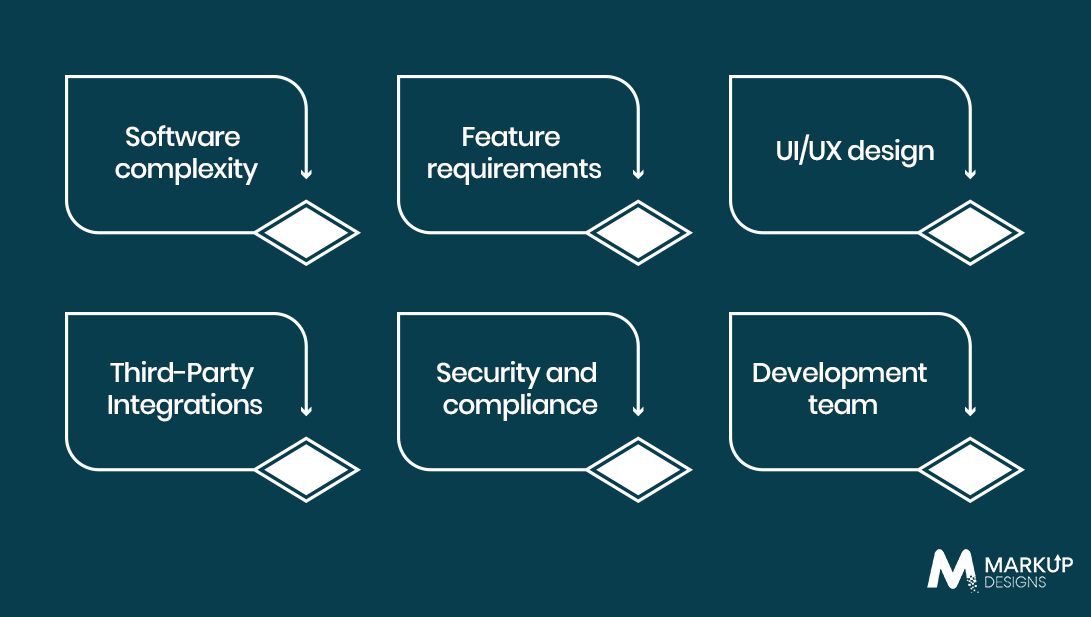
The cost depends on many factors, such as the app functionality, design, the number of platforms, integrations, and the development team. Thus, developing a simple workout logging app is less expensive than creating a complex platform with additional options for socialization, subscription, compatibility with wearables, or artificial intelligence integration services.
In this blog, we will review the cost estimation of Hevy-like app development, key features, development process, budgeting, timeline, monetization strategies, and how to save on the development cost of a fitness application.
What is a Fitness App Like Hevy?
An app for fitness, such as Hevy, is aimed at helping the user organize their fitness routine by planning, scheduling, and tracking workouts in one application. The app is mainly targeted at facilitating strength training exercises and workout tracking.
While a standard app for fitness would only consist of videos and workout plans, an app similar to Hevy can be much more advanced. Users of such an app can make workout routines, track exercises and progress in them, see how many sets and repetitions they’ve done, and how they are progressing.
A social component can be added to the app that would enable users to share their workouts, interact with people interested in fitness, and stay motivated through communication. Premium features can also be utilized in order to facilitate the monetization process for such an app.
For a company developing a similar app, it would be advisable to first introduce basic tracking features and then, with time, develop more sophisticated functionalities like AI suggestions, tracking of wearables, personalization of workouts, and workout analytics.
How Much Does It Cost to Build a Fitness App Like Hevy?
Depending on the app’s complexity, features, and many other factors, the cost of developing a fitness app such as Hevy can vary between $30,000 to $180,000+. The development cost for a basic MVP app that allows people to log their workouts is much lower than for a more advanced app that includes social and subscription features, among others.
| App Type | Estimated Cost | Development Timeline |
| Basic MVP | $30,000–$50,000 | 3–4 months |
| Mid-Level App | $50,000–$100,000 | 4–7 months |
| Advanced App | $100,000–$180,000+ | 7–12+ months |
An MVP could have features such as user signup, workouts, libraries of exercises, routines, progress tracking, and an administrative dashboard. An intermediate-level app could then be developed that includes social integration, subscription services, analytics, push notifications, and integrations with other apps.
Advanced-level features for a fitness application, such as AI-based workout suggestions, integration with wearables, and personalized experiences, could result in higher costs.
Key Features to Build a Fitness App Like Hevy
There are several essential features that need to be developed for users to easily plan, schedule, and track their workouts. When creating an application like Hevy, one should concentrate on features that will attract and motivate users to use the service and observe their progress.
User registration & profiles
Users have to be able to register using means such as email, phone number, or social account. The user profile may contain such information as his fitness goals, preferences, personal records, etc.
Workout & exercise tracking
Users may record their exercises, sets, reps, weight, pause between exercises, and total workout time.
Routine & workout planning
The application should enable users to create their own workout routines, choose the exercises, schedule workout times etc. Pre-made workout routines may also be offered to users to motivate them to start working out right away.
Progress tracking & analytics
With the help of charts and graphs, workout history, personal records, and performance statistics, users may analyze their own progress.
Social & community features
The presence of social feed, exercise sharing, likes, comments, follows, and challenges will help build a better fitness community and keep users engaged with the app.
Subscriptions & payments
Subscriptions enable businesses to provide premium services, including workouts, analytics, special content, and other paid options, while still providing key functionalities through a free package.
Fitness App Development Cost Breakdown by Feature
The total cost of developing a fitness application greatly depends on the number of features to be integrated into it. Simple features like user account registration and workout logging don’t take much time or cost to develop. However, more sophisticated features will cost more.
Here is an estimated breakdown of common features for a Hevy-like fitness app:
| Feature | Estimated Cost |
| User Registration & Profiles | $2,000–$5,000 |
| Workout & Exercise Tracking | $5,000–$12,000 |
| Workout Routines & Planning | $4,000–$9,000 |
| Progress Tracking & Analytics | $4,000–$10,000 |
| Social & Community Features | $6,000–$15,000 |
| Exercise Library & Media | $3,000–$8,000 |
| Push Notifications | $1,500–$4,000 |
| Subscriptions & Payments | $3,000–$7,000 |
| Admin Dashboard | $4,000–$10,000 |
These are indicative costs and may differ depending on the choice of technologies, platforms, the level of complexity of UI/UX designs, and the development team. For instance, adding the functionality of wearable devices, artificial intelligence recommendations, and integration with health platforms will take extra development time.
To ensure better cost management, businesses should start with developing the most critical functionalities and add advanced capabilities in future versions.
Ready to Build Your Own Fitness App?
A successful fitness app starts with the right features, technology, and development strategy. Let’s turn your fitness app idea into a scalable digital product.

How to Build a Fitness App Like Hevy?
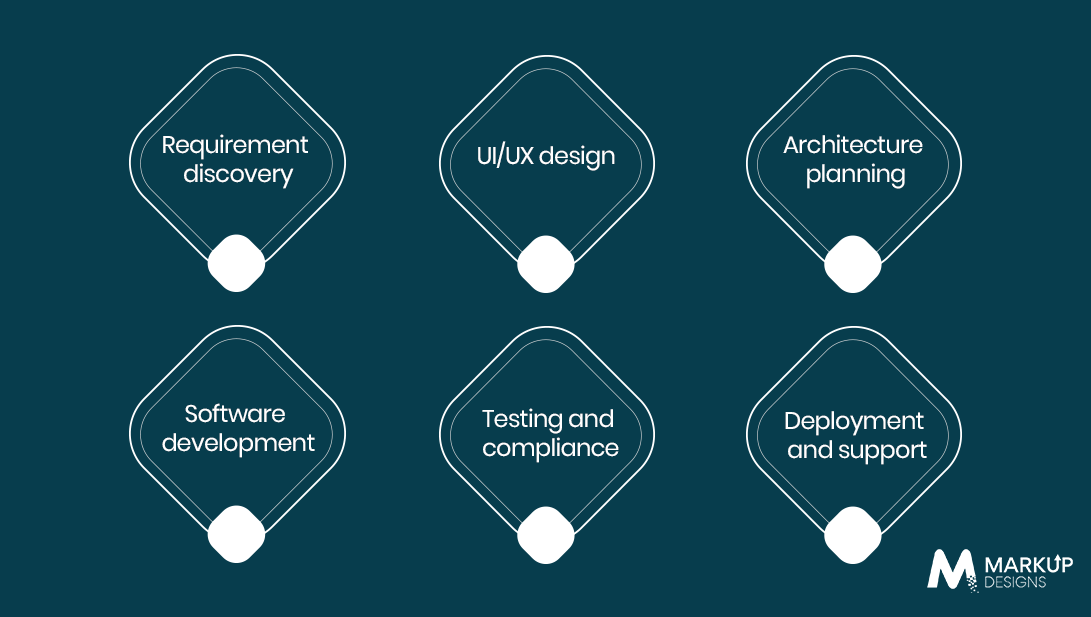
In addition to developing features for workout tracking, it is crucial to conduct research on the target audience, define the proper feature set and technology stack, and design an engaging user experience for the product.
Define app concept & audience
Define which type of users will use the app, whether gym-goers, beginners, athletes, personal trainers, or fitness buffs.
Plan MVP features
Identify the key features to develop the app prototype with. Workout logging, exercise tracking, routines, profiles, and progress monitoring may become the MVP features.
Design UI/UX
Design the user-friendly and convenient interface of the app. The user should be able to start the workout, track his/her exercise, and see the progress in an easy way.
Choose a technology stack
Choose the proper technologies depending on your platform, scalability needs, integrations, budget, and other factors. Cross-platform technologies may be considered when developing an app for iOS and Android at once.
Develop & integrate APIs
Work on the frontend and backend, integrating the necessary APIs such as payment systems, notification services, healthcare platforms, analytics, or wearables.
Test, launch & improve
Test the app across various devices and different use cases prior to launching. After launching, continue improving based on the feedback and usage statistics.
How Long Does It Take to Build a Fitness App Like Hevy?
The development time for a fitness application similar to Hevy depends on the number of features that will be integrated, as well as the complexity of the project. The development time for a minimum viable product will be shorter compared to a comprehensive fitness platform that is equipped with many additional features.
| Development Stage | Estimated Time |
| Research & Planning | 2–4 weeks |
| UI/UX Design | 3–6 weeks |
| App Development | 8–14 weeks |
| API & Third-Party Integrations | 2–5 weeks |
| Testing & QA | 3–5 weeks |
| Launch & Deployment | 1–2 weeks |
A basic MVP development for a fitness application is likely to take between 3 to 4 months, whereas a mid-range application may take 4 to 7 months. An advanced version of an app like Hevy incorporating AI, integration with wearables app development, social media features, and sophisticated analytics will require more than 7 to 12 months.
In addition to that, the project development time may vary according to the platform the application will run on, whether it will be developed for one or two operating systems – iOS and Android.
How Does a Fitness App Like Hevy Make Money?
There are many ways to make money from a fitness application while ensuring the usability of the product by the users. Below, I will share several examples of revenue streams based on the monetization of different aspects of the app.
Freemium subscriptions
Make basic workout tracking free, but charge users for extra services like analytics, an unlimited number of workout routines, or exclusive content.
Premium workout plans
Allow paying users to access workout programs, fitness plans, or special workouts designed by experts.
In-app purchases
Allow users to purchase a single premium feature, workout routine, challenge, or other digital content as a one-time payment.
Personal training services
Enable users to buy consultation services from professional personal trainers through the app.
Fitness product marketplace
A fitness app may earn additional income from selling or promoting any kind of product, such as gym equipment, accessories, or supplements.
Sponsored content & partnerships
Fitness, gyms, trainers, and brands can become partners with the app and promote their products or services inside the app.
How to Reduce Fitness App Development Costs?
Creating an advanced fitness application does not necessarily mean spending big money right away. Developing an application in phases will enable you to spend your budget wisely and at the same time, make sure that your product evolves according to the needs of its users.
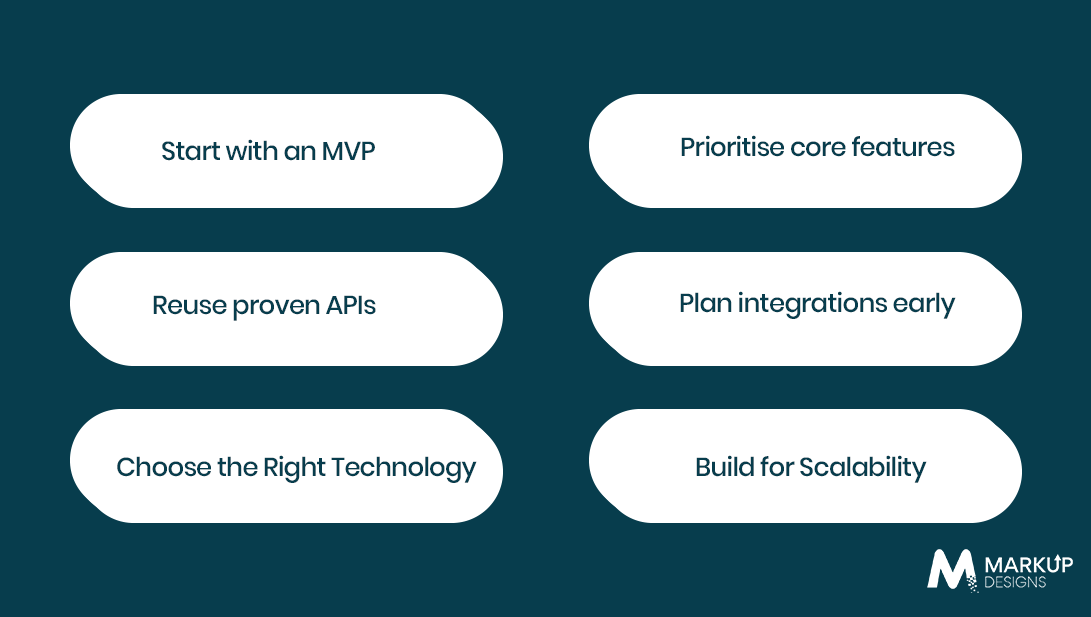
- Begin with MVP: Start developing the app with necessary functionality such as training, exercises, profiles, and performance tracking.
- Make Priorities: First, pay attention to those features that positively impact the user experience and add value to your business.
- Select Cross-Platform Frameworks: Think about using cross-platform frameworks like Flutter or React Native when you have to create iOS and Android apps.
- Use Proven APIs: You can save time and effort creating standard services thanks to third-party APIs.
- Develop in Phases: Integrate AI, wearables, analytics, and other complicated features only after proving that your product works.
- Plan Development Carefully: Proper planning, requirement gathering, testing, and development team experience might save you money later.
Why Build a Fitness App Like Hevy With Markup Designs?
Designing a fitness application like Hevy necessitates the knowledge of both customer requirements and fitness technologies. At Markup Designs, we provide services for designing digital fitness apps in line with appropriate technology and design elements. We can cover everything from concept development and UI/UX design through development (both mobile and backend development), integration of APIs, testing, and launching.
If you are looking for a focused MVP for your project or a full-scale product, we can recommend one depending on your objectives and financial considerations. Our services can include development of workout tracking, subscription, analytics, connectivity to wearables, and other features that your product might need. With 14+ years of experience and 200+ experts at Markup Designs, we aim to create fitness solutions that are user-friendly, scalable, and ready for future growth.
Have a Fitness App Idea in Mind?
Turn your fitness app concept into a reliable digital product with the right features, technology, and development strategy.

Conclusion
Developing a fitness application like Hevy may prove to be a good chance for companies interested in entering the emerging market of digital fitness solutions. Proper choice of features can make the product really helpful for fitness enthusiasts.
The cost of developing a fitness application like Hevy will depend on the level of complexity of your app, the platforms to be used, its integration, design, and other factors. It will be somewhere between $30,000 and $180,000+. At the same time, the development process may take 3-12+ months or even longer.
Creating a basic MVP is a sensible strategy for launching your fitness application. After your app attracts users and gets their feedback, you can consider implementing additional advanced features into it, such as AI-powered recommendations, integrating your app with wearables, etc.
By careful planning, the use of proper technologies, and a professional dedicated development team, it is possible to create a scalable, engaging fitness application.
FAQs
1. How much does it cost to build a fitness app like Hevy?
A fitness app like Hevy can cost around $30,000 to $180,000+, depending on features, platforms, integrations, design complexity, and development requirements.
2. How long does it take to develop a Hevy-like fitness app?
A basic MVP can take around 3–4 months, while a mid-level or advanced fitness app can take 4–12+ months, depending on its feature set.
3. What are the main features of a Hevy-like fitness app?
Core features can include user profiles, workout tracking, exercise libraries, workout routines, progress analytics, social features, notifications, and subscriptions.
4. Can I build a fitness app with an MVP first?
Yes. Starting with an MVP allows you to launch essential features, collect user feedback, validate the idea, and gradually introduce more advanced functionality.
5. How can I monetize a fitness tracking app?
Common options include subscriptions, premium workout plans, in-app purchases, personal training services, fitness product sales, and brand partnerships.
Author's Perspective
The fitness app market is moving beyond simple workout libraries toward more connected and personalized digital experiences. A Hevy-like app can combine workout tracking, progress monitoring, community engagement, and premium services in one platform.
For businesses, starting with a focused MVP is a practical way to test the concept without investing in every advanced feature at once. As the user base grows, features such as AI recommendations, wearable integrations, and deeper analytics can be introduced based on real user needs.
The key is to build an app that makes fitness tracking simple, useful, and consistent while creating enough value to keep users engaged over time.
Discuss Your Project NowAjit Kumar Jha
VP - Business Operations
Insights Are Valuable & Execution is Priceless
You’ve read about the digital future. Now, let’s build the infrastructure to take you there. Move your strategy from the page to the product.
Design Your Solution Now
Contact Us
Schedule The Appointment At Your Convenience Date And Time.
30 Min
Web Conference
Time Zone
Indian standard time (08:30pm)

Thanks For Getting In Touch!
You’ve Taken The First Step Toward Transforming Your Digital Presence. Our Experts Will Reach Out Shortly To Take It Forward.
Launch Your Dream Project
Provide a brief overview of your project, and our specialists will evaluate your requirements. We will connect with you to explore how the right digital solutions can help you launch faster.