
In Brief
- Understand why banks today prioritise cybersecurity strategically.
- Learn about some of the largest cybersecurity challenges facing today’s financial institutions.
- Identify successful strategies for protecting bank data and the financial systems of the institution.
- Understand the major regulations that govern cyberspace (DORA, GDPR, PCI DSS, GLBA).
- Get insight into emerging trends that will impact the future of banking and cybersecurity.
With the emergence of AI services, mobile banking, cloud computing, and real-time payment solutions, the banking industry is experiencing rapid automation and digital transformation. This digital transformation has produced many opportunities for improving operational efficiency and providing customers with timely, relevant, and personalized service. The rise in the number of digital issues has expanded the attack surface of the banking sector, making banks more susceptible to sophisticated cyber attacks, including ransomware, phishing attacks targeted at the bank’s employees, insider attacks, and data breaches.
Banks are required to go beyond the basic security measures, adhering to the statutory obligations to protect their customers’ trust, comply with regulatory authorities’ requirements, and maintain continuous operation. The cyber safety regulatory environment has changed substantially due to the existence of DORA – Digital Operational Resilience Act-, GDPR – General Data Protection Regulation-, PCI DSS – Payment Card Industry Data Security Standard, and GLBA – Gramm-Leach-Bliley Act-. Therefore, the business necessity of adopting a proactive, resilient cybersecurity strategy has changed in terms of how they assess security risk, build in layers of security, and achieve optimal resilience against cyber threats.
This blog covers the major cybersecurity challenges faced by the banking sector, as well as best practices for protecting banks’ data and their customers’ financial systems from cyber threats and future trends that will shape secure digital banking in the future.
Why Cybersecurity is Important in Banking
The rapid adoption of digital banking, cloud computing, AI, and open banking APIs has transformed the financial sector, but it has also increased the risk of cyberattacks. Unlike many industries, cyber incidents in banking can lead to direct financial losses, identity theft, payment fraud, operational disruptions, and reputational damage. As a result, cybersecurity has become a strategic priority for banks looking to protect sensitive data, maintain customer trust, and comply with evolving regulations.
Protecting Sensitive Customer Information
Banks handle large amounts of confidential information, including customer identities, account details, payment information, transaction histories, and biometric data. Advanced security measures such as encryption, Multi-Factor Authentication (MFA), identity and access management, help protect the data from unauthorized access and cyber threats.
Preventing Financial Losses
Cyberattacks such as ransomware, phishing, Business Email Compromise (BEC), and account takeovers can result in significant financial losses, regulatory fines, and business disruption. Investing in proactive cybersecurity helps banks minimize risks and avoid the costs associated with recovering from security breaches.
Maintaining Customer Trust
Customer confidence is built on the assurance that their financial information is secure. Strong cybersecurity practices protect digital banking channels, reduce fraud, and reinforce trust, encouraging customers to continue using online and mobile banking services.
Supporting Regulatory Compliance
Financial institutions must comply with stringent regulations such as DORA, GDPR, PCI DSS, GLBA, CCPA, PIPEDA, and standards like ISO/IEC 27001 and the NIST Cybersecurity Framework. A robust cybersecurity program helps banks meet these compliance requirements while avoiding legal and financial penalties.
Ensuring Business Continuity
Banking services operate 24/7, making uninterrupted availability essential. Cybersecurity measures such as continuous monitoring, disaster recovery planning, secure backups, and incident response help protect critical services like online banking, digital payments, ATMs, and fund transfers from cyber disruptions.
Enabling Secure Digital Innovation
Technologies such as AI, blockchain, cloud computing, and open banking continue to reshape financial services. By integrating security throughout the software development lifecycle, banks can adopt these innovations confidently while protecting customer data, ensuring compliance, and reducing cyber risks.
Benefits of Cybersecurity in Banking
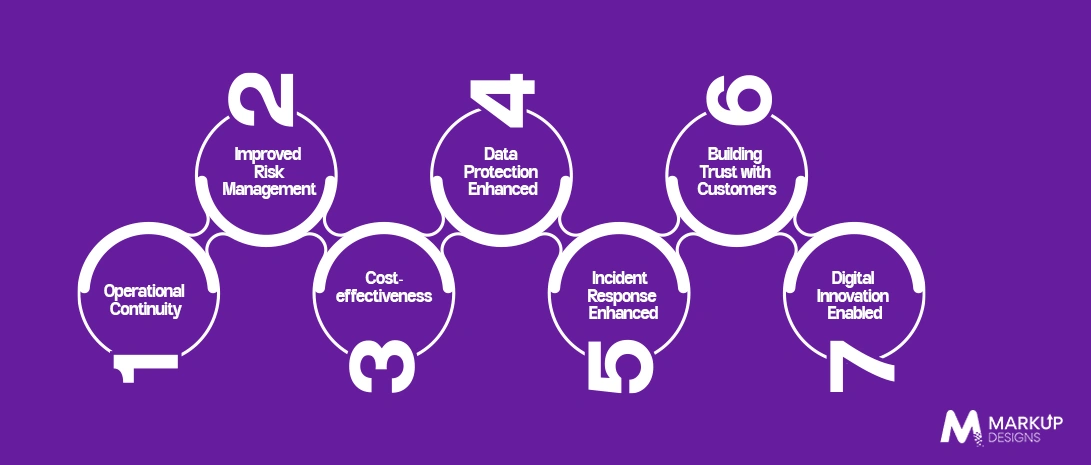
Banks use cybersecurity not only to defend against cybersecurity threats, but also as an enabler to ensure secure bank operations, provide confidence to clients, and assist with achieving long-term digital growth. The following outlines the advantages of investing in a strong cybersecurity strategy.
Operational Continuity
Through safeguarding mission-critical systems that include things like online banking, payment gateways, ATMs, and mobile applications, cybersecurity provides assurance that banks will be able to deliver uninterrupted banking services (operational continuity). Continuous system monitoring, disaster recovery programs, and advanced threat detection will allow banks to minimize downtime due to a cyber incident and maintain business continuity.
Improved Risk Management
Next-generation cybersecurity solutions enable banks to identify, assess, and manage risks that could undermine financial institutions prior to them developing into major threats. Banks implement vulnerability assessments, threat intelligence analysis, penetration testing, and AI-based monitoring systems to proactively monitor and respond to the dynamic cyber threats and thereby lower the operational risk.
Cost-effectiveness
While cybersecurity represents an ongoing investment, it reduces the financial impact of cyber incidents by preventing data breaches, fraud, regulatory fines, and service interruptions. According to IBM’s Cost of a Data Breach report, financial organizations historically have some of the highest data breach costs, making the preventative security investment highly cost-effective.
Better Data Protection
The banks deal with highly sensitive financial and personal information, requiring the need to have this data protected from unwarranted access. This is where multiple technologies come into play to protect that data as well as help banks comply with regulatory requirements such as GDPR and PCI DSS. Such technologies include encryption, MFA, RBAC, Tokenization, and DLP.
Incident Response Enhanced
A strong framework will allow banks to better detect and recover from cyber threats. Security solutions such as SIEM, SOAR, and EDR will help improve visibility into potential threats, thus improving response time and helping to reduce operational downtime.
Building Trust with Customers
Customers expect banks to provide reasonable measures to secure their financial information and secure their digital transactions with the bank. When banks utilize strong cybersecurity measures, customers have more trust in the financial institution and they are less likely to be victims of fraud or data breaches, therefore having a stronger relationship with the customer helps in improving the reputation of the bank.
Digital Innovation Enabled
Emerging technologies such as cloud computing, artificial intelligence, and blockchain technologies are rapidly transforming financial services. Banks that embed security into their software development lifecycle (through DevSecOps practices and API security) can confidently innovate and continue to maintain the security of their customer’s information as well as continue to comply with regulatory requirements.
Types of Cybersecurity Solutions for Banks
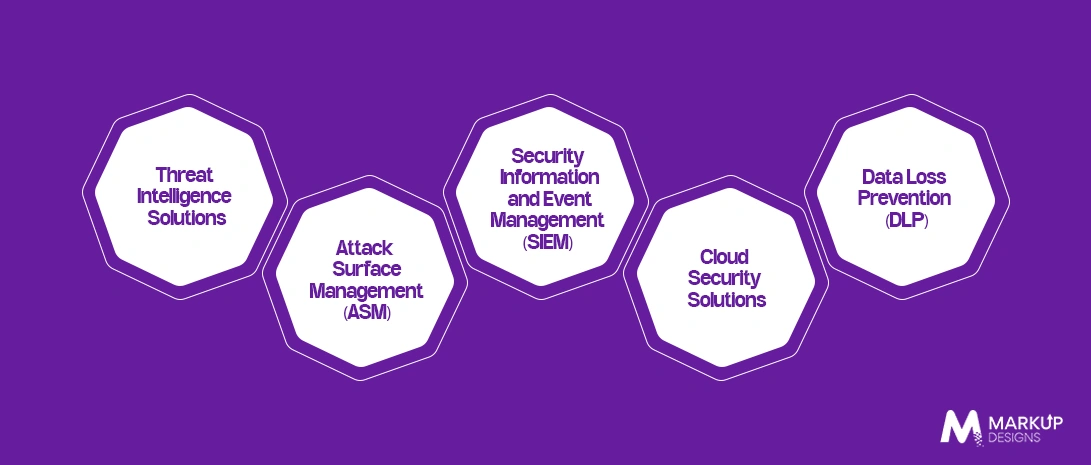
Utilizing various forms of cybersecurity solutions is imperative to protect banks against sophisticated cyber-attacks. Security companies utilize high-tech security systems to have the ability to detect sophisticated threats proactively, protect sensitive data, and ensure that an organization is prepared for an attack to ensure business continuity.
Threat Intelligence Solutions
Threat intelligence solutions utilize various sources of data from many parts of the world like threat feeds, security agencies, and the dark web, to analyze and predict new and developing threats to organizations. For banks, those new threats can consist of viruses such as ransomware, phishing attacks, zero-day vulnerabilities, and advanced persistent threats (APT). Cybersecurity solutions utilizing threat intelligence enable banks to anticipate potential threats and build a stronger defense against them before a cyber-attack occurs.
Attack Surface Management (ASM)
As banks continue to expand their digital presence through cloud services, application programming interfaces (APIs), mobile applications, and third parties, attack surface management (ASM) provides organizations with the tools needed to identify various risks, such as exposed assets, misconfigured security protocols, and various vulnerabilities. By continuously monitoring a company’s attack surface, security professionals can significantly reduce the risk of an attacker exploiting a system that may have been overlooked previously.
Security Information and Event Management (SIEM)
SIEM is a central monitoring and analysis solution. It collects and analyzes security log data from firewalls, servers, applications, endpoints, and cloud systems. By leveraging the capabilities of artificial intelligence and behavior analytics, security professionals can monitor abnormal activities such as unauthorized access, malware attacks, insider threats, and anomalous network activity, allowing for quicker response times when incidents occur.
Cloud Security Solutions
With more banking services moving to the cloud, protecting cloud infrastructure has become essential. Solutions such as Cloud Security Posture Management (CSPM), Cloud Workload Protection Platforms (CWPP), Identity and Access Management (IAM), and Cloud Access Security Brokers (CASB) help secure cloud workloads, manage user access, and maintain regulatory compliance.
Data Loss Prevention (DLP)
Data Loss Prevention (DLP) solutions help to protect sensitive financial data by helping to monitor and control how information is accessed, shared, or transmitted. DLP solutions assist in preventing the unauthorized issuance of customer records, payment information, and other private business data, and assist in compliance with data privacy regulations.
When banks incorporate these cybersecurity solutions into their environments, they can create a secure framework that not only prevents cyber threats but also allows for the detection and response to evolving cybersecurity issues while simultaneously providing secure banking operations.
Cybersecurity Best Practices for Modern Banking
As the sophistication of cybersecurity threat tactics continues to increase, banks must utilize a proactive approach to cybersecurity that incorporates advanced technology and strong policies while ensuring constant vigilance. The following best practices will help banks to build security, mitigate cybersecurity threats, and ensure compliance with regulatory standards.
Implement Strong Authentication Methods
Cyber criminals often use weak credentials as an entry point into systems. Therefore, banks should implement Multi-Factor Authentication (MFA), robust Password Policy Mechanisms, and Biometric Authentication to help verify user identities and mitigate unauthorized access to banking systems.
Regularly Update and Patch Systems
By keeping operating systems, applications, databases, and network devices up to date, banks can reduce the number of known vulnerabilities within their environments. Systematic Patch Management procedures are critical for protecting banks from Ransomware/Malware and Zero-Day attacks.
Conduct Regular Security Audits
Frequent vulnerability assessments and penetration tests can help banks find and fix security holes before they can be exploited by attackers. They will also ensure that security controls work as expected as financial institutions evolve over time.
Protect Sensitive Data
To protect customer data, banks should rely on encryption, role-based access control (RBAC), and tokenization to meet regulatory requirements (such as GDPR and PCI DSS).
Monitor Security Incidents and Respond to Them
By monitoring their information systems using a Security Information and Event Management (SIEM) Product, banks can identify suspicious activity in real-time. Having a well-defined incident response plan will help to rapidly include access to the network or data and minimize the financial and operational impact of the compromise.
Secure the Network Infrastructure
To prevent unauthorized access to their network or data, banks should implement a three-layered network security strategy that consists of next-generation firewalls, intrusion detection/prevention (IDS/IPS) systems, and virtual private networks, in addition to implementing segmentation to limit any potential damage or spread of a successful cyber-attack.
Maintain Backup and Disaster Recovery Plans
By regularly backing up their critical data and having disaster recovery and business continuity plans in place, banks can quickly restore service after a cyber-incident and reduce the risk of data loss and downtime.
Ensure Regulatory Compliance
Financial institutions should align their cybersecurity programs with regulations such as DORA, GDPR, PCI DSS, GLBA, CCPA, and PIPEDA to protect customer data and avoid regulatory penalties.
Manage Vendor and Third-Party Risks
Banks depend on third-party vendors for cloud services, payment processing, fintech software development, making vendor security a critical priority. Regular vendor assessments, security questionnaires, continuous monitoring, penetration testing, supply chain risk assessments, and compliance reviews help minimize third-party cyber risks. Incidents like Evolve Bank & Trust and Infosys McCamish Systems highlight the importance of robust vendor risk management.
Educate and Train Employees
Employees are the first line of defense against cyber threats, making regular cybersecurity training essential. Ongoing education on phishing detection, social engineering, password hygiene, secure remote working, data protection, insider threats, and incident reporting helps employees recognize and respond to potential risks before they escalate. Conducting phishing simulations and awareness programs not only reduces human error but also strengthens security awareness, improves compliance, enables faster incident reporting, and fosters a proactive cybersecurity culture across the organization.
By investing in employee training alongside robust security technologies, banks can significantly reduce cyber risks, safeguard customer data, and build a more resilient and security-conscious workforce.
Adhere to Regulatory Compliance
Regulatory compliance remains a cornerstone of banking cybersecurity. Financial institutions operate under strict legal and industry requirements designed to protect customer information and strengthen operational resilience.
Some of the most important cybersecurity regulations include:
- Digital Operational Resilience Act (DORA): Strengthens ICT risk management, operational resilience, incident reporting, and third-party risk management across European financial institutions.
- General Data Protection Regulation (GDPR): Governs the protection and processing of personal data within the European Union.
- Payment Card Industry Data Security Standard (PCI DSS): Establishes security requirements for organizations processing payment card information.
- Gramm-Leach-Bliley Act (GLBA): Requires financial institutions in the United States to protect customers’ non-public personal information.
- California Consumer Privacy Act (CCPA): Provides California residents with greater control over their personal information.
- Personal Information Protection and Electronic Documents Act (PIPEDA): Regulates the collection, use, and disclosure of personal information in Canada’s private sector.
- IEEE Cybersecurity Standards: Offer globally recognized best practices for securing information systems and digital infrastructure.
Compliance not only helps avoid regulatory penalties but also demonstrates an organization’s commitment to protecting customer information.
Read Also: Choose the Right AI Cybersecurity Consultant for Enterprise Security
Overcoming Cybersecurity Challenges in Banking
Despite advancements in security technologies, banks continue to face complex cybersecurity challenges driven by digital transformation, evolving regulations, and increasingly sophisticated attacks.
Complex Regulatory Environment
Banks must comply with regulations such as DORA, GDPR, PCI DSS, GLBA, CCPA, and PIPEDA, making compliance across multiple jurisdictions challenging.
Solution: Establish a centralized compliance framework, automate compliance monitoring, and conduct regular security audits.
Data Protection and Privacy
Protecting sensitive financial and customer data remains a major challenge as ransomware, phishing, and insider threats continue to evolve.
Solution: Implement encryption, Multi-Factor Authentication (MFA), Role-Based Access Control (RBAC), tokenization, and Data Loss Prevention (DLP) to secure critical information.
Integration of Emerging Technologies
The adoption of cloud computing, AI, blockchain, IoT, and open banking APIs has expanded the banking attack surface.
Solution: Strengthen security with DevSecOps, API security, Cloud Security Posture Management (CSPM), continuous vulnerability assessments, and Zero Trust Architecture.
Legacy Systems and Infrastructure
Many banks still rely on outdated legacy systems that are difficult to secure and integrate with modern technologies.
Solution: Modernize legacy infrastructure through phased upgrades, regular patching, continuous monitoring, and advanced security solutions such as SIEM and Endpoint Detection & Response (EDR).
Future Trends in Banking Cybersecurity
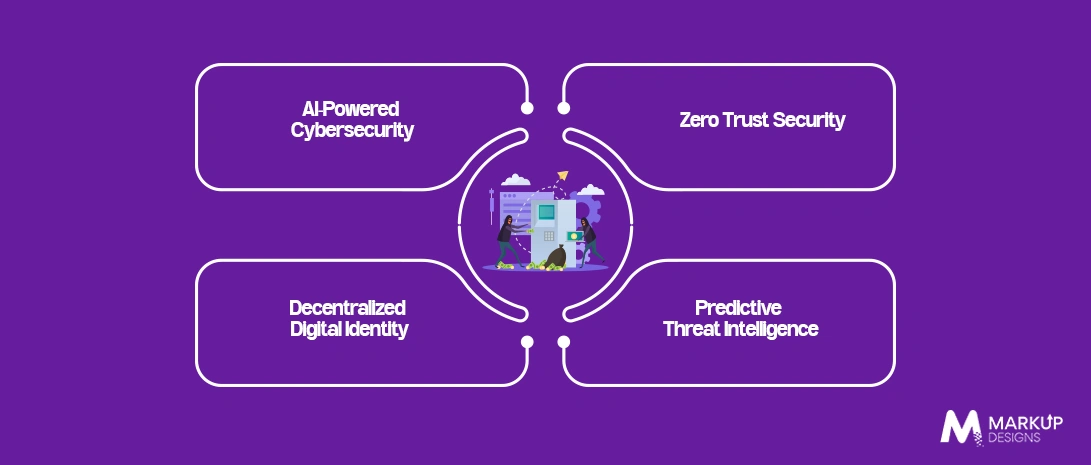
As cyber threats evolve, financial institutions are using advanced technologies to create smarter and stronger security architectures. This is done through the use of:
AI-Powered Cybersecurity
AI and Machine Learning technologies help organizations detect threats, automate incident response, and identify suspicious behavior in real time, to allow faster and more accurate security-related decisions.
Zero Trust Security
Zero Trust follows the “Never Trust, Always Verify” philosophy, which requires continuous authentication and/or authorization of each user, device, and application to reduce cyber risk.
Decentralized Digital Identity
Through blockchain-based solutions, organizations provide customers with more control over their personal information, leading to a decrease in identity fraud and better authentication practices from banks.
Predictive Threat Intelligence
By utilizing AI, Analytics, and Global Threat Intelligence, financial institutions can be proactive in predicting possible cyber attack threats, provide increased defensive measures before attacks occur, and respond to attacks before they get out of hand.
Why Choose Markup Designs for Banking Cybersecurity Solutions?
At Markup Designs, we help financial institutions build secure, scalable, and regulation-compliant digital solutions tailored to modern banking needs. Our expertise spans secure application development, cloud security, DevSecOps, AI-powered solutions, API security, and enterprise-grade cybersecurity practices.
From implementing Zero Trust architectures and secure mobile banking platforms to ensuring compliance with industry regulations, we empower banks to accelerate digital transformation without compromising security. Our proactive approach helps organizations minimize cyber risks, protect customer data, and maintain operational resilience in an ever-evolving threat landscape.
Secure Your Banking Ecosystem Against Evolving Cyber Threats
Build resilient, compliant, and future-ready banking solutions with advanced cybersecurity strategies tailored to your business. Partner with Markup Designs to protect sensitive financial data, strengthen customer trust, and stay ahead of emerging cyber risks.

Conclusion
Cybersecurity has become a strategic necessity for the banking industry. As financial institutions continue embracing digital banking, cloud technologies, artificial intelligence, and open banking, cyber threats will continue to evolve alongside them. Implementing robust cybersecurity frameworks, adopting industry best practices, complying with global regulations, and investing in emerging security technologies are essential for safeguarding financial assets, protecting customer trust, and ensuring uninterrupted operations.
Banks that prioritize cybersecurity today will be better positioned to innovate confidently, respond to evolving threats, and deliver secure digital banking experiences in the years ahead.
FAQs
1. Why is cybersecurity important in banking?
Cybersecurity protects financial institutions from cyberattacks, safeguards customer data, ensures regulatory compliance, prevents financial losses, and maintains customer trust.
2. What are the biggest cybersecurity threats facing banks?
Common threats include ransomware, phishing, insider attacks, malware, API vulnerabilities, DDoS attacks, account takeovers, and third-party supply chain attacks.
3. Which cybersecurity regulations should banks comply with?
Banks commonly comply with DORA, GDPR, PCI DSS, GLBA, CCPA, PIPEDA, ISO/IEC 27001, and NIST Cybersecurity Framework requirements.
4. How does AI improve banking cybersecurity?
AI enables real-time threat detection, behavioral analytics, fraud prevention, automated incident response, predictive threat intelligence, and faster security investigations.
5. What is Zero Trust Architecture?
Zero Trust is a security model that continuously verifies every user, device, and application before granting access, regardless of whether they are inside or outside the network.
Author's Perspective
As banking continues its digital evolution, cybersecurity is no longer just an IT function, it is a business imperative. Financial institutions that embed security into every layer of their operations, from software development and cloud infrastructure to employee training and regulatory compliance, will be better equipped to withstand emerging cyber threats. A proactive, security-first approach not only protects critical assets but also strengthens customer confidence, supports innovation, and ensures sustainable growth in an increasingly connected financial ecosystem.
Discuss Your Project NowJupinder Singh Arora
Founder and CEO
Related Posts
FinTech Cybersecurity: Essential Controls for Secure Financial Applications
Cybersecurity Risk Management: Strategies, Frameworks, and Best Practices
Cybersecurity in Dubai: Key Factors for Choosing the...
Insights Are Valuable & Execution is Priceless
You’ve read about the digital future. Now, let’s build the infrastructure to take you there. Move your strategy from the page to the product.
Design Your Solution Now
Contact Us
Schedule The Appointment At Your Convenience Date And Time.
30 Min
Web Conference
Time Zone
Indian standard time (08:30pm)

Thanks For Getting In Touch!
You’ve Taken The First Step Toward Transforming Your Digital Presence. Our Experts Will Reach Out Shortly To Take It Forward.
Launch Your Dream Project
Provide a brief overview of your project, and our specialists will evaluate your requirements. We will connect with you to explore how the right digital solutions can help you launch faster.