

In Brief
- Software development costs in Dubai typically range from AED 150,000 to AED 1,800,000+, depending on project complexity, features, technology stack, and business requirements.
- The overall cost is influenced by factors such as UI/UX design, third-party integrations, security, compliance, development approach, and the expertise of the software development partner.
- Development expenses are distributed across multiple stages, including planning, design, development, testing, deployment, and ongoing maintenance, with coding representing the largest share of the budget.
- Businesses can optimize development costs by starting with an MVP, prioritizing essential features, adopting agile development, selecting the right technologies, and planning for future scalability.
- Investing in high-quality custom software delivers long-term value by improving operational efficiency, enhancing customer experiences, supporting business growth, and reducing future maintenance and upgrade costs.
Dubai has emerged as a leader among Middle Eastern technology and innovation hubs. Big or small companies use custom software to streamline their operations and create better client experiences as part of their efforts to adapt to the evolving digital economy. But when developing software, one major issue always comes up: what does software development in Dubai cost?
Software development costs depend on a wide variety of aspects, such as the complexity and specifics of each project, technology stack used, team behind the process, integration, and ongoing support required. All of these need to be considered when determining how much your custom software project will cost.
This blog explores what exactly software development in Dubai entails and all the aspects related to its cost, including various pricing factors, hidden fees, and tips on maximizing your spending efficiency.
What is Software Development?
Before discussing costs, it’s important to understand what software development actually means. Software development refers to an entire process of developing a piece of software designed to provide a solution for specific business needs or enhance existing operations. This type of software might come in various forms such as customer-focused mobile applications and websites, enterprise software, ERP, CRM and other AI-based business software.
It should be highlighted that software development encompasses far more than just coding. This includes business analysis, user experience design, choice of proper technology, security, integration, as well as improvement of the software once it has been launched.
Whether you are a startup creating your MVP or an organization building a comprehensive business system, choosing to develop custom software will help you optimize processes, enhance productivity, ensure customer satisfaction, and stay ahead of the competition in the fast-paced digital landscape of Dubai.
Average Cost of Software Development in Dubai Explained
The first question that a company always asks before embarking on a software development project is, “What will be the cost?” The answer varies depending on what kind of software you want to develop. Unlike ready-to-use software, custom software is designed according to your business needs; therefore, pricing cannot be standardized.
In Dubai, the average price for software development can fluctuate from AED 150,000 to AED 1,800,000+, depending on the type of project. Software with simple functionalities tends to be less costly, while more sophisticated enterprise-level software with more complex functionalities costs much more. The price will depend on several aspects, such as the level of project complexity, number of features, UI/UX design, technologies, and others.
The table below provides a general estimate of software development costs based on project complexity.
| Software Type | Estimated Cost (AED) | Estimated Timeline |
| Basic Software | 150,000 – 250,000 | 3-6 Months |
| Medium Complexity Software | 250,000 – 600,000 | 6-9 Months |
| Complex Software | 600,000 – 1,200,000 | 9-12 Months |
| Enterprise Software | 1,200,000 – 1,800,000+ | 12-18+ Months |
All the above numbers are estimates and not actual prices, as there could be various costs for the development of two different CRM systems, depending on user base, integrations, level of automation, reporting tools, etc. Also, such additions as machine learning algorithms, cloud services, or real-time analysis would take more time and money to implement.
Thus, the most efficient strategy in calculating your software development budget will be to set clear business objectives, select critical functions, and get assistance from professional developers.
Software Development Cost Based on Project Complexity
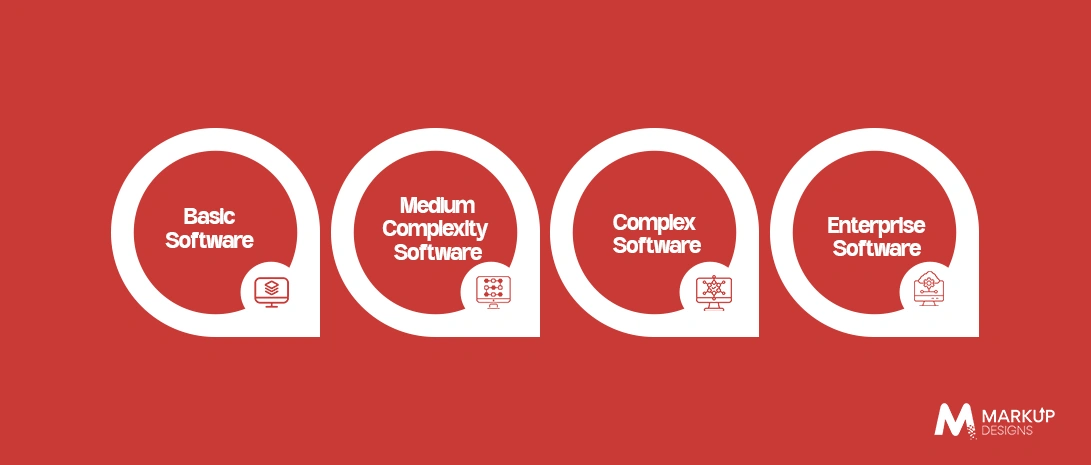
Do you ever wonder why the cost of one software development project is AED 150,000, whereas another one is more than AED 1 million? There are several reasons for this, but the primary one is the complexity of the project.
Let’s understand this through different project categories.
1. Basic Software
Basic software is best suited for new organizations and small-scale business entities that want to convert their routine processes into digital formats. Such programs generally come with necessary functionalities, a user-friendly interface, and few external integration options. Some examples include appointment scheduling software or inventory management software.
Estimated Cost: AED 150,000-250,000
Development Timeline: 3-6 months
2. Medium Complexity Software
Projects that include complex features like user authentication, payment gateway, dashboard, reporting, notifications, and integration with the cloud platform. Such projects are often built for emerging companies that require digital solutions to scale their operations.
Estimated Cost: AED 250,000-600,000
Development Timeline: 6-9 months
3. Complex Software
Complex software will require components like artificial intelligence, real-time data analysis, complex analytics, internet-of-things (IoT) capabilities, multilevel permissions for different users, application programming interfaces (APIs), and top-notch security systems.
Estimated Cost: AED 600,000-1,200,000
Development Timeline: 9-12 months
4. Enterprise Software
Enterprise level software caters to large firms with numerous users across many departments. This software typically interfaces with ERP, CRM, HRMS, cloud services, third-party enterprise applications, and also provides high availability, regulatory compliance, and security.
Estimated Cost: AED 1,200,000-1,800,000+
Development Timeline: 12-18+ months
Stage-Wise Breakdown of Software Development Cost
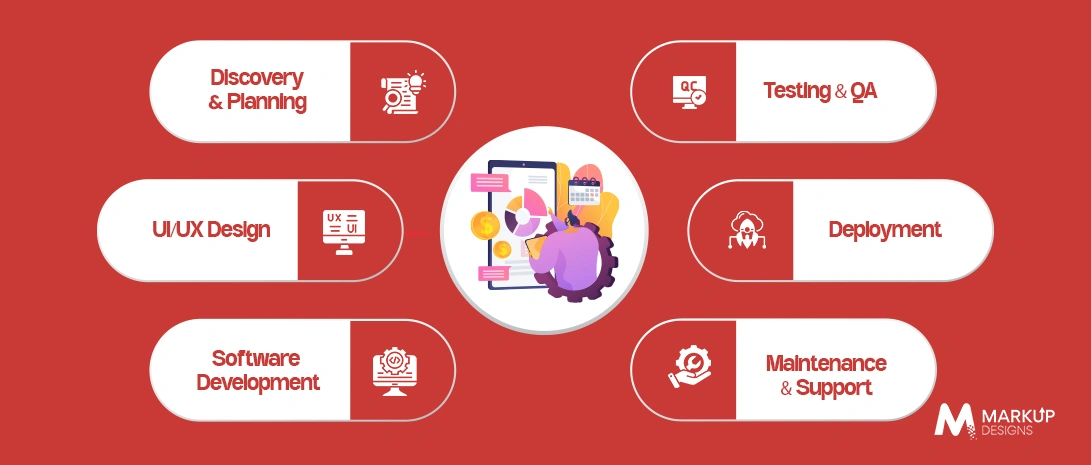
Most companies think that the cost spent for software development is utilized just for writing code. But creating quality software is a process that goes through various steps, each adding value to the project. These steps require certain skills, which makes them a crucial component of budgeting. Knowing how your cost is utilized is also vital for planning purposes.
| Development Stage | What It Includes | Approx. Share of Total Cost |
| Discovery & Planning | Requirement gathering, market research, project roadmap | 10-15% |
| UI/UX Design | Wireframes, prototypes, user interface and user experience design | 10-15% |
| Software Development | Frontend, backend, APIs, database development | 40-50% |
| Testing & Quality Assurance | Functional testing, performance testing, bug fixing | 15-20% |
| Deployment | Server setup, cloud deployment, launch activities | 5-10% |
| Maintenance & Support | Updates, security patches, performance optimization | 15-20% (ongoing) |
Let’s take a closer look at each stage:
- Discovery & Planning: The project begins with understanding business goals, defining requirements, selecting the right technology stack, and creating a development roadmap. Proper planning minimizes risks and costly changes later.
- UI/UX Design: Designers create intuitive user journeys, wireframes, and interactive prototypes to ensure the software is visually appealing and easy to navigate.
- Software Development: This is the most resource-intensive phase, where developers build the frontend, backend, databases, APIs, and core functionalities.
- Testing & QA: Before launch, the software undergoes rigorous testing to identify bugs, improve performance, and ensure security and compatibility across devices.
- Deployment: Once approved, the application is deployed to production servers or cloud infrastructure, making it available for end users.
- Maintenance & Support: Software requires continuous monitoring, updates, security enhancements, and feature improvements to remain reliable and aligned with evolving business needs.
Ready to Estimate Your Software Development Budget?
Every software project is unique, and understanding the right budget is the first step toward success. Whether you’re building a startup MVP, enterprise platform, CRM, ERP, or AI-powered solution, our experts can help you estimate costs based on your specific business requirements.

Key Factors That Influence Software Development Pricing in Dubai
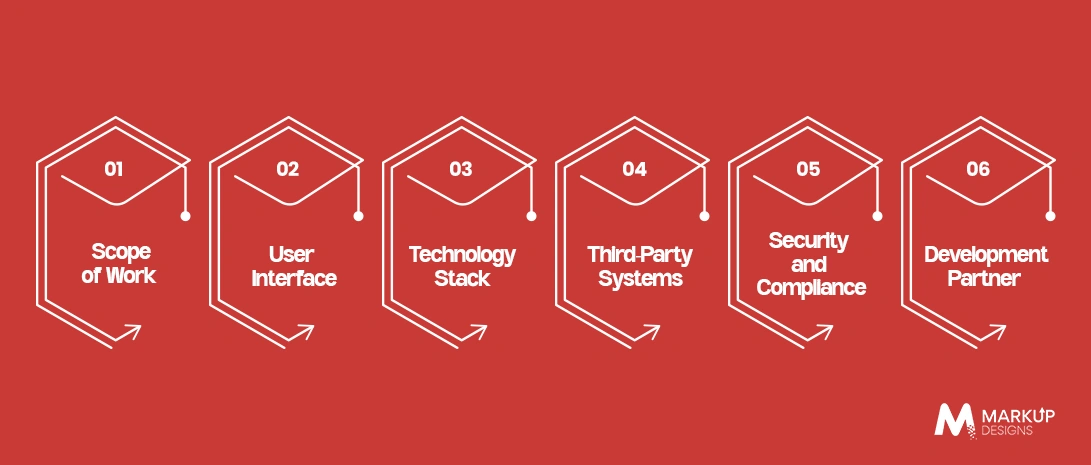
By now, you should have some understanding of the cost of software development in Dubai. Have you ever thought about why two software projects with almost identical aims might be so vastly different in terms of their cost? It all comes down to the many aspects influencing software development.
Here are the major factors that influence software development pricing in Dubai:
1. Scope of Work and Feature Set Complexity
Complexity and feature set play a significant role in pricing. A straightforward business-oriented application with minimum functions will be significantly cheaper than software incorporating advanced features such as machine learning, real-time analytics, payments processing functionality, etc.
2. User Interface & Experience Requirements
Designing a professional and visually appealing UI/UX is a complex task. Specialized animations, interactive dashboards, responsive designs, personalization of user experience are costly to implement.
3. Technology Stack
Technologies used for the creation of a software product also influence pricing. AI-based software, blockchain, big data applications, or Internet-of-Things products tend to be more expensive than typical web solutions.
4. Integration with Third-Party Systems
It is very common to integrate software solutions with payment gateways, CRM software, ERP software, cloud-based solutions, map-based solutions, or communication API services. In each case, it takes extra development effort, testing, and maintenance.
5. Security and Compliance Requirements
Healthcare, financial, government, and other industries must be able to comply with advanced security requirements and regulations. This adds to development effort, but is required to protect business-sensitive information.
6. Development Partner and Their Engagement Model
The expertise of your software development partner, their staffing capacity, and the chosen engagement model – in-house, freelancer, or outsource development, also impact project costs. While the cheapest solution may save money in the beginning, working with an experienced software company might be more beneficial.
Cost Analysis by Type of Software Solutions
Not all software solutions require the same level of investment. The cost largely depends on the purpose of the application, the number of users, required features, integrations, and scalability. Understanding the pricing of different software types can help businesses choose a solution that aligns with their goals and budget.
| Software Solution | Estimated Cost (AED) | Best Suited For |
| Minimum Viable Product | 100,000-250,000 | Startups validating an idea |
| CRM Software | 250,000-700,000 | Customer relationship management |
| ERP Software | 500,000-1,500,000+ | Large organizations managing operations |
| E-commerce Platform | 200,000-800,000 | Online retail businesses |
| SaaS Platform | 300,000-1,200,000+ | Subscription-based software businesses |
| Enterprise Software | 1,200,000-1,800,000+ | Large enterprises with complex workflows |
While these figures provide a general benchmark, the final investment depends on customization, user capacity, security requirements, and integration with existing business systems. For instance, an ERP platform with AI-powered reporting and multiple third-party integrations will cost considerably more than a standard CRM with basic functionality.
Rather than focusing solely on the initial price, businesses should evaluate the long-term value each solution delivers. Investing in scalable, future-ready software often reduces operational costs, improves efficiency, and provides a stronger return on investment over time.
Hidden Costs in Software Development You Should Not Ignore
When businesses plan a software development budget, they often focus only on the initial development cost. However, the total investment extends well beyond the launch of the software. Overlooking these hidden expenses can lead to budget overruns and unexpected challenges later. Being aware of these costs from the beginning helps you plan more accurately and ensures your software remains secure, scalable, and efficient.
1. Software Maintenance and Updates
Once the software is live, it requires regular bug fixes, performance improvements, feature enhancements, and compatibility updates to meet changing business and user needs.
2. Cloud Hosting and Infrastructure
Hosting your application on cloud platforms, managing databases, storage, backups, and server resources involves recurring monthly or annual expenses.
3. Third-Party Service Fees
Many applications rely on external services such as payment gateways, SMS providers, email platforms, mapping APIs, and analytics tools. Most of these services charge subscription or usage-based fees.
4. Security and Compliance
Protecting sensitive business and customer data requires continuous security monitoring, vulnerability assessments, software patches, and compliance updates, especially in regulated industries.
5. Team Training and User Support
Employees may need training to use the new software effectively. In addition, businesses should allocate resources for technical support, documentation, and customer assistance after deployment.
Although these expenses increase the overall investment, they are essential for keeping your software reliable, secure, and capable of supporting long-term business growth. Planning for these hidden costs from the outset helps avoid financial surprises and ensures a smoother software lifecycle.
Strategies to Reduce Software Development Cost Effectively

Reducing software development costs does not mean compromising on quality. The key is to make smart decisions during planning, development, and deployment. With the right strategy, businesses can optimize their budget while building a scalable and high-performing software solution.
1. Start with an MVP
Instead of developing every feature at once, begin with a Minimum Viable Product (MVP) that includes only the core functionalities. This approach helps validate your idea, gather user feedback, and minimize initial investment.
2. Prioritize Features
Separate essential features from optional ones. Focusing on high-impact functionalities first prevents unnecessary development costs and speeds up the launch process.
3. Choose the Right Technology Stack
Selecting technologies that align with your business goals can reduce development time, simplify maintenance, and improve long-term scalability.
4. Partner with an Experienced Development Company
Working with an experienced software development partner helps avoid common mistakes, reduces project delays, and ensures efficient resource utilization throughout the development lifecycle.
5. Plan for Scalability from Day One
Building software with future growth in mind eliminates the need for expensive redesigns or system overhauls as your business expands.
6. Adopt Agile Development
An agile approach allows teams to develop software in smaller iterations, making it easier to identify issues early, adapt to changing requirements, and control costs throughout the project.
By following these strategies, businesses in Dubai can maximize the value of their software investment while ensuring the final product remains reliable, secure, and ready for future growth.
Step-by-Step Software Development Cost Planning Process
A well-planned budget is the foundation of a successful software project. Instead of estimating costs based on assumptions, businesses should follow a structured planning process that aligns development efforts with business goals. Here is a step-by-step approach to estimating and managing software development costs effectively.
Step 1: Define Your Business Objectives
Start by identifying the purpose of your software. Understand the problem you want to solve, your target audience, and the outcomes you expect. Clear objectives help prevent unnecessary features and keep the project within budget.
Step 2: List Core Features and Requirements
Create a detailed list of essential functionalities, user roles, integrations, and technical requirements. Prioritize must-have features while keeping advanced capabilities for future updates.
Step 3: Select the Right Technology Stack
Choose technologies based on your project’s scalability, performance, security, and long-term maintenance needs. The right technology stack directly impacts development time and overall cost.
Step 4: Choose a Development Partner
Evaluate software development companies based on their experience, portfolio, technical expertise, communication process, and pricing transparency. A reliable partner can help optimize both cost and project timelines.
Step 5: Create a Realistic Budget and Timeline
Estimate the total investment by considering development, testing, deployment, maintenance, cloud infrastructure, and future upgrades. Always keep a contingency budget for unexpected changes.
Step 6: Review and Optimize Throughout the Project
Regularly monitor project progress, evaluate feature priorities, and make data-driven decisions to keep development costs under control without compromising software quality.
Partner with Markup Designs for Your Software Development Needs
Choosing the right software development partner is just as important as defining your project requirements. A reliable technology partner not only develops software but also helps you make informed decisions that optimize costs, reduce risks, and maximize long-term business value.
At Markup Designs, we specialize in building custom software solutions tailored to the unique needs of startups, SMEs, and large enterprises. Our team follows a transparent development process-from discovery and planning to deployment and post-launch support-ensuring you have complete visibility into project timelines, budgets, and deliverables.
Whether you need a business management platform, enterprise software, SaaS application, CRM, ERP, or an AI-powered solution, our experts leverage the latest technologies to create secure, scalable, and future-ready software. We focus on delivering solutions that not only meet your current business requirements but also support future growth.
With years of experience serving clients across industries, Markup Designs combines technical expertise, user-centric design, and agile development methodologies to deliver software that drives measurable business results. If you’re planning your next software project in Dubai, our team is ready to help you turn your vision into reality while ensuring the best return on your investment.
Build a Smarter Learning Experience for Your Institution
Partner with our team to develop secure, multilingual, and scalable education chatbot solutions tailored for UAE educational institutions.

Conclusion
Understanding the true cost of software development in Dubai goes far beyond looking at a single price tag. The final investment depends on several factors, including project complexity, required features, technology stack, development approach, security requirements, and ongoing maintenance. Businesses that take the time to plan their projects carefully are better positioned to control costs and avoid unexpected expenses.
Rather than choosing the lowest-priced option, focus on building software that delivers long-term value, scalability, and operational efficiency. A well-developed solution can streamline business processes, improve customer experiences, and generate significant returns over time.
By partnering with an experienced software development company and following a strategic development roadmap, you can make informed investment decisions and build software that supports your business growth for years to come.
FAQs
1. How much does software development cost in Dubai?
The cost typically ranges from AED 150,000 to AED 1,800,000+, depending on project complexity, features, technology stack, integrations, and business requirements.
2. What factors affect software development costs?
Major factors include project scope, UI/UX design, technology stack, third-party integrations, security requirements, development team expertise, and ongoing maintenance.
3. How long does it take to develop custom software?
A basic software solution may take 3-6 months, while enterprise-grade applications can require 12-18 months or more, depending on complexity.
4. How can businesses reduce software development costs?
Businesses can reduce costs by starting with an MVP, prioritizing essential features, adopting agile development, choosing the right technology stack, and partnering with an experienced development company.
5. Why should I choose custom software instead of off-the-shelf solutions?
Custom software is designed specifically for your business needs, offering greater flexibility, scalability, enhanced security, seamless integrations, and better long-term value compared to generic software products.
Author's Perspective
The cost of software development should never be viewed as just another business expense. It is a strategic investment that directly impacts your organization’s efficiency, innovation, and future growth. While budgets are important, businesses should focus equally on choosing the right technology, development approach, and implementation partner. In many cases, investing a little more in quality development today can save significant costs on maintenance, upgrades, and operational inefficiencies in the future. The most successful software projects are those that balance cost with long-term business value, scalability, and user experience.
Discuss Your Project NowGaurav Goyal
Global Sales- VP
Related Posts

Case Management Software Development: Enterprise Features & Implementation...
Farm Management Software Development in Australia: Features, AI...
Knowledge Management System Development in Australia: Building AI-Ready...
Insights Are Valuable & Execution is Priceless
You’ve read about the digital future. Now, let’s build the infrastructure to take you there. Move your strategy from the page to the product.
Design Your Solution Now
Contact Us
Schedule The Appointment At Your Convenience Date And Time.
30 Min
Web Conference
Time Zone
Indian standard time (08:30pm)

Thanks For Getting In Touch!
You’ve Taken The First Step Toward Transforming Your Digital Presence. Our Experts Will Reach Out Shortly To Take It Forward.
Launch Your Dream Project
Provide a brief overview of your project, and our specialists will evaluate your requirements. We will connect with you to explore how the right digital solutions can help you launch faster.