

In Brief
- The prices of developing software in Australia will fluctuate between AUD $15,000 and $40,000 for simple programs to $500,000 and $1 million and above for enterprise solutions in 2026, based on the complexity of the project, features, integrations, and security needs.
- Software type affects the cost of the software since it ranges from custom software for businesses, web and mobile applications, software as a service (SaaS) platforms, healthcare systems, enterprise software, and even artificial intelligence-powered solutions.
- The main cost determinants are the size of the project, feature needs, tech stack used in the process, third-party integrations, security and compliance requirements, and the experience and location of the development team. One should allocate funding for planning, designing, developing, testing, deploying, and maintaining software.
- Hidden costs such as hosting, licensing, data migration, audit, technical support, and upgrades should be considered to avoid hidden expenses.
- Firms can manage costs through the use of the MVP approach, focusing on important features, selecting the right technologies, utilizing existing tools, being agile, and planning for maintenance. Markup Designs assists firms in creating tailor-made software in line with their objectives and budget.
Considering developing your own software solution for your company in Australia? One of the first concerns you might have is how much such a project will cost in 2026. Of course, there are many different factors that should be taken into account when calculating the price, such as the type of software, its features, the technology, and the chosen developer team.
The more complex the project is, the higher the price will be. Apart from the cost of development, testing, deployment, and maintenance also add up to your expenses and should not be ignored to prevent any extra costs.
To make the most of this knowledge and avoid any problems with your budget, let us dive into the details about the cost of software development in Australia in 2026.
In this blog post, we will cover all aspects related to the costs of software development in Australia in 2026, analyze the costs depending on project types and software development stages, highlight the factors affecting the cost, and provide you with the most effective budget management strategies.
How Much Does Software Development Cost in Australia in 2026?
Development of software in Australia may cost between a few thousand AUDs for developing a simple application and up to hundreds of thousands of dollars for an intricate business application. The ultimate cost is determined by what you are looking for, the number of features, and the compatibility required.
The following indicative cost ranges can be taken into consideration when budgeting for software development in 2026. The following prices are in Australian Dollars (AUD).
| Project complexity | Estimated cost (AUD) | Typical examples |
| Basic | $15,000–$40,000 | Simple internal tools, basic dashboards |
| Mid-level | $40,000–$150,000 | Customer portals, workflow systems |
| Complex | $150,000–$500,000+ | SaaS platforms, multi-system applications |
| Enterprise-grade | $500,000–$1 million+ | Large business platforms, complex enterprise systems |
What do these cost ranges mean?
- Basic software: Ideal for companies that require an application with fewer functionalities and users.
- Mid-level software: Perfect for companies that require customization, various user roles, dashboards, or third-party integrations.
- Advanced software: Intended for a product that contains advanced functionalities and many integrations.
- Enterprise-grade software: Meant for large organizations that require more modules, security controls, data management, and capabilities to support entire business operations.
Please note that two applications belonging to the same group may differ drastically in terms of budget. For instance, a basic customer portal with a couple of functionalities will most likely be cheaper than one that contains payment processing, automated notifications, and third-party integrations.
It would be best to know your key requirements, features, and number of users before the development starts to estimate the budget accurately. Moreover, make sure your quote covers GST, testing, deployment, and maintenance after the launch of the project.
Software Development Cost Breakdown by Project Type
The cost of developing software in Australia also depends on what kind of software you need for your company. For example, an application for mobile devices, software as a service, and custom enterprise software would all cost differently.
Here are some indicative 2026 cost ranges to help you plan your budget.
| Software type | Estimated cost (AUD) |
| Custom business software | $30,000–$150,000 |
| SaaS platform | $50,000–$250,000+ |
| Web application | $20,000–$120,000 |
| Mobile application | $25,000–$150,000+ |
| Enterprise software | $150,000–$500,000+ |
| AI-powered software | $50,000–$300,000+ |
What Factors Affect Software Development Costs in Australia?
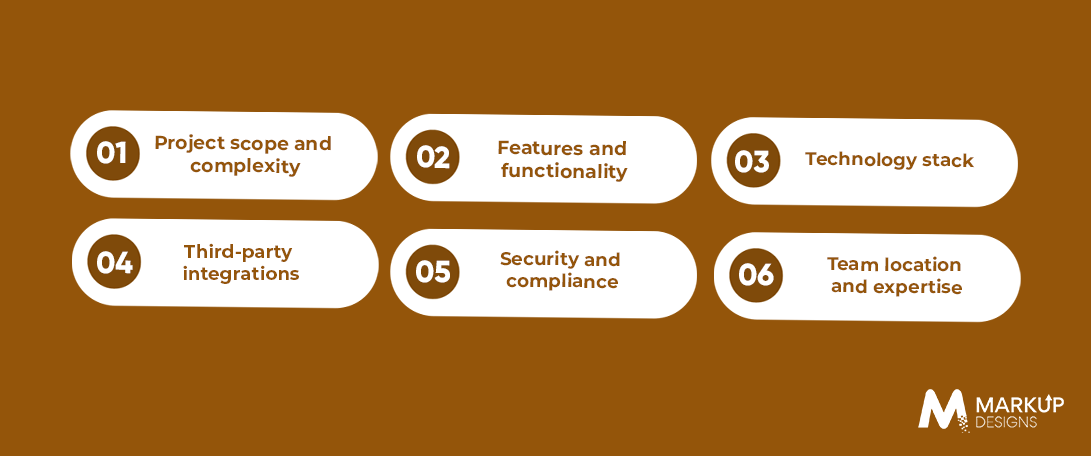
Even if two companies need the same software, the prices for its development can be very different. It all depends on how difficult the development process is, what technology will be used, and the team’s experience. It is useful to understand these aspects when making your decision.
- Project scope and complexity
The more features and workflows the product has, the more development time it will take. An application with standard functions will cost you less money than a platform with multi-user roles, sophisticated reporting, and complex logic of operation.
- Features and functionality
Real-time notifications, payments integration, automation, and dashboard are examples of features that take extra time during development. Choosing the features you need first will allow controlling your budget at the start.
- Technology stack
The stack of technologies influences the development process and the support of the product after its launch. The right combination of programming language, frameworks, databases, and infrastructure should fit your business needs.
- Third-party integrations
Third-party systems, including the connection to the payment gateway, CRM, accounting tools, and any other external API, are another factor that takes extra time and effort during the development process.
- Security and compliance
Applications that store or process sensitive data about customers, finances, or medical issues will require additional access controls, encryption, audit trails, and compliance verification, which could add additional expenses during development and testing.
- Team location and expertise
Hiring an Australian development company, independent freelancers, or an outsourcing team will determine the budget of your project. The higher price of more experienced developers will be justified by their expertise, which could prevent you from unnecessary reworks.
The aim of this list was to provide you with the tools needed to make an appropriate decision regarding your software application. By determining its scope and using a qualified development team, you will be able to maximize the use of your software budget and avoid unnecessary functions.
Software Development Cost by Development Stage
The cost of software development occurs in different phases, ranging from the development of the idea through to the development of the final product. Knowing the distribution of the cost will prepare you for any costs ahead.
Here is an indicative breakdown of the main development stages in Australia in 2026.
| Development stage | Estimated share of budget |
| Discovery and planning | 5–10% |
| UI/UX design | 10–15% |
| Software development | 40–55% |
| Testing and quality assurance | 10–15% |
| Deployment and launch | 5–10% |
| Maintenance and support | Ongoing cost |
How Does Software Type Affect Development Costs?
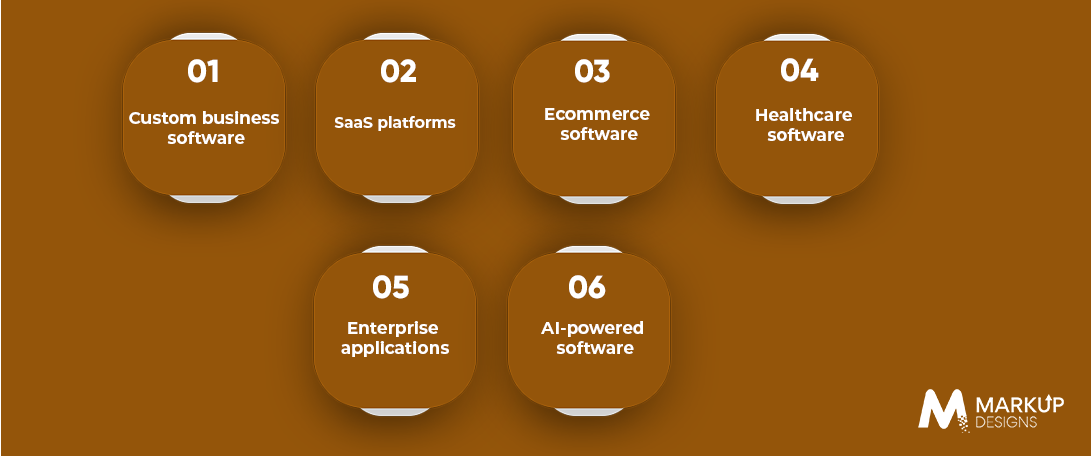
The type of software greatly affects the total amount you will have to spend on the entire development process. Depending on your industry, you will have various demands for software, which in turn will have an effect on the total expenses of development.
Below are six different types of software and the factors that will determine their development price.
Custom business software
Custom business software is always developed with particular attention paid to your business process. Such features as workflow automation, reporting, employee management, and integration into your existing systems define the price.
SaaS platforms
Software-as-a-Service (SaaS) products involve subscription management, user authentication, billing, and cloud-based infrastructure. Multi-tenancy and product updates can increase development costs.
Ecommerce software
An e-commerce solution usually includes product catalogues, shopping cart functionality, payment gateways, inventory control, order management, etc. Personalization and system integration can increase costs.
Healthcare software
Applications for healthcare might include appointment scheduling, patient information, data transmission and exchange, and other aspects. Privacy issues, security considerations, and specific healthcare regulations will make development processes more expensive and time-consuming.
Enterprise applications
These kinds of software tend to connect various departments and existing systems. Complicated business processes, permissions management, data transfer, and reporting needs will increase expenses.
AI-powered software
There are several ways AI can be used in software – chatbots, predictive analytics, recommendation systems, automated document processing, etc. Availability of data, choice of algorithms, amount of computing power, and desired precision and reliability affect the costs of development.
It is important to understand that expenses related to software development are associated with the functionality and complexity of the product, but not with the software category. Defining your business needs from the very beginning will help you make better decisions regarding functionality.
Hidden Costs to Consider When Budgeting for Software Development
However, there may be some costs incurred during the implementation of the software and even after the software has been launched. It is therefore important to plan for such costs in order to avoid budget overruns and ensure that the software runs smoothly.
Here are six additional costs to include in your budget.
Cloud Hosting & Infrastructure
Your software may require cloud hosting, database, storage space, and bandwidth to function. You will incur additional costs with more users or when your application needs increased computing power.
Software Licence and Other Development Tools
If there are paid APIs, development and deployment tools, plugins, software licences, and other third-party tools involved in your project, be prepared for subscription costs.
Data Migration
Data migration from spreadsheets, legacy systems, or existing applications involves such processes as data scrubbing, transformation, and testing.
Security and Compliance
Depending on the type of information your software stores and your industry, there might be some security audit, penetration test, or privacy check required.
Maintenance and Support
Maintenance after software release includes troubleshooting, updates, improvements, and other support activities, which should be considered as an expense for your budget.
Future Updates and Scaling
If your business grows and you decide to implement some extra features, more integrations, or scale storage and the number of users, think about how easy it will be to do so in advance.
How to Reduce Software Development Costs Without Compromising Quality
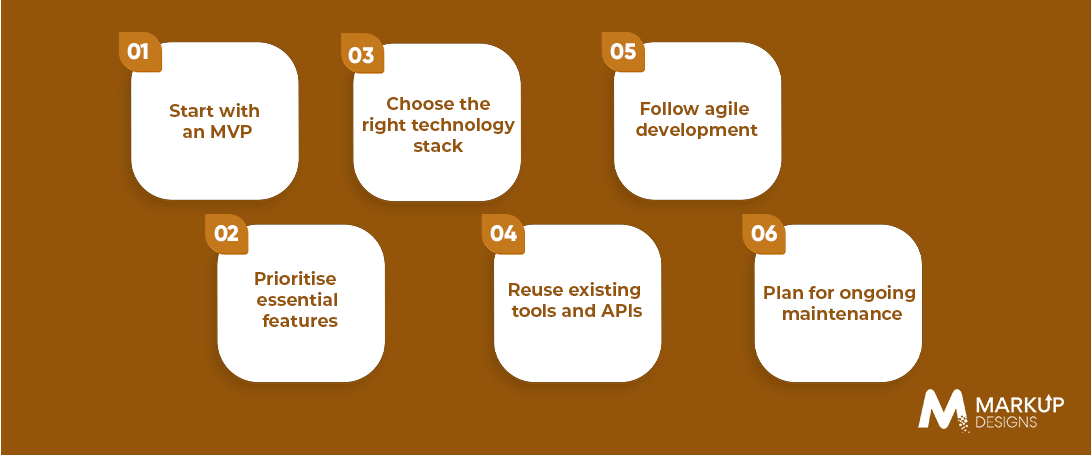
Lowering software development costs does not imply hiring an inexpensive team or compromising on management. Instead, it involves making realistic choices that will assist you in managing your finances in a way that ensures the creation of reliable and functional software.
Here are six tips on how to keep software development costs low.
Start with an MVP
Develop the software that is equipped with the core features initially. It will help to test your idea in the market before developing a bigger and more complicated product.
Prioritise essential features
Differentiate the necessary features from those that can be developed afterward. Concentration on the immediate needs of your business can help avoid any unnecessary development.
Choose the right technology stack
Pick technologies that match the needs of your software, its future growth, and the skills of your development team. Avoid complicating the process of development by using too many technologies.
Reuse existing tools and APIs
Whenever possible, leverage existing systems to handle payments, authentication, notifications, and other routine tasks. That will help you save some development time.
Follow agile development
Development in smaller chunks will let you assess progress, obtain feedback, and resolve any problems at an earlier stage. Communication will also help to avoid misunderstandings and costly corrections.
Plan for ongoing maintenance
Make sure that you use appropriate documentation, maintainable code, and correct testing methodology. Even though this work requires initial efforts, in the long run, it will make maintenance cheaper.
It is important to find a proper balance between short- and long-term gains. It will be easier to keep your costs down if your project is carefully planned and has reasonable goals.
Build Custom Software with Markup Designs
Making the right choice when it comes to finding a software development partner may impact the overall performance of your project in terms of its budget, cost-efficiency, and results. The team at Markup Designs is aware of the fact that every business has unique goals and processes of operation. Our goal is to learn about them and help you choose the optimal solution.
From custom business software to web applications and scalable digital platforms, good planning may help you reduce additional costs and invest only in the necessary features. Whether it’s about requirements definition, technology selection, or future development planning, each of those steps may affect your final result.
We think that software is supposed to simplify business tasks rather than complicate them. In case you have any plans for software development in Australia in 2026, get in touch with us and discuss your vision.
Plan Your Software Budget
Have a software idea but aren’t sure about the cost? Let Markup Designs help you explore your development options and plan a solution that aligns with your business goals.

Conclusion
Australian software development costs in 2026 vary according to a number of criteria, such as project complexity, type of software, features it needs to have, technological preferences, and competence of the software development team. While the development of a simple application might not be an expensive task, creating complex enterprise platforms and artificial intelligence systems may require much more money.
The most important thing is to figure out your needs prior to the start of the development process. You should determine what kind of project you have and which features it must have, taking into account its further development and costs. It’s always better to choose a software development company that knows your business inside out.
Ultimately, the right software investment isn’t necessarily the cheapest option. It’s the one that solves your business problems, supports your long-term plans, and delivers value over time.
FAQs
1. How much does custom software development cost in Australia in 2026?
Custom software development can cost from around AUD $15,000 for a basic solution to $150,000 or more for complex applications. Enterprise-grade projects may exceed $500,000, depending on their scope, features, integrations, and security requirements.
2. How long does it take to develop custom software?
A basic application may take a few weeks to a few months, while a mid-level solution may take several months. Complex enterprise platforms can take a year or longer. Timelines depend on the project’s requirements, team size, and testing needs.
3. Is it cheaper to hire freelancers or a software development company?
Freelancers can be a cost-effective option for smaller, clearly defined projects. A software development company may offer a broader team, project management, design, testing, and ongoing support. The better choice depends on your project’s complexity and available resources.
4. What is the average hourly rate for software developers in Australia?
Software developer rates vary based on experience, specialisation, location, and engagement type. Freelancers, full-time employees, and development agencies also have different cost structures. Businesses should compare current rates and clarify whether quoted fees include GST and other project expenses.
5. How much does software maintenance cost annually?
Maintenance costs depend on the software’s complexity, usage, infrastructure, and support requirements. As an initial budgeting guideline, businesses sometimes allocate around 15–20% of the original development cost annually, but actual expenses may fall outside this range.
Author's Perspective
Software development is a long-term business investment, so cost planning should go beyond the initial development quote. Businesses need to define their requirements, identify essential features, and understand how the software will support their goals over time.
A practical approach is to establish clear requirements, prioritise features based on business value, and work with a development team that provides transparent cost estimates and timelines. This helps businesses manage budgets, set realistic expectations, and avoid unnecessary expenses.
For Australian businesses planning a new software project in 2026, the key is to balance affordability with quality, security, and scalability. Careful planning can help businesses build reliable software that meets current operational needs while supporting future growth.
Discuss Your Project NowAjit Kumar Jha
VP - Business Operations
Related Posts

Custom Biometric Software Development: A Complete Guide for...

Custom Warehouse Management System Development: Features, Process, and...

How to Develop Healthcare Software in Australia: Process,...
Insights Are Valuable & Execution is Priceless
You’ve read about the digital future. Now, let’s build the infrastructure to take you there. Move your strategy from the page to the product.
Design Your Solution Now
Contact Us
Schedule The Appointment At Your Convenience Date And Time.
30 Min
Web Conference
Time Zone
Indian standard time (08:30pm)

Thanks For Getting In Touch!
You’ve Taken The First Step Toward Transforming Your Digital Presence. Our Experts Will Reach Out Shortly To Take It Forward.
Launch Your Dream Project
Provide a brief overview of your project, and our specialists will evaluate your requirements. We will connect with you to explore how the right digital solutions can help you launch faster.