

In Brief
- Mobile applications assist businesses in enhancing engagement with customers, raising brand awareness, and opening up new sources of revenue.
- A user-friendly mobile application should concentrate on aspects such as user experience, speed, and scalable app development.
- Push notifications and customized experiences are some features that can be used to establish better relationships with customers.
- The development of a prototype before the main project ensures the validation of ideas, the minimization of risks, and savings on development costs.
- It is important to choose the right technology stack, development team, and testing approach for a successful application.
- Ongoing development, including maintenance and updates, ensures the security and relevance of an application.
For businesses looking to grow in today’s market, embracing mobile technology is no longer optional; it is essential. People depend more on their phones to access information, to make purchases online, to make bookings, and to remain in touch with others. As a result, companies must establish a strong presence on mobile platforms where their customers spend most of their time.
In the past, individuals used desktops and laptops to access the internet. Currently, smartphone use has been revolutionized and made accessing the internet easier. This development has led to an increase in demand for mobile apps. From shopping to traveling, healthcare, socializing, and personal finance, a user can check everything through mobile apps.
The success of companies such as Uber, Instagram, and Snapchat attests to the increasing influence of mobile apps. For an entrepreneur wishing to develop their business further, developing a mobile app can go a long way in bringing success.
Why Mobile Apps Matter for Modern Businesses?
Mobile applications have become an integral part of modern life, enabling users to communicate seamlessly, conduct secure online transactions, and make digital payments convenient. With the growing trend among consumers to use smartphones, business organizations are able to get connected with customers easily and build their digital presence.
As a result of changes in consumer behavior and expectations, many companies are making investments in app development in order to remain relevant and profitable. A well-developed mobile application fosters customer loyalty and generates additional income sources.
Key Tips for Building a Successful Mobile App
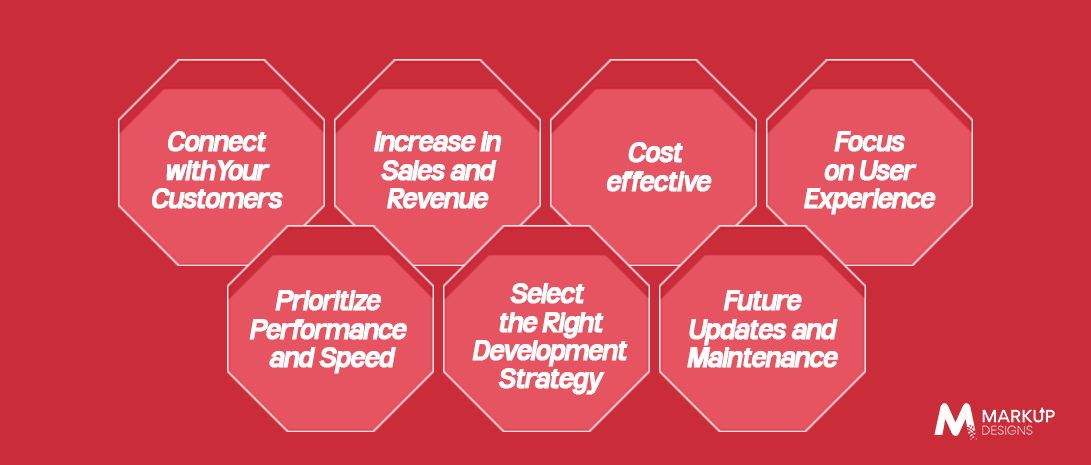
Connect with Your Customers More Effectively
The mobile application provides businesses with a reliable means of communicating directly with their customer. Contrary to websites where customers have to use their browsers and conduct searches, mobile applications are readily available, providing faster and easier communication. They provide businesses with a personalized service, assisting clients with their needs in accessing products and services.
The most significant advantage of the application is communication using push notifications. Through push notifications, businesses can keep their customers informed regarding any discounts, new products, promotions, encouraging repeat purchases and building stronger relationships with clients.
Increase in Sales and Revenue
An effectively designed mobile application can be very helpful in facilitating business growth and boosting sales. Businesses can achieve this by creating an easy-to-use platform where their consumers can easily browse products, make payments, and engage with the business as a whole.
Another way in which mobile applications can assist businesses is that they enable them to conduct effective marketing activities. They allow businesses to communicate with their customers about ongoing or upcoming offers, promotions, campaigns, and even product recommendations via the mobile application, which results in increased sales and build consumer loyalty.
Cost effective
Creating a mobile app can be more affordable than many businesses expect. Using advanced app development software and platforms, you can easily build an excellent app for your business at low prices. This will enable your firm to create apps of high quality without having to spend too much money on them.
Higher costs are typically associated with projects that require heavy customization or complex, advanced functionality. Smaller businesses have access to affordable development options that meet their core operational needs.
Focus on User Experience
User experience that is exceptional ranks among the greatest determinants of success for a mobile application. The expectations of any user when installing an application on a smartphone are that the application should have a user-friendly interface and must be efficient. If an app fails to meet these expectations, the user will uninstall it.
Companies need to consider the creation of a mobile application that is easy to use and aesthetically pleasing. This makes it easier for the users to perform tasks and interact with the app. Users get frustrated if they have to go through numerous steps just to perform a certain task.
Prioritize Performance and Speed
Performance and speed are key aspects of any app. If the app loads slowly, is sluggish in its response time, or experiences glitches regularly, then the user will not have a convenient experience, and they end up leaving the app. Companies should make sure that the apps they develop and offer to customers perform quickly and reliably.
Select the Right Development Strategy
The selection of the right development strategy may have a big impact on your app’s speed, scalability, and total cost. The choice of what technologies and frameworks to use should be carefully considered before proceeding with the final decision. Regardless of whether you are developing an application specifically for a certain platform or a cross-platform application, finding the right balance is essential.
Future Updates and Maintenance
Release of an application is just the first phase. It is essential to have updates to continue capturing the user’s interest as well as for all activities to work as expected. This includes fixing bugs, adding new features based on user feedback, and strengthening security, all of which keep the app performing at its best.
Planning for app maintenance from the beginning helps businesses avoid surprise expenses and keeps the app running smoothly, secure, and updated with the latest features over time.
Common Mobile App Development Mistakes to Avoid
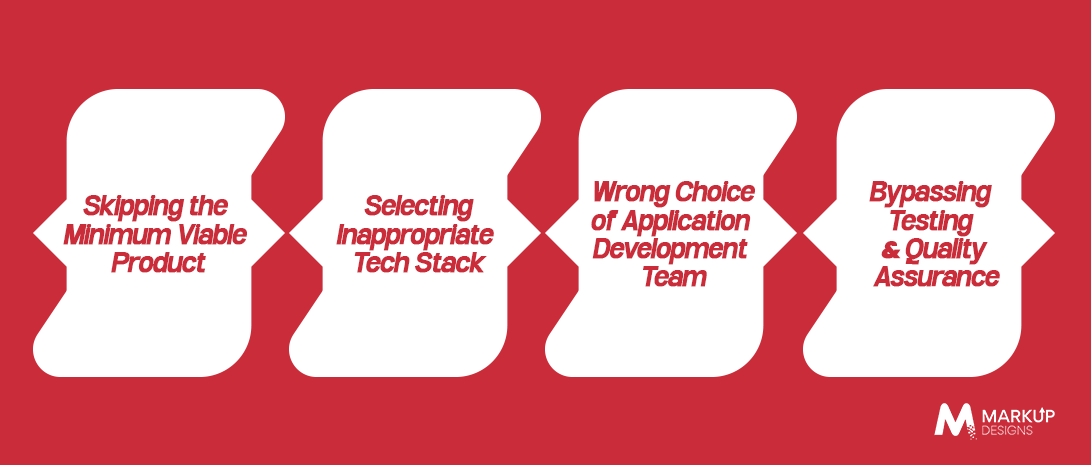
1. Skipping the Minimum Viable Product (MVP)
One of the most common mistakes businesses make is skipping the MVP stage and building a full app before validating whether the concept actually works in the market. The MVP is essentially a working version of the app that contains the minimum features required to address an existing problem.
By skipping the MVP process, companies risk wasting valuable resources in developing the app without confirming its market acceptability. An MVP app concept that appears promising from a business perspective may not always meet user expectations after release.
2. Selecting Inappropriate Tech Stack
The tech stack includes programming languages, software packages, databases, web servers, and other related technologies used in developing an application. It plays a significant role in determining whether your application can meet future performance and scalability requirements.
For example, if the wrong tech stack is chosen while developing an e-commerce app, then your eCommerce application may experience slow loading, crashes, and hangs when there is a lot of shopping during peak times, like sale season.
3. Wrong Choice of Application Development Team
Bringing your app vision to life requires an experienced team that understands modern development practices, communicates clearly, and works with the right technologies.
4. Bypassing Testing & Quality Assurance
Releasing a mobile application without proper testing can cause errors, glitches, poor performance, and a bad user experience. Simple technical problems might be frustrating for users and harm the brand image. Quality assurance is important for detecting such flaws in advance so that they can be fixed prior to the app’s release.
Top 10 Reasons Your Business Needs a Mobile App
Discover how mobile app development can help businesses improve customer engagement, increase sales, strengthen brand loyalty, and stay ahead in an increasingly mobile-first world.

Why Partner with Markup Designs for Mobile App Development
Selecting the right mobile application development service provider can go a long way in ensuring success for your digital project. We at Markup Designs bring together a wealth of experience, innovation, and business sense to develop mobile applications that work.
The development process begins with understanding our client’s objectives, their target customers, and market demands, followed by developing customized mobile apps. Everything from conceptualization, UX/UI design, coding, testing, and deployment is managed in-house.
Ready to Launch a Mobile App That Delivers Results?
From strategy and design to development and deployment, we help businesses build mobile applications that engage users, increase conversions, and drive measurable growth.

Conclusion
Nowadays, mobile applications represent an essential component for any company aiming at enhancing user involvement, raising sales, and increasing their digital presence. Still, the development process is not easy and calls for proper attention to the user experience, performance, and scalability of the mobile solution alongside its future maintenance and avoiding some common pitfalls.
FAQ
1. Why is mobile app development important for businesses?
Mobile app development helps businesses improve customer engagement, increase brand visibility, provide personalized experiences, and create additional revenue opportunities. It also allows companies to stay connected with customers through features such as push notifications and in-app communication.
2. How much does it cost to develop a mobile app?
The cost of mobile app development depends on several factors, including app complexity, features, design requirements, technology stack, and development approach. Simple apps typically cost less, while highly customized applications with advanced functionality require a larger investment.
3. What is an MVP in mobile app development?
A Minimum Viable Product (MVP) is a basic version of an app that includes only the essential features needed to solve a problem and gather user feedback. It helps businesses validate their app idea before investing in full-scale development.
4. How long does it take to build a mobile app?
The development timeline varies based on the scope of the project. A simple mobile app may take a few months to develop, while more complex applications with custom features and integrations can require a longer development cycle.
5. Why is user experience important in mobile apps?
User experience directly impacts how customers interact with an app. An intuitive design, smooth navigation, and fast performance help increase user satisfaction, improve retention rates, and encourage users to engage with the app regularly.
6. Why are app updates and maintenance necessary?
Regular updates help fix bugs, improve security, introduce new features, and ensure compatibility with the latest operating systems and devices. Ongoing maintenance keeps the application performing efficiently and enhances the overall user experience.
Author's Perspective
With technology moving towards a mobile-first world, a mobile application is now a necessity rather than a mere luxury for a business. Customers demand faster, more convenient, and personalized digital services. Thus, mobile applications have become an integral part of a company’s success. Companies that concentrate on their users’ requirements, validate their concepts at an early stage, scale their development process, and constantly optimize their applications stand a better chance of succeeding. As customers develop increasingly high demands, a mobile-first strategy can assist companies in staying relevant and growing.
Discuss Your Project NowGaurav Goyal
Global Sales- VP
Related Posts

iOS vs. Android App Development in Abu Dhabi:...

How AI-powered App Development is Transforming Mobile Apps...

Multi-Factor Authentication for Mobile Apps: Security Best Practices
Insights Are Valuable & Execution is Priceless
You’ve read about the digital future. Now, let’s build the infrastructure to take you there. Move your strategy from the page to the product.
Design Your Solution Now
Contact Us
Schedule The Appointment At Your Convenience Date And Time.
30 Min
Web Conference
Time Zone
Indian standard time (08:30pm)

Thanks For Getting In Touch!
You’ve Taken The First Step Toward Transforming Your Digital Presence. Our Experts Will Reach Out Shortly To Take It Forward.
Launch Your Dream Project
Provide a brief overview of your project, and our specialists will evaluate your requirements. We will connect with you to explore how the right digital solutions can help you launch faster.