

Key Takeaways
- In 2026, Android Apps have different costs, from $20,000 to create a simple MVP (minimum viable product) to $300,000 to create an enterprise-level application.
- App prices depend on its complexity, required features, user experience, user interface (UI), integration needs, and security requirements.
- Some of the biggest cost drivers for building Android Applications today include: AI, Internet of Things (IoT), cloud-native architectures, and real-time capabilities. While most apps are built for the native Android platform, cross-platform frameworks can also affect app development costs.
- Companies should include resources dedicated to ongoing maintenance, infrastructure, security updates, and third-party services within their project plan.
- By taking a strategic approach to building a minimum viable product (MVP), companies can reduce their initial investment and validate market demand sooner rather than later.
The Android operating system continues to lead the worldwide mobile operating system market. Because of this dominance, it is one of the main platforms to reach many users. Android Applications provide businesses with critical tools for interacting with customers, generating revenue, and increasing operational efficiencies. As mobile technologies evolve and user expectations increase, companies are allocating sizeable investments to providing mobile-first experiences that offer speed, personalization, and convenience.
A key question that most business leaders have before they begin the development of an application is: “How much does it cost to develop an Android Application in 2026?”
Several factors will directly influence the total development cost of your Android application. The price will vary depending on many elements, such as how advanced the app will be, what types of features you would like the app to have, which kind of target audience will be using the app, and how long you plan to be developing the app.
Additionally, the cost of developing each piece of the app will change, based on the framework and technology chosen for development. For example, an AI-based application could cost significantly more than a simple web application if the use case demands artificial intelligence.
While all factors mentioned above play a role in determining the overall development cost, some can be more heavily weighted or have a higher impact on your overall development budget. Below is a snapshot of some of the key cost factors that companies should consider when developing Android applications:
Typical Android Application Development Costs

For the development of an average Android application, expect to pay between $10,000 to $40,000. The cost will vary depending on each of the factors mentioned above. The range above is based on the use of independent contractors or consulting firms to perform coding work and create a functional software product.
Depending on the level of complexity required for each application, development costs based on features and complexity could fall out of this range.
Simple Applications
Simple Android applications are designed to perform a limited set of functions and typically involve straightforward user journeys with minimal backend requirements. Examples include calculator apps, appointment booking platforms, information portals, and internal business tools. These applications generally include features such as user registration, profile management, basic notifications, and content display. Due to their relatively simple architecture and shorter development cycles, the cost of building a basic Android app typically ranges from $10,000 to $40,000, with an average development timeline of 2 to 4 months.
Medium-Complexity Applications
As business requirements become more sophisticated, applications often require integrations, dynamic user interactions, and advanced functionality. Common examples include fitness applications, food delivery platforms, learning management systems, and online marketplaces. These apps frequently incorporate features such as payment gateways, analytics dashboards, real-time notifications, and third-party integrations. Given the increased development effort and testing requirements, medium-complexity Android applications generally cost between $40,000 and $120,000 and take approximately 4 to 8 months to develop.
Advanced Applications
Advanced Android applications are built to support large user bases, complex workflows, and enterprise-grade functionality. Banking apps, ride-sharing platforms, telemedicine solutions, and social networking applications fall into this category. These solutions often require AI-powered app features, real-time communication, advanced security measures, and scalable cloud-based infrastructures capable of handling significant traffic volumes. Because of their complexity and extensive development requirements, advanced applications typically require an investment of $120,000 to $300,000 or more, with development timelines extending from 8 to 12 months or longer.
Issues Involved In Android App Development
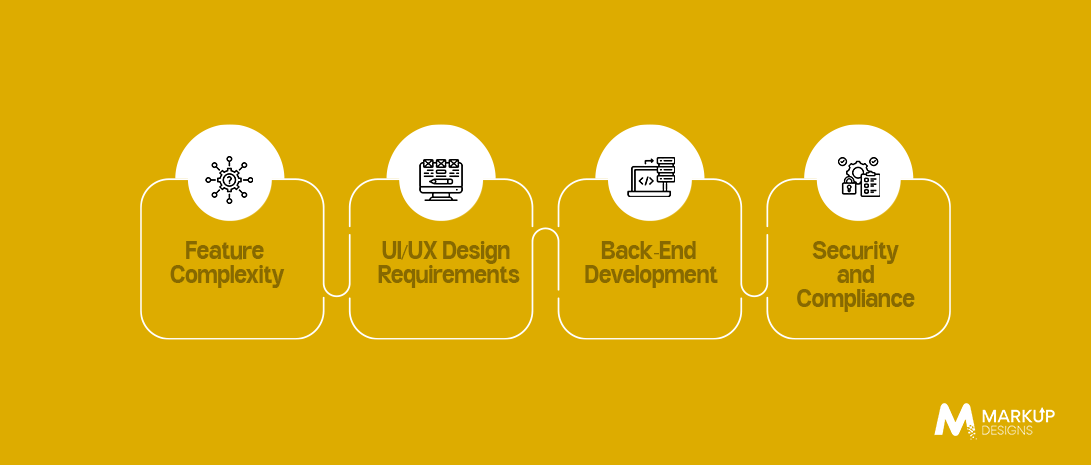
Feature Complexity
One of the biggest factors influencing Android app development costs is feature complexity. Functionalities such as real-time chat, video streaming, geolocation tracking, payment gateway integration, AI-powered recommendations, and multi-language support require additional development, testing, and maintenance efforts. As the number and sophistication of features increase, so does the overall project cost.
UI/UX Design Requirements
In today’s competitive mobile landscape, delivering an exceptional user experience is no longer optional. The design phase typically includes user research, wireframing, prototyping, visual design, design system creation, and interactive animations. While highly customized interfaces can significantly improve user engagement, they also require larger budgets compared to template-based design approaches.
Back-End Development
Back-end development forms the foundation of any Android application, handling functions such as database management, user authentication, notification systems, and third-party integrations. Decisions related to cloud infrastructure, microservices architecture, and scalability requirements can substantially impact both development complexity and overall project costs.
Security and Compliance
Applications in industries such as healthcare, fintech, and insurance often require advanced security measures and regulatory compliance. Features such as data encryption, multi-factor authentication (MFA), secure APIs, and industry-specific compliance standards add additional development effort and testing requirements. For enterprise-grade applications, security and compliance can represent a significant portion of the total development budget.
Android Application Development Cost by Industry

The cost of Android app development varies across industries because each sector requires a unique combination of features, integrations, security standards, and user experiences.
E-commerce Applications typically require product catalogs, customer accounts, inventory management, and secure payment gateways to support seamless online shopping experiences. Depending on the complexity and scale of the platform, development costs for eCommerce apps generally range between $50,000 and $150,000.
Healthcare Applications often include appointment scheduling, patient portals, telemedicine capabilities, and secure health data management. Due to stringent security and compliance requirements, AI-powered healthcare apps usually cost between $55,000 and $300,000+.
Fintech Applications are among the most complex mobile solutions, requiring features such as digital payments, account management, fraud detection, and secure transaction processing. As a result, fintech app development costs can range from $100,000 to $500,000+.
Educational Applications focus on delivering engaging learning experiences through course management, video-based learning, assessments, and progress tracking. Depending on functionality and scalability requirements, development costs typically range between $60,000 and $225,000.
While these estimates provide a useful benchmark, the final cost depends on the application’s feature set, integrations, scalability requirements, and overall business objectives.
Native Development vs. Cross-Platform Development: Cost Comparison

Choosing the right approach for developing your Android app is incredibly crucial because it affects all aspects of the development costs, timelines, performance, and long-term scalability of an App.
The choice between native vs cross-platform development is typically based on project requirements, budget, and business growth objectives.
Native Android Development involves using a combination of native tools (e.g., Android Studio) and platform-specific programming languages (e.g., Java, Kotlin) to build an application specifically for the android ecosystem. Since the application has been created specifically for use within the Android Ecosystem, it will make use of the platform features and the abilities of the hardware device to the fullest capacity.
Cross-Platform Development
Cross-platform development enables businesses to build a single application that runs on multiple platforms i.e Android and iOS using one shared codebase.
Apps built on Flutter and React Native are increasingly popular because they allow businesses to get products into the market faster, since developers can share most of the code between iOS and Android. This improves the process for businesses since their users will experience the same experience regardless of what device they’re on.
Which Approach is More Cost-Effective?
There isn’t an exact answer. Native apps generally cost more upfront because they are built exclusively for one platform, but they tend to deliver superior performance, security, and scalability compared to cross-platform alternatives.
Cross-platform development, on the other hand, offers significant cost savings and faster delivery, making it an attractive option for businesses with limited budgets or aggressive launch timelines.
The right choice depends on factors such as application complexity, target audience, long-term growth plans, and performance expectations. Evaluating these requirements early can help businesses select the most cost-effective development strategy while ensuring their application meets both current and future needs.
You don’t need to add much. Just explain why they’re called hidden costs in 1-2 lines under each subsection.
Hidden Costs of Application Development
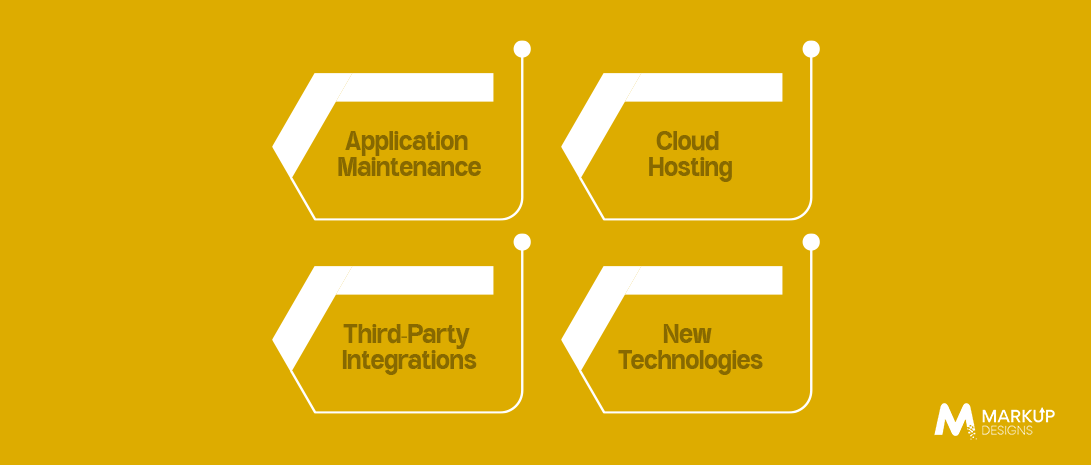
Many businesses estimate app development costs based on design and coding efforts alone. However, the total cost of ownership often includes several ongoing expenses that emerge after launch. These hidden costs are frequently overlooked during budgeting but can significantly impact long-term investment requirements.
Application Maintenance
Application maintenance includes fixing bugs, improving performance, maintaining security, updating the application to support new operating system versions, and performing regular backups.
Why is it a hidden cost?
Many businesses assume development costs end at launch. In reality, continuous maintenance is required to keep the application secure, stable, and compatible with evolving technologies.
Cloud Hosting
The overall costs of hosting applications in the cloud depend on user traffic, storage requirements, API requests, bandwidth usage, and processing workloads.
Why is it a hidden cost?
Hosting expenses often start small but increase as the application’s user base grows, making them difficult to predict accurately during the initial planning phase.
Third-Party Integrations
Businesses frequently integrate services such as payment gateways, maps, messaging platforms, analytics tools, and authentication solutions, many of which operate on subscription-based pricing models.
Why is it a hidden cost?
While integration may be included in the initial development budget, the recurring subscription and usage fees associated with third-party services are often overlooked.
New Technologies
Technologies such as artificial intelligence (AI), IoT, machine learning, and augmented reality are increasingly being incorporated into Android applications to enhance functionality and user experience.
Why is it a hidden cost?
These technologies often require specialized expertise, additional infrastructure, advanced testing, and ongoing optimization, which can significantly increase both development and operational expenses over time.
Read Also: Practical Guide to Developing Your First Mobile Apps
Strategies Businesses Can Use to Reduce Android App Development Costs
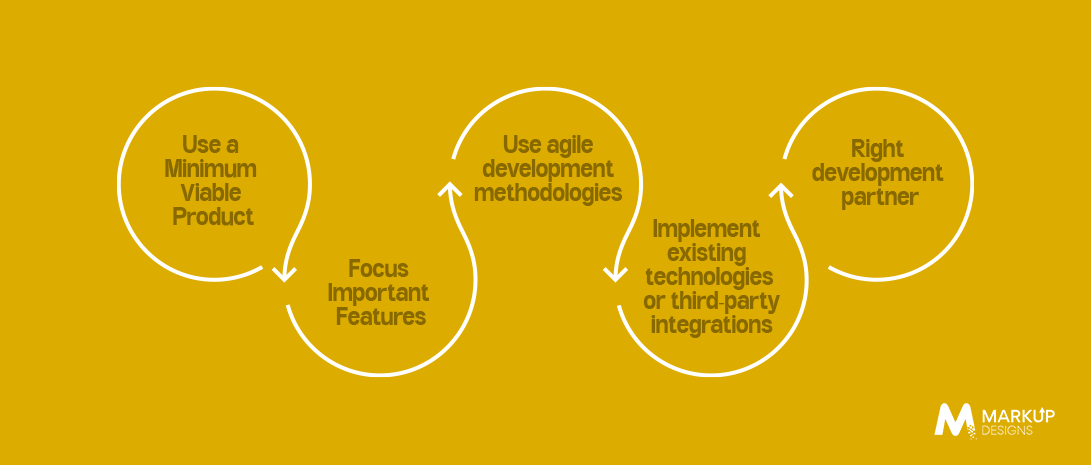
Developing an Android application doesn’t need to be too costly. With the right development strategy, businesses can manage costs effectively while still delivering a high-quality product. The main focus area is to create a value-based approach to development with an emphasis on essential features and avoiding putting too much of your budget on items that will not add value to your overall business goals. There are many strategies available that can help you reduce the costs of developing Android applications while still producing high-quality results.
Use a Minimum Viable Product (MVP) as Your Starting Point
One of the best ways to control your development costs is by launching a Minimum Viable Product (MVP). A Minimum Viable Product is an application that consists of only the basic features needed to solve a particular user problem and prove the validity of the application in the marketplace.
Instead of investing a lot of money into a fully functional application upfront, businesses can release a basic version of the application, collect user feedback, and utilize data to determine what changes or improvements should be made moving forward. This not only minimizes the financial risk associated with developing an application but also ensures that the efforts made during development align with what users actually want, rather than what the company had originally planned.
Focus Important Features
One of the most common reasons for going over budget when developing applications is due to feature creep.
Develop a more strategic plan by recognizing which features directly impact your business goals and are most important to your users. When you prioritize these features first, you can create value from the start and manage your expenses within a specified budget.
Use agile development methodologies
Agile development methodologies have become the preferred methodology for modern mobile application projects because they create an environment that supports flexibility, transparency, and continuous improvement throughout the life of the project.
Instead of building an entire application at once, the agile methodologies break the project down into smaller usable iterations, allowing the development team to determine issues early, adjust to the business’s evolving needs, and refine the product based on feedback gathered from external stakeholders.
Implement existing technologies or third-party integrations
Creating new features from scratch is a significant opportunity to incur high costs when computing their true cost. Therefore, businesses should consider incorporating existing third-party solutions where possible, such as payment processing, analytics, text messaging, authentication capabilities, and cloud services.
Implementing existing technologies can reduce the cost of implementing those features and also improve the reliability, security, and scalability of those features.
Right development partner
Having a development partner with an extensive understanding of project development will greatly influence the overall cost of the project. An experienced technology partner allows businesses to make informed decisions so that they avoid project development difficulties with the types of application services being utilized, and will enable clients to successfully create scalable applications without the addition of unnecessary costs.
A strategic development partner focuses not only on delivering an application but also on maximizing long-term business value and return on investment.
By combining an MVP-first approach, feature prioritization, agile methodologies, smart technology choices, and experienced development expertise, businesses can significantly reduce Android app development costs while building applications that are scalable, user-centric, and positioned for long-term success.
How Markup Designs Can Help
Launching a successful Android application requires far more than technical expertise. It demands a clear product vision, strategic planning, user-centric design, scalable architecture, and a development process that can adapt to evolving business requirements. Without the right approach, even promising app ideas can face challenges related to performance, user adoption, security, and long-term scalability.
At Markup Designs, we help businesses transform their app concepts into powerful Android solutions that deliver measurable business outcomes. Our team works closely with clients from the earliest stages of product strategy and market validation through design, development, deployment, and post-launch optimization. By combining technical excellence with a deep understanding of user behavior and business objectives, we create applications that are not only functional but also positioned for sustainable growth.
From startups looking to validate an idea through a Minimum Viable Product (MVP) to enterprises seeking complex, feature-rich mobile ecosystems, Markup Designs provides the expertise, flexibility, and technical leadership required to bring ambitious digital products to life. Our goal is not simply to build applications but to create digital assets that support business growth, enhance customer engagement, and generate lasting value.
Want To Build An Android App In 2026?
Get Your App Idea Developed Into A Scalable, Robust Android App with Help From Markup Designs.

Conclusion
The cost of developing an Android app in 2026 can vary widely depending on a variety of factors, including project complexity, functionality and design features, technology platform(s), and development methodology.
Launching an MVP has become a widely adopted strategy for validating assumptions before committing to full-scale development. It reduces risk and provides real user feedback to guide larger investment decisions.
The way businesses have approached the development of Android Apps has changed quite a bit and continues to evolve in 2026 and beyond. No longer is the goal just to create a mobile application, but now businesses are focusing on creating a digital ecosystem that connects customers, data, processes, and new technologies.
As competition intensifies, businesses are integrating innovation and emerging technology into their core strategy while carefully balancing development spend against projected returns. Creating a sound foundation for growth that allows them to continue to evolve through market validation and user feedback will help them succeed.
Businesses will find great success by utilizing what is currently the largest audience in the marketplace- Android, for reaching global audiences. Those companies that have a strategic vision of the future and work with experienced development and technology partners will have a competitive advantage in maximizing ROI and remaining competitive in an increasingly mobile economy.
FAQ
1. How much does Android app development cost in 2026?
Development costs typically range from $20,000 for simple applications to over $300,000 for enterprise-grade platforms.
2. How long does it take to build an Android app?
Development timelines generally range from 2 months for basic apps to over 12 months for highly complex solutions.
3. Is Android app development more expensive than iOS development?
Not necessarily. However, Android often requires testing across a wider range of devices, which can increase quality assurance efforts.
4. What factors impact Android app development costs the most?
App complexity, feature requirements, integrations, security needs, design sophistication, and development methodology are the primary cost drivers.
5. How much should businesses budget for maintenance?
Most organizations allocate between 15% and 25% of the initial development cost annually for maintenance and updates.
6. Is an MVP worth building before a full-scale application?
Yes. An MVP helps validate assumptions, reduce risk, and gather real user feedback before larger investments are made.
Author's Perspective
The conversation around Android app development costs has shifted considerably over the past few years. Businesses are no longer investing solely in mobile applications; they are investing in digital ecosystems that connect customers, data, automation, and emerging technologies.
As we move through 2026, the most successful organizations will be those that balance innovation with strategic spending. Rather than attempting to build every possible feature from day one, companies should focus on creating scalable foundations, validating market demand early, and continuously evolving their products based on user insights.
Android remains one of the most powerful platforms for reaching global audiences. Businesses that approach development with a long-term vision and partner with experienced technology providers will be best positioned to maximize return on investment while staying competitive in an increasingly mobile-first world.
Discuss Your Project NowAjit Kumar Jha
VP - Business Operations
Related Posts

iOS vs. Android App Development in Abu Dhabi:...

How AI-powered App Development is Transforming Mobile Apps...

Multi-Factor Authentication for Mobile Apps: Security Best Practices
Insights Are Valuable & Execution is Priceless
You’ve read about the digital future. Now, let’s build the infrastructure to take you there. Move your strategy from the page to the product.
Design Your Solution Now
Contact Us
Schedule The Appointment At Your Convenience Date And Time.
30 Min
Web Conference
Time Zone
Indian standard time (08:30pm)

Thanks For Getting In Touch!
You’ve Taken The First Step Toward Transforming Your Digital Presence. Our Experts Will Reach Out Shortly To Take It Forward.
Launch Your Dream Project
Provide a brief overview of your project, and our specialists will evaluate your requirements. We will connect with you to explore how the right digital solutions can help you launch faster.