

In Brief
- FinTech app development cost in the UK depends on app complexity, features, technology, integrations, and compliance requirements.
- Core features can include secure registration, KYC, payments, bank integration, transaction tracking, notifications, and financial insights.
- The development process covers planning, UI/UX design, development, API integration, security, testing, and deployment.
- UK FinTech apps must meet requirements for data protection, financial services, payments, KYC, AML, and security.
- Ongoing expenses can include maintenance, cloud infrastructure, third-party APIs, compliance, licensing, and security updates.
FinTech apps are changing how users manage payments, banking, investments, lending, and other financial services. For businesses entering the UK market, building a FinTech app requires more than developing a set of financial features; it also involves security, regulatory requirements, integrations, and a reliable technical infrastructure.
The cost of building a FinTech app in the UK can vary significantly depending on its functionality, complexity, technology stack, development approach, and compliance needs. This guide covers the key cost factors, essential features, development process, and regulatory considerations businesses should understand before starting a FinTech app project.
FinTech App Development Cost in the UK
The cost of developing a FinTech app in the UK depends on the app’s complexity, feature set, technology requirements, integrations, security measures, and regulatory obligations. A basic app with essential financial functions generally requires less development effort than a complex platform involving payments, banking integrations, AI, investment services, or advanced fraud detection.
FinTech App Cost Based on App Complexity
The development cost can be estimated across different complexity levels based on functionality, integrations, security requirements, and development effort.
| App Complexity | Estimated Cost | Development Timeline |
| Basic | £30,000–£60,000 | 3–5 months |
| Medium | £60,000–£120,000 | 5–8 months |
| Advanced | £120,000–£250,000+ | 8–12+ months |
Basic FinTech App:
Suitable for applications with essential features such as user registration, KYC, account management, basic transactions, and notifications.
Medium FinTech App:
Includes features such as bank integrations, payment processing, budgeting tools, dashboards, financial analytics, and enhanced security.
Advanced FinTech App:
Designed for complex financial platforms with AI-driven capabilities, multiple financial integrations, advanced fraud detection, investment or lending functionality, and extensive compliance requirements.
FinTech App Cost Based on Development Stages
Different stages of development contribute to the overall project cost, from initial research to post-launch maintenance.
| Development Stage | Estimated Cost Share |
| Market Research & Planning | 5–10% |
| UI/UX Design | 10–15% |
| Frontend & Backend Development | 35–45% |
| API & Financial Integrations | 10–15% |
| Security & Compliance | 10–15% |
| Testing & Quality Assurance | 10–15% |
| Deployment & Post-Launch Support | 5–10% |
These percentages are indicative rather than fixed. The actual allocation can change depending on the app’s functionality, integrations, compliance scope, and technical architecture.
Key Factors Affecting FinTech App Development Cost
Several technical and business factors can increase or reduce the overall cost of developing a FinTech application.
App Complexity and Feature Set
The number and complexity of features directly affect development effort. Basic account management and transaction features require less work than AI-based financial insights, investment tools, automated lending, or real-time fraud monitoring.
UI/UX Design
FinTech applications need intuitive interfaces that make financial information easy to understand while maintaining secure and consistent user flows. Custom dashboards, interactive charts, onboarding flows, and accessibility requirements can add to design and development costs.
Third-Party Integrations
Banking APIs, payment gateways, open banking services, identity verification providers, credit scoring services, and financial data APIs may be required depending on the app’s purpose. Each integration can add development, testing, licensing, and ongoing API costs.
Security and Compliance
Security is a core part of FinTech software development. Encryption, authentication, access controls, fraud monitoring, audit trails, and compliance-related controls can increase development effort and infrastructure requirements.
Technology Stack
The choice of frontend frameworks, backend technologies, databases, cloud infrastructure, APIs, and security tools influences both development time and long-term maintenance requirements.
Development Team Location
Development rates vary depending on whether you work with an in-house UK team, a UK-based development company, or an offshore or nearshore development partner. The team’s expertise in financial technology and regulated applications can also influence the overall cost.
Essential Features of a FinTech App
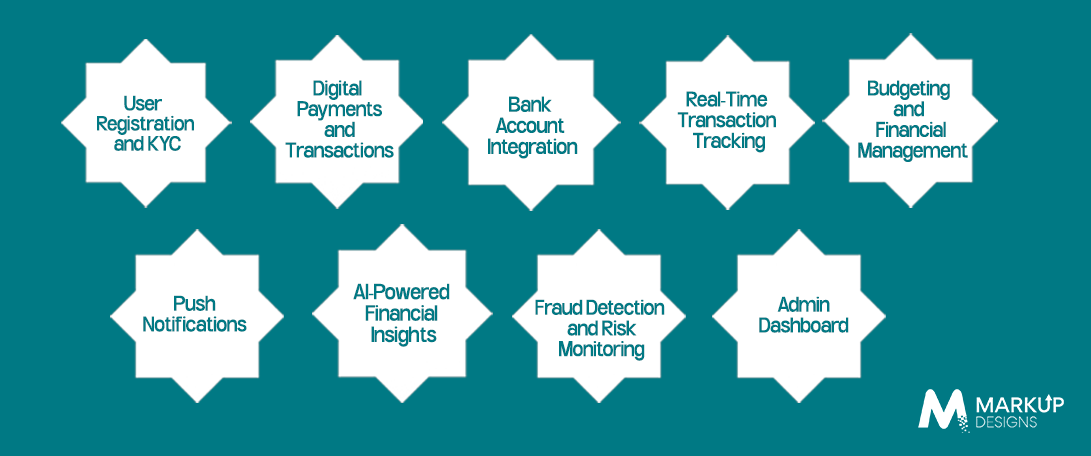
The features required will depend on the type of FinTech application, its target users, and the financial services it provides.
User Registration and KYC
Provide secure account creation with identity verification and KYC workflows. The process can include document verification, identity checks, and user authentication before access to relevant financial services.
Digital Payments and Transactions
Enable users to send, receive, and manage payments through secure transaction workflows. Payment functionality can connect to appropriate banking or payment service providers.
Bank Account Integration
Connect the application with supported financial institutions or open banking services to allow users to access relevant account information and financial data within the app.
Real-Time Transaction Tracking
Give users visibility into transaction activity, payment status, account movements, and relevant financial updates through real-time or near-real-time data where supported by the underlying services.
Budgeting and Financial Management
Help users monitor spending, organise expenses, set budgets, and understand their financial activity through dashboards, categories, reports, and visual summaries.
Push Notifications
Send timely notifications for transactions, payment confirmations, account activity, security events, and other relevant financial updates.
AI-Powered Financial Insights
AI can analyse financial data to generate personalised insights, spending patterns, recommendations, or forecasts, subject to appropriate data, privacy, and risk controls.
Fraud Detection and Risk Monitoring
Use transaction monitoring, behavioural analysis, rules, and other risk controls to identify potentially suspicious activity and support appropriate fraud prevention workflows.
Admin Dashboard
Provide administrators with tools to manage users, monitor transactions, review alerts, manage content, track system activity, and access operational reports.
How to Build a FinTech App in the UK
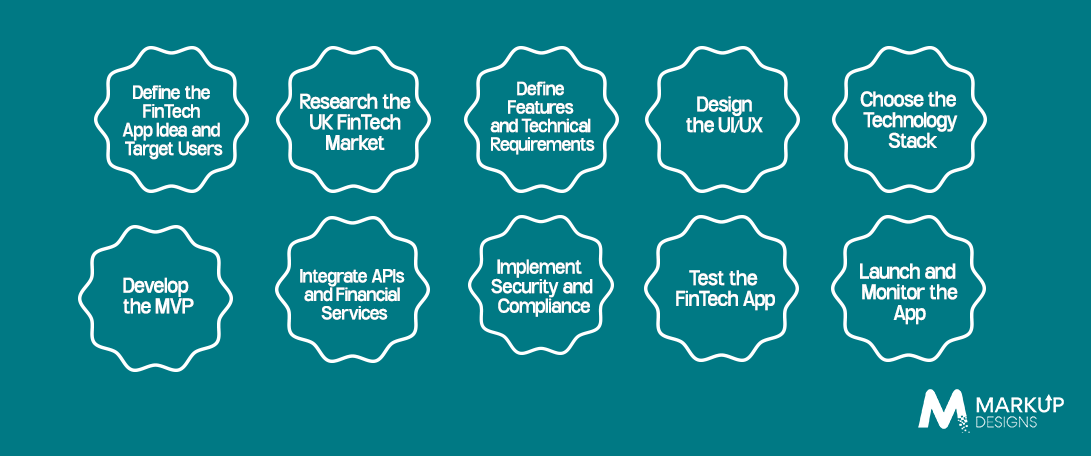
1. Define the FinTech App Idea and Target Users
Start by identifying the financial problem the app will address, the target audience, the services it will provide, and the markets in which it will operate.
2. Research the UK FinTech Market
Analyse existing FinTech applications, user expectations, competing solutions, market gaps, and applicable financial service requirements. This helps establish a practical product direction before development begins.
3. Define Features and Technical Requirements
Create a detailed feature list and define functional requirements, integrations, security controls, user roles, data requirements, and technical architecture. Prioritise the features required for the initial product version.
4. Design the UI/UX
Create user flows, wireframes, prototypes, and interface designs that make financial tasks clear and easy to navigate. Security and accessibility should be considered throughout the design process.
5. Choose the Technology Stack
Select appropriate frontend and backend technologies, databases, cloud infrastructure, APIs, authentication solutions, and security tools based on the application’s requirements.
6. Develop the MVP
Build an MVP around the most important features and workflows. This allows the business to validate the product concept and user experience before investing in a larger feature set.
7. Integrate APIs and Financial Services
Connect the app with relevant banking, payment, identity verification, financial data, or other third-party services. Integrations should be tested carefully because they can affect both functionality and security.
8. Implement Security and Compliance
Implement authentication, encryption, access controls, secure data handling, monitoring, logging, and other required controls. The compliance approach should reflect the specific financial services and data processed by the application.
9. Test the FinTech App
Conduct functional, integration, performance, security, usability, and compliance-related testing. Financial transactions and sensitive user data require thorough testing before production deployment.
10. Launch and Monitor the App
Deploy the application to the appropriate platforms and monitor performance, security events, transactions, errors, and user activity. Continue improving the application through maintenance, updates, and user feedback.
UK FinTech Regulations and Compliance
Compliance requirements depend on the financial services offered, business model, data processed, and regulatory status of the organisation. The relevant requirements should therefore be assessed during the planning stage rather than after development.
FCA Requirements
Businesses providing regulated financial services in the UK may need to consider requirements and authorisation or registration obligations overseen by the Financial Conduct Authority (FCA), depending on their activities.
UK GDPR and Data Protection
FinTech applications that process personal data need appropriate data protection measures covering data collection, processing, storage, access, retention, and user rights.
Payment Services Regulations
Applications providing payment-related services may need to consider applicable UK payment services requirements, depending on the services and operating model.
Strong Customer Authentication
Where applicable, strong customer authentication controls can add a layer of protection to payment and account-access workflows.
KYC and AML Requirements
FinTech applications involved in regulated financial activities may need customer identification, verification, transaction monitoring, and anti-money laundering controls appropriate to their business model and regulatory obligations.
Read Also: A CTO’s Guide to Hiring the Right Fintech Software Development Company in the UK
Technology Stack for FinTech App Development
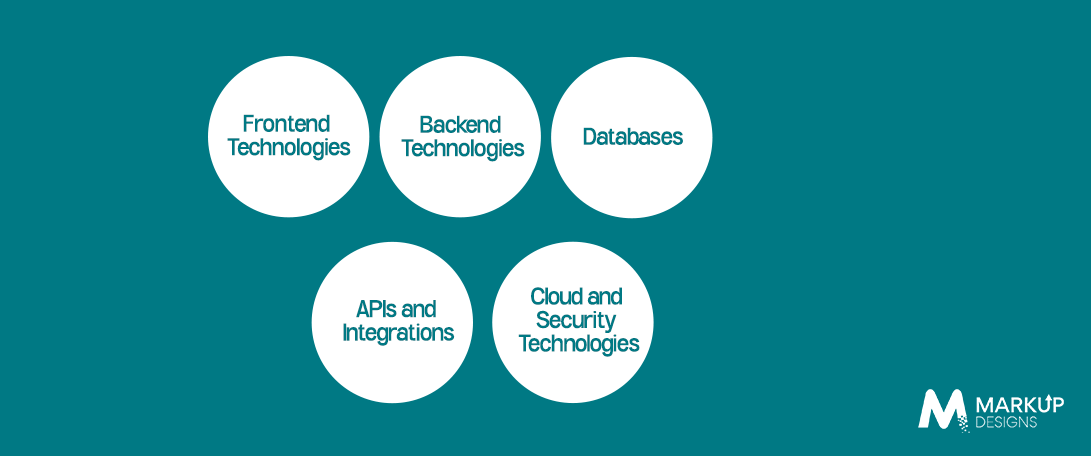
The technology stack should be selected based on the app’s functionality, scalability, security requirements, integrations, and regulatory needs.
Frontend Technologies
Use technologies such as React Native, Flutter, Swift, Kotlin, or React to build responsive web and mobile interfaces. The choice depends on the target platforms, performance requirements, and development approach.
Backend Technologies
Backend development can use Node.js, Python, Java, .NET, or similar technologies to manage business logic, APIs, authentication, transactions, and application workflows.
Databases
Databases such as PostgreSQL, MySQL, MongoDB, or other suitable solutions can store user profiles, transaction records, financial data, and application information based on the data architecture.
APIs and Integrations
APIs connect the application with banking services, payment gateways, open banking platforms, identity verification providers, financial data services, and other third-party systems.
Cloud and Security Technologies
Cloud platforms such as AWS, Microsoft Azure, or Google Cloud can support application hosting, storage, monitoring, and scalability. Security technologies should cover encryption, authentication, access management, monitoring, and secure infrastructure.
Hidden Costs of FinTech App Development
The initial development estimate does not always cover the full cost of operating a FinTech application. Businesses should account for ongoing technical, regulatory, infrastructure, and third-party expenses.
Maintenance and Updates
Regular maintenance is required to fix issues, update dependencies, improve performance, support new operating system versions, and introduce new functionality.
Cloud Infrastructure
Hosting, storage, databases, computing resources, monitoring, backups, and traffic can create recurring cloud expenses that increase as the application grows.
Third-Party API Fees
Banking, payment, identity verification, financial data, analytics, and other APIs may charge setup, usage, subscription, or transaction-based fees.
Security and Compliance
Security audits, penetration testing, compliance assessments, monitoring tools, data protection controls, and ongoing security improvements can add to operational costs.
Licensing and Legal Costs
Depending on the business model, costs may include software licences, regulatory consultations, legal services, financial licences, certifications, and other compliance-related requirements.
How to Monetise a FinTech App
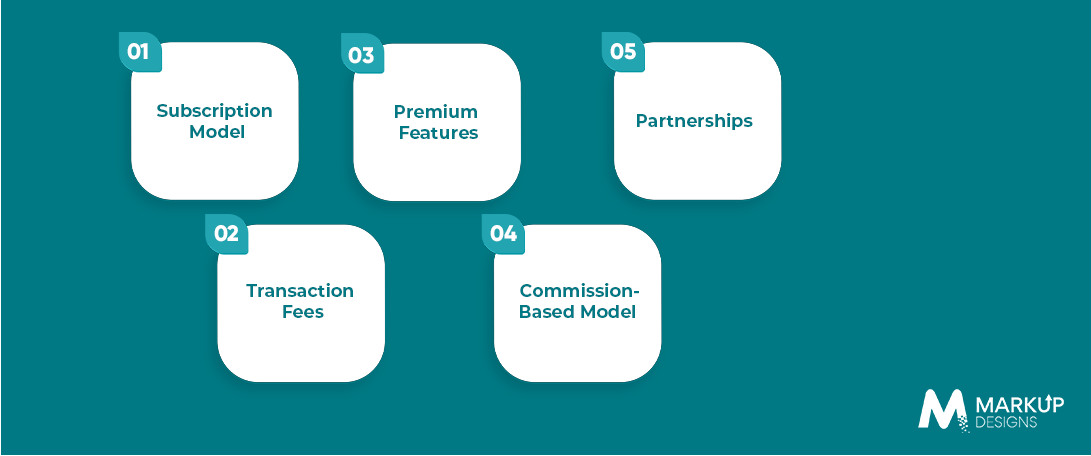
The appropriate monetisation model depends on the services provided, target customers, transaction volume, and overall business model.
Subscription Model
Charge users a recurring monthly or annual fee for access to the application or a defined set of features.
Transaction Fees
Generate revenue by charging a fixed fee or percentage for eligible transactions processed through the platform.
Premium Features
Offer core functionality for free while charging users for advanced analytics, automation, higher limits, additional services, or other premium capabilities.
Commission-Based Model
Earn commissions through eligible financial products, services, referrals, or transactions facilitated through the application.
Partnerships
Generate revenue through partnerships with financial institutions, service providers, merchants, or other businesses where the arrangement is appropriate and compliant.
How Long Does It Take to Build a FinTech App in the UK?
A FinTech app can take 3–12+ months to develop, depending on its complexity, feature set, integrations, security requirements, testing scope, and compliance needs. A basic MVP may take a few months, while a complex platform involving multiple financial services, advanced integrations, and extensive compliance requirements can require a year or longer.
How to Reduce FinTech App Development Costs
- Start with an MVP focused on essential features.
- Prioritise features based on user and business requirements.
- Use reusable components and established technologies where appropriate.
- Consider cross-platform development when it meets the product requirements.
- Select third-party APIs based on functionality, reliability, pricing, and scalability.
- Plan security and compliance requirements from the beginning.
- Use automated testing and CI/CD practices to reduce repetitive development work.
- Work with an experienced FinTech development team to reduce rework and integration issues.
Why Choose Markup Designs for FinTech App Development in the UK?
Markup Designs provides end-to-end FinTech app development services covering product discovery, UI/UX design, mobile and web development, API integration, testing, deployment, and ongoing support. Our team can help businesses build scalable financial applications around their functional requirements, technology environment, security needs, and growth objectives.
Build a Secure and Scalable FinTech App for the UK Market
Turn your FinTech idea into a reliable digital product with the right technology, features, integrations, and security approach.

Conclusion
Building a FinTech app in the UK requires careful planning across development, security, integrations, compliance, and long-term operations. The overall cost and timeline depend heavily on the app’s complexity and the financial services it supports. Defining the MVP, selecting the right technology stack, planning integrations early, and addressing security and regulatory requirements from the start can create a stronger foundation for development and future scaling.
FAQ
1. How much does it cost to build a FinTech app in the UK?
The cost can range from around £30,000 for a basic FinTech app to £250,000+ for an advanced platform. The final cost depends on features, integrations, technology, security, compliance, and development requirements.
2. How long does it take to develop a FinTech app?
Development can take approximately 3–12+ months, depending on the app’s complexity, feature scope, integrations, testing, and compliance requirements.
3. What features should a FinTech app have?
Common features include user registration, KYC, secure authentication, payments, bank integration, transaction tracking, financial management, notifications, fraud monitoring, and an admin dashboard.
4. What regulations apply to FinTech apps in the UK?
Depending on the services offered, a FinTech app may need to address FCA requirements, UK data protection requirements, payment services regulations, strong customer authentication, and KYC/AML obligations.
5. How can I reduce FinTech app development costs?
Start with an MVP, prioritise essential features, select an appropriate technology stack, use suitable third-party integrations, and plan security and compliance requirements early in the development process.
6. How can a FinTech app make money?
Common models include subscriptions, transaction fees, premium features, commissions, and partnerships, depending on the app’s services and business model.
7. What technology stack is used to build FinTech apps?
A FinTech app may use technologies such as React Native or Flutter for mobile development, Node.js, Python, Java, or .NET for backend development, PostgreSQL or MongoDB for databases, and AWS, Azure, or Google Cloud for infrastructure.
Author's Perspective
A successful FinTech app should not be built by simply adding as many financial features as possible. The focus should be on solving a specific user problem while creating secure workflows, reliable integrations, and a technical foundation that can support future growth. Businesses should define their core product first, validate the MVP, and then expand functionality based on user requirements and the applicable regulatory environment.
Discuss Your Project NowGaurav Goyal
Global Sales- VP
Related Posts

BNPL App Development: Features, Costs & Market Opportunities

FinTech Cybersecurity: Essential Controls for Secure Financial Applications

Neobank App Development Cost: Enterprise Banking Guide for...
Insights Are Valuable & Execution is Priceless
You’ve read about the digital future. Now, let’s build the infrastructure to take you there. Move your strategy from the page to the product.
Design Your Solution Now
Contact Us
Schedule The Appointment At Your Convenience Date And Time.
30 Min
Web Conference
Time Zone
Indian standard time (08:30pm)

Thanks For Getting In Touch!
You’ve Taken The First Step Toward Transforming Your Digital Presence. Our Experts Will Reach Out Shortly To Take It Forward.
Launch Your Dream Project
Provide a brief overview of your project, and our specialists will evaluate your requirements. We will connect with you to explore how the right digital solutions can help you launch faster.