
In Brief
- The integration of Bluetooth Low Energy (BLE) systems allows the connection of low-energy devices, sensors, and business software, thus enabling effective monitoring and transfer of information in real time.
- Depending on their business specifics, businesses can choose from various connectivity options such as mobile connection, gateway, edge, and cloud connectivity.
- A secure BLE connectivity should consider all relevant aspects, including compatibility of devices, data processing, APIs, cloud resources, and system integrations.
- BLE enables the introduction of solutions in various industries, including healthcare, industry, transportation, retail, smart cities, and utilities.
- At the same time, the implementation of a BLE system should involve proper planning, testing, security management, and scalable architecture.
Bluetooth Low Energy (BLE) technology allows enterprises to gather and transfer information from devices, sensors, and connected resources using less power than traditional wireless technology. BLE combined with other solutions allows achieving real-time monitoring, asset tracking, equipment maintenance, and automation of business processes.
At the same time, just using BLE devices does not create an enterprise solution. It is important to have the proper architecture of integration between physical devices and software used in the business.
This guide explores BLE system integration from architecture and connectivity strategies to implementation, enterprise use cases, security, challenges, costs, and emerging applications.
Understanding BLE System Integration for Enterprise Applications
BLE system integration enables the connection of devices and sensors that utilize Bluetooth Low Energy with mobile apps, gateways, cloud services, and enterprise applications. Thanks to BLE integration, these devices and their components do not operate independently. Instead, they become part of an integrated connected system and are able to collect, process and relay operational data.
What Is BLE System Integration?
BLE system integration can be defined as the process of connecting BLE components with software and business systems, thus allowing data exchange between digital applications and physical devices, and facilitating functions such as asset tracking, equipment monitoring, proximity detection, and real-time data collection.
How BLE Connects Business Devices and Systems
BLE technology captures data and shares it with other devices in proximity, including smartphones and gateways. Thus, from BLE-enabled devices, information passes through an API that connects secure information to backend services, enabling its passing to cloud services, ERP systems, and other enterprise software.
Key Benefits of BLE Integration for Businesses
Bluetooth Low Energy (BLE) technology is characterized by its low energy use, versatile ability to connect different devices, and low cost of deployment. It allows for increased monitoring, better identification of assets, automated collection of data, and significant reduction in manual work processes if implemented in the right way.
BLE Connectivity Strategies for Enterprise Systems
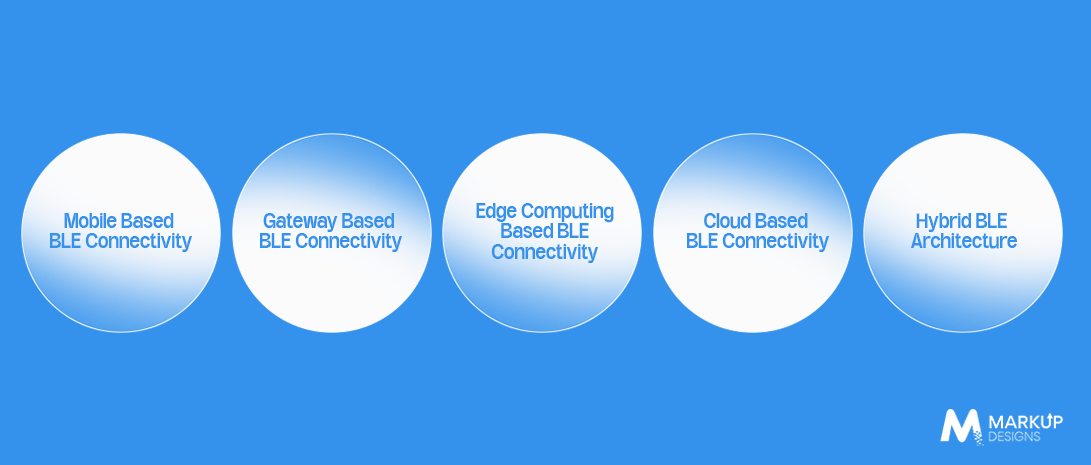
Choosing the right BLE connectivity strategy depends on the environment, volume of data to transmit, density of devices, and whether it is necessary to process information at once.
Mobile-Based BLE Connectivity
BLE technology can allow for data exchange between a mobile phone or a tablet and BLE devices in question if they are located near the device being connected.
Gateway-Based BLE Connectivity
A BLE gateway is a device that receives information from a variety of devices in close proximity and transmits it to a single backend. Its advantage is that it can be used in environments where devices are stationary, such as warehouses, factories, hospitals, and so on.
Edge Computing-Based BLE Connectivity
Edge devices process BLE data closer to where it is generated. This can reduce latency and limit the amount of raw data that needs to be sent to the cloud.
Cloud-Based BLE Connectivity
BLE data can be transferred to cloud computing for business through connected gateways or applications, enabling centralised storage, analytics, monitoring and access across locations.
Hybrid BLE Architecture
A hybrid model combines mobile, gateway, edge and cloud components to meet more complex enterprise requirements. It provides flexibility when different locations or workflows require different connectivity methods.
BLE System Architecture for Enterprise Applications
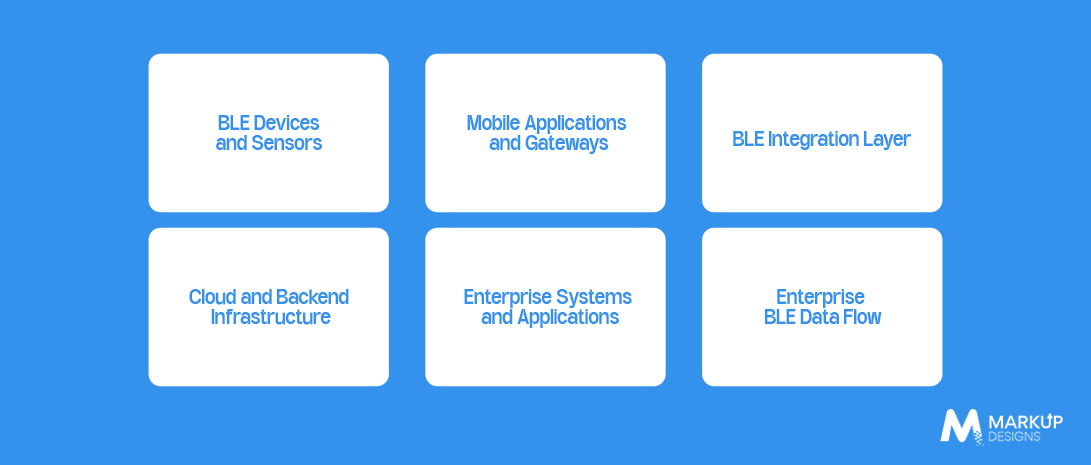
An enterprise BLE setup comprises different interconnected levels starting from sensors to enterprise applications.
BLE Devices and Sensors
BLE-enabled devices and sensors gather data pertaining to location, temperature, motion, device status, and distance.
Mobile Applications and Gateways
Mobile apps and gateways serve as a communicative interface between BLE devices and advanced systems where data from the devices is collected and passed on.
BLE Integration Layer
The integration layer ensures communication between BLE units and enterprise software using APIs and data processing solutions.
Cloud and Backend Infrastructure
Backend as well as cloud systems hold and utilize incoming data while offering a wide range of authentication, device management, and application-supporting services.
Enterprise Systems and Applications
The processed BLE data can be linked with other solutions, including ERP, CRM systems, asset management tools, analytics, and more, to perform its work.
Enterprise BLE Data Flow
The typical flow is BLE device → mobile app or gateway → integration layer → backend or cloud → enterprise application. This structure allows physical device data to become usable business information while maintaining centralised control and monitoring.
How to Implement BLE System Integration
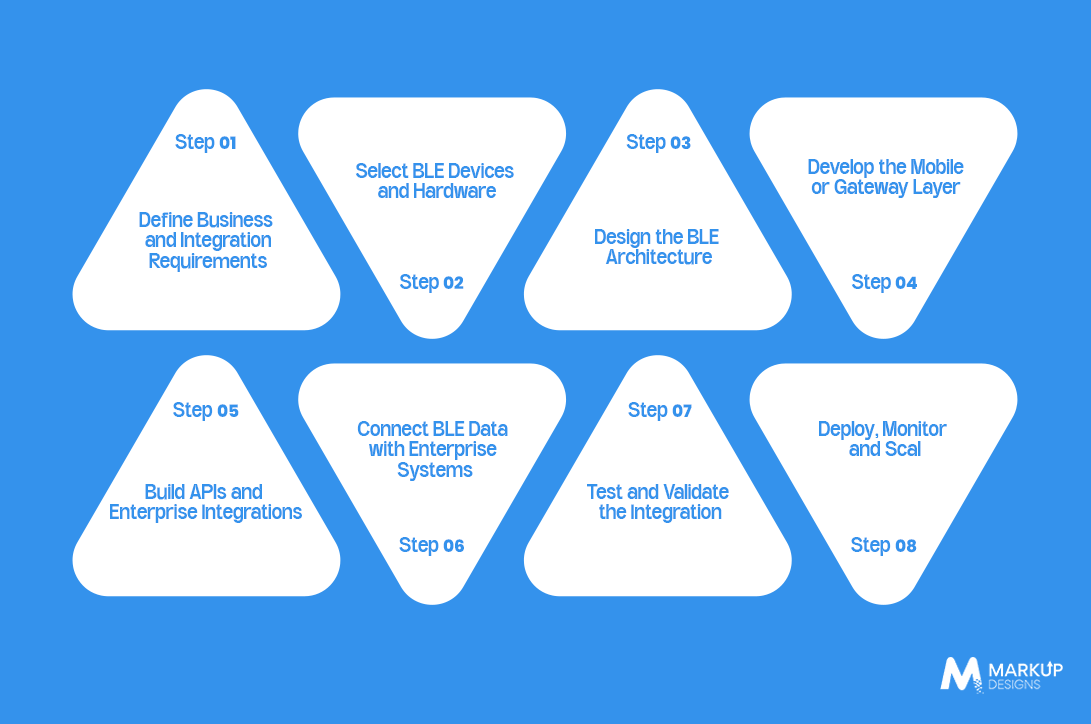
Successful BLE integration starts with a clear understanding of the business problem and ends with continuous monitoring after deployment. A structured approach helps avoid compatibility issues, unnecessary infrastructure costs and integration failures.
Step 1: Define Business and Integration Requirements
Identify what needs to be monitored, which data must be collected, where BLE devices will operate and which enterprise systems need access to the data.
Step 2: Select BLE Devices and Hardware
Choose sensors, beacons, gateways and other BLE hardware based on range, battery life, environmental conditions, data requirements and compatibility.
Step 3: Design the BLE Architecture
Define how devices will communicate with mobile apps, gateways, edge systems, cloud platforms, and enterprise applications. The architecture should also account for security and future scalability.
Step 4: Develop the Mobile or Gateway Layer
Build the mobile application or gateway software responsible for discovering BLE devices, collecting data and securely transferring it to the backend.
Step 5: Build APIs and Enterprise Integrations
Develop APIs and integration services that allow BLE data to move reliably between the connected device ecosystem and existing business applications.
Step 6: Connect BLE Data with Enterprise Systems
Map incoming data to relevant workflows in ERP, CRM, asset management or other enterprise platforms so that BLE information can support actual business operations.
Step 7: Test and Validate the Integration
Test connectivity, data accuracy, device compatibility, security, performance and behaviour under different network and operational conditions.
Step 8: Deploy, Monitor and Scale
Deploy the solution in stages where practical, monitor device performance and data flow, and expand the infrastructure as the number of connected devices and users grows.
Enterprise Applications of BLE System Integration
BLE integration can support a wide range of enterprise operations where proximity, location or sensor data is valuable.
Healthcare and Medical Asset Tracking
Hospitals can use BLE tags to locate medical equipment, monitor asset movement, and improve equipment availability.
Manufacturing and Predictive Maintenance
BLE sensors can capture equipment conditions and operational data, helping manufacturers identify potential maintenance requirements before failures occur.
Retail and Indoor Customer Experiences
Retailers can use BLE beacons for indoor navigation, proximity based experiences and location aware customer engagement.
Logistics and Warehouse Asset Tracking
BLE can help track inventory, containers, tools and other mobile assets across warehouses and distribution facilities.
Smart Buildings and Workplace Management
BLE enabled sensors can provide occupancy and environmental data to support smarter facility management and workplace automation.
Energy and Utility Monitoring
Connected BLE sensors can collect information from equipment and remote assets, supporting monitoring, maintenance and operational visibility.
BLE Integration with Enterprise Systems
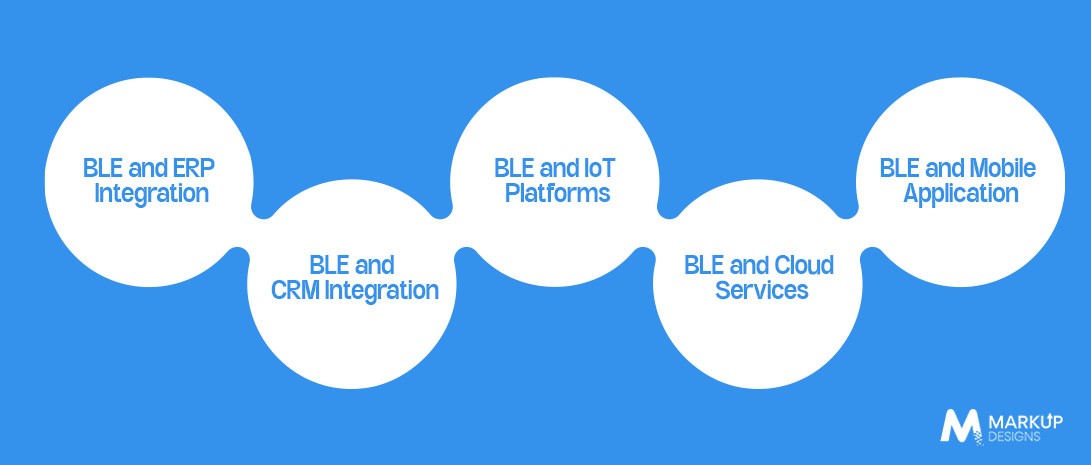
The real business value of BLE often comes from connecting device data with the systems businesses already use.
BLE and ERP Integration
BLE data can be connected with ERP workflows to support inventory management, asset tracking, maintenance and operational planning.
BLE and CRM Integration
BLE enabled customer interactions can feed relevant data into CRM platforms, supporting location-based engagement and customer insights.
BLE and IoT Platforms
Connecting BLE devices with IoT wearable development enables centralised device management, data processing, monitoring and analytics across large deployments.
BLE and Cloud Services
Cloud integration provides scalable infrastructure for storing, processing and analysing BLE data across multiple locations.
BLE and Mobile Applications
Mobile apps can provide users with real-time access to BLE device data while acting as a communication layer between nearby devices and backend systems.
BLE vs Wi Fi vs Zigbee vs NFC vs Thread
Different wireless technologies serve different enterprise requirements. BLE is generally suited to low power, short range communication, while Wi Fi supports higher data throughput and Zigbee and Thread are commonly used for connected device networks.
BLE vs Wi Fi
BLE uses less power and works well for sensors, beacons and nearby devices, while Wi Fi is better when higher bandwidth and continuous connectivity are required.
BLE vs Zigbee
BLE is widely supported by smartphones and works well for device-to-mobile communication. Zigbee is often better suited to larger low-power mesh networks.
BLE vs NFC
BLE supports communication over greater distances and can maintain connections, whereas NFC is designed for very short-range interactions such as contactless identification and payments.
BLE vs Thread
Both support low-power connected devices, but Thread is designed around IP-based mesh networking, making it useful for larger connected device ecosystems.
Choosing the Right Connectivity Technology
The choice should depend on range, power consumption, bandwidth, network structure, device compatibility, scalability and the specific business use case rather than simply choosing the newest technology.
Security and Compliance in BLE System Integration
Enterprise BLE deployments should protect both connected devices and the data they generate. Security needs to be considered across the complete communication chain.
Device Authentication and Identity Management
Verify connected devices and prevent unauthorised hardware from accessing the network.
Data Encryption and Secure Communication
Use appropriate encryption and secure communication protocols to protect BLE data during transmission.
Access Control and Permissions
Restrict access to devices, applications and data based on defined user and system permissions.
Secure Firmware and Device Updates
Keep device firmware updated to address vulnerabilities and improve security over time.
Industry Specific Compliance
Where BLE systems handle sensitive information, businesses should follow the regulatory and security requirements applicable to their industry.
AI-Powered BLE Enterprise Applications
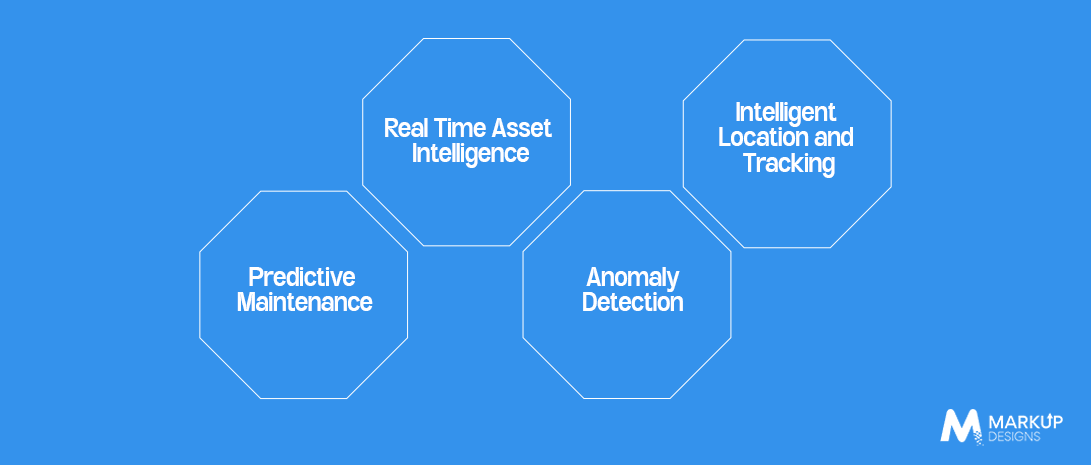
Combining BLE data with AI can turn basic device connectivity into more useful operational intelligence.
Predictive Maintenance
Analyse equipment data to identify patterns that may indicate potential failures or maintenance requirements.
Real-Time Asset Intelligence
Combine BLE location and sensor data with analytics to provide better visibility into assets and operations.
Anomaly Detection
AI models can identify unusual device behaviour or sensor readings that may require attention.
Intelligent Location and Tracking
BLE positioning data can support smarter asset tracking, movement analysis and location-based automation.
Common BLE System Integration Challenges
Device Compatibility and Interoperability
Different devices may use different profiles, capabilities and communication behaviours, making compatibility testing important.
Connectivity Range and Reliability
BLE performance can be affected by physical barriers, interference, device placement and environmental conditions.
Scaling Large BLE Device Fleets
Managing hundreds or thousands of connected devices requires reliable provisioning, monitoring, updates and device management.
Data Management and Enterprise Integration
Large BLE deployments can generate significant data that needs to be processed, stored and connected with existing business systems.
Security Vulnerabilities
Poor configuration, outdated firmware or weak authentication can expose connected devices and data to security risks.
Battery Life and Power Consumption
Battery-powered BLE devices need efficient communication and power management to minimise maintenance requirements.
Cost of BLE System Integration
BLE integration costs vary according to the number of devices, architecture, software requirements and level of enterprise integration involved.
Factors Affecting BLE Integration Costs
BLE Hardware and Devices
Sensors, beacons, gateways and other connected hardware contribute to the initial investment.
Mobile and Gateway Development
Custom mobile applications or gateway software can increase development effort depending on functionality.
Cloud and Backend Infrastructure
Costs depend on data volume, processing requirements, storage and infrastructure complexity.
Enterprise System Integration
Connecting BLE data with ERP, CRM, IoT or other business systems adds integration and testing requirements.
Testing and Maintenance
Ongoing testing, device monitoring, firmware updates and technical support should be included in the long term budget.
Future Trends in BLE System Integration
BLE and IoT Convergence
BLE will continue to play an important role in connected device ecosystems where low-power communication is required.
AI-Driven BLE Solutions
AI can make BLE data more useful by supporting prediction, automation and intelligent decision making.
Edge Computing and Real Time Processing
Processing data closer to connected devices can reduce latency and minimise unnecessary cloud traffic.
Advanced Indoor Positioning
Improvements in positioning technologies can make BLE increasingly useful for accurate indoor tracking and navigation.
BLE Audio and Emerging Capabilities
New BLE capabilities are expanding its applications beyond basic sensors and asset tracking into additional connected device experiences.
How Markup Designs Can Help with BLE System Integration
Markup Designs can help businesses plan and develop BLE enabled solutions that connect devices, mobile applications, cloud infrastructure and enterprise platforms. Our team can support BLE architecture, custom software development, API integration, IoT connectivity, security and scalable backend infrastructure based on specific business requirements.
Connect Your Enterprise with Smarter BLE Solutions
Looking to connect BLE devices with your mobile apps, cloud platforms or enterprise systems? Markup Designs can help you design and implement a secure, scalable BLE integration solution built around your business requirements.

Conclusion
BLE system integration can connect physical devices with enterprise software to create more visible, automated and data-driven operations. However, successful implementation depends on choosing the right architecture, securing connected devices, managing data effectively and planning for scale. A well-designed BLE ecosystem can support applications ranging from asset tracking and equipment monitoring to intelligent IoT and AI-driven enterprise solutions.
FAQs
1. What is BLE systems integration?
BLE systems integration is the process of connecting Bluetooth Low Energy devices and sensors to applications, gateways, cloud systems and enterprise systems in order to achieve data communication and automation.
2. How is BLE technology integrated into enterprise systems?
BLE devices send their data to mobile apps, gateways or edge systems, which use APIs and backend services to forward this data to systems like ERP, CRM and IoT platforms.
3. What are the most common use cases of BLE technology in enterprises?
Some of the most common use cases of BLE are asset tracking, monitoring of healthcare equipment, warehouse management, predictive maintenance, smart buildings and indoor positioning.
4. What is the price of BLE systems integration?
There is no fixed cost for BLE systems integration. It depends on hardware requirements, number of devices, software development, cloud infrastructure, enterprise integrations and testing, and maintenance.
5. Is BLE secure for enterprise applications?
BLE comes with some security mechanisms, but enterprise security depends on how devices, authentication, encryption, access control, firmware and the wider system architecture are implemented.
Author's Perspective
BLE system integration is not simply about connecting Bluetooth devices. The real challenge is creating an architecture that can reliably move device data into systems where it delivers business value. Businesses should therefore focus on interoperability, security, scalability and data management from the beginning rather than treating them as secondary technical concerns. Choosing the right connectivity model and integration approach early can prevent expensive redesigns as the device network grows.
Discuss Your Project NowJupinder Singh Arora
Founder and CEO
Related Posts

Supply Chain Automation Software Development: Modernizing Australian Enterprises
Custom Enterprise App Development powering Dubai’s 2040 Vision

Inventory Management Software Development in UAE: Complete Guide...
Insights Are Valuable & Execution is Priceless
You’ve read about the digital future. Now, let’s build the infrastructure to take you there. Move your strategy from the page to the product.
Design Your Solution Now
Contact Us
Schedule The Appointment At Your Convenience Date And Time.
30 Min
Web Conference
Time Zone
Indian standard time (08:30pm)

Thanks For Getting In Touch!
You’ve Taken The First Step Toward Transforming Your Digital Presence. Our Experts Will Reach Out Shortly To Take It Forward.
Launch Your Dream Project
Provide a brief overview of your project, and our specialists will evaluate your requirements. We will connect with you to explore how the right digital solutions can help you launch faster.