

In Brief
- Explains how AI is transforming the retail industry in the Middle East through faster decision-making, improved efficiency, and enhanced customer experiences.
- Covers retail growth trends across key regional markets including the UAE, Saudi Arabia, Qatar, Bahrain, Kuwait, and Egypt.
- Highlights how changing consumer behavior, omnichannel retail, and digital payments are accelerating retail transformation.
- Explores practical AI applications such as inventory optimization, demand forecasting, personalized promotions, customer support, and delivery planning.
- Discusses the major benefits of AI adoption, including operational efficiency, improved forecasting, fraud prevention, and sustainability.
- Examines common implementation challenges and outlines strategies retailers can use to successfully scale AI initiatives.
Retail in the Middle East doesn’t move at the pace it used to. Shoppers now compare prices from their phones before they’ve even walked into a store, expect their orders delivered the same day, and want to know exactly what’s in stock before they commit to buying. Many of them also browse and order online, then walk in later that same day to pay in person.
For retailers, this shift has raised the stakes considerably. One overlooked update to inventory, and a customer has already moved on to a competitor. One delayed price change during a promotion, and profits quietly slip away within hours, not days.
Businesses in the region have responded fast. According to a recent report, 75% of workers in the Middle East are already using AI in their day to day work, compared to a global average of 69%. That gap says a lot about how aggressively companies here have embraced AI to run smarter and make faster decisions, often with the help of AI consultants brought in specifically to guide these rollouts.
So how exactly are businesses putting this to use? In this article, we’ll break down how AI is helping retailers across the Middle East get a tighter grip on inventory, sharpen their pricing strategy, and deliver a better experience to every customer who walks through their doors, whether online or in person.
Understanding the Rapid Evolution of the Retail Industry in the Middle East

The development of retail in the Middle East can be seen in common scenarios. Delivery scooters queue outside of apartment complexes in Dubai. Changes in shopping behavior is happening very quickly, and retailers are just as quick to adapt.
United Arab Emirates: United Arab Emirates is ahead of other countries in the region when it comes to online shopping. Customers demand rapid delivery and stock information.
According to Research and Markets, the UAE e-commerce market is expected to hit US$27.7 billion by 2026.
In response, there is an increased integration between their online portal and physical stores. The use of AI in retailing ensures that prices are adjusted accordingly, but implementation is key.
Saudi Arabia: The retail industry in Saudi Arabia keeps growing in big cities. Both Riyadh and Jeddah have high traffic and good e-commerce activity. Seasonal sales during Ramadan demand careful inventory management.
Retailers need more accurate forecasts and better warehouse management. That is why many big retail companies in Saudi Arabia collaborate with a professional AI development company in Saudi Arabia. They will help retailers to predict sales, forecast seasonal demand, and manage inventory.
AI in the planning process of the retail industry becomes apparent through better seasonal preparedness and fewer stock shortages. Retail companies implementing AI solutions become more ready for seasonal demand and have fewer stock shortages.
Qatar: The shoppers in Qatar expect high levels of service and rapid response times. Mobile-first purchases are becoming more common. Retailers optimize their loyalty programs and personalize their promotions.
The application of AI in the Middle East’s retail tends to be customer targeting within this country.
Bahrain: Bahrain demonstrates good use of digital payments. Every year, online transactions grow. Merchants improve transaction verifications and watch transaction trends.
The effect of the AI on retail in the Middle East in Bahrain can be seen through the adoption of secure checkout systems and decrease in fraud cases.
Kuwait: The country integrates its extensive mall culture with increasing online shopping trends. Several consumers opt for in-store collection after they have placed their online orders. Merchants are enhancing inventory management to prevent any disappointment upon collecting the items.
Egypt: The Egyptian retail industry continues to grow due to young, well-connected consumers. Many retail giants continue to develop their presence in Cairo and Alexandria. Being sensitive to prices, proper stock management is essential.
In such a context, the use of Artificial Intelligence in retail becomes an organized process for all retailers in order to have more control over stock management, pricing, and logistics. The advantages of AI usage in the retail industry of the Middle East are seen through increased speed, availability, and constant margins.
Market Trends Accelerating Retail Transformation Across the Middle East

The retail business landscape in the Middle East is witnessing a great transformation due to changes in consumer needs, adoption of technology, and intelligent solutions in the retail sector. Retail companies are no longer sticking to the traditional model and are innovating to enhance engagement and operational excellence. There are emerging market trends facilitating this transformation in the retail sector.
Growing Consumer Desire for Customization
Modern shoppers expect tailored recommendations, targeted promotions, and seamless interactions across every touchpoint, encouraging retailers to adopt data-driven technologies.
Emerging Trends in Omnichannel Retailing Strategies
Retail firms have started adopting an omnichannel approach involving physical stores, e-commerce websites, mobile apps, and social commerce.
Use of Artificial Intelligence and Automation
With the help of artificial intelligence, retailers have been able to better plan their stock, automate their services, and forecast their demands.
Expansion of Digital Payment Systems
Contactless and digital payment systems are gaining ground in enhancing efficiency through retail activities.
The Growing Role of AI in Modern Retail Operations

AI is not a complementary technology in retail anymore; it is an integral part driving efficiency and innovation. Throughout the Middle East, companies in the retail sector are making extensive use of AI to optimize their operations and decision-making. From the back office operations to customer-facing processes, AI is transforming the way retail businesses work today.
Improved Demand Forecasting & Planning
The artificial intelligence system uses past sales performance, seasonal tendencies, and current market dynamics to make accurate forecasts that help retailers avoid excess inventory or shortages.
Automated Inventory Control System
An intelligent system tracks inventory levels all the time and initiates automatic replenishment processes.
Personalized Experiences for Customers
Artificial intelligence helps retailers get to know their customers better to provide personal recommendations and discounts.
Customer Support Systems
Chatbots & virtual assistants handle all customer inquiries around the clock without the need for human support.
Practical Applications of AI in Retail Across the Middle East

For retailing in the Middle East, timing and control are important. A shipment that arrives late prior to Ramadan will leave shelves empty in just a couple of hours. A pricing strategy that is late on White Friday will decrease sales on a day-to-day basis. These responses are geared towards better planning and data management.
A lot of these benefits are currently embedded within the AI of retail applications.
1. Personalized Offers and Targeted Promotions
Retailers track purchase history, browsing behavior, and visit frequency. They classify shoppers based on their spending capacity and interests. A premium customer in Dubai enjoys tailored launch events. A value-oriented customer in Cairo enjoys bundled deals.
This system allows AI-based customer experiences in retail and increases repeat purchases. A large number of brands spend on AI to personalize the shopping experience for their customers in the GCC countries.
2. Visual Search and Faster Product Discovery
The users upload an image of a product and get similar products within seconds. This is how fashion and home goods companies use this functionality to shorten the sales cycle.
All these applications of AI technologies in the retail industry in the GCC region allow reducing the time spent searching for a product and increasing conversion rates from mobile devices.
3. Automated Customer Support
Retailers use AI-powered chatbots on their websites or in messaging applications. This technology can perform tasks like order tracking, delivery, and refund requests for orders in both Arabic and English. Retailers minimize call center usage and measure response time using an AI retail analytics dashboard.
4. Demand Forecasting and Inventory Planning
Retailers consider past sales performance, seasonal needs, and local buying habits. There is a need for more precise forecasts in cases like Ramadan and the reopening of schools.
In this case, the application of artificial intelligence in the retail sector ensures better inventory management and no shortages. Artificial intelligence in the Middle Eastern retail industry is increasingly becoming important as retailers emphasize the precision of demand forecasting.
5. Delivery Route Planning
Retailer plan their delivery routes within Riyadh, Dubai, Doha, and Kuwait City. The system clusters and computes better routes.
In the logistics activities of GCC retail, AI technology has helped reduce fuel expenses and improve delivery time slots.
Key Benefits of AI Adoption for Retail Businesses in the Middle East
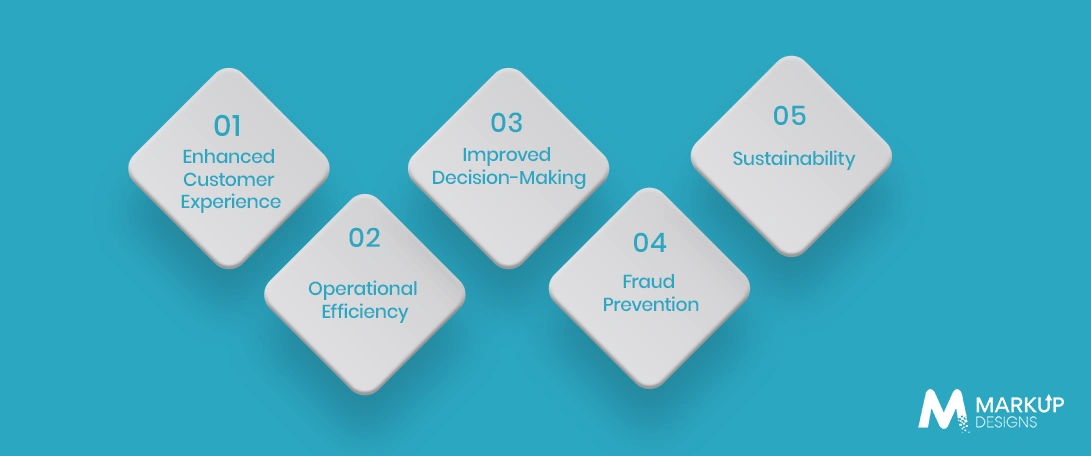
AI automation in retail is moving fast and has shifted from experiment to necessity. Here are the key benefits of AI in Middle East Retail businesses:
1. Enhanced Customer Experience
Personalization is now mandatory in UAE retail; it is no longer optional. AI-driven customer experience in retail becomes feasible through analysis of preferences and shopping habits. Businesses that get it right will benefit from increased engagement and customer loyalty.
2. Operational Efficiency
Running UAE retail businesses involves navigating intricate supply chains, multiple locations, and ever-changing demands. The process of AI automation in the retail sector automates repetitive tasks like managing stocks, coordinating logistics, and forecasting demand.
After adopting AI in forecasting, the retailers can avoid stockouts and minimize excess stocks, which is a definite improvement in their operations.
3. Improved Decision-Making
Retail is all about making many decisions related to pricing, distribution of stock, and marketing. All of these used to be based on experience and spreadsheets.
AI in retail works with huge amounts of data, including transactions, prices from competitors, customer activities, and current market situation. It makes predictions on future changes.
It does not substitute human thinking but gives much more accurate information to make decisions. Regardless of whether it is pricing during Ramadan or stock distribution for the Dubai Shopping Festival, AI will help do it right.
4. Fraud Prevention
Digital transactions are prone to fraud. Advanced methods of conducting fraud are always developing, but the traditional systems cannot cope with that.
The AI agents used in fraud detection analyze transactions live and identify any suspicious patterns, such as unusual purchasing speed, incorrect address, or device-related patterns. The AI system continuously improves its algorithms for distinguishing between genuine and fraudulent users.
It helps prevent possible losses before they occur. This is crucial for businesses dealing with thousands of transactions everyday.
5. Sustainability
Sustainability has evolved from being a marketing objective to being an operational objective. UAE consumers are becoming more and more conscious in their purchasing decisions.
Artificial Intelligence helps predict demand accurately and avoid wastage. When your business can predict demands accurately, it can produce and deliver as per customer expectations. Artificial Intelligence solutions in MENA retail can also predict the carbon footprint in the supply chain and find ways to reduce energy use.
Ready to Transform Your Retail Business with AI?
AI is helping retailers across the Middle East improve forecasting, streamline operations, personalize customer experiences, and drive sustainable growth. The right implementation strategy can help your business unlock measurable results.

Common Challenges in Retail Technology Adoption and How to Overcome Them
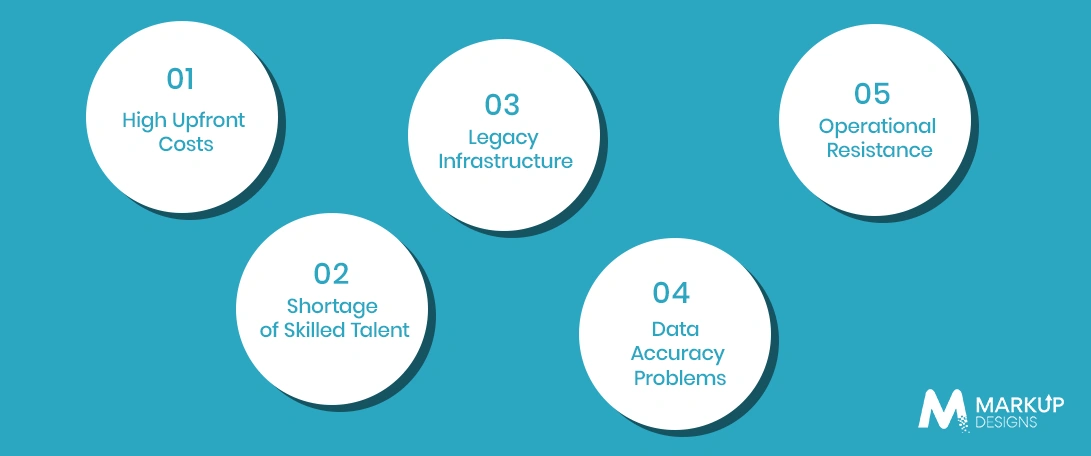
All retailers in the Middle East are making huge efforts to upgrade their processes. Speedy order fulfillment, enhanced stock information, and improved margin management are among the goals they pursue. However, implementation is never easy. The majority of the problems tend to be operational, rather than technical.
The following section highlights those problems and how they can be managed.
1.High Upfront Costs
The upgrade to the software in warehouses, pricing programs, and analytical tools needs capital. It’s easier for large organizations in UAE and Saudi Arabia to act fast. But mid-sized retailers from Bahrain or Egypt should think twice.
How to Address It
Use a gradual implementation strategy rather than implementing major change all at once. Implement change in one region or one product group first, measure its effectiveness, and learn from the experience. Ensure that each investment is aligned with specific financial or business objectives.
2. Shortage of Skilled Talent
Modern retail systems need specialized professionals like data analysts, artificial intelligence experts, and technical managers to handle large amounts of data related to customers, processes, and inventory management. With technological advancements being made in the retail world, there is an increasing demand for such professional teams.
How to Address It
Skill shortages can be met through training of current employees on skills related to data literacy and digital skills. The formation of cross-functional teams that have operations and IT will help in execution. This can be done by working together with regional technology companies.
3. Legacy Infrastructure
Many retailers use legacy POS and ERP systems. It is difficult and time-consuming to link new systems to such legacy systems. Bad ERP software integration can hamper business activities.
How to Address It
First and foremost, there should be a thorough audit done on the system to determine which pieces need to be replaced due to their out-of-date nature. These modules should not be entirely replaced; rather, the process should be done gradually to prevent complications. This will ensure that any problems can be identified beforehand.
4. Data Accuracy Problems
Forecasting and pricing both need clean and high-quality data for insights. Errors in product coding and lack of sales data may lead to poor accuracy of decisions. Inaccurate data also prevents the efficient operation of artificial intelligence for retailers and forecasting.
How to Address It
Enhance data quality through product database standardization and construction of similar data structures throughout the systems. Regular cleansing of historical transaction data is vital in ensuring that there are no errors or missing data. There should be a proper owner assigned who will ensure that the data quality is maintained.
5. Operational Resistance
New processes are generally not embraced by store teams due to concerns about role changes and additional burdens.
How to Address It
Counter resistance by providing explanations about how new systems make life easier and more efficient. Offer training sessions in an organized manner that would make employees feel confident and comfortable with the new processes.
Know the Future of the Retail Industry in the Middle East
There is no longer an emphasis on planning for the short-term spike in sales. Consumers want quick service, clear pricing, and accurate inventory at all times. Hence, It is time to move forward with smart execution and smart analytics.
Retail AI trend highlights point toward a definite path. Retailers need to reduce stock shortages, improve margin control, and respond quickly to changes in demand. The advantages of using AI in the Middle East retail sector include shorter delivery times and increased product availability.
AI applications in retail strategy are bound to increase further, but success will come from the controlled use of technology. Retailers should consider the introduction of AI technology in retail applications as an investment based on their revenues and costs.
Unlock the Next Phase of Retail Growth with AI
Retail success today depends on faster decisions, smarter operations, and highly personalized customer experiences. With the right AI strategy, businesses across the Middle East can improve efficiency.
Conclusion
Middle Eastern retail is now entering a new era in which speed, precision, and customers’ demands will keep influencing their business choices. Artificial Intelligence plays an important role in making it possible for retailers to go past their old methods through better forecasting, managing their inventory, pricing, and engaging with their customers.
Due to the stiff competition within the region, those companies that adopt AI for their retail needs will be in a good position to cope with changes in demand, cost cutting, and offer a personalized shopping experience to their customers.
FAQs
1. How is AI transforming the retail industry in the Middle East?
AI is helping retailers improve demand forecasting, automate inventory management, personalize customer experiences, optimize pricing, and streamline operations across online and offline channels.
2. What are the biggest benefits of AI in retail?
The major benefits include improved operational efficiency, faster decision-making, better customer engagement, reduced inventory losses, and stronger profitability.
3. Which retail functions gain the most value from AI implementation?
Inventory planning, customer support, pricing optimization, demand forecasting, logistics, fraud detection, and personalized marketing are among the most impactful retail functions.
4. What challenges do retailers face when adopting AI?
Common challenges include high implementation costs, legacy infrastructure limitations, data quality issues, shortage of skilled talent, and resistance to operational change.
5. Is AI suitable for mid-sized retail businesses in the Middle East?
Yes. Mid-sized retailers can adopt AI gradually by prioritizing high-impact use cases and implementing solutions in phases to manage costs and minimize risk.
Author's Perspective
The revolution in retail in the Middle East is no longer about growing, but about how efficiently companies utilize data and intelligence through use of technology. Retailers who think AI as a capability and not an investment in technology will find themselves more successful. The retailers who will achieve success with their AI efforts will not be those with the biggest tech budget, they will be the companies whose AI strategy is tailored to customer needs and performance metrics.
Discuss Your Project NowJupinder Singh Arora
Founder and CEO
Related Posts

Enterprise AI Agents: Practical Use Cases Driving Business...
LLM-as-a-Judge Explained: Improving Enterprise AI Governance and Evaluation

IoT in Banking: Transforming Financial Services Through Connected...
Insights Are Valuable & Execution is Priceless
You’ve read about the digital future. Now, let’s build the infrastructure to take you there. Move your strategy from the page to the product.
Design Your Solution Now
Contact Us
Schedule The Appointment At Your Convenience Date And Time.
30 Min
Web Conference
Time Zone
Indian standard time (08:30pm)

Thanks For Getting In Touch!
You’ve Taken The First Step Toward Transforming Your Digital Presence. Our Experts Will Reach Out Shortly To Take It Forward.
Launch Your Dream Project
Provide a brief overview of your project, and our specialists will evaluate your requirements. We will connect with you to explore how the right digital solutions can help you launch faster.