
Fitness & Wellness App Development: Key Features, Business Models & Growth Insights
The fitness and wellness industry is not left behind in the digital transformation. This has shown considerable growth in awareness of health, lifestyle diseases, and mental well-being. Users are more likely towards mobile applications to manage their fitness routines, nutrition, and overall wellness. For businesses, this shift has been a great opportunity to build scalable solutions that engage users while generating consistent revenue.
So, when it comes to the application of Fitness and wellness, it is no longer just about tracking steps or counting calories; it’s about delivering personalized, data-driven, and engaging experiences. As a result, it drives long-term user retention while building scalable solutions for the end users.
In this blog, we’ll explore the key features, business models, development costs, and emerging trends shaping this space, along with how the right development partner can accelerate your success.
What Are The Major Types Of Wellness Apps To Know?
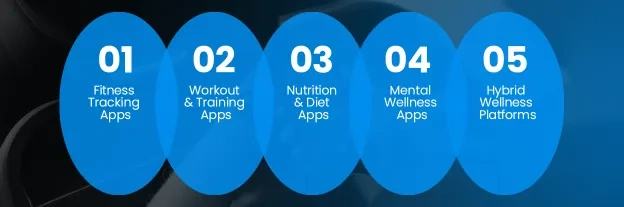
Before diving into development, it’s important to learn about the different categories of fitness and wellness apps. Each type caters to a specific audience and serves unique business goals.
- Fitness Tracking Apps: These apps focus on monitoring physical activities such as steps, calories burned, heart rate, and workout routines. They often integrate with wearable devices for real-time tracking.
- Workout & Training Apps: These provide guided workouts, video tutorials, and training plans. Some also include live classes or AI-based coaching for personalized routines.
- Nutrition & Diet Apps: Focused on meal planning, calorie tracking, and nutritional guidance, these apps help users maintain a balanced diet aligned with their fitness goals.
- Mental Wellness Apps: These apps offer meditation, stress management, sleep tracking, and mindfulness exercises, addressing the growing demand for mental health solutions.
- Hybrid Wellness Platforms: Modern apps often combine fitness, nutrition, and mental health features into a single ecosystem, offering a holistic wellness experience.
Must-Have Features
A successful fitness and wellness app must balance functionality with user engagement. Below are the core features that drive adoption and retention.
Workout Tracking
Workout tracking is the backbone of any fitness app. It allows users to monitor their progress and stay motivated.
Key capabilities include:
- Activity logging (running, cycling, strength training)
- Real-time performance tracking
- Integration with wearables
- Progress analytics and reports
Advanced apps also use AI to suggest workouts based on user behavior, fitness level, and goals.
Diet Plans
Nutrition plays a critical role in fitness outcomes. Diet planning features help users maintain consistency and achieve their goals faster.
Essential functionalities:
- Personalized meal plans
- Calorie and macronutrient tracking
- Recipe suggestions
- Grocery list generation
Some apps also integrate with nutritionists or offer AI-generated meal recommendations based on dietary preferences.
Additional Essential Features
To stand out in a competitive market, consider including:
- User Profiles & Goal Setting: Personalized dashboards based on fitness goals such as weight loss, muscle gain, or general wellness.
- Wearable Device Integration: Sync with smartwatches and fitness bands for real-time data tracking.
- Gamification: Badges, rewards, and challenges to boost user engagement.
- Social Features: Community forums, leaderboards, and sharing options to build a fitness community.
- Push Notifications: Reminders for workouts, hydration, and meal tracking.
- Video Streaming: Live or on-demand workout sessions for better user engagement.
Monetization
Choosing the right monetization model is critical for long-term profitability. Fitness and wellness apps offer multiple revenue streams depending on the target audience and business goals.
- Subscription Model: The most popular approach. Users pay monthly or yearly for premium features such as advanced analytics, personalized plans, or exclusive content.
- Freemium Model: Basic features are free, while advanced functionalities require payment. This helps attract a larger user base.
- In-App Purchases: Users can buy workout plans, diet programs, or one-on-one coaching sessions.
- Ads & Sponsorships: Revenue generated through in-app advertisements or brand partnerships.
- Corporate Wellness Programs: Businesses can offer your app as part of employee wellness initiatives, creating a B2B revenue stream.
- E-commerce Integration: Selling fitness equipment, supplements, or merchandise directly within the app.
Cost Breakdown
The cost of developing a fitness and wellness app varies depending on features, complexity, and technology stack. Below is an estimated breakdown:
| Development Component | Estimated Cost (USD) |
| UI/UX Design | $5,000 – $15,000 |
| Frontend Development | $10,000 – $30,000 |
| Backend Development | $15,000 – $40,000 |
| API Integrations | $5,000 – $15,000 |
| Wearable Integration | $5,000 – $20,000 |
| Testing & QA | $5,000 – $10,000 |
| Deployment & Maintenance | $5,000 – $15,000/year |
Total Estimated Cost:
- Basic App: $30,000 – $50,000
- Mid-Level App: $50,000 – $100,000
- Advanced App (AI-driven): $100,000 – $200,000+
The major factors influencing the cost:
- App complexity
- Number of features
- Platform (iOS, Android, or both)
- Third-party integrations
- Development team location
Key Trends of Wellness Applications to Notice
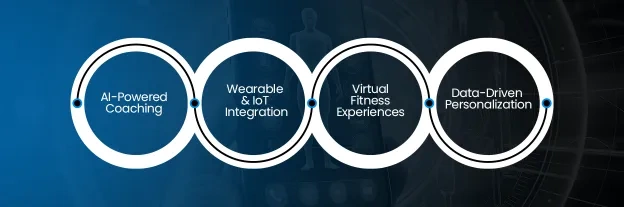
The fitness app industry is rapidly evolving, and AI is playing a transformative role.
AI-Powered Coaching
AI coaches are transforming fitness apps by delivering highly personalized experiences at scale. These intelligent systems analyze user behavior, fitness levels, and goals to provide tailored recommendations in real time.
By continuously learning from user data, AI can adjust workout intensity and suggest improvements, ensuring better outcomes and higher engagement. For businesses, this means improved retention, deeper user insights, and a more differentiated product offering.
Wearable & IoT Integration
Integration with wearable devices and IoT ecosystems allows fitness apps to capture real-time health data such as heart rate, sleep patterns, and activity levels.
This continuous data flow enhances accuracy and provides users with actionable insights into their health. For businesses, it enables richer analytics, better personalization, and the ability to offer premium features that increase user trust and engagement.
Virtual Fitness Experiences
Virtual fitness experiences, including live classes and immersive workout sessions, are redefining how users interact with fitness apps. These features create a more engaging and interactive environment, reducing drop-off rates and improving consistency.
From a business perspective, they open up new monetization opportunities such as live subscriptions, premium content, and partnerships with trainers or fitness brands.
Data-Driven Personalization
Data-driven personalization uses machine learning algorithms to deliver highly customized user journeys. By analyzing user preferences, habits, and performance metrics, apps can provide relevant content, workout suggestions, and health insights.
This level of personalization not only enhances user satisfaction but also drives long-term retention, making it a critical factor for business success in the competitive fitness app market.
How Markup Designs Can Be a Helpful Partner?
Choosing the right development partner can significantly impact your app’s success. Markup Designs can help businesses navigate the complexities of fitness app development. We provide you with the following perks for developing applications tailored to the health and wellness industry:
- Strategic Consulting: Aligning your business goals with the right digital roadmap
- Custom Development: Tailored solutions built for your audience
- Scalable Architecture: Future-ready platforms designed for growth
- UI/UX Excellence: Intuitive designs that enhance engagement
- Integration Expertise: Seamless third-party and wearable integrations
- Ongoing Support: Continuous updates, maintenance, and optimization
FAQs
1. How long does it take to develop a fitness and wellness app?
The development timeline typically ranges from 3 to 9 months, depending on the complexity, features, and integrations involved. It may vary as per the project requirements.
2. What is the best monetization model for fitness apps?
A subscription-based model combined with freemium features and in-app purchases works best for most fitness and wellness applications.
3. Do fitness apps require wearable integration?
While not mandatory, wearable integration significantly enhances user experience by providing real-time health and activity data.
4. How can AI improve a fitness app?
AI enables personalized workout plans, smart recommendations, and real-time feedback, improving user engagement and retention.
5. Is it necessary to build both Android and iOS apps?
Businesses should ideally develop for both platforms or use cross-platform frameworks to optimize cost and time.
6. What are the key challenges in fitness app development?
Common challenges include data security, user retention, real-time tracking accuracy, and seamless integrations.
7. How can businesses ensure user retention in fitness apps?
By focusing on personalization, gamification, community features, and regular content updates.
8. Can fitness apps be integrated with corporate wellness programs?
Yes, many businesses leverage fitness apps as part of employee wellness initiatives, creating an additional B2B revenue stream.
Conclusion
Fitness and wellness app development offers immense opportunities for businesses looking to tap into a rapidly growing market. By focusing on the right features, adopting effective monetization models, and leveraging emerging technologies such as AI, companies can build scalable and impactful solutions. With the right strategy, execution, and development partner, your fitness app can evolve into a powerful platform that drives both user engagement and long-term business growth.
Author's Perspective
From a business standpoint, fitness and wellness app development is not just about building an app; it’s about building a long-term digital product that users rely on daily.
What truly differentiates successful apps is not just features, but how effectively they solve user problems and deliver measurable results. Personalization, engagement, and consistency are the three pillars that drive user retention in this space.
For B2B stakeholders, the smartest approach is to start lean, validate quickly, and scale strategically. Investing in the right technology partner and focusing on user experience will ultimately determine your product’s success in this competitive market.
Discuss Your Project NowDeepak Tripathi
Product Manager
Related Posts

Fitness Apps are Taking Over-Here’s How to Build...
Insights Are Valuable & Execution is Priceless
You’ve read about the digital future. Now, let’s build the infrastructure to take you there. Move your strategy from the page to the product.
Design Your Solution Now
Contact Us
Schedule The Appointment At Your Convenience Date And Time.
30 Min
Web Conference
Time Zone
Indian standard time (08:30pm)

Thanks For Getting In Touch!
You’ve Taken The First Step Toward Transforming Your Digital Presence. Our Experts Will Reach Out Shortly To Take It Forward.
Launch Your Dream Project
Provide a brief overview of your project, and our specialists will evaluate your requirements. We will connect with you to explore how the right digital solutions can help you launch faster.