

In Brief
- Cryptocurrency is changing how real estate transactions happen in UAE, providing fast payment options.
- Blockchain is helping with transparency, security, and trust in the entire process of buying/selling property.
- Real estate companies and developers are looking into cryptocurrency payments to attract more global investors.
- UAE’s innovative regulations towards digital assets have enabled crypto-based solutions for real estate transactions.
- Companies that adopt cryptocurrency integration could have an advantage over competitors in the future.
UAE has developed a global reputation for accepting innovation and new technologies by continuing to lead the way in digital transformation through smart cities, blockchain, digital governments, and virtual asset regulations. The result is a drastic change in the real estate industry.
Real estate transactions have traditionally involved long processes with many people involved in the transaction, multiple banks worldwide, and complicated payment processes. These methods have provided reliable service to the industry for many years, but they also result in long delays, added costs to the transaction, and difficulties for international investors. The cryptocurrency market provides a viable way to improve the efficiency of many aspects of buying/selling property.
With the growing popularity of digital assets like cryptocurrencies, the Real Estate market is becoming involved in cryptocurrency as an option to make purchases. Buyers, sellers, developers, and real estate platforms are looking for ways to use cryptocurrency to create a more seamless method of payment in real estate transactions, providing transparency in the buying and selling process, and developing different real estate investment opportunities for the customer. The integration of cryptocurrencies is about more than simply allowing buyers to use Bitcoin or any other cryptocurrency to purchase real estate; rather, this is the beginning of a much larger trend that will be driven by blockchain technology, smart contracts, and DeFi.
Several key factors position UAE as one of the most desirable and developmentally ready markets for using cryptocurrencies as a method of payment in Real Estate Transactions. UAE continues to attract a large number of non-UAE-based investors from all around the world, thus creating a never-ending demand for efficient cross-border payments. Investors who are not from UAE face several roadblocks due to currency exchange rates, banking regulations, transfer limits, and settlement processes. Cryptocurrencies can help elevate these obstacles and create more seamless experience for the buyer and seller.
The growth of the overall digital asset ecosystem in UAE also supports the use of cryptocurrencies for real estate in UAE. There is an increasing number of businesses, institutional investors, and government entities collaborating and exploring blockchain and crypto-based solutions and technologies in virtually all sectors. The increased availability of digital innovations is creating a favorable environment for the use of cryptocurrency in real estate.
Many individuals are searching for ways to leverage their cryptocurrency assets as forms of investment into tangible assets, such as real estate. Real estate developers who accept cryptocurrencies as a means of making payments stand to benefit from this growing group of investors by providing new streams of income.
What Does Crypto Integration Mean for Real Estate Transactions?
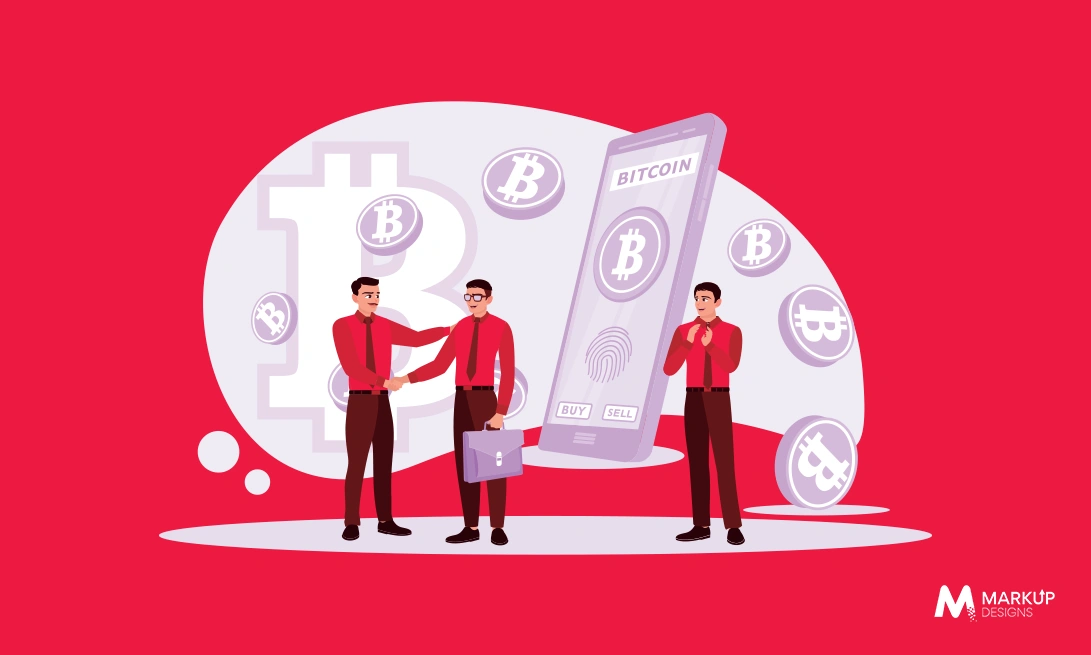
When most people hear ‘crypto’ in association with real estate, their first assumption is that cryptocurrency payment systems function simply as an alternative payment method for purchasing properties with bitcoin. In actuality, the process of integrating cryptocurrencies into real estate is much broader than solely accepting payment through a virtual currency.
Currently available, sophisticated crypto- enabled platforms for real estate will allow for a complete digital identity verification, creating chain-of-title documents through blockchain technology, executing closing documents with smart contracts, owning property using tokenization technology, automating the verification processes for properties through robotic process automation (RPA), and capturing an electronic record of all property transactions.
By implementing crypto integration within their transaction processes, buyers will experience diminished delays when making a payment in cryptocurrency (monetary friction will be kept at a minimum), while sellers and developers will benefit from simplified closing processes and an expanded market reach. Finally, by integrating digital assets with blockchain infrastructure, the operators of real estate platforms will be able to develop new, creative business models.
The true value does not lie solely with the tokens associated with cryptocurrencies; the value lies in the underlying blockchain technology that supports automatic, transparent, and trustless transactions.
The Role of Regulation, Free Zones, and Institutional Support in Enabling UAE’s Blockchain Ecosystem
The Emirati government has proactively committed to blockchain advancement and digital asset innovation. As such, numerous regulations have helped to establish the Emirates as a global center for crypto-related business and investment.
In addition to the regulatory environment, Blockchain-focused free zones and innovation hubs have been established to create supportive environments where start-ups, fintechs, and digital assets can operate. These ecosystems allow experimentation while providing clear regulatory pathways for developing technologies.
Digital transformation initiatives led by governments have also played a role in the broader adoption of Blockchain Technologies.
Another strong factor driving the ecosystem is institutional interest. Financial institutions, tech suppliers, investors, and builders are increasingly reviewing their potential uses for blockchain, enabling improvements in operational efficiency, security, and customer experience as it relates to land/property.
Real-World Adoption of Crypto Real Estate in UAE
The adoption of cryptocurrency within UAE’s real estate sector is no longer limited to discussions and pilot initiatives. Several leading developers and property technology platforms have already begun exploring or supporting crypto-enabled transactions, reflecting growing confidence in digital asset ecosystems.
Dubai’s position as a global hub for innovation has encouraged developers, investors, and technology providers to experiment with blockchain-powered real estate models. From direct cryptocurrency payments for property purchases to tokenized real estate investment opportunities, the market is gradually embracing new transaction methods that improve accessibility and efficiency.
The emergence of blockchain-based property ownership platforms has also opened the door to fractional ownership models, allowing investors to participate in real estate opportunities with lower capital requirements. These developments demonstrate how digital assets are beginning to influence both property transactions and investment structures across the UAE.
As regulatory frameworks continue to mature and institutional participation increases, industry adoption is expected to accelerate, creating new opportunities for developers, investors, and real estate operators.
Key Regulatory Authorities Supporting Crypto Innovation in UAE
One of the primary reasons the UAE has become a leading destination for blockchain innovation is the presence of progressive regulatory frameworks and specialised regulatory bodies focused on digital assets.
The Virtual Assets Regulatory Authority (VARA) has established comprehensive guidelines for virtual asset activities, helping create greater transparency and confidence within the digital asset ecosystem. In addition, financial free zones such as Abu Dhabi Global Market (ADGM), Dubai International Financial Centre (DIFC), and Dubai Multi Commodities Centre (DMCC) continue to support blockchain companies, fintech innovators, and crypto-focused businesses through dedicated regulatory frameworks and business-friendly environments.
These institutions play a critical role in fostering responsible innovation while ensuring compliance, investor protection, and long-term market stability. Their continued support has positioned the UAE among the most attractive jurisdictions globally for blockchain and cryptocurrency-related initiatives.
Is it Compliant? What Do You Need to Get Started?
The growth of the market presents opportunities; however, compliance remains a major consideration for organisations looking to engage in the crypto real estate market.
Organisations must establish sufficient KYC (Know Your Customer) procedures to validate users prior to giving them access to their services; likewise, organisations must have an adequate AML (Anti Money Laundering) control strategy in order to satisfy the financial regulatory requirements and limit risk exposure.
Companies should implement visible transaction monitoring systems along with appropriate documentation of all relevant documents and work closely with attorneys and compliance professionals during all phases of development and deployment of a cryptocurrency-enabled real estate transaction.
As regulatory environments change regularly, businesses will also need to establish an adaptable compliance framework that includes future changes in regulations. An active approach to compliance not only helps minimize risk; it builds confidence in the marketplace among investors, customers, and other stakeholders.
What You’ll Require To Create or Connect The Entire Tech Stack
The development of a successful technology ecosystem that facilitates crypto-based real estate transactions requires a significant amount of thought.
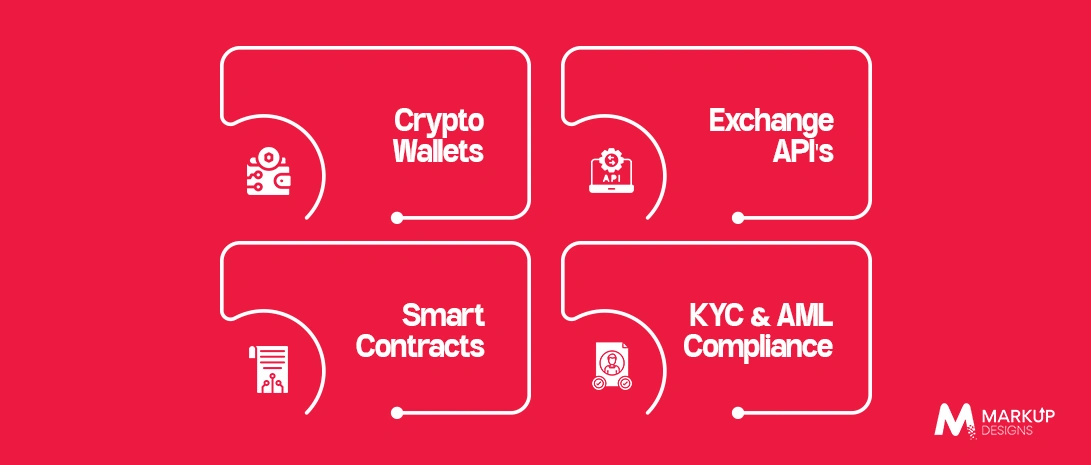
Crypto Wallets
Wallets are the main interface for the storage, sending, and receiving of digital assets. When developing or integrating a real estate platform, a safe and secure wallet integration must be provided so that buyers and sellers can perform their transactions in a safe manner. Additionally, the functionality of the wallets should be designed with a focus on usability, security, and multiple cryptocurrency compatibility.
Smart Contracts
Smart contracts are digital contracts that are self-executing and stored on blockchain networks. When certain conditions are satisfied, smart contracts automatically execute any specified actions. Smart contracts can automate how a buyer and seller make their payment, disperse their escrow funds, change ownership of a property, and satisfy all obligations defined in any other type of contract.
Exchange API’s
Integrating cryptocurrency exchanges will provide the ability for users to convert their crypto-based assets into fiat currencies. API’s will also allow for real-time price quotes, management of liquidity, processing of transactions, and settling all payment transactions.
The underlying infrastructure of the ecosystem is the blockchain network. Organizations should choose the most appropriate infrastructure to support the overall success and growth of a company using public, hybrid, or privately owned blockchains. An organization must select infrastructure that has the scalability, security, and transparency needed for all aspects of the organization’s operation.
KYC & AML Compliance
Through compliance modules, organizations can verify customers’ identities, assess risk, monitor transactions, and regulate them. These components are pivotal to providing customers with a robust, secure, and compliant real estate solution.
Role of Cryptocurrency within the Real Estate Ecosystem
Cryptocurrency has a positive impact on all platforms within the real estate ecosystem and creates value for every user of real estate.
Buying a property in UAE: An expedited service for International Buyers
International buyers encounter numerous obstacles when trying to buy a property outside of their country; These obstacles include currency exchange fees, banking restrictions, transfer delays, and administrative issues, thereby significantly increasing the likelihood that international buyers will not purchase a property in UAE anytime soon.
Cryptocurrency is a way for international investors to move their money around the world with fewer intermediaries while gaining access to new investment opportunities in UAE’s real estate market.
Cross-border investment remains one of the strongest drivers behind cryptocurrency adoption within UAE real estate. Traditional international transactions often involve multiple banking institutions, foreign exchange conversions, transfer restrictions, and lengthy settlement periods. Blockchain-based payment systems can help reduce these inefficiencies by enabling faster transfers, greater transparency, and improved accessibility for international investors seeking opportunities within the UAE property market.
Selling a property in UAE: Increased access to a global pool of buyers
By accepting cryptocurrency, sellers increase their pool of prospective buyers to which they may sell their properties. Sellers are able to attract investors who otherwise would not be able to purchase their properties. For these sellers, the ability to use cryptocurrency may create more buying power for their properties.
The ability to settle quickly can lead to increased liquidity, reduce delays associated with transactions, and allow sellers to close transactions faster and more effectively.
Additionally, developers have a unique opportunity to use cryptocurrency to develop projects in such a way that is attractive to technology-driven investors. By using cryptocurrency as a part of their overall marketing strategy, developers may enhance their ability to raise funds and create new funding models/investment structures that differentiate them from their competition.
As the use of blockchain technology becomes more widespread, developers utilizing digital asset strategies may have an advantage in the market, based on the increased level of technical sophistication.
By establishing themselves as leaders in innovation, real estate platform operators can create new customer relationships and develop additional sources of revenue, thereby strengthening their position in the market.
While the adoption of blockchain and cryptocurrency technologies is still developing, there is an increased interest in the market from investors looking to find more efficient ways to purchase and manage real estate assets.
Tokenized Real Estate: The Next Evolution of Property Investment
Beyond facilitating property payments, blockchain technology is enabling entirely new ownership models through real estate tokenization.
Tokenization involves converting ownership rights in a property into digital tokens that can be securely recorded and transferred on a blockchain network. These tokens can represent either full ownership or fractional ownership interests, allowing investors to purchase smaller portions of high-value assets that may have previously been inaccessible.
For investors, tokenization can improve accessibility, liquidity, and portfolio diversification. Rather than requiring substantial capital commitments, investors may gain exposure to premium real estate assets through smaller investments. This approach also has the potential to streamline investment management, reporting, and ownership transfers.
For developers and real estate operators, tokenization creates new fundraising opportunities while expanding access to global investor communities. As blockchain infrastructure continues to evolve, tokenized real estate is expected to become an increasingly important component of the future property market.
Challenges of Cryptocurrency in Real Estate Transactions
While cryptocurrency presents significant opportunities for the real estate sector, organisations should also understand the challenges associated with implementation.
One of the most commonly cited concerns is market volatility. The value of many digital assets can fluctuate rapidly, creating potential risks for both buyers and sellers if transactions are not structured appropriately. Many organisations address this challenge through the use of stablecoins or immediate conversion mechanisms.
Security remains another critical consideration. Protecting digital wallets, private keys, and blockchain infrastructure requires robust cybersecurity measures and ongoing monitoring. Smart contracts must also undergo extensive testing and auditing to minimise vulnerabilities.
Regulatory compliance represents an additional area of focus. As digital asset regulations continue to evolve globally, businesses must remain adaptable and ensure their compliance frameworks can accommodate future changes.
By proactively addressing these challenges, organisations can reduce risk while maximising the benefits of blockchain-enabled real estate transactions.
Strategies for Integrating Cryptocurrency into Real Estate by Top-Performing Teams
Top-performing companies realize that cryptocurrency integration is not just making it easier for customers to pay money or perhaps get paid with a virtual currency. Rather, they view this as part of the much broader goal of a digital transformation.
To do that, they start by understanding what their customers want, assessing applicable laws and regulations, reviewing internal processes, and identifying long-term business objectives. They focus on creating secure, scalable, and compliant solutions rather than focusing on technology for the sake of technology.
Following a strategic approach allows companies to optimize their return on investment while minimizing any risks associated with implementing a third-party technology.
A Step-by-Step Guide to Building a Crypto-enabled Real Estate Platform in UAE
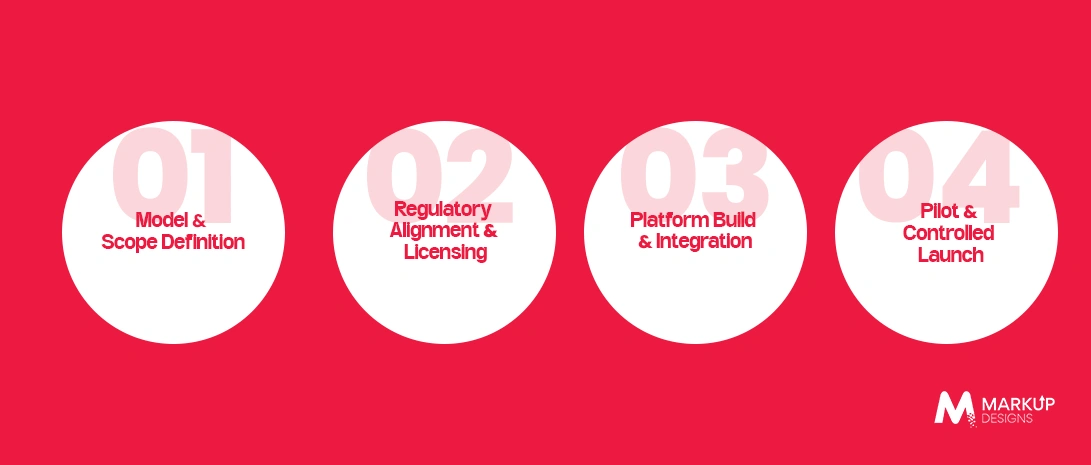
Step 1: Model & Scope Definition
Companies need to first establish their objectives, customer base, transactions they plan to support, and required business processes. Having the correct scope established early on helps to ensure that any investments in technology are aligned with their overall strategic goals.
Step 2: Regulatory Alignment & Licensing
Before development begins, businesses must ensure their platform aligns with applicable regulatory requirements, compliance obligations, and legal frameworks. This includes establishing governance policies, implementing risk management procedures, and identifying the licensing requirements relevant to cryptocurrency and real estate activities. Taking a compliance-first approach helps create a secure foundation for development while supporting long-term operational stability and market readiness.
Step 3: Platform Build & Integration
Once the final regulatory approvals are received, development teams will then start the integration of wallet technology, blockchain infrastructure, payment systems, compliance modules, and user interfaces. Throughout this phase, security testing and scalability will continue to be a priority before the final launch of the new platform.
Typical Development Timeline
While every project varies based on scope and regulatory requirements, most crypto-enabled real estate platforms are developed in phases. Initial planning and compliance assessments may take several weeks, followed by platform design, blockchain integration, wallet implementation, and testing. Pilot launches are often conducted before full deployment to validate functionality, security, and user experience.
A phased implementation approach helps organisations manage risk, maintain compliance, and optimise performance throughout the development lifecycle.
Phase 4: Pilot & Controlled Launch
A controlled rollout allows organizations to validate functionality, gather user feedback, identify improvements, and optimize platform performance before full-scale deployment.
How to Move Forward Without Costly Missteps
Many organizations focus on technology while underestimating compliance, security, and operational considerations. Successful implementation requires balancing innovation with governance and risk management.
Businesses should avoid rushing into development without a clear strategy. Comprehensive planning, stakeholder alignment, security assessments, and regulatory reviews can prevent costly mistakes and improve project outcomes.
Partnering with experienced blockchain and software development specialists can further reduce risk while accelerating time-to-market.
Why Choose Markup Designs for Crypto Real Estate Solutions?
Building a crypto-enabled real estate platform requires expertise across blockchain technology, software engineering, security architecture, compliance frameworks, and user experience design. Markup Designs helps organizations navigate these complexities while delivering scalable and future-ready solutions.
Crypto Exchange Integration
We build secure exchange integrations that enable smooth cryptocurrency transactions, liquidity management, and payment processing.
Smart Contract Development & Audit
Our team develops and tests smart contracts that automate workflows while ensuring reliability and transparency.
KYC & AML Module Integration
We implement compliance solutions that support identity verification, risk assessment, and transaction monitoring.
Custom Wallets & Payment Flows
We create secure wallet integrations and user-friendly payment experiences tailored to your business requirements.
Tokenized Real Estate Platforms
Our experts develop blockchain-powered solutions that support digital ownership models and innovative investment structures.
Blockchain Architecture & Compliance Support
From infrastructure design to security implementation, we help organizations build scalable and compliant blockchain ecosystems.
Ready to Build the Future of Real Estate Transactions?
Empower your real estate business with blockchain technology, cryptocurrency payments, and secure digital transaction platforms. Partner with Markup Designs to create innovative real estate solutions designed for the next generation of investors. Contact Markup Designs today to discuss your crypto real estate platform vision.

Conclusion
Cryptocurrency is changing the way real estate transactions are conducted across UAE. From faster payments and improved transparency to enhanced accessibility and innovative investment opportunities, digital assets are creating new possibilities for buyers, sellers, developers, and platform operators alike.
While the technology presents exciting opportunities, successful implementation requires careful planning, strong compliance frameworks, secure infrastructure, and a clear understanding of business objectives. Organizations that embrace crypto-powered real estate solutions today may be better positioned to meet evolving investor expectations and capitalize on future market opportunities.
As blockchain adoption continues to accelerate, cryptocurrency is likely to become an increasingly important component of UAE’s real estate landscape, driving greater efficiency, innovation, and global connectivity throughout the property ecosystem.
FAQs
1. Can property be purchased using cryptocurrency in UAE?
Yes, several developers and real estate businesses are exploring or supporting cryptocurrency-based transactions, although processes and compliance requirements may vary.
2. What are the benefits of using cryptocurrency for real estate transactions?
Benefits may include faster settlements, reduced transaction friction, improved transparency, access to international investors, and enhanced payment flexibility.
3. Are crypto real estate transactions secure?
When supported by proper security measures, blockchain infrastructure, smart contracts, encryption, and compliance controls, crypto-enabled transactions can offer high levels of security.
4. What technologies are required for crypto real estate platforms?
Common technologies include blockchain infrastructure, crypto wallets, exchange integrations, smart contracts, identity verification systems, and compliance modules.
5. Why should businesses partner with Markup Designs?
Markup Designs provides end-to-end expertise in blockchain development, crypto integration, compliance-focused architecture, platform engineering, and digital transformation solutions designed to help businesses succeed in emerging markets.
Author's Perspective
Cryptocurrency is no longer simply a financial innovation, it is becoming a catalyst for transformation across multiple industries, including real estate. The UAE’s commitment to digital transformation, combined with its progressive approach to blockchain adoption, creates a strong foundation for the future of crypto-enabled property transactions.
From our perspective, the greatest opportunity lies not only in accepting cryptocurrency as a payment method but in leveraging the broader capabilities of blockchain technology. Smart contracts, tokenized ownership models, digital identity verification, and automated compliance processes have the potential to fundamentally improve how real estate transactions are conducted.
Discuss Your Project NowJupinder Singh Arora
Founder and CEO
Related Posts

Crypto Trading Bot Development: Architecture, Features & Cost...
Cost to Develop a Cryptocurrency Exchange App Like...
How to Build a Secure Crypto Payment Gateway...
Insights Are Valuable & Execution is Priceless
You’ve read about the digital future. Now, let’s build the infrastructure to take you there. Move your strategy from the page to the product.
Design Your Solution Now
Contact Us
Schedule The Appointment At Your Convenience Date And Time.
30 Min
Web Conference
Time Zone
Indian standard time (08:30pm)

Thanks For Getting In Touch!
You’ve Taken The First Step Toward Transforming Your Digital Presence. Our Experts Will Reach Out Shortly To Take It Forward.
Launch Your Dream Project
Provide a brief overview of your project, and our specialists will evaluate your requirements. We will connect with you to explore how the right digital solutions can help you launch faster.