
Aviation Software Development: Features, Cost & Industry Use Cases
The aviation industry is one of the most complex and highly regulated sectors in the world. With increasing passenger expectations, operational challenges, and the demand for real-time data, aviation businesses are rapidly adopting digital solutions to stay competitive.
From airline operations and passenger management to crew scheduling and flight tracking, technology is playing a critical role in streamlining processes and improving efficiency. This is where aviation software development becomes essential.
Custom aviation solutions help airlines, airports, and aviation service providers improve operational efficiency, enhance passenger experience, and ensure regulatory compliance. Whether it is airline app development or advanced aviation management software, investing in the right digital solution can significantly impact business performance.
Why the Aviation Industry Needs Custom Software
The aviation industry operates in a fast-paced environment where precision, safety, and efficiency are critical. Traditional systems often fail to meet modern demands, leading to delays, inefficiencies, and poor user experiences. Custom aviation software addresses these challenges by offering tailored solutions that align with specific business needs.
- First, it improves operational efficiency by automating manual processes such as scheduling, ticketing, and resource management. This reduces human error and increases productivity.
- Second, custom solutions enable real-time decision-making. With access to live data, airlines and airport authorities can respond quickly to changes such as weather disruptions or flight delays.
- Third, aviation software enhances the passenger experience. Features like seamless booking, real-time notifications, and personalized services improve customer satisfaction and loyalty.
- Another critical factor is regulatory compliance. Aviation businesses must adhere to strict global standards, and custom software ensures that all processes meet these requirements.
Finally, it provides scalability. As businesses grow, their software must adapt to increasing demands without compromising performance.
Types of Aviation Software
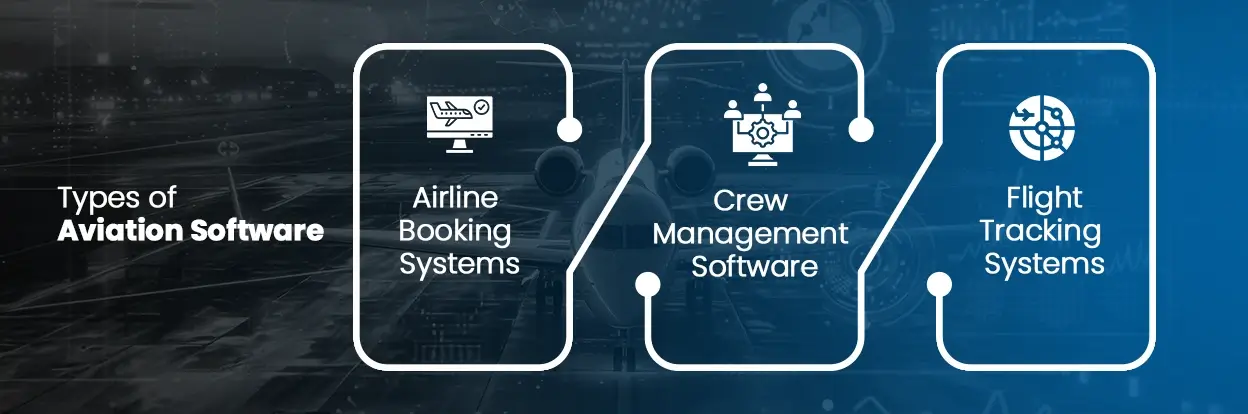
Aviation software solutions are designed to address different aspects of airline and airport operations. Each type plays a crucial role in ensuring smooth functioning.
Airline Booking Systems
Airline booking systems are one of the most essential components of aviation software. These systems allow passengers to search flights, compare fares, book tickets, and manage reservations.
Modern booking systems go beyond basic functionality. They include features such as dynamic pricing, seat selection, payment gateway integration, and personalized recommendations.
For businesses, these systems provide valuable insights into customer behavior, helping improve marketing strategies and revenue management.
Crew Management Software
Managing airline crew is a complex task that involves scheduling, compliance with regulations, and resource optimization.
Crew management software helps airlines automate crew scheduling, track duty hours, and ensure compliance with aviation laws. It also improves communication between crew members and management.
By reducing manual intervention, this software minimizes errors and ensures efficient workforce utilization.
Flight Tracking Systems
Flight tracking systems provide real-time information about flight status, location, and delays. These systems are crucial for both operational teams and passengers.
For airlines, flight tracking helps in monitoring aircraft movement and managing schedules effectively. For passengers, it provides transparency and improves the travel experience.
Advanced systems also integrate with weather data and air traffic control systems to provide accurate and timely updates.
Key Features of Aviation Software
To deliver value, aviation software must include features that enhance efficiency, reliability, and user experience.
Real-Time Data Sync
Real-time data synchronization is one of the most critical features of aviation software. It ensures that all systems—booking, operations, and communication—are updated instantly.
This helps airlines respond quickly to changes such as delays, cancellations, or route adjustments. It also improves coordination between different departments.
Passenger Management
Passenger management systems handle everything from booking and check-in to boarding and post-flight services.
These systems store passenger data securely and provide personalized experiences such as seat preferences, meal options, and travel history.
Efficient passenger management not only improves customer satisfaction but also helps airlines optimize their operations.
Additional Essential Features
- Automated Notifications: Real-time alerts for flight updates
- Secure Payment Integration: Safe and seamless transactions
- Analytics & Reporting: Data-driven insights for better decision-making
- Multi-Platform Accessibility: Web and mobile compatibility
- Integration Capabilities: Seamless connection with third-party systems
Development Cost Breakdown
The cost of aviation software development varies based on several factors, including complexity, features, integrations, and technology stack.
Estimated Cost Structure
| Software Type | Features Included | Estimated Cost |
| Basic Software | Booking system, basic UI, limited integrations | $20,000 – $50,000 |
| Mid-Level Software | Crew management, real-time tracking, analytics | $50,000 – $120,000 |
| Advanced Software | AI integration, automation, predictive analytics | $120,000+ |
Factors Affecting Cost
Feature Complexity:
Advanced functionalities such as AI-based predictions and automation increase development costs.
Integration Requirements:
Integration with existing systems like CRM, ERP, and third-party APIs adds to the cost.
UI/UX Design:
User-friendly design requires additional investment but improves customer experience.
Compliance and Security:
Meeting aviation regulations and ensuring data security requires specialized development efforts.
Development Team Expertise:
Experienced developers ensure quality and scalability but may have higher costs.
Healthcare App Development Cost
While aviation software focuses on operational efficiency, healthcare app development emphasizes data security and compliance.
Estimated Cost Comparison
| App Type | Features Included | Estimated Cost |
| Basic Healthcare App | Appointment booking, notifications | $10,000 – $25,000 |
| Mid-Level Healthcare App | Telemedicine, EHR integration | $25,000 – $60,000 |
| Advanced Healthcare App | AI diagnostics, IoT integration | $60,000+ |
This comparison highlights how industry requirements influence development costs. Healthcare apps require strict compliance, while aviation software demands real-time processing and operational efficiency.
Challenges in Aviation Software
Developing aviation software comes with several challenges due to the complexity of the industry.
Regulatory Compliance
Aviation businesses must comply with global regulations, which can complicate development and increase timelines.
Data Security
Handling sensitive passenger and operational data requires robust security measures.
System Integration
Integrating with existing legacy systems can be technically challenging.
Real-Time Data Handling
Processing large volumes of real-time data without delays is critical.
Scalability
Software must handle increasing passenger volumes and operational demands.
Future Trends
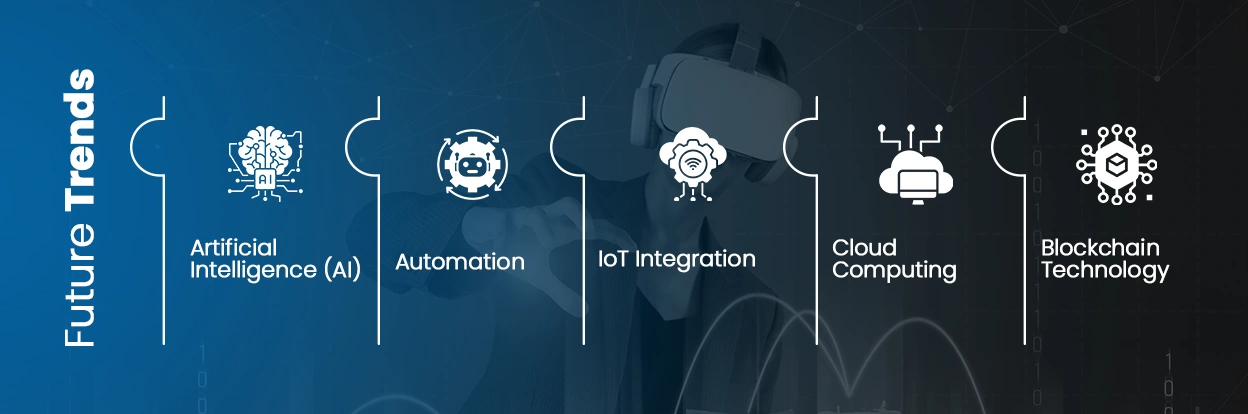
The future of aviation software development is driven by innovation and advanced technologies.
Artificial Intelligence (AI)
AI is being used for predictive maintenance, customer personalization, and demand forecasting.
Automation
Automation is improving operational efficiency by reducing manual tasks and errors.
IoT Integration
Connected devices are enabling real-time monitoring of aircraft and operations.
Cloud Computing
Cloud-based solutions offer scalability, flexibility, and cost efficiency.
Blockchain Technology
Blockchain enhances security and transparency in transactions and data sharing.
Why Should You Partner with Markup Designs?
Choosing the right development partner plays a critical role in the success of your aviation software. Beyond technical execution, you need a team that understands industry challenges, aligns with your business goals, and delivers long-term value. That is why we position ourselves not just as a service provider but as your strategic technology partner.
Industry Expertise
We bring deep domain knowledge in aviation software development, allowing us to understand the operational complexities of airlines, airports, and aviation service providers. From regulatory compliance to real-time data handling, we ensure that every solution we build aligns with industry standards.
End-to-End Development
We offer complete, end-to-end development services, covering every stage of your software journey. From initial consultation, requirement analysis, and UI/UX design to development, testing, deployment, and ongoing support—we handle it all.
Custom Solutions
Every aviation business has unique operational needs, and we believe in building solutions that reflect those requirements. Instead of relying on one-size-fits-all approaches, we develop fully customized aviation software tailored to your workflows, processes, and business objectives.
Advanced Technology Stack
We leverage the latest technologies to build modern, high-performing aviation solutions. Our expertise includes AI-driven analytics, cloud-based infrastructure, automation tools, and real-time data systems.
User-Centric Approach
In aviation, user experience is a key differentiator. Whether it’s passengers using booking platforms or internal teams managing operations, usability matters. We focus on creating intuitive, easy-to-use interfaces that enhance user engagement and reduce friction. Our UI/UX strategies are designed to improve customer satisfaction while ensuring smooth workflows for your team.
Scalable Architecture
As your business grows, your software should grow with it. We design scalable and flexible architectures that can handle increasing user demands, additional features, and system integrations without compromising performance. This future-ready approach ensures that your investment remains valuable in the long run.
Strong Focus on Security & Compliance
Aviation software deals with sensitive passenger and operational data. We implement robust security protocols and ensure compliance with industry regulations to protect your systems from potential risks. Our solutions are built with security at their core, giving you peace of mind.
Agile Development & Faster Time-to-Market
We follow agile development methodologies that allow us to deliver projects in phases, ensuring flexibility and faster releases. This approach helps you launch your product quickly, gather feedback, and make improvements without delays.
Conclusion
Aviation software development is no longer optional; it is a necessity for businesses aiming to stay competitive in a rapidly evolving industry. From improving operational efficiency to enhancing passenger experiences, custom aviation solutions provide significant advantages. By investing in the right software and adopting emerging technologies, aviation businesses can achieve long-term success.
Partnering with Markup Designs ensures that your software is not only functional but also scalable, secure, and future-ready.
FAQs
1. What is aviation software development?
It involves creating digital solutions for airlines, airports, and aviation businesses to improve operations and customer experience.
2. Why is custom aviation software important?
It helps businesses address specific operational challenges and improve efficiency.
3. How much does aviation software development cost?
Costs range from $20,000 to $120,000+, depending on complexity.
4. What features should aviation software include?
Key features include booking systems, real-time tracking, passenger management, and analytics.
5. How long does it take to develop aviation software?
Typically, 3 to 9 months depending on the project scope.
6. What are the biggest challenges in aviation software development?
Compliance, data security, and system integration are major challenges.
7. Can aviation software be integrated with existing systems?
Yes, but it requires proper planning and technical expertise.
8. What technologies are used in aviation software?
AI, cloud computing, IoT, and automation are commonly used.
Are you looking to build a powerful aviation software solution for your business?
Partner with us to develop scalable, secure, and high-performing aviation applications tailored to your needs. Let’s transform your operations with cutting-edge technology.
Author's Perspective
In an industry as complex and fast-moving as aviation, building the right digital solution is not just about technology; it is about making the right strategic decisions at the right time. One of the most common challenges is balancing innovation with operational stability. This is where choosing the right development approach and the right technology partner becomes crucial.
Aviation software development should always begin with a clear understanding of business objectives and operational pain points. Many organizations tend to focus heavily on adding advanced features from the start, which often leads to increased costs, longer timelines, and unnecessary complexity.
Gaurav Goyal
Global Sales- VP
Related Posts

How to Build Production-Ready Applications with AI Coding...
Case Management Software Development: Enterprise Features & Implementation...
Farm Management Software Development in Australia: Features, AI...
Insights Are Valuable & Execution is Priceless
You’ve read about the digital future. Now, let’s build the infrastructure to take you there. Move your strategy from the page to the product.
Design Your Solution Now
Contact Us
Schedule The Appointment At Your Convenience Date And Time.
30 Min
Web Conference
Time Zone
Indian standard time (08:30pm)

Thanks For Getting In Touch!
You’ve Taken The First Step Toward Transforming Your Digital Presence. Our Experts Will Reach Out Shortly To Take It Forward.
Launch Your Dream Project
Provide a brief overview of your project, and our specialists will evaluate your requirements. We will connect with you to explore how the right digital solutions can help you launch faster.