

In Brief
- Building a job portal like Glassdoor requires an estimated investment based on platform complexity, features, technology stack, and development requirements.
- Essential functionalities include job search, candidate profiles, company reviews, salary insights, employer dashboards, and application tracking.
- Advanced features such as AI-powered job recommendations, resume matching, and recruitment analytics can increase development costs.
- The overall investment also depends on UI/UX design, third-party integrations, data security, development team location, and ongoing maintenance.
- Job portals can generate revenue through employer subscriptions, paid job listings, recruitment services, sponsored placements and premium features.
Online job portals have changed how businesses recruit talent and how professionals explore career opportunities. Platforms like Glassdoor combine job listings with company reviews, salary information and workplace insights, helping candidates make informed career decisions. For businesses, developing a similar platform creates opportunities to connect employers with job seekers while offering additional recruitment and career-related services.
However, building a job portal like Glassdoor involves more than creating a website with job listings and application forms. It requires a scalable platform with candidate and employer dashboards, advanced search capabilities, review management, secure data handling and potentially AI-powered recruitment features. Understanding the development costs, essential functionalities, technology requirements and revenue opportunities can help businesses plan their investment and build a competitive job portal.
How Much Does It Cost to Build a Job Portal Like Glassdoor?
The cost of building a job portal like Glassdoor typically depends on its features, complexity, design and technology requirements. A basic platform with job listings and candidate profiles requires less investment than an advanced solution with company reviews, salary insights and AI-powered recruitment tools.
Estimated Cost of Developing a Basic, Mid-Level and Advanced Job Portal
A basic job portal may include registration, job listings, and application management. A mid-level platform can add employer dashboards, company reviews, and salary information, while an advanced solution may include AI recommendations, candidate matching, and recruitment analytics. Each additional capability increases development time and investment.
Factors That Influence Job Portal Development Costs
Development costs depend on platform complexity, UI/UX design, technology selection, integrations, and team size. Data security, testing, hosting, and ongoing maintenance also contribute to the overall budget.
What Makes Glassdoor a Successful Job Portal?
Glassdoor combines job search functionality with workplace information, helping candidates evaluate employers before applying. Its combination of recruitment tools, company insights, and salary transparency creates value for both job seekers and employers.
Company Reviews and Workplace Insights
Employees can share workplace experiences, ratings, and feedback about employers. These reviews help candidates understand company culture, management practices, and working environments.
Job Search and Recruitment Features
Glassdoor allows users to explore job opportunities based on roles, locations, and other preferences. Employers can use the platform to publish vacancies and connect with potential candidates.
Salary Comparisons and Career Resources
Salary information helps professionals compare compensation across companies and job roles. Career resources and interview insights also support informed employment decisions.
Employer Branding and Transparency
Company profiles and employee feedback help businesses present their workplace culture and employment opportunities. This transparency can influence how candidates perceive potential employers.
What Features Are Essential for Building a Job Portal Like Glassdoor?
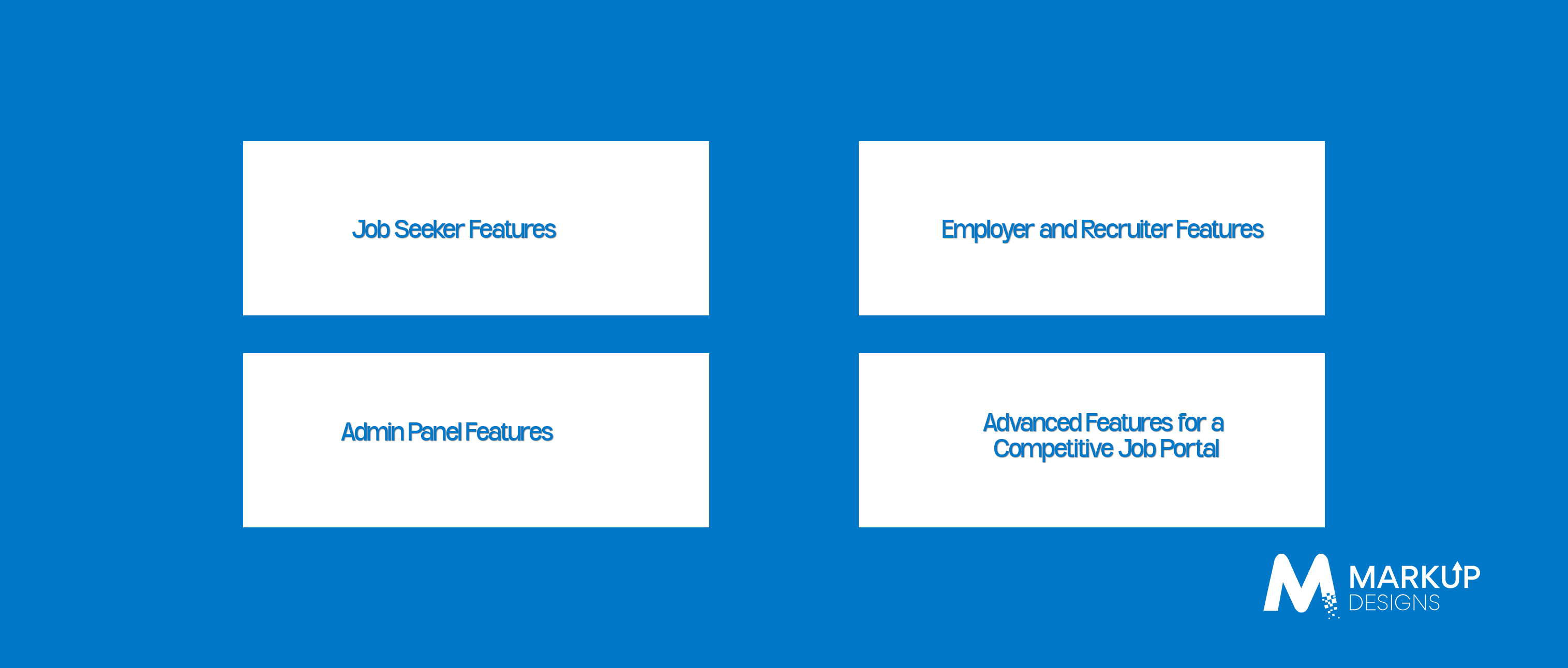
A competitive job portal needs separate functionalities for job seekers, recruiters, and administrators. Advanced capabilities can further improve recruitment processes and user engagement.
Job Seeker Features
Job seekers should be able to create accounts, manage professional profiles, search for vacancies using filters such as role, location, salary, and experience, and upload resumes. Application tracking, company reviews, salary insights, and personalised job alerts further improve the job search experience.
Employer and Recruiter Features
Employers need dedicated profiles to manage company information and branding, along with tools to publish and update job listings. Applicant tracking, candidate filtering, and recruitment analytics help recruiters manage applications and monitor hiring performance.
Admin Panel Features
The admin panel should support user and employer account management, job listing and review moderation, and subscription and payment handling. Analytics and reporting tools also help administrators monitor platform activity and overall performance.
Advanced Features for a Competitive Job Portal
Advanced capabilities can make the platform more relevant and efficient. AI-powered job recommendations, resume matching, and predictive hiring analytics can improve candidate discovery and recruitment decisions, while in-app messaging and notifications support timely communication between users and employers.
Which Factors Affect the Cost of Building a Job Portal Like Glassdoor?
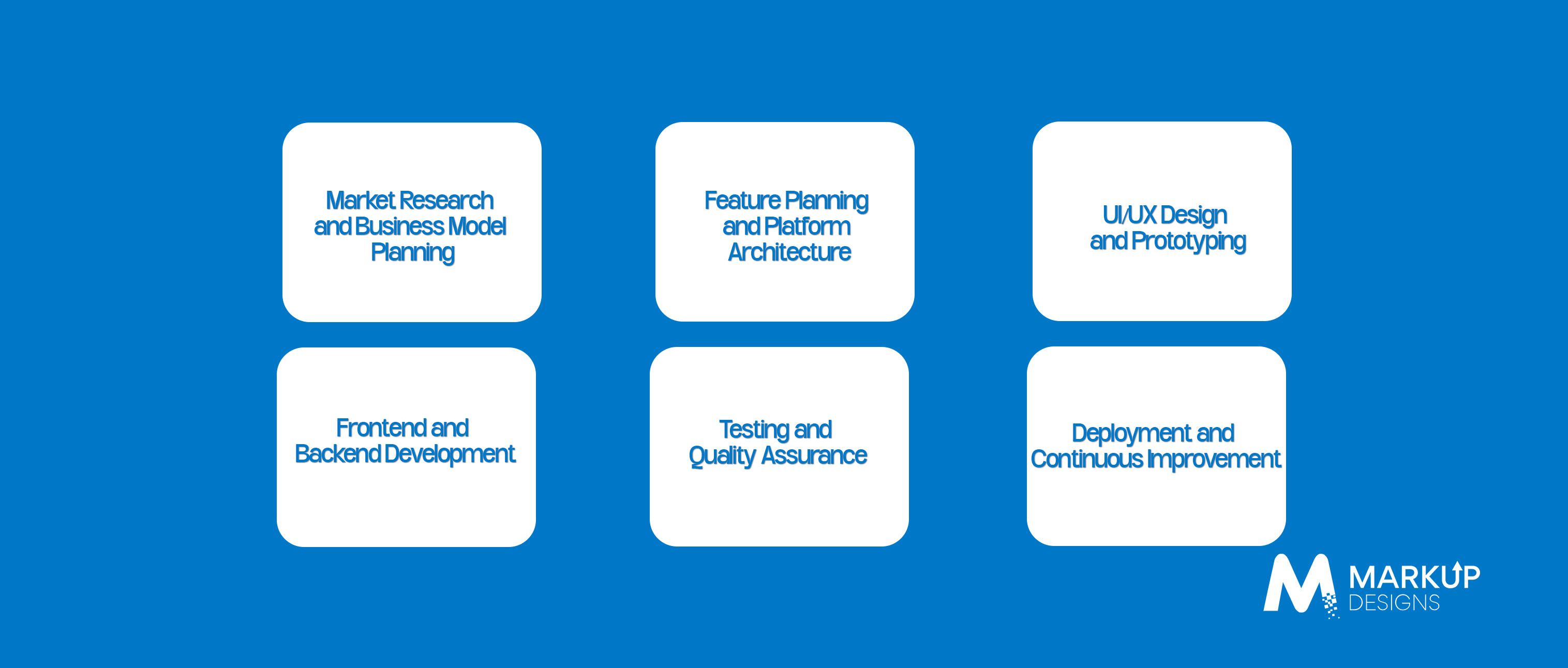
Several technical and operational factors influence the overall development budget. Understanding these requirements helps businesses estimate investment and prioritise essential functionalities.
Platform Complexity and Feature Requirements
A basic job listing platform requires fewer resources than a solution with reviews, salary insights, and AI-based recruitment tools. More complex features increase development and testing requirements.
UI/UX Design and User Experience
Custom interfaces, responsive layouts, and interactive dashboards influence design costs. A simple and intuitive experience helps candidates and recruiters navigate the platform.
Technology Stack and Third-Party Integrations
Frontend frameworks, backend technologies, databases, and external APIs affect development expenses. Integrations for payments, notifications, and job data can add further costs.
Development Team Size and Location
Development rates vary depending on team location, experience, and project requirements. The involvement of developers, designers, testers, and project managers also affects the budget.
Data Security and Compliance Requirements
Job portals handle personal information, resumes, and employment records. Security measures, access controls, and applicable data protection requirements add to development costs.
Testing, Deployment and Ongoing Maintenance
Testing, bug fixes, cloud hosting, and regular updates contribute to the overall investment. Advanced platforms may also require continuous monitoring and AI model maintenance.
What Technology Stack Is Required to Build a Job Portal Like Glassdoor?
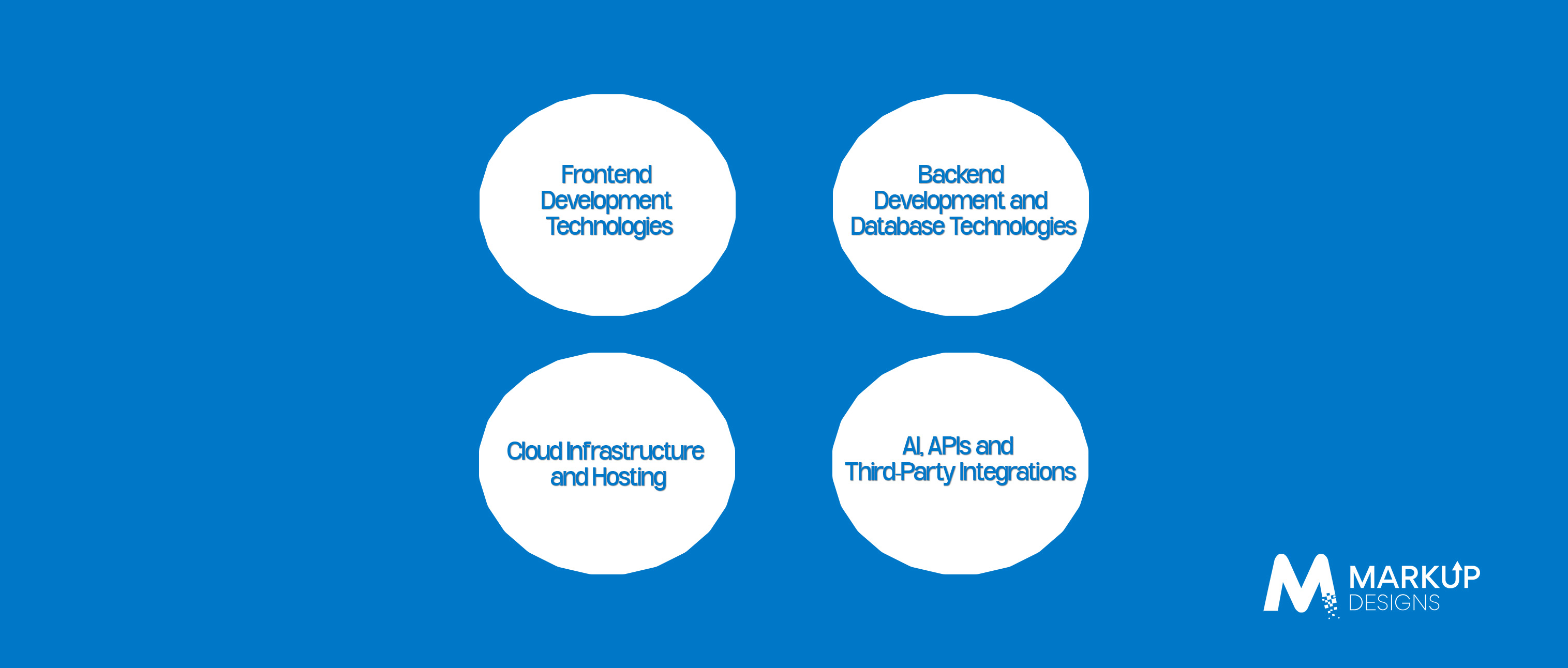
The technology stack determines how efficiently a job portal operates, manages data, and supports future growth. The right combination depends on platform requirements, expected traffic, and integration needs.
Frontend Development Technologies
React.js, Angular, and Vue.js can be used to develop responsive interfaces for job seekers and recruiters. These frameworks support interactive dashboards, search filters, and user-friendly navigation.
Backend Development and Database Technologies
Node.js, Python, Java, and PHP support server-side development and business logic. Databases such as PostgreSQL and MongoDB help manage user profiles, job listings, and application records.
Cloud Infrastructure and Hosting
AWS, Microsoft Azure and Google Cloud provide hosting, storage and infrastructure management capabilities. These services help businesses scale resources as platform traffic increases.
AI, APIs and Third-Party Integrations
Machine learning frameworks, recommendation engines and external APIs support resume matching, job suggestions and communication features. Payment gateways and notification services can also extend platform functionality.
How to Develop a Job Portal Like Glassdoor?
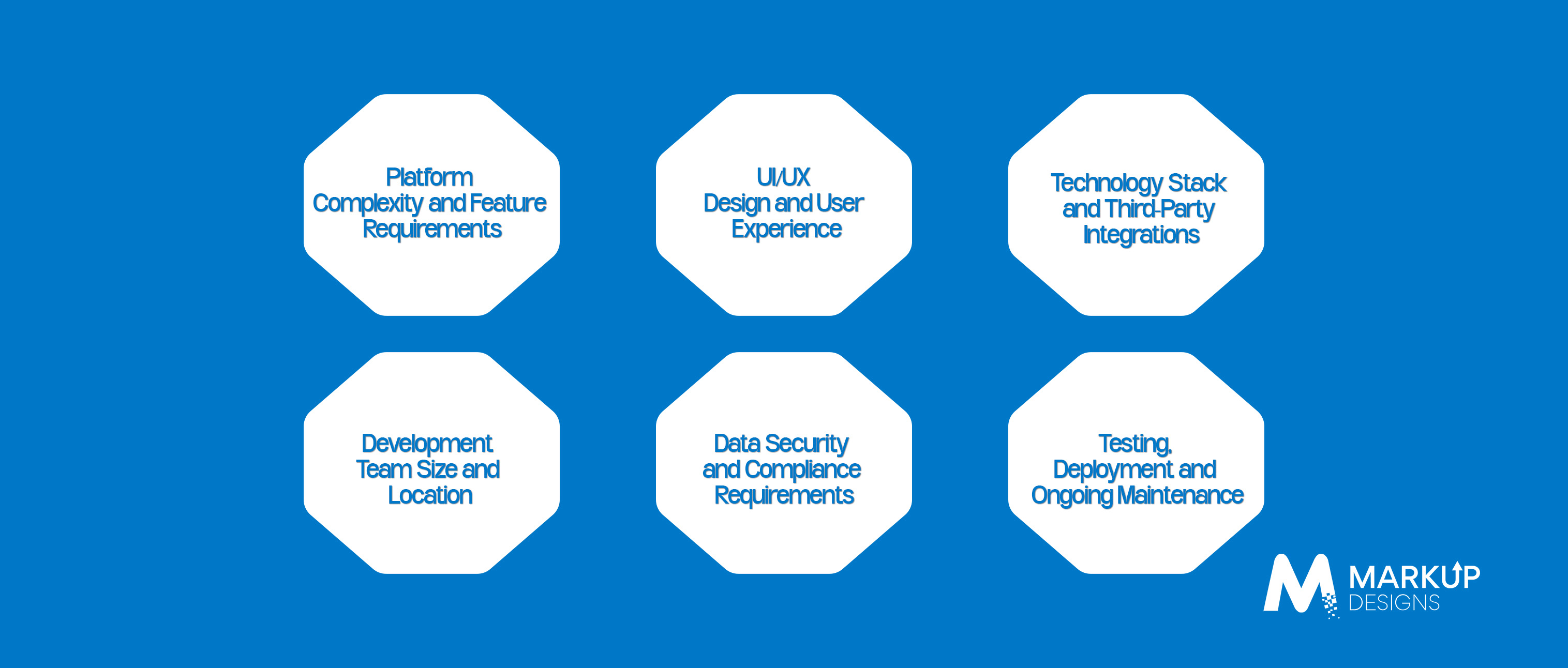
Building a job portal requires a structured development process, from initial planning to deployment. Each stage helps ensure that the platform meets user expectations and business requirements.
Market Research and Business Model Planning
Analyse competitors, target users, recruitment requirements, and revenue opportunities before defining the platform’s scope.
Feature Planning and Platform Architecture
Identify essential features and design the system architecture to support users, employers and administrators.
UI/UX Design and Prototyping
Create wireframes and interface prototypes to establish navigation, layouts and user interactions.
Frontend and Backend Development
Develop the platform interfaces, server-side functionality, databases and required integrations.
Testing and Quality Assurance
Test functionality, performance, security and compatibility to identify issues before launch.
Deployment and Continuous Improvement
Launch the platform, monitor performance and introduce updates based on user feedback and changing business needs.
How Can a Job Portal Like Glassdoor Generate Revenue?
A job portal can generate income through multiple revenue streams by offering recruitment services and premium functionalities to employers and job seekers.
Employer Subscription Plans
Charge businesses recurring fees for access to recruitment tools, employer dashboards and premium company profiles.
Paid Job Listings and Featured Placements
Offer paid vacancy postings and sponsored placements to improve job visibility and reach.
Recruitment and Talent Solutions
Provide candidate sourcing, recruitment analytics and specialised hiring services to businesses.
Advertising and Sponsored Content
Generate advertising revenue through sponsored employer profiles, job promotions and relevant brand placements.
Premium Career Services
Offer paid resume assistance, career guidance and additional job search tools to candidates.
How Can Markup Designs Help Build a Scalable Job Portal Like Glassdoor?
Markup Designs helps businesses develop custom job portals with user-focused features, secure architecture and scalable functionality. From UI/UX design and frontend development to backend engineering and AI integration, the team can build solutions aligned with specific recruitment requirements. Its development approach focuses on platform performance, seamless integrations and long-term business growth.
Build a Powerful Job Portal with the Right Technology
Create a feature-rich recruitment platform with custom development, intelligent automation and scalable architecture.

Conclusion
Building a job portal like Glassdoor requires careful planning, the right technology stack and a clear understanding of user requirements. Development costs depend on platform complexity, features, integrations and ongoing maintenance. By prioritising essential functionalities and planning for scalability, businesses can create a competitive recruitment platform that serves both employers and job seekers.
FAQs
1. How much does it cost to build a job portal like Glassdoor?
The cost depends on features, platform complexity, technology stack and development team rates. Basic portals generally cost less than advanced platforms with AI-powered recruitment and analytics.
2. How long does it take to develop a job portal?
Development timelines depend on the project scope and functionality. A basic platform may take a few months, while a feature-rich solution can require longer development and testing.
3. What are the essential features of a job portal?
Essential features include user registration, job search, resume uploads, application tracking, employer dashboards, job postings and company reviews.
4. Can AI be integrated into a job portal?
Yes. AI can support job recommendations, resume matching, candidate screening, recruitment analytics, and personalised job searches.
5. How do job portals make money?
Job portals generate revenue through employer subscriptions, paid job listings, sponsored placements, recruitment services, advertising and premium career features.
Author's Perspective
A successful job portal needs more than job listings and application forms. Its value comes from connecting candidates and employers through useful features, reliable information and a smooth recruitment experience. Businesses planning a platform like Glassdoor should prioritise essential functionalities first and introduce advanced capabilities as their user base grows. This approach helps manage development costs while building a scalable platform.
Discuss Your Project NowAjit Kumar Jha
VP - Business Operations
Insights Are Valuable & Execution is Priceless
You’ve read about the digital future. Now, let’s build the infrastructure to take you there. Move your strategy from the page to the product.
Design Your Solution Now
Contact Us
Schedule The Appointment At Your Convenience Date And Time.
30 Min
Web Conference
Time Zone
Indian standard time (08:30pm)

Thanks For Getting In Touch!
You’ve Taken The First Step Toward Transforming Your Digital Presence. Our Experts Will Reach Out Shortly To Take It Forward.
Launch Your Dream Project
Provide a brief overview of your project, and our specialists will evaluate your requirements. We will connect with you to explore how the right digital solutions can help you launch faster.