
In Brief
- Mobile apps have become a critical business tool for improving customer engagement, increasing brand visibility, and creating seamless user experiences in a mobile-first world.
- Industries such as healthcare, finance, ecommerce, education, and transportation are leveraging mobile apps to enhance customer experiences and drive business growth.
- Growing mobile traffic, increasing customer interactions, expanding customer bases, and long-term scaling plans are key indicators that a business is ready to invest in a mobile app.
- Mobile apps help businesses attract loyal customers, gain valuable user insights, create direct marketing channels, boost revenue, and stay ahead of competitors.
- Building a successful mobile app requires clear business objectives, a deep understanding of user needs, strategic feature planning, intuitive UI/UX design, and the right technology foundation.
Imagine what a few hours of your life would be without using a smartphone. Scared to think? Of course, because now it is such an important and indispensable part of our life. Ever thought why it is so necessary to us? Read on.
Today the world is so technology driven that the users heavily depend upon various applications for different things of their lives such as for shopping, payments, management of work, for food, travel etc.
The growing use of applications by the users have resulted in the organizations and companies to create their own application, to serve as a one stop solution providing personalized service at convenient and thereby increasing the customer base, brand loyalty and overall sales.
The Importance of Mobile Apps for Modern Startups
Whether a small or large company, a mobile app can be a way to bring in and retain their customers. With users increasingly relying on mobile platforms, businesses are investing in mobile apps to enhance accessibility, strengthen customer relationships, and create long-term value.
It’s imperative for new startups to invest in mobile applications. It can boost marketing campaigns, improve customer interaction, and promote your brand image. Mobile applications can make small businesses more competitive in the industry and ensure an excellent customer experience.
With the increasing number of consumers accessing the internet through mobile phones, developers are creating applications to facilitate this. As we go further, we will see companies developing their own applications to keep customers satisfied. Companies that do not invest in mobile experiences may struggle to keep pace with changing consumer preferences.
Read Also: Mobile App Development: Complete Guide for Businesses
Key Mobile App Industry Statistics You Should Know
Here is the data that reflects the popularity of mobile apps in the market and the importance of investing in them:
- According to Statista survey results, 5.25 million users were using smartphones till March 2023 and this number is expected to grow by 17.33% and reach 6.2 million by 2028.
- It is estimated by the Statista Digital Market Outlook that mobile apps may generate nearly 613 billion U.S. dollars in global revenue by 2026
- According to data published by TechCrunch, an average person uses 9 to 10 apps on a daily basis.
- The mobile gaming market is projected to reach USD 376.70 billion by the end of 2027.
These numbers indicate how profitable it is to have a mobile app for your business, be it Android or iOS.
Why Every Business Should Invest in a Mobile App: 10 Key Reasons
Today, mobile apps have become an important part of everyday life. People use them for shopping, banking, entertainment, communication, and many other daily activities. As a result, businesses are increasingly investing in mobile apps to provide a better user experience and meet customer expectations.
App developers continuously improve mobile applications by adding new features and updating based on user needs and business goals. No matter the industry, a mobile app can help businesses connect with customers more effectively, improve engagement, and support long-term growth.
Here are some key reasons why your business should consider having a mobile app.
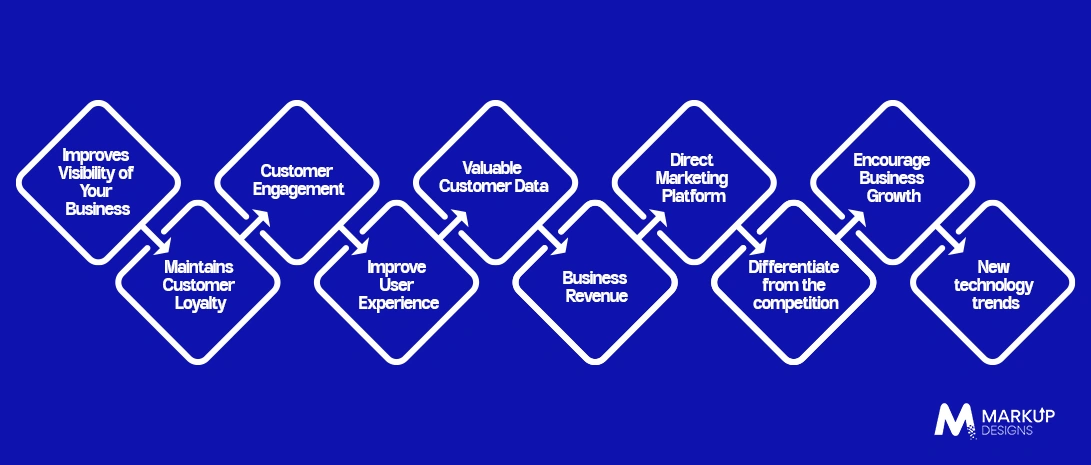
Improves Visibility of Your Business
People spend a significant amount of time on their smartphones every day, making mobile apps an effective channel for businesses to reach and engage customers. Through features such as push notifications, personalized offers, email campaigns, and targeted promotions, businesses can encourage users to download their app, stay engaged, and take advantage of the products or services they offer.
Maintains Customer Loyalty
One of the reasons to launch the business mobile application is to attract and retain customers’ loyalty, to achieve.By delivering a seamless user experience and providing reliable customer support, businesses can strengthen customer loyalty and encourage long-term engagement. For example Amazon rewards their customers with discounts, sales, or vouchers to visit and shop again. You may adapt a few of these strategies too.
Customer Engagement
It has been observed that mobile apps have successfully increased customer engagement and interaction. It facilitates effective communication between a customer and the brand. The inclusion of functions like push notification automation, form for customers feedback or rating, social media integration, chat etc helps in engaging your customers and retaining them.
Improve User Experience
User experience has always played a major role in growing the business. An app with a clean and user-friendly interface makes browsing easier and more enjoyable for users. This enhances the overall customer experience, increases satisfaction, and encourages users to return, leading to higher engagement and repeat purchases.
Valuable Customer Data
Customer data can be effectively gathered and analyzed with the help of a mobile app. The app provides insights on user’s activities, such as browsing time on each page, the devices used by them, commonly visited sections and least visited areas. These insights enables you to know your customers and their browning activities in a deeper manner so that the marketing efforts can be planned more effectively.
Business Revenue
Mobile apps offer businesses a powerful way to drive revenue by delivering personalized user experiences. As consumers prefer apps over other digital platforms, businesses can capitalize on this engagement through multiple monetization strategies, including in-app purchases, freemium offerings, subscription models, and targeted in-app advertising, ultimately creating new revenue streams and boosting overall profitability.
Direct Marketing Platform
Mobile apps also act as a direct marketing channel. Businesses can effectively reach their target audience and share personalized updates about promotions, discounts, etc. helping improve engagement and customer response. Customizing these features based on what customers like creates loyalty and drives sales. This personal approach bumps up both the company’s worth and its growth.
Differentiate from the competition
Many businesses today still do not fully leverage the potential of mobile apps, and some have yet to invest in one altogether. This creates a valuable opportunity for companies that prioritize mobile app development. By offering a well-designed and feature-rich app, businesses can gain a competitive advantage, attract more customers, and establish a stronger presence in the market. With the right strategy, there is ample opportunity to differentiate your brand and stay ahead of competitors.
Encourage Business Growth
In addition to engaging customers, a mobile app helps businesses grow. By enhancing the user experience by making it more personalized and easy for their customers to interact with, you allow your business to engage with and attract more users. Building this relationship helps with brand loyalty and can pave the way to new business opportunities.
New technology trends
Technology is changing rapidly, with innovations emerging every day. To stay competitive, businesses need to adopt modern technologies and digital solutions. Integrating AI and IoT into mobile apps can help create more personalized, efficient, and engaging user experiences.
Signs Your Business is Ready for a Mobile App
Not every business needs a mobile app right from the start. However, if your business is showing signs of growth, investing in app development can be a smart decision. Customer expectations continue to evolve, and businesses that offer a seamless mobile experience are often better positioned to increase customer engagement, strengthen loyalty, and drive higher revenue. So, if your business is steadily growing and gets tons of digital interaction, think about building a mobile app.
Some common signs include:
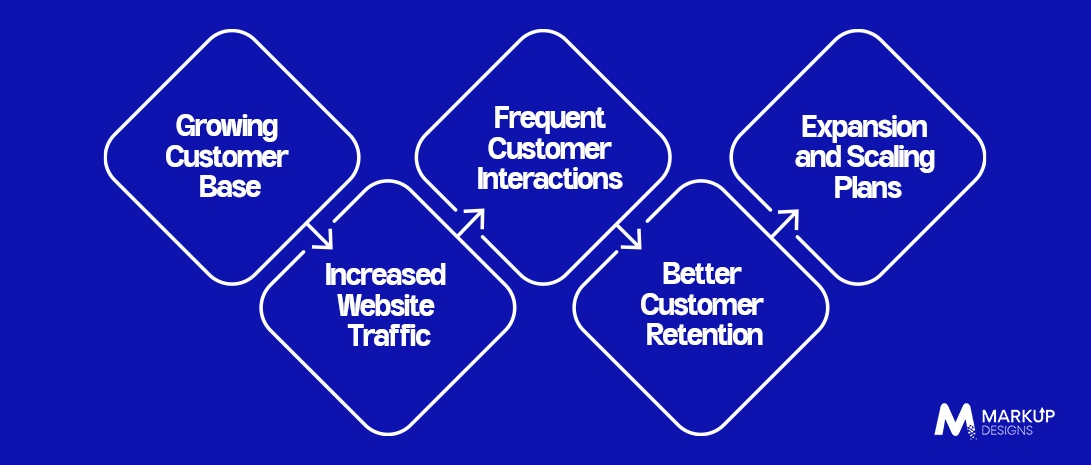
Growing Customer Base
As your customer base expands, managing interactions and delivering personalized experiences becomes more challenging. A mobile app provides a direct channel to engage users efficiently.
Increased Website Traffic through Smartphones
If a large percentage of your website visitors are accessing your services through smartphones, an app can offer a faster and more convenient experience than a mobile browser.
Frequent Customer Interactions
Businesses that rely on regular customer engagement can benefit from features like push notifications, in-app messaging, and personalized recommendations.
Better Customer Retention
When retaining customers becomes a priority, mobile apps help strengthen loyalty through rewards programs, exclusive offers, and ongoing engagement.
Expansion and Scaling Plans
If your business is planning to enter new markets, launch new products, or long-term growth, a mobile app can serve as a scalable platform to support future expansion.
Industries Where Mobile Apps are Transforming Business
As mobile app adoption continues to grow across industries, many sectors are experiencing rapid growth and unlocking new opportunities for business expansion.
Here are the industries that have been greatly impacted:
- Healthcare: Healthcare apps enable on-demand consultations, streamline patient record management, support real-time health monitoring, and help users improve their overall health, sleep quality, and mental well-being.
- Fintech apps: Financial and banking apps are essential to make digital transactions quick, secure, manage accounts and get instant money management trends.
- Ecommerce: eCommerce apps help ease out buying over the go thereby enhancing competitive performance and shopping comfort.
- Education sector and e-learning apps: These apps enable personalized learning, multimedia education, subject based learning modules and offer ways to track student performance effectively.
- Travel and transportation: Apps provide easier means for booking travel tickets and tracking logistics through real-time movement, leading to increased efficiency and customer satisfaction.
How to Build a Mobile App That Delivers Business Value
Developing a mobile app is way more than just making a digital product; it’s about solving business problems, boosting the customer experience, and driving future growth. Some companies look for quick profits right after investing, but they find out that it needs careful planning and picking the right tech along with the best solutions to meet user expectations.
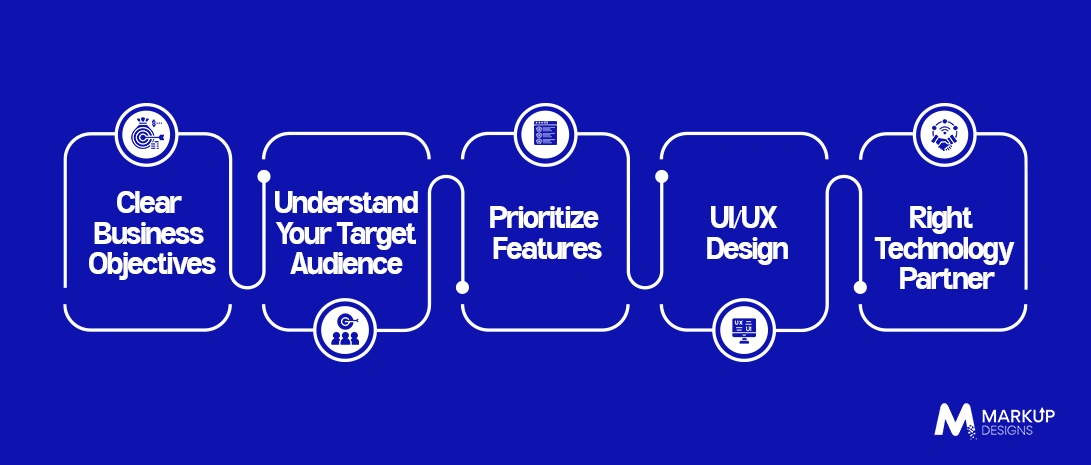
Clear Business Objectives
Before developing your mobile app, figure out the main purpose your’re building it for. Knowing this, guides your choices on features and how you measure success.
Ask yourself:
- Do I want to boost sales?
- Is improving customer interaction key?
- Are internal processes what needs streamlining?
- Is building loyal customers more important?
Having clear goals means every part of the app will help you reach quantifiable results.
Understand Your Target Audience
The most successful mobile apps focus on user needs, not just guesses. To know what your audience wants, do market research, study their habits, and collect feedback.
Target these areas:
- Pain points
- Platform preferences
- Usage patterns
- Desired features
The deeper you understand your users, the more your app will matter to them.
Prioritize Features That Solve Real Problems
The biggest mistake is for most businesses to stuff every single feature possible into their initial release. The aim for your business should be to create and implement key functionality to fulfill certain customer needs.
Key high-value features typically include:-
- User registration and management of profiles
- Secured payment integration
- Push notifications
- Customer service and chat feature
- Customized suggestions
- Reporting and analytic functions
The principle of using a Minimum Viable Product helps your business test ideas and gain valuable insight from customers as the product develops.
UI/UX Design
A visually appealing app is important, but usability is what keeps customers engaged. Poor navigation, slow loading times, and complicated workflows often lead to high abandonment rates.
Effective UI/UX design should focus on:
- Simple and intuitive navigation
- Fast and responsive performance
- Consistent branding elements
- Easy onboarding experiences
- Accessibility for diverse user groups
A seamless user experience can significantly improve customer satisfaction and retention.
Right Technology Partner
The technology stack you select directly impacts performance, scalability, maintenance costs, and future growth opportunities.
Businesses should evaluate:
- Native app development for platform-specific performance
- Cross-platform development for faster deployment
- Cloud infrastructure for scalability
- API integrations with existing systems
- Security and compliance requirements
The right technical foundation ensures your app remains reliable as user demand grows.
Build a Mobile App That Drives Results
From customer acquisition and retention to operational efficiency and revenue growth, a mobile app can become one of your most valuable business assets. Connect with mobile app experts to transform your vision into a feature-rich application designed for today’s mobile-first customers.

Conclusion
A mobile app is no longer limited to large enterprises; it has become an essential tool for businesses of all sizes to engage customers, improve operations, and drive growth. It can boost customer interactions, ramp up brand awareness, smooth out operations, and even open up revenue streams. From bettering user experiences to driving loyalty and profits, apps play a key role in success. However, it is important to understand your target audience’s needs and focus on features that align with your business goals and deliver real value to users.
FAQs
1. Why does a business need a mobile app?
A mobile app helps businesses improve customer engagement, provide convenient access to products and services, increase brand visibility, and build stronger customer relationships.
2. Is a mobile app better than a website?
A mobile app and website serve different purposes. While websites help attract visitors, mobile apps offer faster access, personalized experiences, and better customer retention.
3. How much does it cost to build a business mobile app?
The cost depends on factors such as app complexity, features, platform selection, design requirements, and development team expertise.
4. Which industries benefit the most from mobile apps?
Industries such as retail, healthcare, education, finance, logistics, hospitality, and real estate often see significant benefits from mobile app adoption.
5. How long does it take to develop a mobile app?
Development timelines vary based on project scope and complexity, but most business apps can take anywhere from a few months to several months to launch successfully.
Author's Perspective
Businesses today operate in an increasingly mobile-first environment where customers expect convenience, speed, and personalized experiences. A mobile app is more than a digital channel, it is an opportunity to create meaningful customer relationships while supporting long-term business goals. Organizations that approach app development strategically, focusing on user needs and measurable outcomes, are more likely to achieve lasting success. As technology continues to evolve, mobile apps will remain a key driver of customer engagement, operational efficiency, and business growth.
Discuss Your Project NowGaurav Goyal
Global Sales- VP
Related Posts
How to Hire Mobile App Developers in the...

How Much Does It Cost to Build a...

How to Build a Secure Payment Gateway Integration...
Insights Are Valuable & Execution is Priceless
You’ve read about the digital future. Now, let’s build the infrastructure to take you there. Move your strategy from the page to the product.
Design Your Solution Now
Contact Us
Schedule The Appointment At Your Convenience Date And Time.
30 Min
Web Conference
Time Zone
Indian standard time (08:30pm)

Thanks For Getting In Touch!
You’ve Taken The First Step Toward Transforming Your Digital Presence. Our Experts Will Reach Out Shortly To Take It Forward.
Launch Your Dream Project
Provide a brief overview of your project, and our specialists will evaluate your requirements. We will connect with you to explore how the right digital solutions can help you launch faster.