
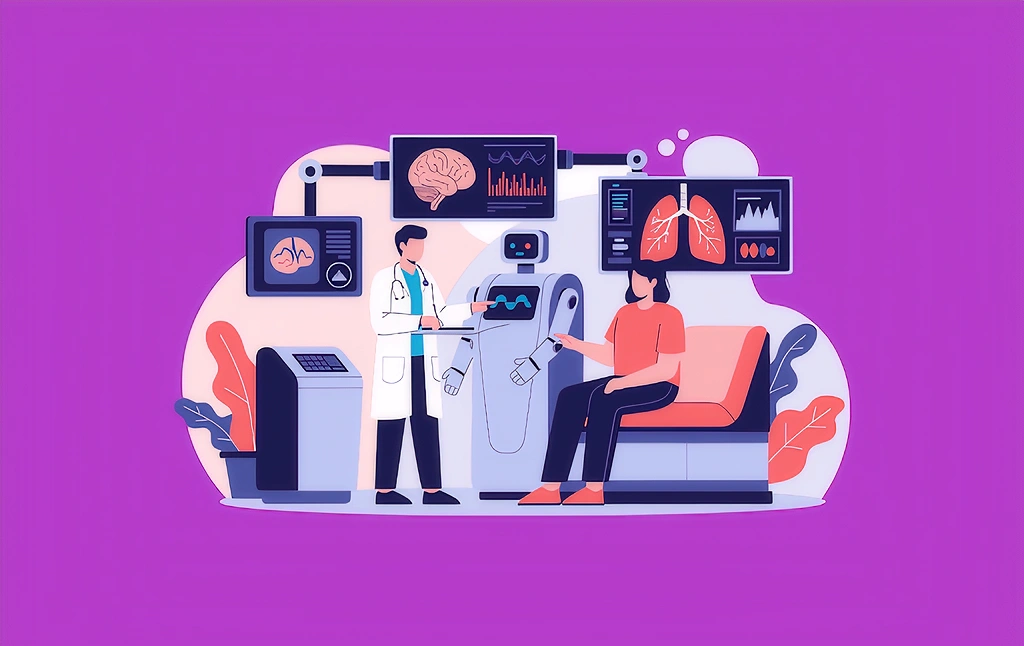
In Brief
- The Australian healthcare industry is implementing AI to overcome existing obstacles such as increased patient demands, shortages of personnel, rising costs, and poor accessibility in remote regions.
- AI is revolutionising the healthcare industry by enhancing its performance through processes like administrative automation, diagnosis of patients, remote patient monitoring, virtual health assistants, predictive analysis, and clinical decision-making systems.
- AI adoption by healthcare institutions comes with various difficulties, including issues regarding patient confidentiality, implementation costs, absence of competent AI personnel, complex regulations, and resistance to change.
- Effective implementation of AI in healthcare settings needs well-articulated business goals, quality healthcare data, working relationships with experienced AI professionals, conducting pilot tests, integrating new AI technology into workflows, and providing ongoing training for staff members.
- The future of AI applications in Australia will involve processes such as the use of AI to generate clinical documentation, AI-powered telemedicine, predictive analytics, precision medicine, robotic surgery, and remote patient monitoring.
- In general, AI adoption is fast becoming an important aspect of transforming the modern healthcare industry.
Australia’s healthcare system is under constant pressure to maintain high standards of care in the face of growing demand for patient care, workforce shortages, and rising operating costs. Moreover, the large geographic distances between communities, along with the rapid population growth, make it difficult to provide timely and equitable access to services.
The federal government has committed $7.9 billion to improve public hospitals and health services to ease pressure on hospitals and reduce waiting times. This investment is aimed at addressing key issues such as ambulance ramping, emergency department congestion, and long surgical waitlists. At the same time, a global shortage of health workers continues to constrain front-line capacity, affecting both access to care and the continuity of treatment.
In this environment, artificial intelligence is shifting from experimentation to real-world healthcare applications. AI solutions are increasingly used to automate administrative tasks, as well as for diagnostics, care coordination, and the provision of predictive insights to support clinical decision-making. AI-enabled healthcare models are also helping to extend access to rural and remote populations in Australia’s geographically dispersed country.
AI is no longer the future; it’s a practical necessity in a world with ever-increasing demand for healthcare. Providers and stakeholders are increasingly looking to implement solutions that improve efficiency, enhance patient outcomes, and make the overall system more robust.
How AI in Healthcare Is Improving Care Delivery in Australia?
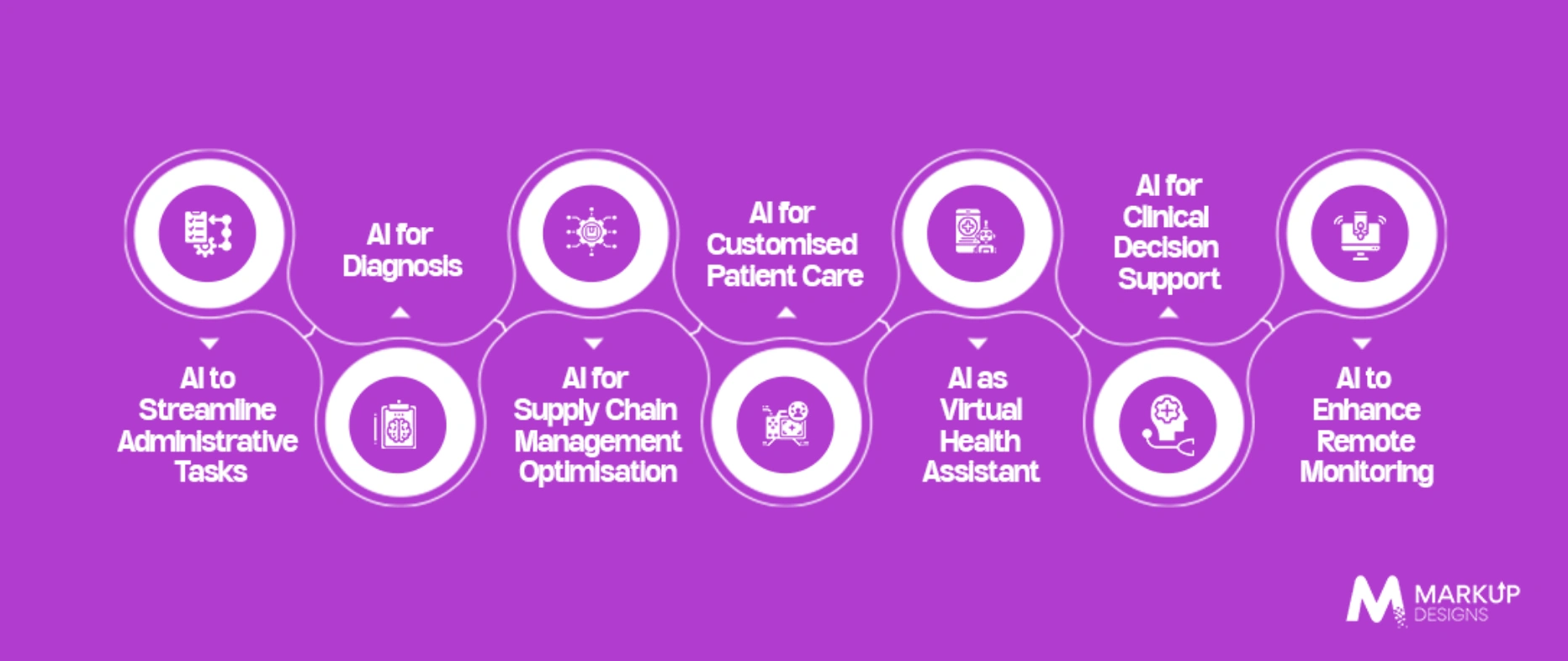
Artificial intelligence is rapidly becoming an essential part of modern healthcare systems. It is helping to streamline operations, allowing for more informed clinical decisions and improving the overall quality of care provided to patients. AI, in particular, helps Australian healthcare providers optimize clinical and operational workflows, analyse large and complex datasets, and automate repetitive administrative tasks to manage resources better and achieve better outcomes.
1. AI to Streamline Administrative Tasks
AI-powered systems are taking over those mind-numbing administrative jobs like scheduling, billing, and entering patient data. This takes a huge load off healthcare workers, allowing them to spend more time with patients. AI takes care of patient records, keeping data accurate, up-to-date, and easy to find when you need it.
2. AI for Diagnosis
AI is transforming the diagnostic field by analyzing medical images such as MRIs, CT scans, and X-rays. Advanced AI models can identify hidden patterns and detect potential health conditions at an early stage, helping doctors diagnose diseases like cancer, fractures, and cardiovascular disorders with greater accuracy and speed.
3. AI for Supply Chain Management Optimisation
The management of medical supplies is important in healthcare operations. AI enables healthcare facilities to monitor inventory, forecast their requirements, and automatically reorder supplies. This ensures that critical supplies are always on hand, while also minimising the costs associated with having too much or too little stock.
4. AI for Customised Patient Care
AI is transforming patient care by helping healthcare providers deliver more personalized and accurate treatments. By analyzing medical images such as MRIs, CT scans, and X-rays alongside patient data, AI systems can support faster diagnoses, identify potential health risks early, and help doctors create treatment plans tailored to each patient’s condition and medical history.
5. AI as Virtual Health Assistant
AI-powered virtual health assistants help patients manage their health by providing 24/7 access to information, the ability to book appointments, and even get answers related to health. These helpers make healthcare much more accessible, especially for people who live in remote areas or have difficulty moving around.
6. AI for Clinical Decision Support
AI is improving clinical decision-making by helping healthcare professionals analyze large volumes of patient data, medical records, and diagnostic reports more efficiently. By providing real-time insights and evidence-based recommendations, AI supports doctors in making faster, more accurate treatment decisions while improving overall patient outcomes.
7. AI to Enhance Remote Monitoring
One of the major applications of AI in healthcare in Australia is remote patient monitoring. AI-powered wearable devices and sensors provide real-time health monitoring, especially for patients with chronic conditions. These devices allow for tracking of vitals, alerting patients and physicians when something appears off, and can provide valuable data to help with early detection of issues.
Key Challenges Faced in AI Adoption in Australia
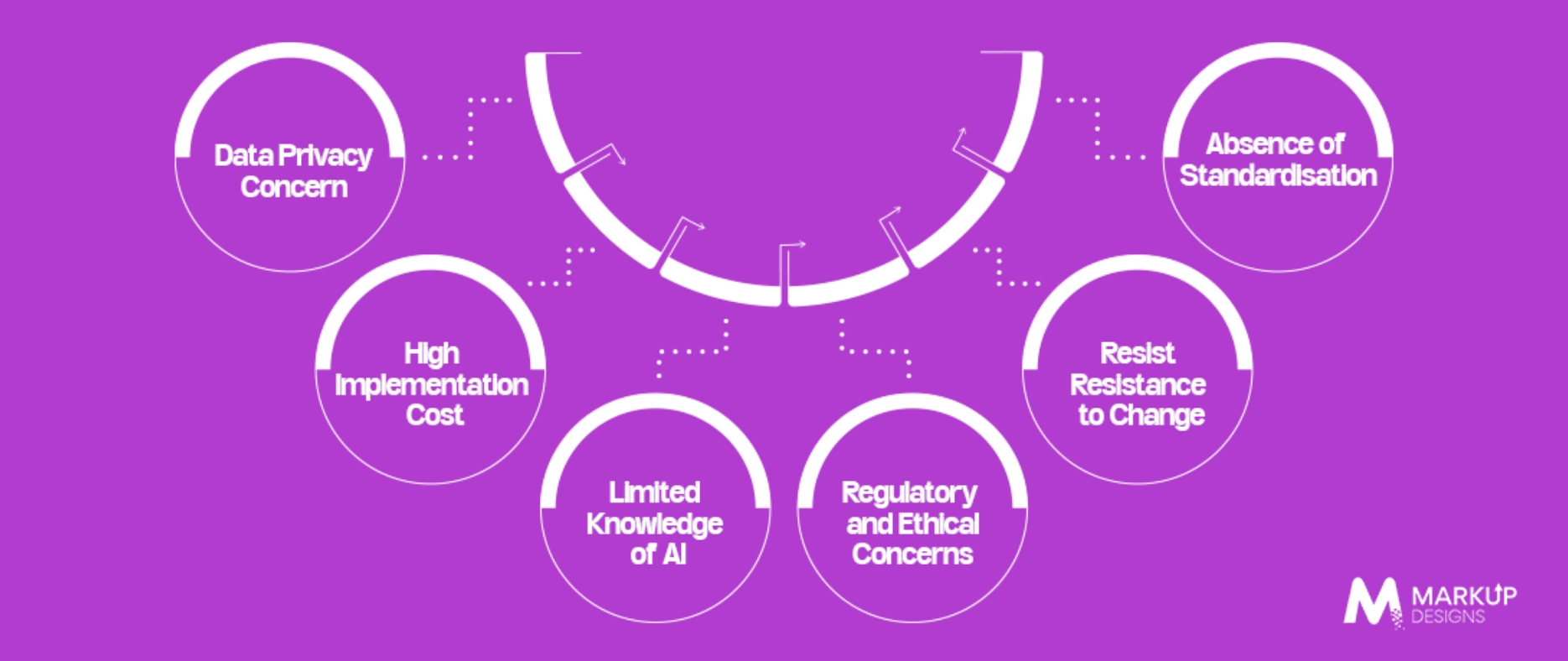
Although AI has the potential to transform Australia’s healthcare sector, large-scale adoption still comes with several challenges. Healthcare organisations often face issues related to data privacy, regulatory compliance, infrastructure limitations, integration with existing systems, and the shortage of skilled AI professionals. At the same time, the growing use of AI in diagnostics and patient care requires healthcare providers to ensure high accuracy.
- Data Privacy Concern
The use of AI in healthcare depends on a lot of patients’ data to work smoothly. This approach can improve patient outcomes, but it also raises some serious concerns about keeping data private and secure. Protecting sensitive health information from breaches and misuse is crucial, particularly in meeting Australia’s strict privacy laws.
- High Implementation Cost
Although AI can reduce costs and improve over time, the upfront costs of implementing AI in healthcare can be prohibitive for many Australian healthcare providers, especially smaller clinics and rural hospitals. Software, infrastructure, training and maintenance costs can be a big hurdle.
- Limited Knowledge of AI and Training
There is a real shortage of people with the skills for AI and health care technology to establish and manage AI systems in many Australian health care providers. AI solutions are not likely to hit their full potential without the right expertise.
- Regulatory and Ethical Concerns
The use of AI in healthcare comes with a host of ethical issues, especially when it comes to decision-making. When AI systems are used to support clinical decisions, they must be transparent, explainable, and accountable. The changing regulatory landscape in Australia around data privacy is also a challenge for organisations trying to adopt these technologies.
- Resist Resistance to Change
Like any major technological shift, AI adoption in healthcare can face resistance from professionals who are more familiar with traditional methods and workflows. Many healthcare providers, especially senior clinicians and administrative teams, may feel uncertain about integrating AI into daily operations due to concerns around trust, usability, and changes in established processes.
- Absence of Standardisation
Another major challenge with AI technologies is a lack of actual standardisation across the healthcare industry. There are so many different AI tools and platforms available, it can be difficult for healthcare organisations in Australia to choose the right one, especially without clear guidelines on which systems are best.
Know the Right Approach to Integrate AI in Healthcare Operations
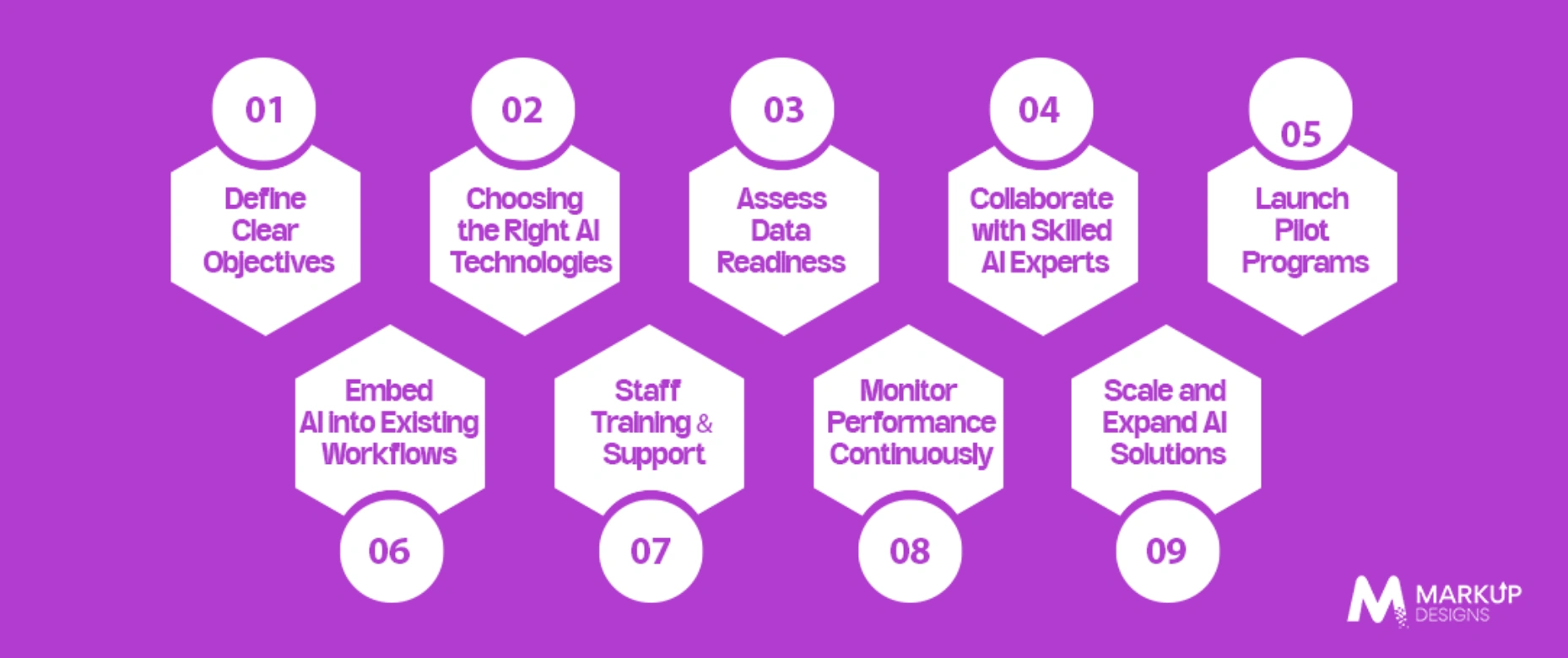
When you are looking to integrate AI into core healthcare operations, it is one of the best decisions in modern competition. This is because AI can make things better, simplifies complex tasks and help in cutting costs. Now, the question comes: how to integrate AI? Know the right approach so that healthcare businesses can make the best use of AI.
Define Clear Objectives
Begin by pinpointing the operational issues in your healthcare organisation that AI can successfully solve. Whether the goal is to improve diagnostics, make resource allocation more efficient or improve patient outcomes, clearly defined goals will provide direction for a successful AI implementation strategy.
Choosing the Right AI Technologies
Select AI solutions that match your operational needs and long-term health care goals. This could include AI-powered diagnostic tools, predictive analytics, automation solutions and other AI applications in healthcare that aim to enhance efficiency and patient care delivery in Australia.
Assess Data Readiness
AI systems need to be fed with accurate, structured and high-quality data to perform well. Ensure your organisation can access trusted information from EMR/EHR systems and other clinical data sources. At the same time, make data privacy, governance and security a priority so that you are complying with regulatory compliance.
Collaborate with Skilled AI Experts
Healthcare organizations should work with experienced AI consultants and technology partners who understand the complexities of AI implementation in the healthcare sector. Their industry expertise can help businesses choose the right AI solutions, customize them according to operational needs, and integrate them smoothly with existing healthcare systems and workflows.
Launch Pilot Programs
Start with a small pilot project and then scale AI across the organisation. This enables healthcare providers to assess the performance of the AI solutions, pinpoint areas for improvement, and quantify the impact on operational performance and patient care outcomes.
Embed AI into Existing Workflows
Once pilot testing is successful, begin to implement AI tools in wider healthcare operations gradually. AI solutions, whether applied to administrative automation, patient management or clinical decision support, need to integrate smoothly into existing workflows to ensure maximum efficiency and usability.
Staff Training & Support
The success of AI adoption will depend on how well the technology can be used by healthcare professionals. Develop comprehensive training programs to help teams learn about AI tools, improve decision-making, and increase the quality of patient care delivery.
Monitor Performance Continuously
Regular monitoring is needed to ensure that AI systems are producing the expected results. Track key performance indicators, regularly review results, and optimise AI models and processes for better efficiency, accuracy, and long-term value.
Scale and Expand AI Solutions
Once there is measurable success from the implementation of AI, expand the use of AI to other areas in the healthcare ecosystem. AI can assist in supporting broader digital transformation initiatives throughout the organisation, from operational management to patient engagement and preventative care.
The Future of AI in Australian Healthcare
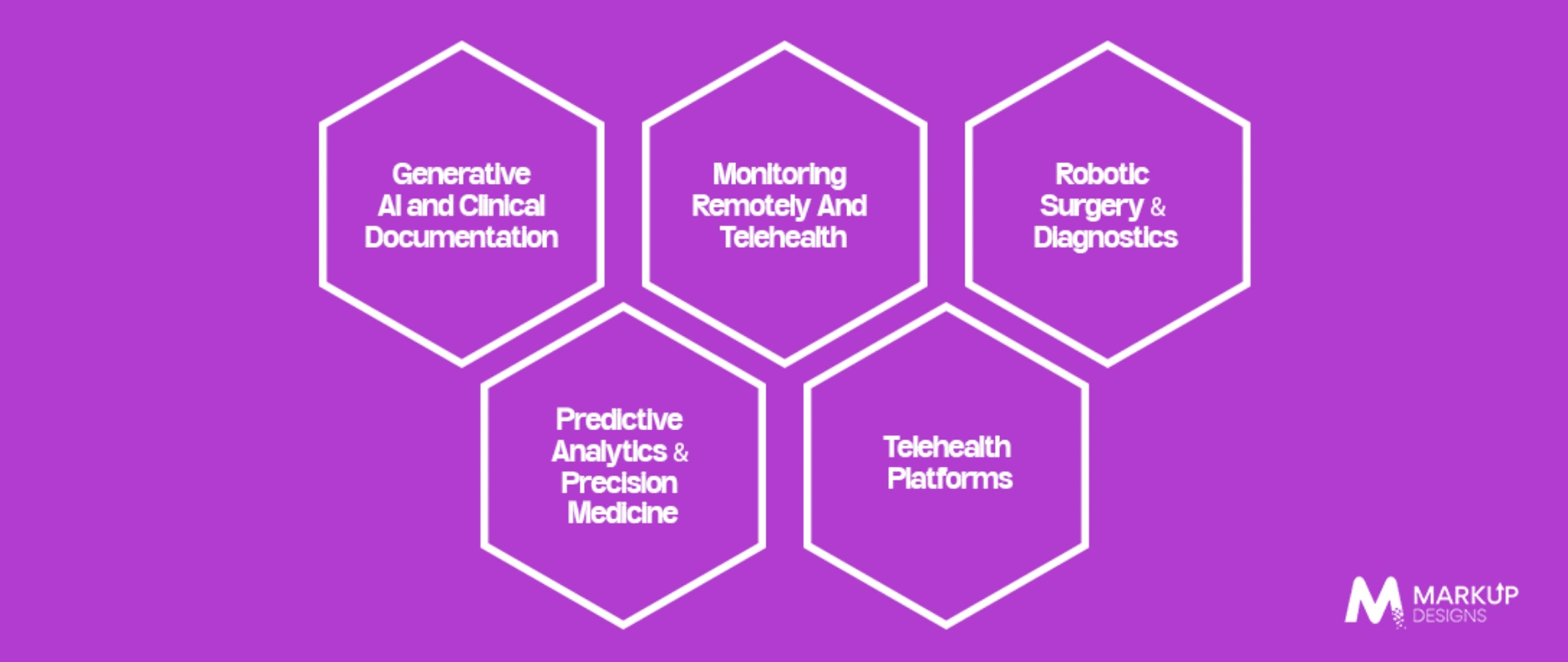
As AI continues to progress and innovate, the healthcare environment in Australia is preparing for even more significant changes. We are beyond the first experimental uses and into a future where AI is embedded into the whole system, from the operating room to the country-wide health strategies. Here are the key trends shaping the future of AI healthcare in Australia:
Generative AI and Clinical Documentation
Generative AI is revolutionising clinical documentation, automating consultation transcription, generating treatment summaries and freeing healthcare professionals from repetitive administrative tasks. These AI-powered tools enable general practitioners, specialists and psychologists to save time, improve the accuracy of documentation and spend more time on patient care.
Predictive Analytics & Precision Medicine
AI-powered predictive analytics allow healthcare providers to deliver more proactive, personalised patient care. Hospitals and health care institutions are applying machine learning models to identify health risks, including hospital readmissions, disease progression, and early signs of conditions such as sepsis, before they become critical.
Monitoring Remotely And Telehealth
The combination of AI with wearable devices, IOT sensors and telehealth platforms is revolutionising remote patient monitoring and improving access to healthcare services throughout Australia. AI systems can monitor patient health data in real-time, helping healthcare providers to track chronic conditions, detect abnormalities early, and reduce unnecessary hospital visits.
Robotic Surgery & Diagnostics
AI is advancing diagnostic accuracy and surgical precision across the Australian healthcare sector. Advanced AI algorithms help radiologists and clinicians to analyse medical images like MRIs, CT scans and X-rays faster and more accurately, allowing for earlier disease detection and better treatment planning.
Telehealth Platforms
Moving forward, AI in healthcare in Australia will enhance the telehealth experience through real-time diagnostics, virtual triage and intelligent care routing that personalises treatment while improving access, particularly in rural and regional areas.
How Markup Designs will Help You Improve Your Healthcare Ecosystem?
Our company merges experience in the healthcare field with sophisticated AI systems to provide innovative and customised healthcare solutions to meet modern patients’ requirements. We assist healthcare organisations in increasing efficiency and optimising patients’ treatment using AI-based solutions throughout all stages of implementation and integration into existing processes.
Transform Healthcare with AI-Powered Solutions
Modernise your healthcare operations with intelligent AI solutions that improve patient care, streamline workflows, and drive operational efficiency. Leverage scalable, secure, and future-ready technologies tailored to the evolving needs of the healthcare industry.

Conclusion
By now, it is clear that integrating AI into healthcare ecosystems can significantly improve patient care delivery and operational efficiency. In Australia, AI is reshaping the healthcare sector by streamlining administrative processes, enhancing diagnostic accuracy, enabling predictive analytics, and supporting more personalised treatment plans. From remote patient monitoring to AI-powered clinical decision support systems, these technologies are helping healthcare providers address critical challenges such as workforce shortages, rising patient demand, and increasing operational complexities while delivering faster and more effective care.
FAQs
1. How is AI used in healthcare in Australia?
AI is used in Australian healthcare for diagnostics, predictive analytics, administrative automation, telehealth, patient monitoring, clinical decision support, and personalised treatment planning.
2. What are the benefits of AI in healthcare?
AI helps improve operational efficiency, reduce administrative workload, enhance diagnostic accuracy, support better clinical decisions, improve patient outcomes, and expand healthcare accessibility.
3. Is AI safe for healthcare data management?
Yes, when implemented correctly, AI systems can securely manage healthcare data using encryption, access controls, and compliance with Australian healthcare data privacy regulations.
4. What challenges do healthcare organisations face when adopting AI?
Some major challenges include high implementation costs, data privacy concerns, lack of AI expertise, integration complexity, regulatory compliance, and resistance to technological change.
5. How can healthcare providers successfully implement AI?
Healthcare providers can successfully implement AI by defining clear objectives, assessing data readiness, launching pilot programs, training staff, and partnering with experienced AI solution providers.
6. What is the future of AI in Australian healthcare?
The future of AI in Australian healthcare includes advancements in predictive analytics, generative AI, robotic surgery, telehealth, remote patient monitoring, and personalised medicine.
Author's Perspective
Artificial intelligence is no longer a distant dream in the world of healthcare but an actual solution to the various problems facing this industry. In light of all the growing challenges that come along with operating in the field of healthcare, artificial intelligence provides the answer to these issues. For AI to work well in practice, more things are needed rather than just technology. Healthcare organisations need a coherent strategy, an effective data ecosystem, proper implementers, and compliance with all applicable laws and regulations. The organisations that embrace AI in a considered and purposeful manner can be better positioned for the future of digital health care in Australia.
Discuss Your Project NowGaurav Goyal
Global Sales- VP
Related Posts
How AI is Revolutionising Industrial Automation in Australia

How UK Enterprises Can Build an Effective AI...

AI Voice Agent for Real Estate: Features, Benefits,...
Insights Are Valuable & Execution is Priceless
You’ve read about the digital future. Now, let’s build the infrastructure to take you there. Move your strategy from the page to the product.
Design Your Solution Now
Contact Us
Schedule The Appointment At Your Convenience Date And Time.
30 Min
Web Conference
Time Zone
Indian standard time (08:30pm)

Thanks For Getting In Touch!
You’ve Taken The First Step Toward Transforming Your Digital Presence. Our Experts Will Reach Out Shortly To Take It Forward.
Launch Your Dream Project
Provide a brief overview of your project, and our specialists will evaluate your requirements. We will connect with you to explore how the right digital solutions can help you launch faster.