

In Brief
- The video-sharing applications enable users to generate, upload, view, discover, and share various kinds of videos, like short videos, live video streaming, educational video content, and long video content.
- Features will consist of a user profile, video recording and upload capability, video editing tools, personalized recommendations, search capability, socializing tools, notifications, and moderation.
- Developing the video sharing app will entail requirements analysis, user interface/user experience (UI/UX) design, app development, video infrastructure integration, testing, deployment, and maintenance.
- The cost associated with building such an application is likely to be between $30,000 and $250,000+ for more advanced ones, depending on features and other parameters.
- Video-sharing applications have several monetization options available to businesses: advertising, subscriptions, in-app purchases, premium content, and creator monetization.
Video content has become one of the most common tools to communicate, learn, entertain, and exchange thoughts on the internet. Due to the availability of video-sharing websites and apps, numerous business owners received a chance to reach out to their target audience using various types of videos. With the increasing use of smartphones and internet connectivity, there is an increased need for high-quality video services.
However, building a good video-sharing application does not mean adding the ability to upload and watch videos to your business product. User experience, video discovery, video storage, performance, security, scalability, and revenue are among the elements that should be taken into account when planning the development of a video-sharing app.
In this blog post, we will discuss the key components of video-sharing app development, including the list of necessary features, types of video-sharing platforms, development process, architecture, costs, challenges, and opportunities for monetizing.
What is a Video Sharing App?
A video-sharing application is a digital tool that enables its users to generate, upload, view, and share videos from their smartphones or any other internet-enabled device. The content on these sites may be of various types, like short videos, long videos, live videos, tutorials, product videos, and user-generated videos.
From the user’s point of view, the process becomes quite simple. The user logs in or signs up for the service, creates videos or uploads videos, edits the videos, and publishes the video content along with a description or hashtag. Users also become part of the interaction by liking, commenting, following, or subscribing to videos.
Video-sharing applications may be utilized by corporations in various ways. This could mean a company developing a social video network, creator community, educational application, or branded content network depending on their target audience and business model.
A good video sharing application needs to integrate an easy-to-navigate user interface along with high-quality video processing, smooth streaming capabilities, content discovery, secured database, and user retention features.
Types of Video Sharing Apps
Video sharing applications are not restricted to any particular form. Organizations can use different models depending on what kind of content they want their users to view and share. Types of content may include the following:
Short Form Video Applications
In these applications, there is a focus on short videos that users can view, produce, and share. The features used in such applications may include personalized feeds, filters, music, hashtags, and recommendations.
Long Form Video Applications
Such applications include videos like movies, tutorials, interviews, educational videos, product demonstrations, and similar videos. Long-form video applications require proper content storage, streaming, and management.
Live Streaming Apps
Live streaming applications enable people, content producers, or companies to transmit information live to an online audience. Live chats, virtual presents, notifications, and other interactive features can be added to these applications.
Social Video Sharing Applications
The main function of such applications is a combination of video sharing and social networking. People are able to subscribe to certain content providers, create profiles, comment on videos, and share information.
Educational Video Applications
Educational applications concentrate primarily on educational videos, classes, tutorials, and training. Such applications might have additional features like quizzes, tracking of the user’s progress, subscription services, and learner dashboards.
Essential Features of a Video Sharing App
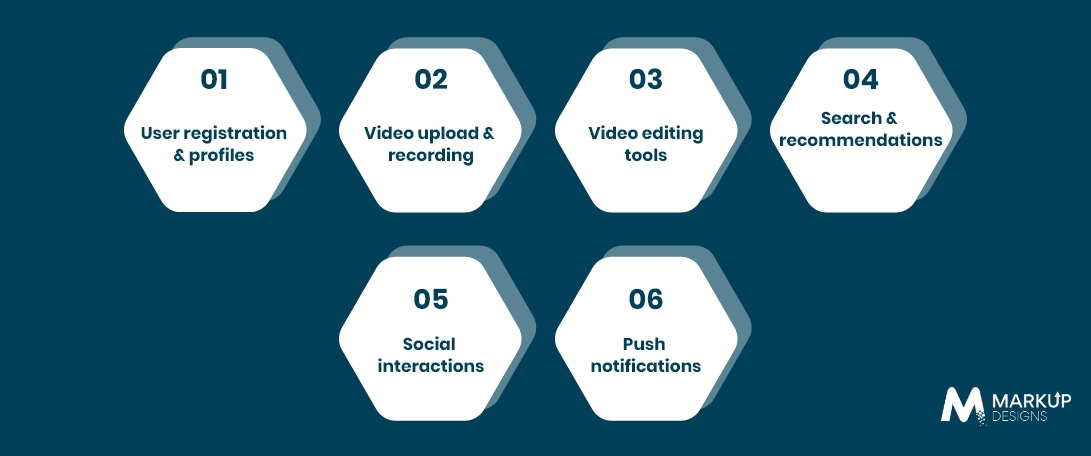
Selection of proper features is essential to provide a hassle-free experience of a video sharing service. The selection of features may differ according to the purpose of the application. However, there are certain features that can be common to almost all applications.
1. User Registration & Profiles
Users should be able to sign up through email, phone numbers, or social accounts. Profiles can include photos, bios, uploaded videos, followers, and other account details.
2. Video Upload & Recording
Users should be given the choice either to record videos or to upload them. There could be several video formats to facilitate the video recording and uploading process.
3. Video Editing Tools
Basic video editing capabilities like trimming, cropping, filters, effects, music, text, and transitions can aid users in improving their content before posting it online.
4. Search & Recommendations
The search feature enables users to find relevant videos, creators, and topics. The recommendation feature uses viewership trends to provide relevant content suggestions.
5. Social Interactions
Features such as likes, comments, sharing, following, saving, and mentions will motivate users to engage with the content and create communities for creators and topics.
6. Push Notifications
Users can be notified of new content uploads, comments, followers, live streams, messages, and other such events via push notifications.
Step-by-Step Video Sharing App Development Process
The development of a video-sharing application needs to be done meticulously in each phase. An organized approach allows companies to develop a video sharing application that is highly efficient and meets their expectations.
Define Requirements
First, one needs to figure out the intended audience, media format, business model, functionalities, and platforms for the development of such an application.
Design the UI/UX
Designing interfaces that will facilitate registration of users, creation of videos, feeds, profiles, searching for content, and many other tasks will have to be done.
Develop the App
The development of various parts of the application, including the frontend, backend, API’s, database, video processing, etc., will be done in the development phase.
Integrating Video Services
Incorporate cloud storage, video encoding, video streaming, CDN, analytics, and any other required services that will ensure a seamless video distribution and management process.
Test the Platform
Conduct tests to check the app for functionality, performance, security, compatibility, video playback, video upload, and various types of networks.
Launching and Maintenance
Launch the app on the selected platforms and continuously monitor its performance. The app can be further improved through regular updates and other improvements.
Have an idea for a video-sharing platform?
Partner with an experienced development team to turn your concept into a secure, engaging, and scalable application built around your business goals.

Factors Affecting Video Sharing App Development Cost
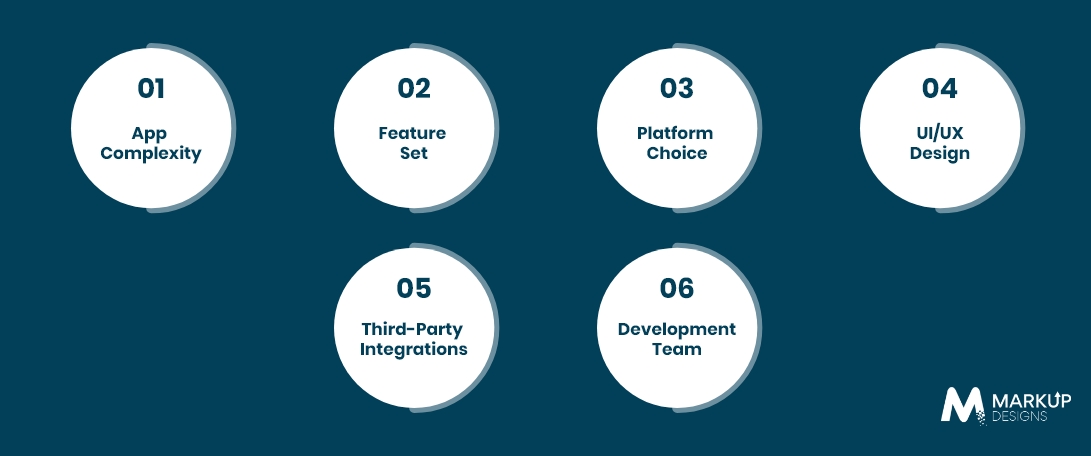
The cost of developing a video sharing application may differ greatly depending on the number of features implemented into the application as well as their functionality and technology involved in development. Here are the main factors that influence the cost of creating a video sharing application:
App Complexity
A simple application will cost you less than an application that supports live broadcasting, artificial intelligence suggestions, video editing, and other features.
Feature Set
More features require additional design, development, testing, and integration work, which can increase the overall budget.
Platform Choice
Whether you will develop an application for iOS, Android or both will influence the price. In some cases, cross-platform development is taken into account.
Ui/Ux Design
A highly interactive user interface with unique animations, video feeds, editing pages, and a customized experience can involve higher design efforts.
Third-Party Integrations
The needs in terms of storage, encoding, streaming, content distribution network (CDN), bandwidth, and content delivery infrastructure can significantly affect development and operational costs.
Development Team
The location, skill set, and size of the development team may affect development speeds. In addition, experienced teams can also help cut long-term costs by creating a more robust platform.
Estimated Cost to Develop a Video Sharing App
The cost of developing a video-sharing application depends on many factors such as the complexity of the application, the set of features of the app, the platform for which the application is developed, the tech stack required for development, and the development team. The MVP may cost less than an advanced platform.
| App Type | Estimated Development Cost |
| Basic Video Sharing App | $30,000–$60,000 |
| Medium-Complexity App | $60,000–$120,000 |
| Advanced Video Platform | $120,000–$250,000+ |
These basic functionalities are contained within the basic application: Registration, Profile Creation, Video Upload, Video Play, Likes, Comments and Share. Medium complexity platforms may also include functionalities such as advanced search, Notifications, Video Editing, Analytics, and Video Feed.
Enterprise-level applications may include the following functionalities: Live Video Stream, Intelligent Video Recommendation, Content Moderation, Advanced Analytics, Integration, High-Performance Infrastructure, and Security.
However, enterprises will need to factor in their ongoing costs which include Cloud Storage, Bandwidth, CDN, Maintenance, Security, and Feature Upgrades.
Common Challenges in Video Sharing App Development
The development of a video sharing app is accompanied by a variety of challenges, which have to be resolved. Proper planning concerning these issues will be able to facilitate the creation of a stronger application.
Managing Large Video Files
Videos imply the usage of substantial storage space and computing resources. Compression, encoding, and cloud storage may become part of managing big video files.
Ensuring Streaming Efficiency
The fast loading of videos without disruptions is expected by users. These needs can be addressed by integrating CDN and adaptive streaming.
Content Moderation
The fact that there will be user-generated content implies that there can be problems, including misleading, copyrighted, or any other inappropriate video. This problem can be solved by content moderation through the use of automated moderation tools.
Scalability
To be able to accommodate a growing number of users and video uploads, the application requires an infrastructure that is capable of handling increased load.
Security
It is necessary that the accounts and personal data, along with uploads, should be secured through proper means. There is a need for effective user authentication, encryption, access control, and security tests.
User Retention
Since there are numerous video-sharing sites that compete against each other, retaining users can be difficult. It is possible through personalized recommendations, social engagement, and fresh content.
Monetization Strategies for Video Sharing Apps
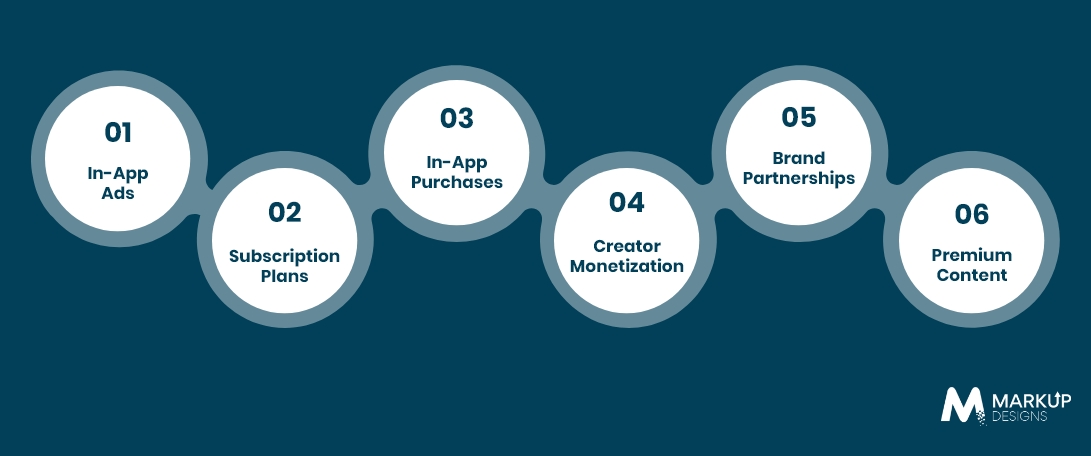
A video-sharing application can make money using various models. The key is to select the appropriate model based on the target demographic and overall business plan.
1. In-App Ads
Advertisements, banners, sponsored posts, and native ads can all be used. Revenue may be made by generating impressions, clicks, or viewing the entire advertisement.
2. Subscription Plans
This is about getting paid a monthly or annual subscription fee by users to access special content without ads.
3. In-App Purchases
There could be in-app purchases for virtual gifts, advanced editing features, digital goods, and other paid content.
4. Creator Monetization
Creators can generate income through subscription fees, virtual gifts, paid content, and more, which might even lead to more creators creating content on the platform.
5. Brand Partnerships
Brands could partner with creators to conduct branded marketing campaigns aimed at selling their goods and services.
6. Premium Content
Premium content like videos, classes, events, live streaming, and other premium content could be placed behind a paywall, allowing the brands to charge for the premium content.
Why Choose a Professional Video Sharing App Development Company?
Creating a video-sharing app is a task that necessitates expertise in the following fields: creation of the app itself, video technologies, cloud services integration, security issues and user experience design. Collaboration with a professional software development firm could assist companies in meeting all these requirements.
Technical Expertise
The specialists will possess the needed technical expertise in video uploading, processing, streaming, storing, APIs, and app scalability.
Scalability
Professional developers will be able to create a scalable architecture that would be able to cope with an increasing number of users, videos, and traffic.
Better Security
In addition to partnering with the developer of your application, you will be able to secure your application and safeguard the information and content in your platform.
Efficient Development Process
With an effective development team, you will be assured of a development process that will not encounter any unneeded delays.
Third Party Integration
Sometimes, video sharing platforms find it necessary to integrate their applications with other applications such as the payment gateway, cloud service, social media applications, and others. With experienced developers, third-party integration is handled quite efficiently.
Post-development Support
Development of an application is not only about the launch, but it entails various other activities such as performance and maintenance of the application.
Ready to build a video-sharing platform?
Work with an experienced video-sharing app development team to create a secure, scalable, and engaging solution that can grow with your business.

Conclusion
Video sharing apps are the elements of the modern digital landscape that will enable businesses to form communities, communicate with their clients, and generate revenue. At the same time, the creation of such software requires a lot more than simply creating the ability to upload and play videos.
User accounts, editing features, recommendations, social elements, cloud-based services, video streaming everything must function properly for it to be called a success. One needs to consider scalability, content management, performance, and infrastructure costs before moving on to development.
The cost could be different depending on some factors, including the functionality list, platforms for which the application will be created, architecture, technologies used, and the number of development tools. In case you want to test your ideas and spend time on the development of your product, then MVP could be a good option.
A video-sharing application, created according to the proper plan and development process, will be a good instrument for use and development.
FAQs
1. What is the price of building a video-sharing application?
It can vary from $30,000 for a simple MVP to $250,000 or even more for an advanced solution. The price will depend on features, platforms, integration, architecture, and development needs.
2. How long does it take to build a video-sharing application?
The development of a simple video-sharing MVP can take about 3–5 months; the development of an advanced video-sharing platform can take from 6 to 12 months and even longer.
3. What are some core features of a video-sharing app?
Core features of a video-sharing app can include user registration, user profiles, video recording and uploading, video editing, video feeds, searching, recommendations, liking, commenting, sharing, notifications, and content moderation.
4. What is the technology that goes into video-sharing app development?
The technology stack includes mobile application development, backend development, database technology, cloud storage solutions, CDN services, video processing technologies, APIs, analytics, and security technologies.
5. How can a video-sharing app generate revenue?
Some monetization strategies for video-sharing apps include advertising, subscriptions, in-app purchases, premium content, creator monetization, and brand partnerships.
Author's Perspective
Video-sharing app development requires a balanced approach to technology, design, performance, and user needs. A successful platform should offer a smooth viewing experience while supporting secure content management and future growth. Businesses should focus on essential features first and build a strong technical foundation. With proper planning, reliable infrastructure, and continuous improvements, a video-sharing app can create lasting user engagement and support sustainable business opportunities in a competitive digital market.
Discuss Your Project NowGaurav Goyal
Global Sales- VP
Related Posts

Navigation App Development Guide: Building GPS Apps Like...

iOS vs. Android App Development in Abu Dhabi:...

How AI-powered App Development is Transforming Mobile Apps...
Insights Are Valuable & Execution is Priceless
You’ve read about the digital future. Now, let’s build the infrastructure to take you there. Move your strategy from the page to the product.
Design Your Solution Now
Contact Us
Schedule The Appointment At Your Convenience Date And Time.
30 Min
Web Conference
Time Zone
Indian standard time (08:30pm)

Thanks For Getting In Touch!
You’ve Taken The First Step Toward Transforming Your Digital Presence. Our Experts Will Reach Out Shortly To Take It Forward.
Launch Your Dream Project
Provide a brief overview of your project, and our specialists will evaluate your requirements. We will connect with you to explore how the right digital solutions can help you launch faster.