

In Brief
- AI virtual health assistants employ NLP and machine learning techniques to engage with patients, offer health information, manage appointments, remind patients about appointments, and integrate with the healthcare system and wearable devices.
- The most common use cases of AI virtual assistants in the healthcare industry include symptom assessment support, around-the-clock assistance for patients, appointment scheduling, reminders about taking medications, remote patient monitoring, personalized health advice, post-treatment follow-ups, and psychological support for patients.
- The advantages of using AI virtual assistants in the healthcare industry include enhanced patient engagement, around-the-clock availability of help, decreased administrative workloads, personalized assistance, increased medication adherence rates, and improved operational efficiencies.
- The implementation of AI assistants requires careful consideration of patient privacy, AI accuracy, healthcare system integration, compliance with regulations, accessibility of the assistant to users, and clinical supervision of the assistant.
- Future trends in the development of AI assistants in the healthcare industry will include predictive healthcare, multimodal AI, voice-based and multilingual assistants, AI agents, and connected healthcare ecosystems.
Healthcare is becoming increasingly connected and technology-dependent. There are telemedicine services, electronic health records, and many other applications of technology in managing the delivery of healthcare services. However, at the same time, medical organizations face difficulties related to the growing number of requests from patients, managing appointments, communication after consultation, and supporting patients. Manual performance of these activities may be a burden for medical staff.
This is where AI-powered virtual health assistants come into play. Such software applications assist patients in obtaining health-related information, managing appointments, receiving reminders about medications, and communicating with medical organizations. Moreover, such assistants can assist healthcare providers in conducting regular activities and improving communication with patients.
In light of expanding needs in healthcare and emerging technologies in the healthcare sector, virtual assistants are becoming increasingly helpful as a component of digital healthcare solutions. In this blog post, we will discuss how AI virtual health assistants function, their use cases and benefits, implementation problems, and future trends regarding these assistants in healthcare.
What are AI Virtual Health Assistants in Healthcare?
AI Virtual Health Assistants are intelligent digital systems based on artificial intelligence algorithms that facilitate patient or healthcare provider management of various healthcare processes. The interaction with the user is carried out via text or voice messages, as the system analyzes patient requests and provides appropriate information or assistance in line with the user’s needs.
Thus, they may assist patients in performing routine healthcare activities like appointment scheduling, medication adherence, basic knowledge about health conditions, and follow-up reminders. More advanced systems can be integrated into EHRs and even wearable devices or remote patient monitoring systems to make personalized care possible.
While traditional chatbots rely mostly on pre-programmed responses, AI-driven virtual assistants are capable of using technologies like Natural Language Processing (NLP) and machine learning for better comprehension of the user’s request.
For healthcare providers, these tools can decrease the amount of administrative work and improve patient communication. Still, their aim is to facilitate the work of healthcare specialists rather than substitute for medical practice, diagnosis, and decision-making.
How Do AI Virtual Health Assistants Work?
Virtual health assistants of artificial intelligence integrate various types of technologies that allow them to perceive and analyze patients’ requests, acquire information, and provide appropriate help. The technology is a process that enables patients to access healthcare assistance more conveniently.
The following are the main types of technologies used by virtual assistants and the processes involved:
Natural Language Processing (NLP)
This process helps virtual assistants to comprehend human speech regardless of whether a patient communicates with a virtual assistant via text or voice messages. It helps to recognize the questions and intentions of users.
Machine Learning
Machine learning enables AI assistants to recognize patterns from the data available to them and enhance their performance. Machine learning also makes it possible to generate recommendations that are customized to the patients.
Electronic Health Record Integration
When virtual assistants connect to electronic health record systems, they can access information relating to the patients, including prescription information and appointments.
Integration with Wearables
Artificial intelligence assistants can interface with wearables and other healthcare monitoring devices to get data such as heart rate, physical activity level, and blood pressure, as per the features offered by the device.
Automatic Alerts/Notifications
These can be sent as medication reminders, appointment reminders, and alerts to follow up. The system can also highlight any alarming data on the basis of pre-defined criteria.
Data Analysis and Personalization
AI systems analyze relevant patient information to provide context-aware health guidance, educational resources, and support based on individual needs.
Top Use Cases of AI Virtual Health Assistants in Healthcare
AI health assistants using AI technology are applied in various healthcare services, from communication to remote monitoring. Such technologies enable healthcare professionals to simplify repetitive tasks as well as increase the accessibility of healthcare services.
Here are some important use cases:
Symptom Evaluation and Care Navigation
AI virtual assistants can inquire about the patient’s symptoms, gather basic details, and assist in navigating patients to proper healthcare services. While AI virtual assistants can inform patients when to contact healthcare professionals, they cannot be considered a substitute for medical diagnosis.
24/7 Availability for Patients
Patients might have queries regarding their medications, appointments, healthcare services, and other things at any time outside the working hours of clinics. Virtual assistants can offer them 24/7 access to the proper health information.
Booking and Appointment Management
Virtual assistants can help patients book, reschedule, or cancel appointments. They can also send reminders and provide appointment-related updates, reducing repetitive administrative work for healthcare staff.
Medication Reminders and Adherence Assistance
Patients may at times miss out on the medication regimen or follow-up procedures. Artificial intelligence assistants are able to remind the patient and provide instructions on medication.
Remote Patient Monitoring
AI virtual assistants are capable of integrating with medical devices and wearables in order to capture patient information. This will include the monitoring of patients’ blood pressure, glucose levels, and heart rates, among other chronic health parameters. Information that is deemed concerning can be reviewed by the clinician.
Personalized Health Recommendations
Based on the authorized data from the patient and guidelines from the clinicians, AI assistants are able to share wellness and prevention tips.
Post-Treatment and Post-Surgical Follow-Ups
Following treatment and surgical procedures, patients will require constant reminders and follow-up procedures. Virtual assistants are able to obtain patient status and discharge instructions, among others.
Mental Health and Emotional Well-being Assistance
AI-assisted tools may provide assistance in breathing exercises, wellness information, and emotional support to some extent. But when it comes to finding professional help for mental well-being, it is necessary to have appropriate guidelines to be followed.
Key Benefits of AI Virtual Health Assistants in Healthcare
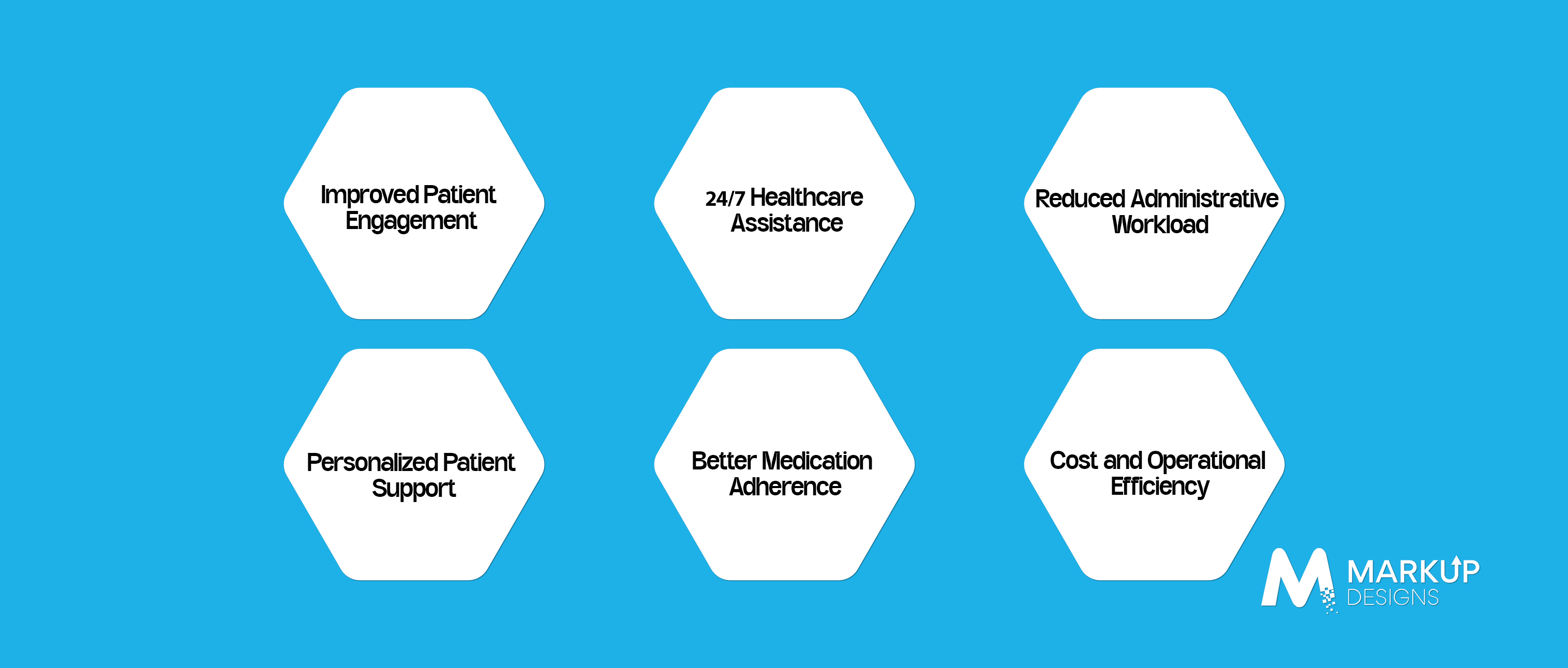
AI virtual health assistants provide various advantages for both patients and doctors. They ease the process of interaction in healthcare, improve communication, and assist in the work of doctors on a daily basis.
Here are some key benefits:
Improved Patient Engagement
These assistants facilitate engagement between patients and the care providers through reminders, follow-ups, and answers to frequently asked questions. It fosters engagement from the patients.
24/7 Healthcare Assistance
At times, patients require healthcare outside the hospital’s working hours. These assistants give access to information about health, appointments, and other help around the clock.
Reduced Administrative Workload
Activities like scheduling appointments, patient registration, reminder services, and answering queries eat up a lot of the staff’s time. AI assistants perform these tasks, hence releasing healthcare professionals from administrative duties.
Personalized Patient Support
Using authorized information on the patients, AI assistants give personalized reminders and educate patients.
Better Medication Adherence
A missed medication schedule may have an impact on the progress of treatment. The virtual assistant will be able to give timely reminders and reiterate what the clinicians have instructed patients to do.
Cost and Operational Efficiency
The virtual assistant will be able to deal with multiple conversations with patients at one time. This will allow health care organizations to communicate more effectively.
Challenges of Implementing AI Virtual Health Assistants
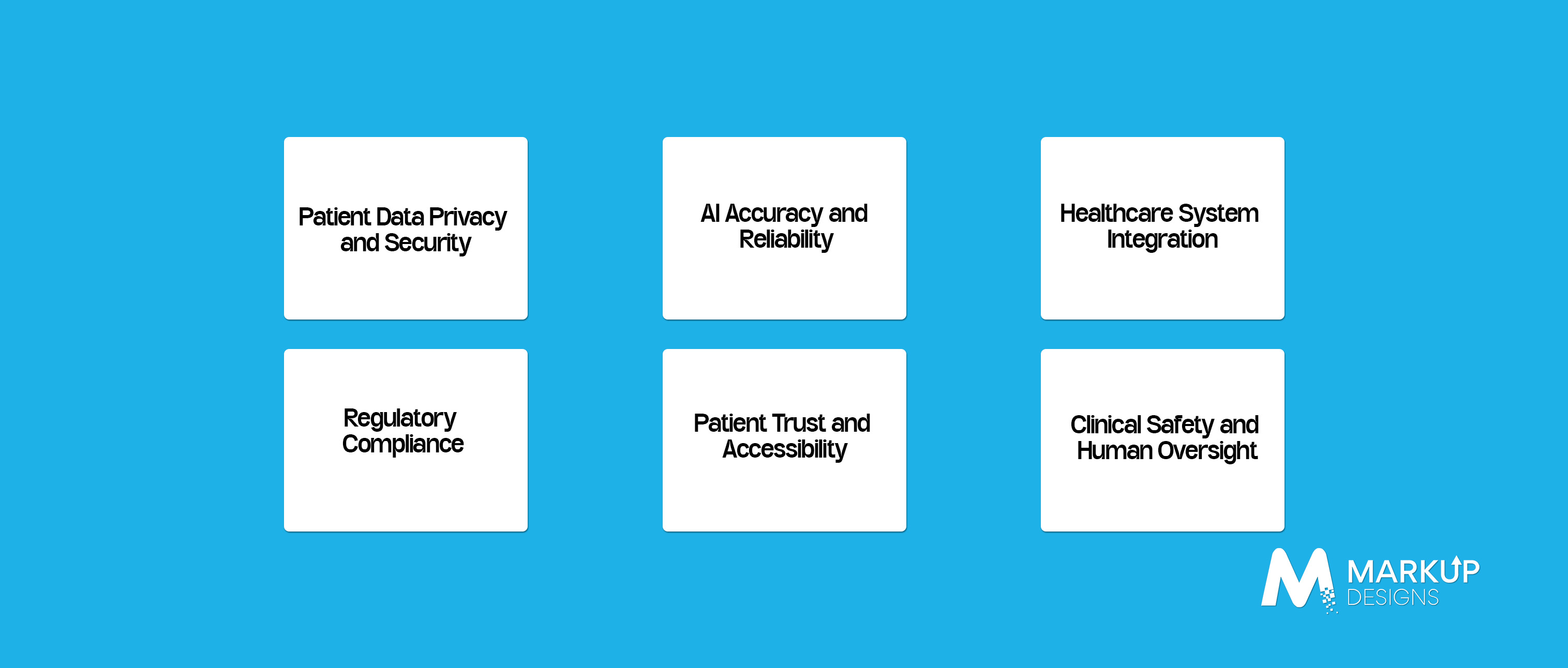
Though AI-based virtual health assistants have many strengths, their integration into the healthcare system calls for due consideration. There are several challenges that must be overcome for healthcare institutions to make these solutions reliable and safe.
Here are some common challenges:
Patient Data Privacy and Security
Since virtual assistants may process sensitive information such as a patient’s medical history, medication list, and other personal data, it is crucial that a healthcare organization has appropriate security, control, and data protection mechanisms in place.
AI Accuracy and Reliability
There is a possibility of an AI assistant misunderstanding a patient or giving an inaccurate response to their request. The lack of accuracy can become a risk factor when it comes to decisions that may be made based on the obtained response.
Healthcare System Integration
The integration of AI assistance into the current systems, such as EHRs, hospital administration systems, telemedicine applications, and wearable devices, may be quite difficult to manage. This process should be done properly to avoid incomplete information.
Regulatory Compliance
In order for a healthcare organization to adopt a particular AI technology, it is crucial that all requirements and standards of data privacy, security, and healthcare are met.
Patient Trust and Accessibility
Some patients might feel shy about disclosing their health data to an AI system. Other patients may experience language, accessibility, or digital literacy issues. Communication, user-friendly interfaces, and multiple languages can be solutions to this problem.
Clinical Safety and Human Oversight
AI assistants should never make decisions on their own in cases where the clinical knowledge of a healthcare professional is needed. There must be an established process for reporting difficult symptoms, emergencies, or patient data.
How to Develop and Implement an AI Virtual Health Assistant
The development process for an AI virtual health assistant goes beyond choosing an AI model. The organization needs to understand the needs of its patients, determine what the assistant will do, and create a secure solution that integrates into the healthcare system.
Here are the steps necessary in this process:
Determine Healthcare Needs
First, determine the needs of the assistant to know what it will be used for. It could be anything from making appointments, answering patients’ questions, reminding about medications, remote patient monitoring, and follow-up after treatment. It helps determine the scope of the project.
Define Features and Functionality
Determine which features would be included in the assistant according to the needs of the patients and medical professionals. These features can include voice and text communications, appointment scheduling, reminders, support, and access to health records.
Select the Right AI Technologies
Technologies such as Natural Language Processing, machine learning, conversational AI, and large language models need to be selected. This should be based on the intended purpose, complexity, and usage of the assistant.
Integration with Healthcare Platforms
The system needs to be integrated with healthcare platforms, including EHRs, hospital management systems, telehealth software, and wearables. Access to data will need to be done through authorized means.
Focus on User Experience and Security
The system needs to have a simple design that can be used by patients from all age groups and levels of experience. There is a need for encryption and secure handling of data.
Test, Launch, and Improve
There is a need to test the system in terms of response, usability, security, and clinical efficacy. After piloting the software, feedback can be obtained from patients and healthcare providers.
Future Trends in AI Virtual Health Assistants
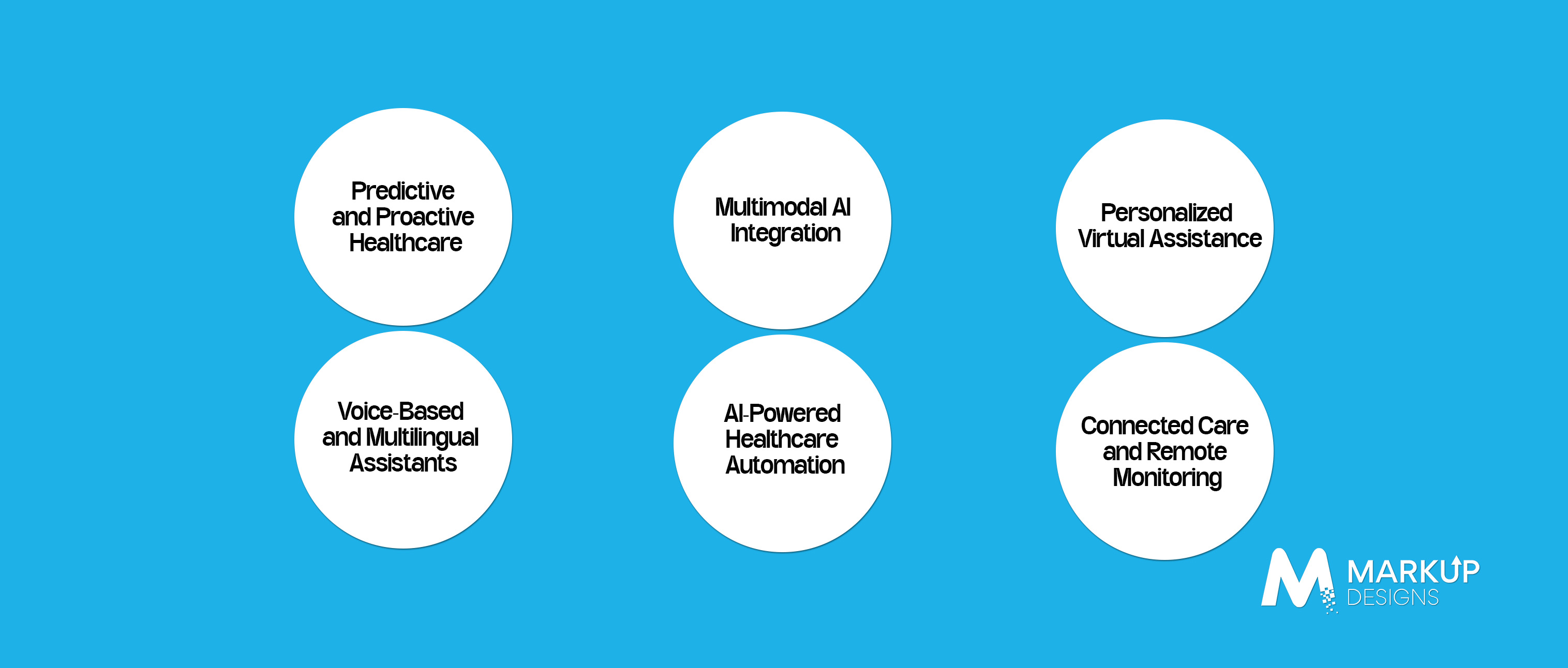
The development of AI virtual health assistants is not stopping, as more and more healthcare providers experiment with new ways of improving the patients’ experience and simplifying the provision of healthcare.
Here are some important trends shaping their future:
Predictive and Proactive Healthcare
In the future, AI health assistants are likely to become even better at finding out patterns in patients’ health data and bringing attention to possible problems. It will help the healthcare providers to be prepared and proactive in caring for patients.
Multimodal AI Integration
AI virtual assistants used to work only through text-based interaction. However, multimodal AI can process different types of information, such as voice, text, visual material, and patients’ health data.
Personalized Virtual Assistance
Using patient information that is accessible to the AI assistant, it could be able to give more context-aware communication, reminders, and educational content for patients.
Voice-Based and Multilingual Assistants
Having voice-enabled assistants and multi-language options would increase accessibility for those patients who do not feel comfortable communicating through applications and text-based services.
AI-Powered Healthcare Automation
AI assistants might be used for handling various administrative actions related to scheduling, follow-ups, information retrieval, and managing patient queries. Permissions would still need to be granted to carry out any sensitive processes.
Connected Care and Remote Monitoring
Virtual assistants are expected to be integrated with telehealth solutions, wearables, patient portals, and remote monitoring platforms in the future.
How Markup Designs Can Help Build AI-Powered Healthcare Solutions
Development of AI-based virtual health assistants needs the perfect blend of AI technology, healthcare software expertise, secure architecture, and good UI/UX design. The healthcare organization needs solutions that work for them without compromising any privacy issues related to patient data.
Our expertise at Markup Designs will help businesses build custom healthcare solutions that can help patients engage more easily and make business processes smoother. Our skill set includes AI solutions development, healthcare application development, integration of EHR systems and telemedicine services, secure software architecture, and process automation.
We understand what your business needs and will help you build AI-powered healthcare solutions based on your needs.
Looking to introduce AI virtual assistance into your healthcare services?
Partner with Markup Designs to develop a customized solution that supports patient engagement, streamlines operations, and fits your organization’s needs.

Conclusion
AI virtual health assistants that utilize artificial intelligence are revolutionizing the process of interactions between patients and healthcare specialists, as well as the provision of healthcare support in everyday life. Starting from appointment scheduling and ending up with remote patient monitoring and providing health-related information, these applications can be quite useful in improving accessibility and structuring of healthcare services.
Moreover, they allow healthcare specialists to conduct routine administrative tasks in order to allocate more time for treating patients. Nonetheless, effective implementation of these assistants requires not only the ability of artificial intelligence but also data security, precision of responses, healthcare systems’ integration, and human clinical supervision.
Continued development of artificial intelligence technology will provide more integrated, interactive, and competent virtual health assistants that will be able to assist healthcare workflows. With the right approach to implementation, healthcare organizations can employ these solutions in order to improve digital healthcare experiences.
FAQs
1. What is an AI virtual health assistant?
An AI virtual health assistant is a digital tool that uses artificial intelligence to help patients and healthcare providers with tasks such as answering common questions, scheduling appointments, sending medication reminders, and providing health-related information.
2. How are AI virtual health assistants used in healthcare?
They are used for patient communication, symptom assessment support, appointment management, medication reminders, remote patient monitoring, telehealth assistance, and administrative automation.
3. Can an AI virtual health assistant diagnose medical conditions?
No. An AI virtual health assistant should not replace a qualified healthcare professional. It can collect symptom information and provide approved health guidance, but medical diagnosis and treatment decisions require appropriate clinical expertise.
4. How do AI virtual health assistants support remote patient monitoring?
They can connect with wearable devices and remote monitoring tools to collect relevant health measurements. They can also identify readings that meet predefined alert criteria and notify healthcare professionals for further review.
5. Are AI virtual health assistants safe for handling patient information?
They can be designed to handle patient information securely through encryption, authentication, access controls, and appropriate data protection practices. Healthcare organizations must also follow applicable privacy and security regulations.
Author's Perspective
AI virtual health assistants represent an important step toward making healthcare more accessible and connected. However, their real value is not simply in automating patient interactions. It lies in how effectively they support patients and healthcare professionals throughout the care journey.
Healthcare organizations should focus on building assistants that solve practical problems, provide reliable information, and integrate smoothly with existing systems. Patient safety, data privacy, and human involvement should remain central to every implementation decision.
The future of AI in healthcare will depend on how responsibly organizations adopt these technologies and turn their capabilities into meaningful improvements in everyday healthcare delivery.
Discuss Your Project NowAjit Kumar Jha
VP - Business Operations
Related Posts

Automated Decision-Making in Australia: Business Benefits, Risks, Regulations...
Integrating AI into ERP Systems: A Complete Business...

Geopatriation and Sovereign AI in the Middle East:...
Insights Are Valuable & Execution is Priceless
You’ve read about the digital future. Now, let’s build the infrastructure to take you there. Move your strategy from the page to the product.
Design Your Solution Now
Contact Us
Schedule The Appointment At Your Convenience Date And Time.
30 Min
Web Conference
Time Zone
Indian standard time (08:30pm)

Thanks For Getting In Touch!
You’ve Taken The First Step Toward Transforming Your Digital Presence. Our Experts Will Reach Out Shortly To Take It Forward.
Launch Your Dream Project
Provide a brief overview of your project, and our specialists will evaluate your requirements. We will connect with you to explore how the right digital solutions can help you launch faster.