
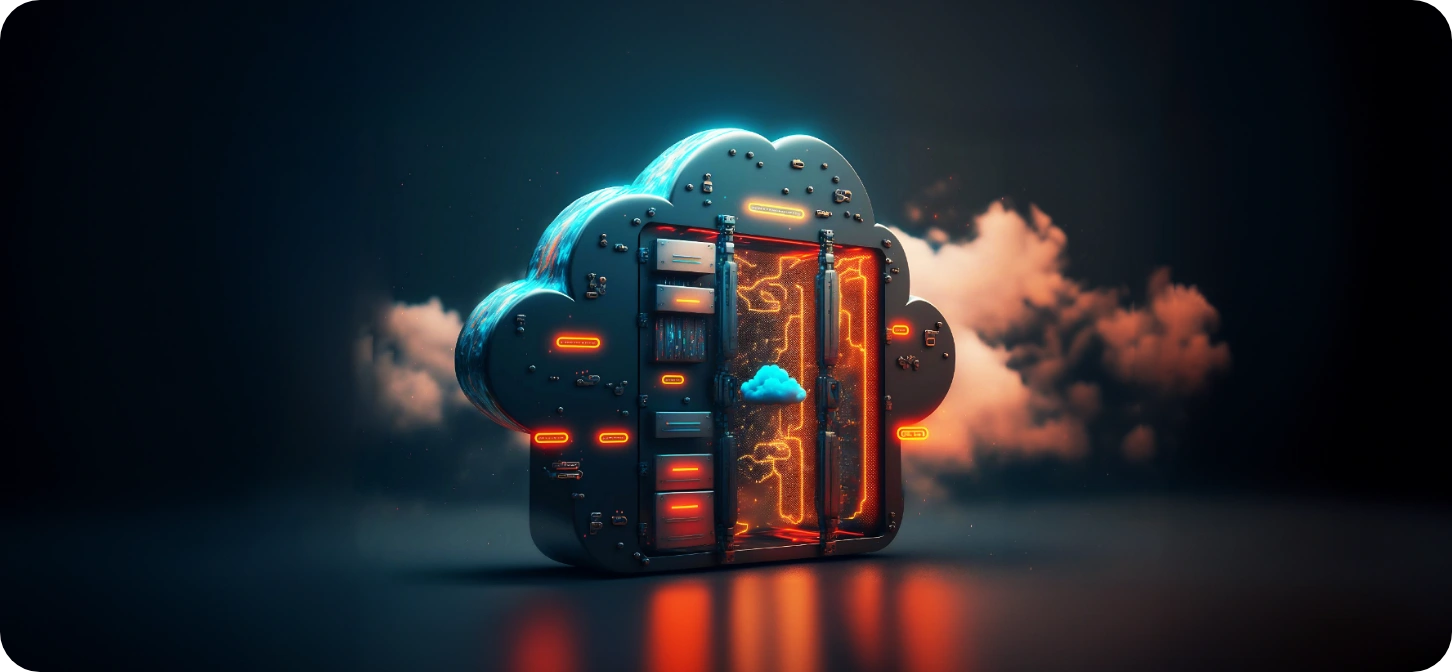
Oil & Gas Legacy System Modernization: Key Strategies for Businesses
Legacy modernization is no longer a background IT initiative in the oil and gas sector; it has become an operational imperative. As the global digital transformation market in oil and gas surges toward USD 317.58 billion by 2033 at a compounding annual growth rate of 17%, enterprises that continue to operate on decades-old infrastructure are not merely falling behind; they are actively compromising their competitive position, operational safety, and financial performance. Understanding the full scope and urgency of modernization in 2026 is not optional; it is essential for decision-makers in upstream, midstream, and downstream operations.
According to industry analysis, 80% of oil and gas companies are currently running critical systems that are over 15 years old, and these systems lack the connectivity, integration capabilities, and data interfaces demanded by today’s AI-driven operational landscape. Meanwhile, the World Economic Forum estimates that full-scale digital adoption could generate USD 1.6 trillion in value for the energy sector by 2030. The gap between legacy-bound operators and digitally transformed enterprises is widening fast, and in 2026, the pressure to act decisively has reached a critical tipping point.
Top 4 Critical Dimensions of Legacy Modernisation in Oil and Gas
1. The Legacy Problem: Understanding the Scale of the Challenge
Most oil and gas enterprises are not operating on a single outdated system; they are running entire ecosystems of aging infrastructure. SCADA platforms, distributed control systems (DCS), enterprise resource planning (ERP) tools, and operational technology (OT) networks built across different eras often use incompatible protocols, proprietary data formats, and siloed architectures.
This creates what industry experts refer to as compounding technical debt, the hidden, escalating cost of maintaining systems that make the decision-making process slower, introduce cybersecurity vulnerabilities, and block the integration of emerging technologies. Research by IDC warns that organisations face up to a 40% risk of missing out on AI value entirely if legacy platforms remain in place. For oil and gas enterprises where the margin between operational excellence and costly downtime is razor-thin, this is a risk that carries direct financial consequences.
Beyond AI readiness, the cybersecurity dimension is equally alarming. Security threats have increased by 300% since 2020, with ransomware attacks specifically targeting SCADA and distributed control systems. Legacy infrastructure built before modern cyber-hardening standards existed makes modernization a matter of operational survival, and not just a simple competitive consideration.
2. Key Legacy Modernization Strategies
There is no single path to modernization, and for oil and gas enterprises managing complex, safety-critical infrastructure, the approach must be deliberate, phased, and tailored to operational realities. The most effective modernization strategies in 2026 centre around five core approaches:
Cloud Migration & Sovereign Infrastructure
Moving from on-premises legacy architecture to cloud-native platforms enables oil and gas enterprises to centralise data, improve remote collaboration, and deploy advanced analytics at scale. Shell’s integrated data platform, which successfully connected over 100 legacy systems across its global operations into a unified data environment, demonstrates that even the most complex legacy landscapes can be modernised at enterprise scale when the right strategy and partner are in place.
API-Based Integration Without Full Rip-and-Replace
A critical insight for 2026 is that modernization does not always mean replacing everything from scratch. API-based integration allows enterprises to connect legacy SCADA, DCS, and ERP systems with modern digital platforms without requiring full system overhauls. Middleware platforms provide translation services between different protocols and data formats, enabling gradual modernisation while maintaining operational continuity, a non-negotiable priority in oil and gas environments where unplanned downtime translates directly to production loss.
AI & Predictive Analytics Enablement
Advanced machine learning models are now capable of analysing sensor data from critical equipment to predict failures two to four weeks in advance, reducing unplanned downtime by up to 35% according to industry benchmarks. However, these AI capabilities can only be deployed effectively on modernised infrastructure. Legacy systems that cannot support real-time data streaming or modern integration protocols create a hard ceiling on AI value. Modernization removes that ceiling.
Digital Twin Deployment
Digital twins, real-time virtual replicas of physical assets and production environments, are becoming a standard tool for oil and gas operational management. These platforms allow enterprises to simulate operational scenarios, optimise maintenance schedules, and model the impact of infrastructure changes before implementation. Digital oilfield solutions of this kind have moved well beyond pilot projects in 2026.
No-Code Process Automation
Gartner projected that 70% of new enterprise applications would be built using low-code and no-code tools in 2025. For oil and gas operators, this means field technicians, operations managers, and compliance teams can build and deploy solutions, from workflow automation to compliance tracking, without waiting for lengthy IT development cycles. Layering low-code capabilities onto a modernised infrastructure backbone dramatically accelerates operational transformation.
The Business Case: Why 2026 Is the Critical Year to Act
The business case for legacy modernization in oil and gas has never been stronger, and the cost of inaction has never been higher. According to Technavio, the digital transformation market in oil and gas is expected to grow by USD 56.4 billion between 2025 and 2029 at a 14.5% CAGR. Enterprises that move now are positioning themselves to capture value ahead of competitors still anchored to legacy infrastructure.
Deloitte’s 2026 Oil and Gas Industry Outlook identifies digitally enabled operations as the next frontier of competitiveness, particularly as shale productivity gains flatten and asset ageing accelerates. Companies that deploy AI, advanced analytics, and automated infrastructure management are demonstrably outperforming those that do not in both operational efficiency and investor valuation.
Common Challenges Decision-Makers Must Navigate
Despite the clear imperative, legacy modernization in oil and gas is not without significant challenges. Understanding these obstacles is essential for enterprises planning their modernization roadmaps:
- Integration Complexity: Connecting SCADA, DCS, and ERP systems with modern platforms requires specialised expertise and careful planning to avoid disrupting critical operations.
- Operational Continuity Pressure: Oil and gas enterprises cannot afford extended downtime during migration. Modernization strategies must guarantee plant uptime throughout the transition.
- Cybersecurity Exposure: As legacy OT systems become more connected, the attack surface expands. Modern cybersecurity standards must be embedded into the modernization architecture from day one.
- Talent Gaps: There is a recognised global shortage of professionals with expertise in both oil and gas operational technology and modern digital platforms. Upskilling programs and the right technology partners are essential for bridging this gap.
- Capital Justification: Full-field digital rollouts require substantial upfront investment in sensors, network upgrades, and specialist implementation. Financial models that capture both hard and soft returns are essential for securing board-level approval.
How Markup Designs Supports Legacy Modernization Journey?
We understand that legacy modernization in the oil and gas sector is not simply about the technology project; it is a fundamental business transformation that demands the right strategic partner from day one. We work with oil and gas enterprises across the UAE and the wider GCC to design, develop, and deliver modernization solutions that address operational complexity, industry regulation, and long-term scalability.
Our AI and digital transformation capabilities are purpose-built for B2B enterprises operating in asset-heavy, data-intensive industries like oil and gas. Whether you are migrating a legacy SCADA environment to a cloud-native architecture, integrating disconnected operational systems through modern APIs, or deploying AI-powered analytics to transform raw field data into real-time business intelligence, our team brings the technical depth and industry understanding to make it happen on time, on budget, and without disrupting your operations.
What we deliver for oil and gas enterprises:
- End-to-end AI and digital transformation strategy aligned with your operational goals and the UAE market context.
- Custom web application development for enterprise operations, asset management, and field data workflows.
- Legacy system assessment, modernization roadmapping, and phased implementation, minimising disruption to live operations.
- Cloud migration and API integration services that connect your existing infrastructure with modern analytics and AI platforms.
- Ongoing digital transformation support, ensuring your systems evolve as your business and the industry landscape evolve.
Frequently Asked Questions (FAQs)
Q1. What AI and digital transformation services does Markup Designs offer for oil & gas businesses in the UAE?
At Markup Designs, we offer a comprehensive range of AI and digital transformation services tailored specifically for oil and gas enterprises operating in the UAE and across the GCC. Our services include legacy system modernization strategy, cloud migration, custom web application development, AI integration, operational data analytics, and end-to-end digital transformation consulting.
Q2. How can Markup Designs help our oil & gas business begin legacy modernization without disrupting operations?
We specialise in phased modernization strategies that prioritise operational continuity above all else. Our team begins with a thorough assessment of your existing legacy landscape, identifies integration opportunities through API-based approaches, and builds a step-by-step roadmap that modernises your infrastructure without halting production or creating compliance risk.
Q3. Does Markup Designs develop custom web applications for oil & gas enterprise operations in the UAE?
Absolutely. Our web application development team builds scalable, secure, and high-performance platforms specifically designed for oil and gas operational use cases, from asset tracking dashboards and field data management tools to compliance portals and predictive maintenance platforms, all designed to integrate seamlessly with your existing and future infrastructure.
Q4. How long does a legacy modernization project typically take for an oil & gas enterprise?
The timeline depends on the scale and complexity of your existing systems, but most enterprise-grade legacy modernization programmes are delivered in phases spanning 12 to 36 months. At Markup Designs, we build phased roadmaps that deliver measurable business value at each stage. We work at your pace, aligned to your operational calendar and budget cycles.
Q5. Why should oil & gas businesses in the UAE choose Markup Designs as their digital transformation partner?
We combine deep technology expertise with an in-depth understanding of the UAE business environment and the digital transformation priorities shaping the GCC’s oil and gas industry, enabling us to build strategies and platforms tailored to your operational reality and compliance requirements.
Q6. What is the ROI of legacy modernization for oil & gas enterprises?
The returns are substantial and well-documented. AI-powered predictive maintenance alone can reduce unplanned downtime up to 35%, and McKinsey research indicates that companies can reduce maintenance costs by up to 40% and downtime by up to 50% through IoT-enabled operations.
Moving the Way Forward for Legacy Modernization
The challenges surrounding legacy modernisation in oil and gas, from cybersecurity exposure and operational continuity pressure to capital justification, are significant. Navigating them successfully requires a deliberate, phased strategy and the right technology partner. For oil and gas decision-makers in 2026, the question is no longer whether to modernise, but how quickly and effectively they can make it happen.
Markup Designs is ready to be that strategic partner for enterprises in the oil & gas industry. Our AI and digital transformation expertise, combined with a deep understanding of the UAE and GCC markets, positions us to navigate legacy modernisation with confidence, clarity, and measurable results.
Author's Perspective
Sustainable growth today depends on how effectively businesses utilize the technology and adapt to change. It is no longer just about keeping up, but about building systems that are future-ready. Organizations that invest in the right digital foundations are the ones that stay ahead of disruption and lead their industries. We focus on aligning technology with long-term business vision and help enterprises to modernize, while creating a strong digital backbone that supports continuous innovation and growth.
Discuss Your Project NowNigel Smith
Operations Vice President
Related Posts
How Digital Transformation Is Driving Business Growth in...

Digital Transformation for Government Services in Kuwait: Key...
Why Businesses in Oman Need Digital Transformation Services
Insights Are Valuable & Execution is Priceless
You’ve read about the digital future. Now, let’s build the infrastructure to take you there. Move your strategy from the page to the product.
Design Your Solution Now
Contact Us
Schedule The Appointment At Your Convenience Date And Time.
30 Min
Web Conference
Time Zone
Indian standard time (08:30pm)

Thanks For Getting In Touch!
You’ve Taken The First Step Toward Transforming Your Digital Presence. Our Experts Will Reach Out Shortly To Take It Forward.
Launch Your Dream Project
Provide a brief overview of your project, and our specialists will evaluate your requirements. We will connect with you to explore how the right digital solutions can help you launch faster.