
In Brief
- A fashion marketplace app development in the United Kingdom can cost about £32,000 – £320,000+, depending on how complex the app is, what features it needs to have, and which technologies will be used.
- Features like user registration, sellers’ profiles, product listing, searching and filtering tools, payments, order tracking, review system, and administrative part are essential for building an online fashion marketplace.
- Some advanced features that may make your application more competitive can be artificial intelligence-based product recommendations and visual search, personalized shopping feed, product description generation using artificial intelligence, fraud detection, and social shopping features.
- It usually takes from 3 to 9 months to build a mobile app, including planning, UI/UX design, developing the front-end and back-end, integration, testing, and deployment.
- In order to reduce your business expenses, you can start with a minimum viable product, focusing on the most necessary features, consider using cross-platform app development, and use third-party solutions.
The fashion industry in the United Kingdom is evolving because an increasing number of people use online platforms for buying and selling clothes and discovering new trends. Pre-owned clothes, vintage dresses, and branded accessories can be purchased and sold using fashion marketplace applications. Depop is also contributing to the accessibility of second-hand fashion by giving room to startups and retailers to establish their presence in this market.
Developing a fashion marketplace app requires more than just the creation of an engaging shopping platform. Some of the essential features that you may need include seller profiles, product listings, a secure payment system, order tracking, and a recommendation service. The cost of developing a fashion app depends on its level of sophistication, features, technology used, and development team.
Then, what is the amount of money that you have to spend to develop your own fashion marketplace app in the UK? In this blog, we will discuss the cost of development, features required, technology stack, timeline, and methods of budget management in the process of developing a successful fashion marketplace app.
How Much Does It Cost to Build a Fashion Marketplace App in the UK?
Building a fashion marketplace application in the UK would likely cost between £32,000 and £320,000 or more, depending on what is required of the app in terms of its capabilities and features. An uncomplicated marketplace would be cheaper to develop compared to an advanced one with artificial intelligence and other sophisticated technologies.
Here is an estimated cost breakdown based on the app’s complexity:
| App Type | Estimated Development Cost |
| Basic fashion marketplace | £32,000–£65,000 |
| Mid-level marketplace | £65,000–£140,000 |
| Advanced marketplace with AI | £140,000–£220,000 |
| Enterprise-level marketplace | £220,000–£320,000+ |
A basic app can have user registration, product listings, a search feature, and payment system integration. An advanced application can feature seller dashboards, order tracking, ratings & reviews, and an enhanced inventory management system. Premium or enterprise applications can offer AI-based recommendations, a fraud detection system, a personalized shopping experience, and can accommodate more users and sellers.
The mentioned figures are indicative prices and cannot be taken as fixed prices on the market. It all depends on the specifics of your project, the rates of the development company, and the features to include in the first release.
Key Factors Affecting Fashion Marketplace App Development Cost
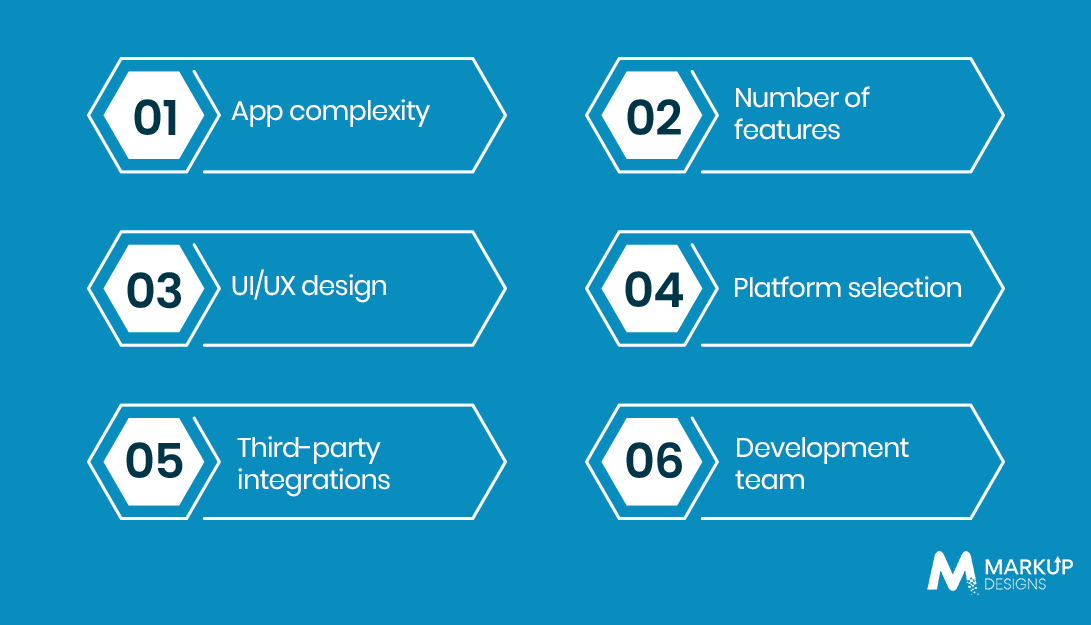
The cost of developing a fashion marketplace app is influenced by certain aspects. Knowing these aspects will help you understand how to budget and what features to implement at the initial stage of the development process.
App complexity
The creation of a straightforward app with simple purchasing and selling options is cheaper than an advanced marketplace with multiple seller accounts and complex workflows.
Number of features
Payment systems, order management, seller dashboards, product reviews, recommendations, and other similar features increase the price of development.
UI/UX design
Attractive and user-friendly UI/UX takes some time to research, prototype and test.
Platform selection
Development of a native app for Android and iOS platforms is usually more expensive than the implementation of a proper cross-platform solution.
Third-party integrations
Payment gateways, shipping services, analytics tools, and product recommendation APIs may increase integration and service costs.
Development team
Cost depends on factors such as location, experience, technical skills, and management style of the development team.
Planning for all these factors in advance allows you to save money. Begin by focusing on the features that are most important for your buyers and sellers. Then expand your functionality further.
Essential Features of a Fashion Marketplace App
A fashion marketplace mobile application requires the right functionalities that facilitate buyers in discovering products, sellers in managing listings, and administrators in managing the entire application efficiently. These core functionalities also affect the total development cost of the app.
- User Sign-Up and Profiles: Enables buyers and sellers to sign up for the application, manage user information, maintain preferences, and track history.
- Seller Sign-Up and Product Listings: Enables sellers to sign up, upload product images, write product descriptions, manage product pricing, and manage sizes.
- Search and Filters: Facilitate users in finding products based on brand, size, color, price, type, and style.
- Shopping Cart and Payments: Enable buyers to purchase multiple products through secure payment gateways.
- Order & Tracking: Offer customers information about orders, shipping info, and tracking so that they know the whereabouts of their purchases.
- Ratings, Reviews, and Admin Dashboard: Gain customer trust from reviews while offering administrators tools to manage users, postings, payments, disputes, and activities on the platform.
These features create a strong foundation for a fashion marketplace. You can launch with the essentials first and introduce more advanced capabilities as your user base and seller network expand.
Read Also: How Much Does It Cost to Develop a Marketplace App in 2026?
Advanced Features for a Competitive Fashion Marketplace App
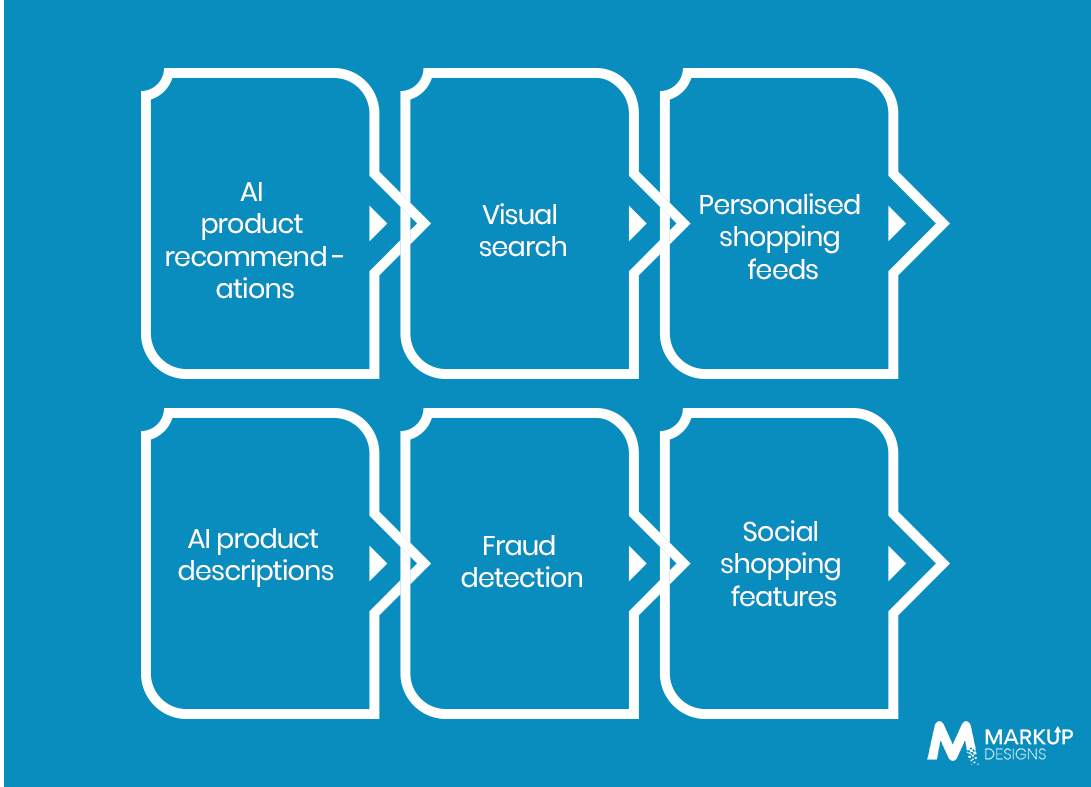
Features will help your customers buy and sell fashion goods; however, additional features may bring you extra engagement and competitive advantage. If you plan to develop a fashion marketplace similar to Depop, use some technologies that will help people discover fashion products, shop online, and increase buyers’ trust.
1. AI product recommendations
Recommend clothes and accessories according to the user’s browsing activity, saved items, purchase history, and style preference.
2. Visual search
Allow your users to upload an image to find similar clothes, patterns, colors, or accessories that are available in your marketplace.
3. Personalised shopping feeds
Show related items for your users based on their interests, favourite brands, and shopping behavior.
4. AI product descriptions
Help the sellers compose the product title and description based on the input data.
5. Fraud detection
Detect anomalies in transactions, suspect sellers, and possibly misleading listings to protect both buyers and sellers.
6. Social shopping features
Implement follows, likes, comments, collections, and product sharing to facilitate interactions and discover new products.
The cost of implementing these features depends on whether you will use some external services or create custom AI. When you start a marketplace for the first time, it is better to have only basic features and implement advanced ones when it is justified by the demand.
Planning to Build Your Own Fashion Marketplace App?
Turn your fashion marketplace idea into a practical development plan. Markup Designs can help you identify the right features, choose suitable technologies, and estimate your development budget.

Technology Stack for a Fashion Marketplace App
The selection of the right technology stack is one of the key components when developing a fashion marketplace application. The choice of particular technologies influences the performance, security, scalability, and maintenance of the application. The optimal technology stack will depend on a number of factors.
Here are some common technology options to consider:
| Technology Layer | Possible Technologies |
| Mobile app development | Flutter, React Native, Swift, Kotlin |
| Web frontend | React.js, Next.js |
| Backend development | Node.js, Python, Java |
| Database | PostgreSQL, MongoDB |
| Cloud infrastructure | AWS, Microsoft Azure, Google Cloud |
| Payment integration | Stripe, Adyen |
| AI and recommendations | Python, machine learning frameworks |
| Analytics and monitoring | Google Analytics, cloud monitoring tools |
For example, frameworks such as Flutter or React Native can help you build applications for iOS and Android with the same codebase, when applicable. Technologies like React.js can create a responsive web-based marketplace, and Node.js or Python can be used to create back-end services like seller management, product listing, and orders.
Payment gateway APIs and shipping APIs can be helpful in automating the payment and delivery process. However, costs and integration of these technologies should be considered while preparing the budget.
Not all of the mentioned technologies will be required initially. Choose what you need and design the architecture that can handle growth and scaling of additional sellers, products, and users.
Fashion Marketplace App Development Cost Breakdown
Understanding the distribution of the development budget will help you determine which area requires investment and which one you can cut down on. This cost depends on the scope of your project, but usually, the development of a fashion marketplace app involves spending at various stages of development.
The following estimates are illustrative UK project ranges. They can vary depending on the team, platform, and level of complexity.
| Development Stage | Estimated Cost |
| Discovery and planning | £2,000–£8,000 |
| UI/UX design | £3,000–£12,000 |
| Frontend development | £8,000–£30,000 |
| Backend development | £10,000–£40,000 |
| API and third-party integrations | £3,000–£15,000 |
| Testing and quality assurance | £3,000–£12,000 |
| Deployment and launch | £1,000–£5,000 |
The above-mentioned ranges are indicative and can go beyond for more complicated projects. It is also possible that some stages will be overlapping, while some others are included in the overall quote by a development team.
- Discovery & Planning: The stage helps you define the target audience, marketplace model, key features, technical specifications, and project plan. Proper planning allows avoiding costly amendments.
- UI/UX Design: The designers develop wireframes, prototypes, and interfaces for the buyer, seller, and admin. A simple and easy-to-use solution helps to facilitate navigation between products and make purchases.
- Frontend and Backend Development: The frontend is related to the user-facing elements, and the backend deals with account management, listings, payments, orders, and marketplace regulations.
- Integrations: You should integrate payment services, shipping providers, notifications, and analytics tools into your application.
- Testing & Launch: The development team conducts all the required tests to ensure the proper functioning of the application.
In order to get the quote for your marketplace, make sure that it includes development of all platforms, admin dashboard, integrations, testing, deployment, and post-launch support.
How Long Does It Take to Build a Fashion Marketplace App?
Developing a marketplace app for the UK fashion industry can be done in 3 to 9 months, based on the complexity and other factors such as design requirements, technology used, and the level of expertise of the development team. The development period is shorter for a marketplace with basic features compared to one with advanced AI features.
Here is an estimated development timeline:
| Development Stage | Estimated Time |
| Discovery and planning | 2–4 weeks |
| UI/UX design | 3–6 weeks |
| Frontend and backend development | 8–16 weeks |
| API integrations | 2–5 weeks |
| Testing and quality assurance | 2–4 weeks |
| Deployment and launch | 1–2 weeks |
There may be an overlap of some of these phases, so the overall time required would not necessarily add up to the total sum of all the phases put together.
For a basic MVP version of your app, the launch date could be brought forward depending on how well you know what you want from your app. If you plan on having a bigger marketplace with various user types and complex payment processing mechanisms, then your app would require more time for development and testing.
To make sure that there are no delays in developing your app, plan out your key requirements first.
How to Reduce Fashion Marketplace App Development Costs
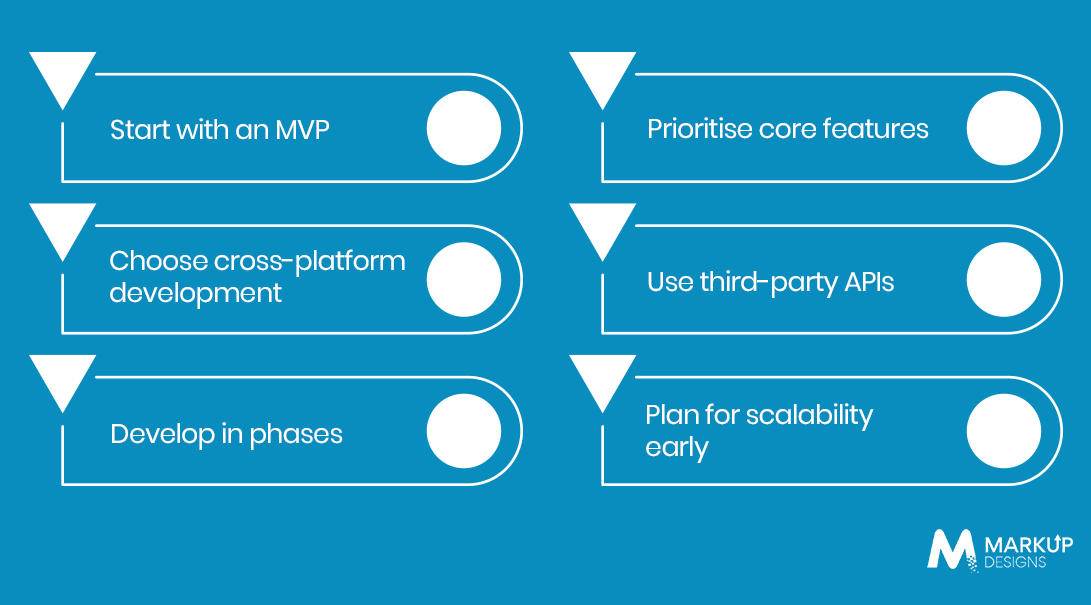
Building a fashion marketplace does not mean that you should buy all its features at once. Proper planning will help you keep development expenses in check while creating a platform that suits the needs of your audience.
Start with an MVP
Develop basic functions like accounts, item listing, search, payments, and order management. Implement additional functions only after testing the demand for them.
Prioritise core features
Understand what the buyer and seller need. Do not waste your budget on functions that will be useful only in the future.
Choose cross-platform development
If a unified code is enough for you to cover both iOS and Android, then go for Flutter or React Native.
Use third-party APIs
Instead of developing all systems yourself, use existing payment, delivery, and notification solutions.
Develop in phases
Release your application in parts, distributing costs and getting feedback at each stage.
Plan for scalability early
Plan the right architecture and database from the start to avoid costly rework later.
However, the most important thing is to invest in features that actually bring value and not to pick the development solution that is the most cost-effective one. With a properly created MVP, you will be able to test your concept and understand users’ behavior better.
Why Choose Markup Designs for Fashion Marketplace App Development?
Building a fashion marketplace entails much more than just developing a technological solution. Your solution needs to connect buyers and sellers, conduct transactions safely and grow further. Markup Designs will provide your project with professional assistance to develop a custom application according to your business model, target audience and requirements.
We concentrate on developing user-friendly designs, making it easy for customers to find goods, manage sellers and proceed to checkout. We also facilitate integration of payment gateways and third-party systems and take into account issues of data security and transaction security.
In case of creating an engaging shopping experience for customers, it is also possible to implement AI solutions, including personalized product recommendations. Scalable architecture will allow you to add more products, sellers, and transactions as you go.
Markup Designs will help you with any stage of your app development process, starting from planning and designing and ending with development itself, testing, and implementation. We will help you define priorities and create the development roadmap for your solution.
Ready to Build Your Fashion Marketplace App in the UK?
Markup Designs can help you plan the right features, choose suitable technologies, and build a platform that fits your goals and budget.

Conclusion
The cost of building a fashion marketplace app in the UK is dependent on the app complexity, number of features, technology stack used, and development specifications. A simple marketplace could be developed at a cost of £32,000, while an advanced or enterprise level fashion marketplace would cost up to £140,000 to £320,000 and above.
First of all, make sure you have planned out your target audience, identified the basic app functionality, and allocated an appropriate budget. The best way to start would be to develop a minimum viable product (MVP), and then build a more complex product in line with your vision and user experience feedback. Some features, like AI suggestions or visual search tools, can be implemented after the initial release.
It is also necessary to factor in recurring costs of hosting, maintenance, payment integration, security, marketing, and others, which could impact your budget as significantly as the initial investment in the app development.
With proper planning and a reliable development partner, you will be able to create a fashion marketplace that fits user needs and supports both buyers and sellers.
FAQs
1. How much does it cost to build a fashion marketplace app in the UK?
The estimated cost ranges from £32,000 to £320,000 or more. The final price depends on the app’s features, complexity, platforms, integrations, and the development team’s rates.
2. How long does it take to develop a fashion marketplace app?
A fashion marketplace app can take approximately 3–9 months to develop. A basic MVP may take less time, while a feature-rich platform with advanced integrations may require a longer development cycle.
3. What features should a fashion marketplace MVP include?
An MVP should typically include user registration, seller profiles, product listings, search and filters, secure payments, order management, ratings, and an admin dashboard.
4. Can I build a fashion marketplace app like Depop?
Yes. You can build a marketplace inspired by Depop’s general buying, selling, and social shopping model. Your app should have its own branding, design, and features to create a distinct user experience.
5. What ongoing costs should I consider after launching the app?
Ongoing costs may include cloud hosting, maintenance, app updates, payment processing fees, customer support, marketing, security monitoring, and third-party subscriptions. The amount depends on usage and service requirements.
Author's Perspective
Building a fashion marketplace app requires a clear understanding of your audience, budget, and long-term goals. While advanced features can improve the shopping experience, starting with essential functionality often makes more sense for new platforms. Focus on making buying and selling simple, keeping transactions secure, and helping users discover products they value. As your marketplace grows, you can invest in personalisation, automation, and other advanced capabilities based on real user needs. A practical development strategy can help you manage costs while building a reliable platform for the UK fashion market.
Discuss Your Project NowJupinder Singh Arora
Founder and CEO
Related Posts
How to Build a Secure Payment Gateway Integration...

Cost to Build a Mobile App in Qatar...

How Much Does It Cost to Build an...
Insights Are Valuable & Execution is Priceless
You’ve read about the digital future. Now, let’s build the infrastructure to take you there. Move your strategy from the page to the product.
Design Your Solution Now
Contact Us
Schedule The Appointment At Your Convenience Date And Time.
30 Min
Web Conference
Time Zone
Indian standard time (08:30pm)

Thanks For Getting In Touch!
You’ve Taken The First Step Toward Transforming Your Digital Presence. Our Experts Will Reach Out Shortly To Take It Forward.
Launch Your Dream Project
Provide a brief overview of your project, and our specialists will evaluate your requirements. We will connect with you to explore how the right digital solutions can help you launch faster.